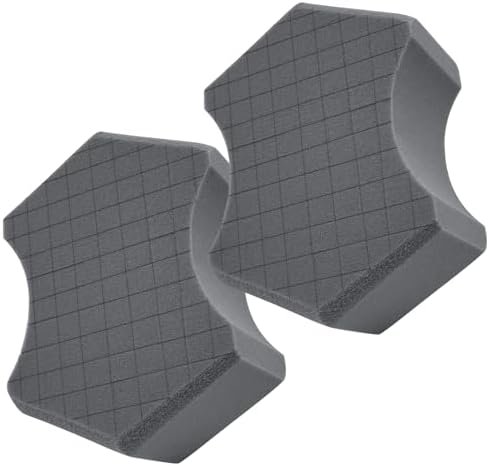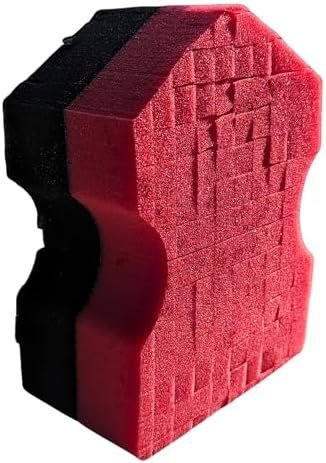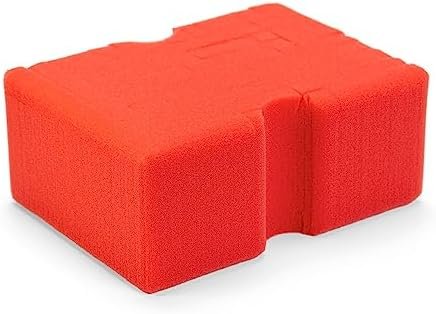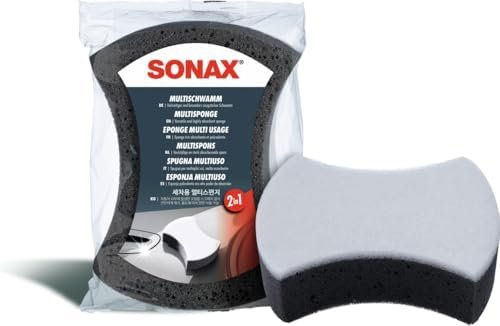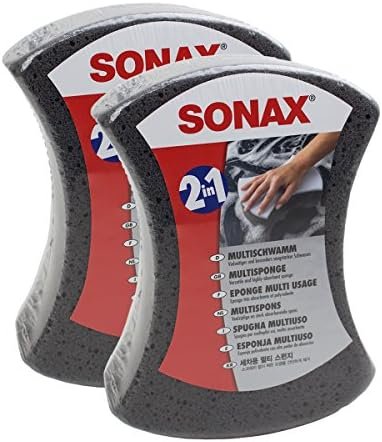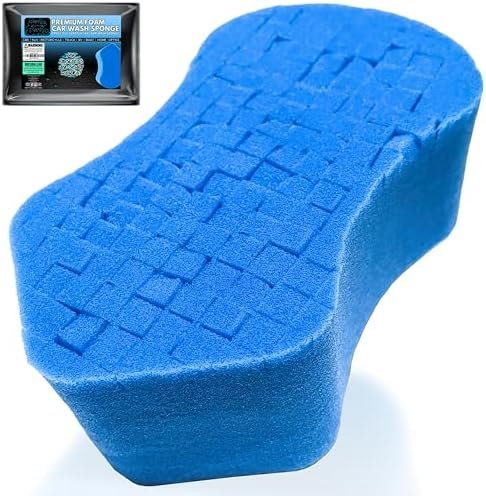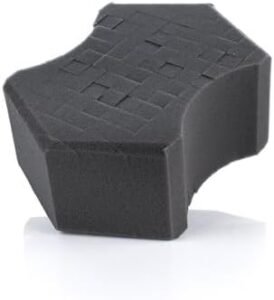



- Extra-large thick profile
- Dual colour sides
- Rinseless & bucket use
- Clear coat safe
| Product | Our Rating | Key Specs | ||
|---|---|---|---|---|
Legacy Sponge
|
|
Check Latest Price | ||
Ultra Safe Sponge
|
|
Check Latest Price | ||
Villain
|
|
Check Latest Price | ||
Big Red Sponge
|
|
Check Latest Price |
Modern sponges are very different from the basic blocks most people think of. Today's designs use grooves, cuts, and improved materials to manage contact safely. The goal is the same as any wash tool, the method is different.
Modern sponges rely on structure and process to control contamination, not deep fibres.
Sponges hold a large amount of shampoo and release it consistently across the surface. This keeps lubrication high throughout the wash, which reduces friction even when the sponge itself is not trapping dirt as deeply as a microfibre mitt.
Sponges do not trap dirt in the same way as microfibre. They rely more on frequent rinsing or switching tools to stay safe. That means technique and process carry more weight. The tool is only as safe as the method around it.
Modern grooved designs have closed the gap with mitts, but the fundamentals are still different.
The gap between the best and worst sponge designs is larger than most people expect.
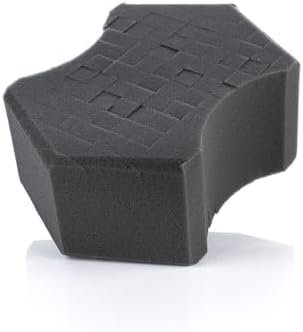
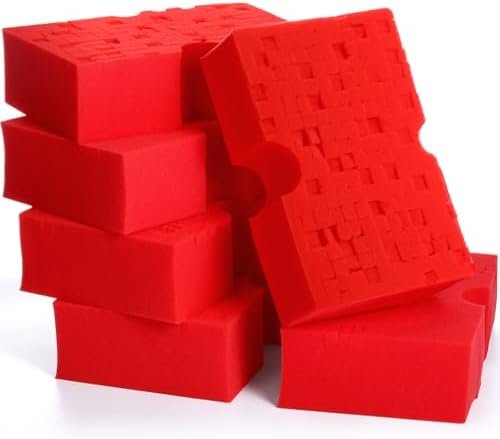
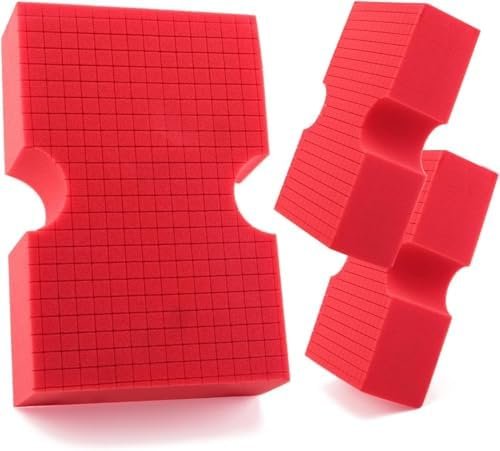
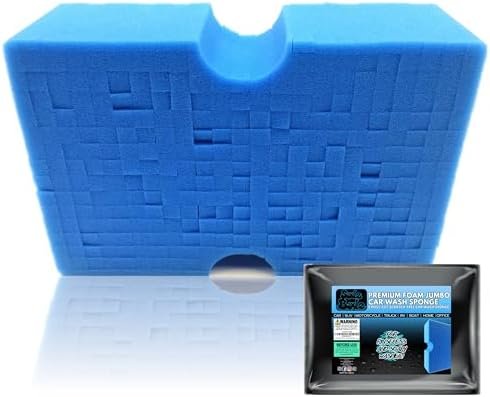
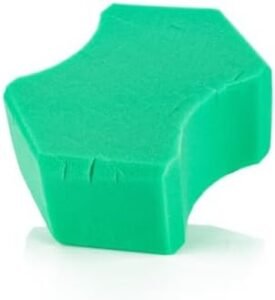
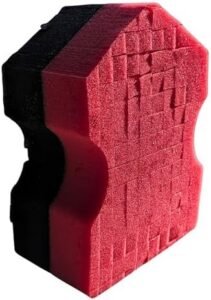
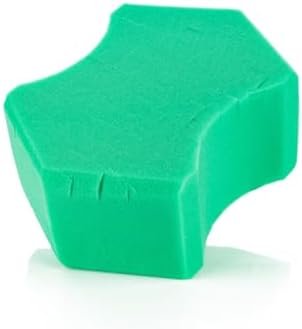
These are the modern standard. The grooves create space for dirt to move into and reduce how much of the sponge is in direct contact with the paint. This makes them far safer than older flat designs and is what most modern wash setups are built around.
If you prefer the feel and weight of a sponge over a mitt or pad, start here. Grooved designs have made sponges a viable option for regular washing when used properly.
Sponges wrapped in a microfibre outer layer, combining the absorption of a sponge with some of the dirt-trapping ability of microfibre. Performance depends heavily on the quality of the outer layer. Better versions are genuinely closer to a microfibre pad in behaviour.
Worth considering if you like the feel of a sponge but want better dirt separation. Check the fibre quality of the outer layer, that is where performance is made or lost.
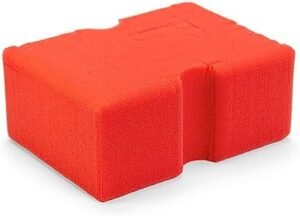
Traditional flat sponges with no grooves or structure. These keep dirt close to the surface and are the least forgiving option. Without channels to move contamination away, every pass keeps debris in contact with the paint across the full contact area.
Best avoided for bodywork. If you already own one, use it only with a very controlled process, fresh for each section, rinsed constantly, and only after a thorough pre-wash.
Sponges work differently to mitts and pads, one advantage, one key trade-off.
Rely on grooves and structure to move dirt away during each pass, rather than trapping it in deep fibres. They release dirt very easily when rinsed, less material means less for contamination to stay trapped inside. Technique and rinsing frequency matter more than with mitts.
Use deep fibres to pull contamination away from the surface and hold it safely within the pile. Wrap around the hand for even pressure and natural feedback. The safest default for most setups, especially for less experienced washers who are still developing technique.
Combine the flat contact surface of a sponge with the fibre-based dirt trapping of a mitt. High-quality versions match mitt performance closely. Sit in the hand rather than around it, which suits some people for flat panels but requires more attention to pressure.
The shape and design of the sponge matters more than how it feels in the hand.
These are significantly safer than flat sponges and are what most modern wash setups are built around. The grooves are not cosmetic, they actively create space for dirt to move away from the surface.
→ Grooved or cut spongeIf you want the absorption of a sponge with some of the dirt-trapping ability of microfibre, hybrid sponges are worth considering. Look for a quality outer fibre layer rather than just a thin microfibre wrap.
→ Microfibre hybrid spongeSponges work particularly well here. Using a fresh sponge per section removes most of the risk from contamination. Because they rinse so quickly, they are easy to clean between sections even in a single rinse bucket.
→ Multiple grooved spongesDesigns that reduce contact and allow dirt to move away are always safer than flat, dense foam. If the sponge looks like a solid block, it is likely the least safe option regardless of how soft it feels.
→ Grooved design, not solid foamSponges are more technique-dependent than mitts, these four mistakes are where damage tends to happen.
Flat sponges keep dirt pressed against the surface throughout each pass, increasing the risk of scratches. There is no structure to move contamination away from the paint. Modern grooved designs exist for exactly this reason.
Sponges do not trap dirt deep inside the way microfibre does. Contamination stays closer to the surface and builds up quickly. Rinsing often, between panels at minimum, is what keeps the sponge safe to use throughout the wash.
Sponges glide easily, which can make it feel natural to press down harder. But pressing harder increases the chance of dragging debris across the paint. Let the shampoo and the sponge's own weight do the work.
Contamination builds quickly in a sponge without deep fibres to hold it away from the contact surface. Without rinsing or switching between sections, that dirt spreads across every panel on the car.
Sponges are easier to rinse than mitts or pads, use that to your advantage after every wash.
Remove all debris after each wash. Sponges release dirt more easily than microfibre, so a thorough rinse is usually enough to get them clean.
Squeeze out and flush with clean water several times to remove any remaining contamination from inside the foam structure before storing.
Allow to dry completely before putting away. Damp sponges stored in a bag or bucket will degrade faster and can develop mould that makes them unsafe to use on paint.
If the grooves start to collapse or the material begins to tear, replace the sponge. A degraded structure no longer moves dirt away from the surface the way it should.
Click through to check today's price and availability from trusted retailers.
Find the best UK detailing products across our range of categories.


Your independent guide to the best car detailing products in the UK.
Hundreds of car cleaning products, pulled from trusted UK retailers across every category - shampoos, sealants, interior, glass, tools and more.
Customer ratings, review volume, price-to-performance and editor testing notes feed the score. No brand payments, ever.
Total Car Clean is 100% reader-supported. We may earn a small commission from affiliate links, but we remain unbiased to help you find the best products.