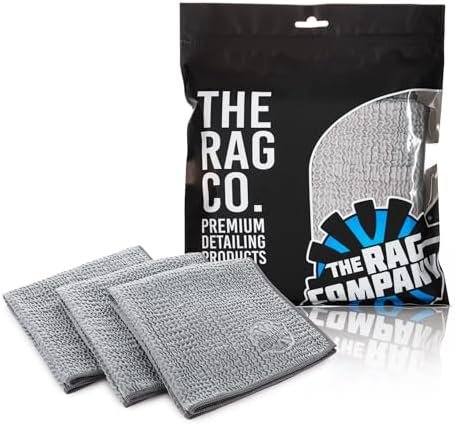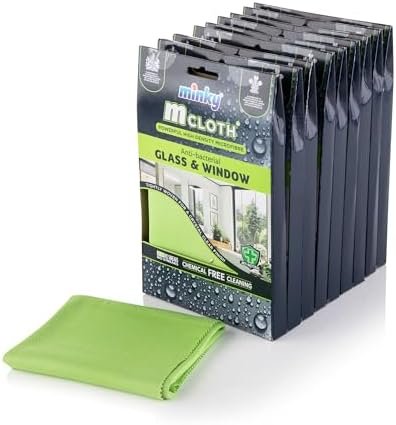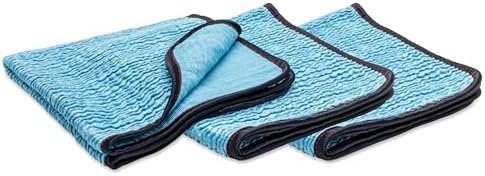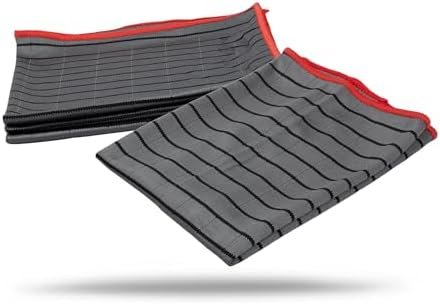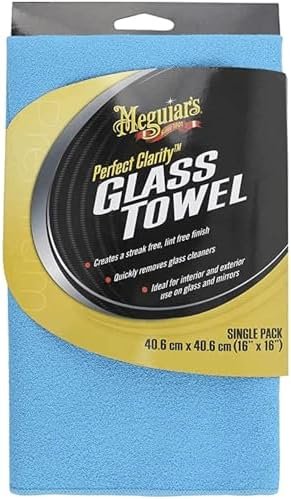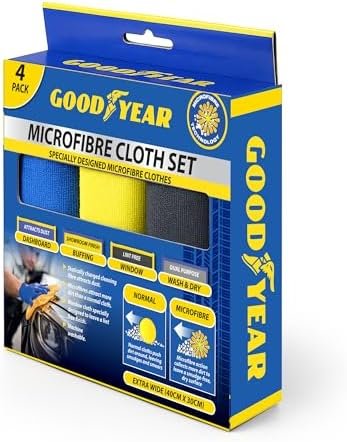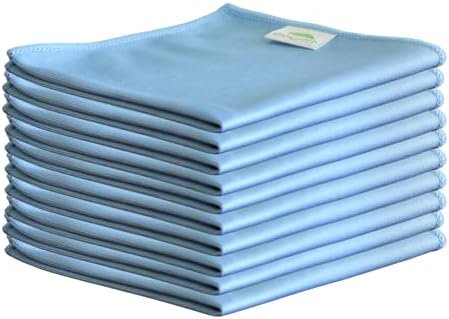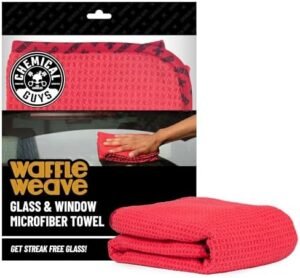


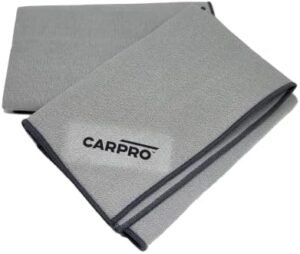

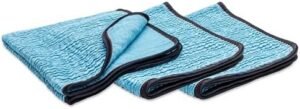

- Dual-sided crinkle weave
- 8 fresh cleaning sides
- Lint and streak free
- Satin edge - scratch safe
| Product | Our Rating | Key Specs | ||
|---|---|---|---|---|
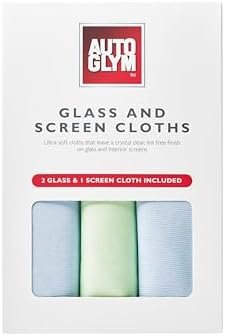
PFM Crinkle Glass
|
|
Check Latest Price | ||
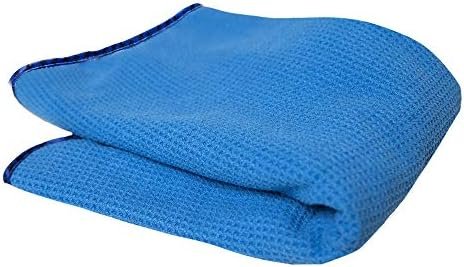
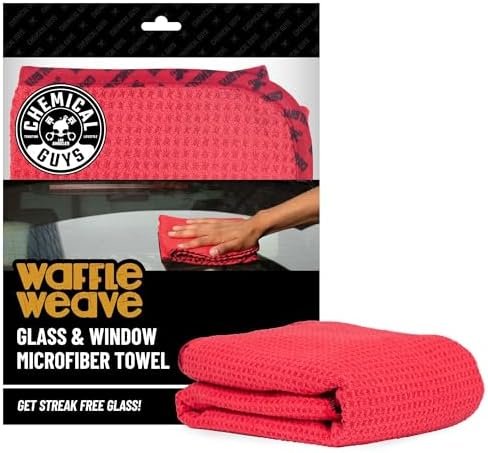
MIC707 Waffle Weave
|
|
Check Latest Price | ||
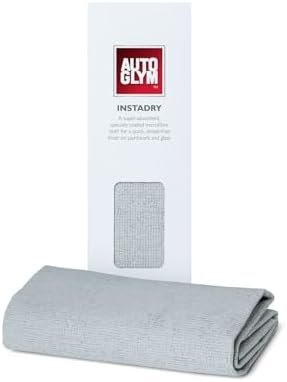
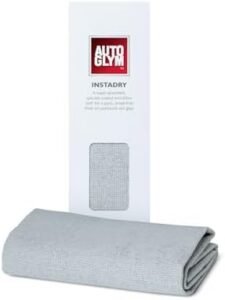
Instadry Microfibre Towel
|
|
Check Latest Price | ||
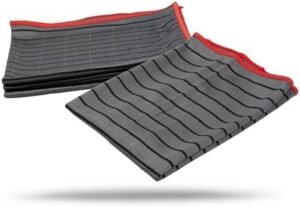
Carbon Fiber
|
|
Check Latest Price | ||
GlassFiber
|
|
Check Latest Price |
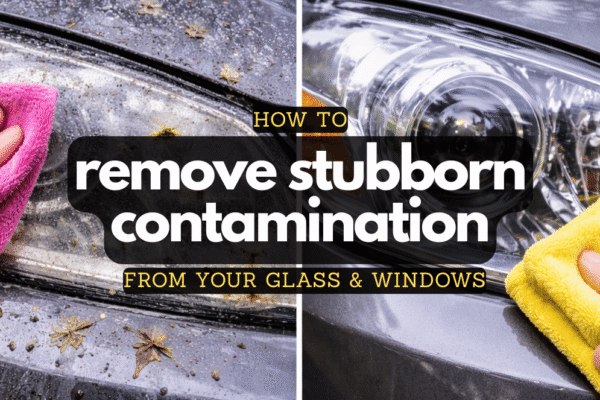
Glass cloths make a bigger difference than most people expect. Good glass cleaner helps, but the cloth often decides whether the finish ends up clear or streaky. Plush paint towels, old wash cloths, or general-purpose rags leave lint, smear residue, or just move contamination around. A proper glass cloth gives you better bite on the surface and a cleaner final wipe.
Specialist microfibres for smooth transparent surfaces, not general-purpose cloths that happen to work on glass.
Two weave styles, each suited to a different part of the glass cleaning process.
Most popular
The go-to option for most people. The tighter weave helps the cloth glide smoothly and lift residue without shedding lint, making it ideal for the finishing pass.
Best for finishing View productsFirst-pass bite
A waffle or textured weave improves bite on the surface and helps break up greasy traffic film or interior haze that a flat cloth might only move around.
Best for first pass View productsOne cloth for the initial wipe, one dry cloth for the finishing pass. This one habit eliminates most streaking.
Step 1 of 2
Apply your glass cleaner and use the first cloth to work it across the surface, picking up contamination and lifting the bulk of the product.
Wet clothStep 2 of 2
Take a clean, dry tight-weave cloth and buff the glass to a clear, streak-free finish. This is the pass that makes or breaks the result.
Dry clothMatch the cloth to the job, not the other way around.
Choose a tight-weave glass cloth. These are the safest bet if your main goal is leaving the glass perfectly clear with no haze or fibres left behind after the final pass, paired with a quality glass cleaner.
A cloth with a bit more bite can make life easier on the inside of the windscreen, where oils and film from interior plastics tend to build up most and resist easy removal.
It's worth owning at least two cloths so you can use one for the initial wipe and one for the dry finishing pass. This is one of the easiest ways to reduce streaking and improve results consistently.
Look for cloths that hold their structure after washing with microfibre detergent. Cheap glass cloths can work once or twice, then start smearing or linting as soon as they age through a few wash cycles.
Most streaking problems come from the cloth, not the cleaner.
Once a cloth has picked up wax, interior dressings, or general dirt, it usually becomes worse on glass. Dedicated glass cloths that never touch paint, plastic, or trim stay cleaner and perform more consistently over time.
A cloth can't fix over-application. Too much glass cleaner often causes the smearing that people blame on the cloth itself. Light application followed by a second dry cloth works far better than trying to buff away excess product.
If the cloth is already loaded with moisture or residue from the first pass, it tends to spread contamination rather than remove it. Swap to a dry side or a second cloth before doing the final buff.
This ruins their performance. Softener leaves residue in the fibres, which usually shows up immediately as streaking on glass. Always use a dedicated microfibre detergent and skip the conditioner drawer entirely.
Three habits that keep glass cloths performing wash after wash.
01
Keeping glass cloths away from wax-heavy or heavily soiled towels helps them stay effective for longer. Cross-contamination from other cloths is one of the most common reasons glass cloths gradually stop performing.
02
A dedicated microfibre detergent removes trapped residues without coating the fibres. It's one of the easiest ways to keep performance consistent wash after wash without damaging the weave structure.
03
Even good cloths don't last forever. If a cloth starts dragging, linting, or leaving haze despite clean glass and correct technique, it's time to demote it to dirtier jobs rather than keep battling with it on glass.
Click through to check today's price and availability from trusted retailers.
A dedicated tight-weave microfibre glass cloth is usually the best choice. It lifts residue cleanly and is much less likely to leave lint or streaks than a general-purpose towel.
Usually because the cloth is holding residue, is too plush for glass, or has been contaminated with other products like wax or interior dressing. Too much glass cleaner can make the problem worse as well.
You can, but the results are often worse. General microfibres may lint, drag, or smear on glass even if they work well on paint or plastics. Dedicated glass cloths are designed to finish cleaner.
Ideally, yes. Interior glass usually has more oily haze and dashboard film, whilst exterior glass deals with dirt, water marks, and traffic film. Separate cloths help stop residue being transferred between the two.
Wash them with microfibre-safe detergent, avoid fabric conditioner, and keep them away from heavily waxed or greasy towels where possible. Air drying or low heat is usually best for preserving the fibres.
Find the best UK detailing products across our range of categories.


Your independent guide to the best car detailing products in the UK.
Hundreds of car cleaning products, pulled from trusted UK retailers across every category - shampoos, sealants, interior, glass, tools and more.
Customer ratings, review volume, price-to-performance and editor testing notes feed the score. No brand payments, ever.
Total Car Clean is 100% reader-supported. We may earn a small commission from affiliate links, but we remain unbiased to help you find the best products.