




Best Glue and Adhesive Removers for Cars

15 products ready to shop 15 products Last checked Checked:

Top Glue & Adhesive Picks from the TCC Team

Product Our Rating Key Specs
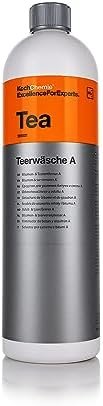
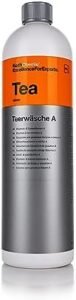
Tea Tar & Glue Remover
4.7

A solvent-based tar and bitumen remover designed to be effective but less aggressive than Eulex, making it safe on paint and exterior plastic surfaces with appropriate dwell time.

  • Solvent-based formula
  • Safe on plastic trim
  • Halogen-free chemistry
  • Daimler approved
Check Latest Price
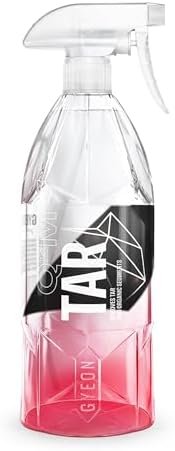
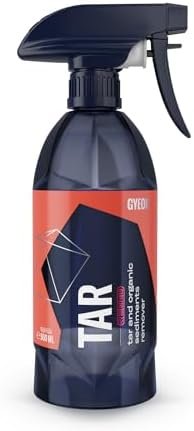
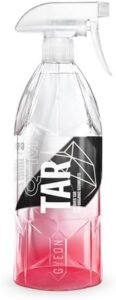
Q²M Tar
4.6

A pH-neutral tar remover that dissolves tar, asphalt, and organic contamination from paint, glass, and plastic trim without mechanical action.

  • pH-neutral formula
  • Safe on coated surfaces
  • Reduces need for claying
  • Paint, glass, and trim safe
Check Latest Price
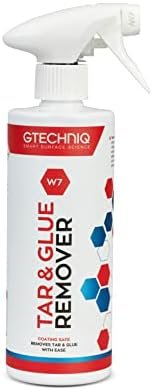
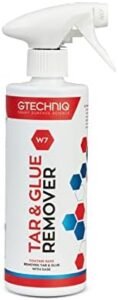
W7 Tar & Glue Remover
4.4

A full-strength solvent-based remover that eliminates tar and adhesive residues without compromising Gtechniq coatings or uncoated paintwork.

  • Full-strength solvent base
  • Coating-compatible formula
  • Tackles tar and adhesive
  • Not for PPF or vinyl
Check Latest Price
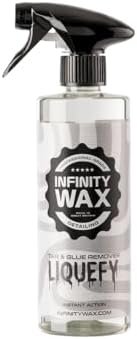
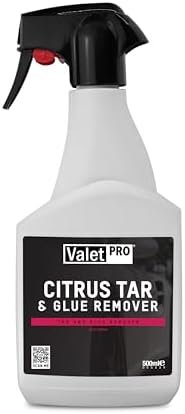
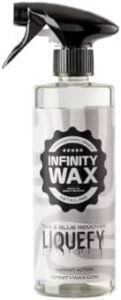
Liquefy Tar & Glue Remover
4.3

A full-strength solvent-based formula that rapidly dissolves stubborn tar, glue residue, and bitumen on contact from painted surfaces and glass without scrubbing.

  • Fast-acting solvent formula
  • Paint and glass safe
  • UK-made, pro-grade
  • Not for unpainted plastics
Check Latest Price
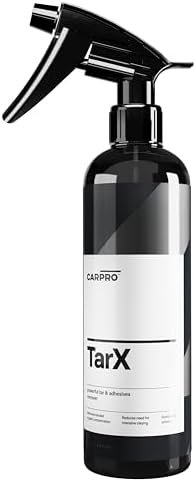
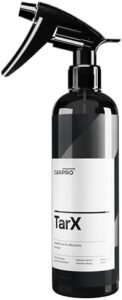
Tar X
4.5

A natural citrus solvent remover that lifts tar, asphalt, insects, adhesives, and traffic film with over 60% active ingredients and no harsh chemicals.

  • Natural citrus solvents
  • 60%+ active ingredients
  • Glow tracer for visibility
  • Bug and tar removal
Check Latest Price
#1 Best overall
Tea Tar & Glue Remover (Koch Chemie)
Tea Tar & Glue Remover
4.7
  • Solvent-based formula
  • Safe on plastic trim
  • Halogen-free chemistry
  • Daimler approved
#2 Top pick
Q²M Tar (Gyeon)
Q²M Tar
4.6
  • pH-neutral formula
  • Safe on coated surfaces
  • Reduces need for claying
  • Paint, glass, and trim safe
#3 Best value
W7 Tar & Glue Remover (Gtechniq)
W7 Tar & Glue Remover
4.4
  • Full-strength solvent base
  • Coating-compatible formula
  • Tackles tar and adhesive
  • Not for PPF or vinyl
#4 Daily driver
Liquefy Tar & Glue Remover (Infinity Wax)
Liquefy Tar & Glue Remover
4.3
  • Fast-acting solvent formula
  • Paint and glass safe
  • UK-made, pro-grade
  • Not for unpainted plastics
#5 Premium pick
Tar X (CarPro)
Tar X
4.5
  • Natural citrus solvents
  • 60%+ active ingredients
  • Glow tracer for visibility
  • Bug and tar removal
Glue & Adhesive Remover

Softening, Not Scraping.
Let the Product Do It.

Adhesive residue damages paint if removed incorrectly. Sticker glue hardens over time. Scraping causes scratches. From our experience, most damage comes from force, not the residue itself.

2 Product types covered
0 Blades or scrapers needed
Adhesive bond dissolved
Dwell time does the work

The Residue Is Not the Problem. The Removal Is.

Adhesive left on paint is unsightly but harmless. Removing it incorrectly is when damage happens.

🏷️

Adhesive Hardens Over Time

Sticker glue, badge adhesive, and other residues start soft but become significantly harder the longer they are left on paint. Hardened adhesive is harder to dissolve and creates more temptation to use force, which is where scratches come from.

⚠️

Scraping Is the Most Common Mistake

Going straight in with a blade or fingernail before softening the adhesive almost always leaves scratches. We regularly hear from people who damaged their paint this way. The solution is always the same: soften first, then wipe.

🧪

The Chemistry Does What Force Cannot

Adhesive removers break the bond between the residue and the paint surface. Once that bond is dissolved, the adhesive wipes away with no pressure. Trying to force it off without the chemistry is fighting the wrong battle entirely.

What Adhesive Removers Are (and Aren't)

A dissolving tool, not a scrubbing aid or a fix for damage already done.

✓ What they are

Chemical products that soften and dissolve sticky residues

Designed to dissolve sticker glue, badge adhesive, tar residue, and other sticky petroleum-based contamination
Require dwell time to work, the longer the residue has been on the surface, the more time the product needs
Safe for use on paint when applied correctly, wiped gently, and rinsed before drying
Available in solvent-based and citrus-based formulas to suit different surface types and contamination levels
✗ What they aren't

A fix for existing paint damage or a substitute for patience

They do not fix paint damage that has already occurred, scratches from previous scraping remain after the adhesive is gone
They do not work instantly, wiping too soon just smears residue rather than removing it
They are not a substitute for a gentle technique, the product does the dissolving, not pressure or rubbing
Not all formulas are safe on all surfaces, solvent-based products need care around rubber and plastics
💪

Make sure the product does the work, not your elbow. If you find yourself rubbing hard, the adhesive has not been softened enough yet. Apply more product, give it more time, and try again with light pressure. Forcing it is always the wrong move.

Two Formulas, Speed vs. Safety Around Trim

The difference is how fast they work and how careful you need to be around delicate surfaces.

Solvent-Based Removers

Fastest, strongest action
Strongest

Solvent-based removers offer strong action and faster results. They break down adhesive quickly, making them particularly useful for old, stubborn residue that has had time to harden. What stands out is how fast they work, but that same speed means they need rinsing promptly.

Fast action on old, hardened adhesive deposits
Effective on stubborn residue that citrus formulas struggle with
Minimal dwell time needed on fresh or light adhesive
Requires care around plastics and rubber trims
Prolonged contact can dull or discolour some surfaces

Best for aged or hardened sticker residue on paintwork. Test on an inconspicuous area first and rinse promptly once the adhesive has lifted.

🍋

Citrus-Based Removers

Safer for trims and badges
Gentler

Citrus-based formulas are gentler and take longer to work. They are safer for delicate areas like painted bumpers, badges, and trims. The general consensus is that they are less intimidating to use, especially for beginners, and the slower dwell time also reduces the risk of accidental damage.

Safer for use around badges, trims, and rubber seals
Lower risk of accidental surface damage during dwell time
More forgiving for less experienced users
Takes longer to dissolve heavier or older adhesive
May need repeated application on stubborn deposits

The safer everyday choice for adhesive removal near trims, badges, or painted plastic. Trade a little speed for significantly less risk around delicate areas.

The Adhesive and the Location Tell You Which to Use

Old and stubborn calls for solvent. Delicate areas and uncertainty call for citrus.

🏷️

For Old or Stubborn Stickers

Solvent-based products handle aged, hardened adhesive more effectively than citrus alternatives. The stronger chemistry dissolves the bond faster on residue that has been on paint for months or years. Test on an inconspicuous area first if you are unsure about surface compatibility.

→ Solvent-based adhesive remover
🎗️

For Delicate Areas or Painted Trim

Citrus-based options are the safer choice for painted surfaces, trims, rubber seals, or anywhere you are uncertain about material compatibility. Slower, but significantly less risk of dulling, discolouring, or damaging the surrounding area.

→ Citrus-based adhesive remover

Three Ways People Damage Paint Removing Adhesive

All three come down to the same thing: force where patience was needed.

🔪

Using Blades or Scrapers

Scraping adhesive off dry paint almost always leaves scratches. We regularly hear from people who wish they had softened the glue first rather than going straight in with a blade or fingernail. Soften first, always. Then the residue wipes away without any tools.

🌡️

Applying Heat Incorrectly

Heat guns and hairdryers can soften adhesive and make it easier to remove, but excessive heat can damage paint or warp plastic trim. If you use heat, keep it moving constantly and never hold it in one spot. A warm surface, not a hot one, is the goal.

Rushing the Process

Adhesive removers need dwell time to penetrate and soften the residue. Wiping too soon just smears the adhesive across a wider area rather than lifting it. Apply, wait until the residue looks visibly softened, and then wipe gently. Patience saves a lot of effort.

Two Steps to Close the Process Properly

The remover leaves an oily film and strips protection, both need to be addressed before you are done.

🫧

Wash the Area

Adhesive removers leave an oily film on the surface. Wash the treated area with car shampoo to remove any residue before moving on. Skipping this step can affect how protection bonds to the area and leave the surface feeling tacky.

🛡️

Reapply Protection

Like most chemical treatments, adhesive removers strip wax or sealant from the treated area. Once the surface is clean and dry, reapply protection to those spots so the paint is not left exposed while the rest of the car is covered.

Adhesive removal is about softening, not scraping. Let the product work, and the residue lifts cleanly.

Browse All Glue & Adhesive

Click through to check today's price and availability from trusted retailers.

Koch Chemie Tea Tar & Glue Remover 1L

Koch Chemie Tea Tar & Glue Remover 1L

4.4/5
Check latest price

FAQs

Yes, WD-40 can remove glue and adhesive residue from car paint. It works by breaking down the adhesive bonds, making the residue easier to wipe away. However, it’s not specifically formulated for automotive use, so it can leave an oily film that needs washing off afterwards. From our experience, dedicated adhesive removers work more effectively and don’t leave the same residue. If you use WD-40, spray it on, let it sit for a minute or two, then wipe clean with a microfibre cloth. Wash the area with car shampoo immediately after to remove the oily film.

No, WD-40 won’t damage car paint when used correctly. It’s safe for short-term contact with paintwork, but it’s not designed as an automotive product. The main issue is the oily residue it leaves behind, which can attract dirt and interfere with wax or sealant. If you use WD-40 on your car, don’t leave it on for extended periods and wash the area thoroughly afterwards. We’ve not seen it cause paint damage, but it’s not the ideal solution when there are products specifically designed for automotive use.

Yes, Goo Gone is effective at removing super glue and other adhesives from car paint. It’s designed to dissolve sticky residues without harsh scrubbing and is generally safe for painted surfaces when used as directed. Apply it to the affected area, let it sit for a few minutes to soften the glue, then wipe away gently. Always test on a small, hidden area first, especially on older or repainted surfaces. The main caution is with plastics and trims, some trim materials can react to the solvents in Goo Gone. From what we see in reviews, it works well on paintwork but needs more care on non-painted surfaces.

Adhesive removers designed for automotive use are the safest option. They contain solvents that break down the glue without affecting paint or plastics. Products like Goo Gone, or dedicated car adhesive removers work well on hardened residues. Some people use white spirit or isopropyl alcohol, but these can be harsher and may affect certain plastics or trims. We’d recommend sticking with a purpose-made adhesive remover, especially on painted surfaces. Apply it, let it soften the glue, then wipe clean.

It can, but it’s not the safest option. Rubbing alcohol (isopropyl alcohol) will soften super glue, but it can also affect certain plastics, trims, and even some paints if left on too long. Test it on a hidden area first if you’re going to use it. Dedicated adhesive removers are safer and more effective. They’re formulated to work on car surfaces without causing damage. From our experience, using the right product for the job reduces risk and gives better results with less effort.

Dedicated automotive adhesive removers are the safest choice. They're formulated to dissolve glue, tape residue, and sticker marks without harming paint, clear coat, or plastics. Apply the product to the affected area, let it sit for a few minutes to soften the bond, then wipe clean gently with a microfibre cloth. If the adhesive is particularly stubborn, reapply and wait longer rather than scrubbing harder. Avoid using scrapers, abrasive pads, or household cleaners that aren't designed for car surfaces. From our experience, patience and the correct solvent prevent damage far better than force. Once removed, wash the area with car shampoo to remove any residue.

Browse by Category

Find the best UK detailing products across our range of categories.

Our methodology

Your independent guide to the best car detailing products in the UK.

Step 01 · Sourcing

We start with every option

Hundreds of car cleaning products, pulled from trusted UK retailers across every category - shampoos, sealants, interior, glass, tools and more.

Step 02 · Scoring

Ranked by real-world signals

Customer ratings, review volume, price-to-performance and editor testing notes feed the score. No brand payments, ever.

Step 03 · Freshness

We keep it fresh and clean

Total Car Clean is 100% reader-supported. We may earn a small commission from affiliate links, but we remain unbiased to help you find the best products.

Independent No paid rankings UK-focused