
Best Car Dryers and Blowers
Browse All Dryers & Blowers
Click through to check today's price and availability from trusted retailers.
- All brands
- ATEngeus
- BigBoi
- Blo
- Clevast
- Generic
- Novora
- Pararose
- Ryobi
- Sailhapi
- Wolfbox
- Rating: High to Low
- Rating: Low to High
- Title: A → Z
- Title: Z → A
Contactless Drying
Touch-Free Drying. Zero Towel Marks.
Every time a towel contacts paint, it carries a swirl risk, even when you use the softest microfibre dragged across a wet panel that still carries grit the rinse did not fully remove. Car dryers and blowers remove water without touching the surface. Filtered forced air displaces water from panel gaps, mirrors, door handles, badges, and trim recesses that towels cannot reach, producing a spot-free finish from areas that cause water marks if left to drip-dry.
4
Machine types
0
Paint contact
CFM
Key metric
Warm
or cold air
How It Works
How Dryers and Blowers Reduce Contact Risk
Why forced air outperforms towels on panels, gaps, and coated paintwork
Car dryers use an electric motor to produce a high-volume airflow directed through a nozzle. The air physically moves water off the panel surface and out of recessed areas. Dedicated car dryers filter the incoming air to remove dust and particles before it reaches the paint, and many models warm the air slightly to accelerate evaporation. The result is a contactless drying pass that removes the bulk of water without the swirl risk that towel contact introduces even on a clean panel.
The key specification for a dryer is CFM (cubic feet per minute), which measures volume of air moved rather than just speed. A high CFM figure moves large amounts of water across the panel quickly. Speed at the nozzle (measured in MPH or km/h) determines how well the unit clears water from recessed areas like door handle backs, mirror housings, badge surrounds, and door seal channels. The combination of volume and speed determines how effective the dryer is in practice.
Water left in panel gaps and trim recesses is the primary cause of water marks on a car that appears dry. Gaps around badges, number plate surrounds, aerial bases, mirror joints, and door handles hold water that drips onto panels minutes after towel drying is complete. A blower pass over these areas before or alongside towel drying eliminates the slow drip that re-marks a freshly dried panel. On cars with ceramic coating or paint protection film where water beads heavily and rolls easily, a dryer pass alone is often sufficient without any towel contact at all.
Is and Isn't
What Car Dryers and Blowers Do (and Don't Do)
A tool for eliminating contact risk and clearing trapped water, not a full replacement for every drying task
A car dryer or blower IS...
- Remove water from panel gaps, badge surrounds, mirrors, door handles, and trim recesses that towels cannot reach
- Dry paintwork without physical contact, eliminating the swirl and scratch risk that even soft towels introduce
- Speed up the drying process significantly compared to towel drying a full vehicle alone
- Effective on ceramic-coated or PPF-covered cars where strong beading makes blower-only drying practical
- Useful for blowing water from engine bays, wheel arches, and undercarriage after washing
A car dryer or blower ISN'T...
- A replacement for a drying towel on uncoated paintwork where water sheets rather than beads
- Safe to aim directly at delicate trim features for extended periods at maximum output
- Effective at removing water spots that have already dried onto the surface, those require a water spot remover
- Suitable for paint that has not been properly rinsed, blowing dirty water across a panel scratches paint
- A cleaning tool, it removes water, not contamination
Machine Types
Four Types of Car Dryer and Blower
Matched to your paint protection level, vehicle type, and how much of your drying process you want to be contactless
Type 01
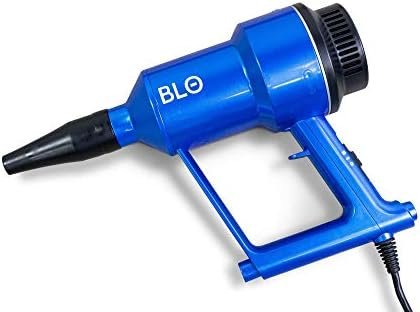
Dedicated Car Dryers
Filtered, temperature-controlled airflow built specifically for paint-safe contactless drying
Most popular
- Filtered intake removes dust and particles from the airstream before it contacts the paint surface
- Adjustable temperature settings allow warm air to speed evaporation without stressing lacquer or coatings
- Quieter operation than general-purpose blowers, which matters for extended drying sessions
- Designed for sustained use at car-wash intervals with motor cooling that prevents overheating
The filter is the defining difference between a dedicated car dryer and a repurposed general blower. Unfiltered air carries particles that scratch wet paint. If air quality and paint protection are priorities, a filtered car dryer is the only reliable option.
Type 02
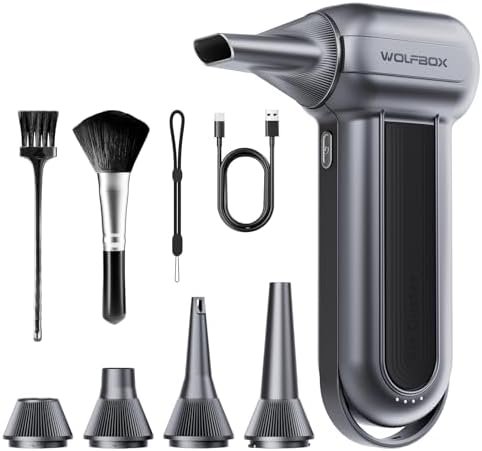
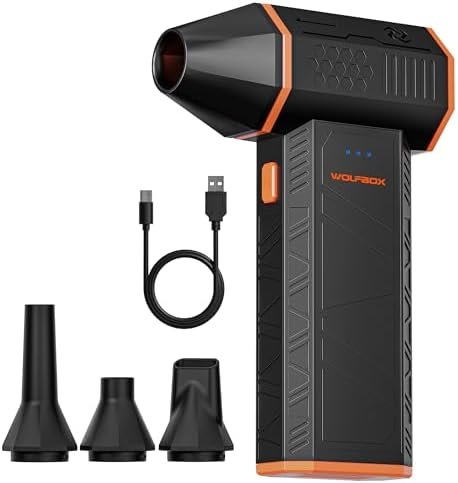
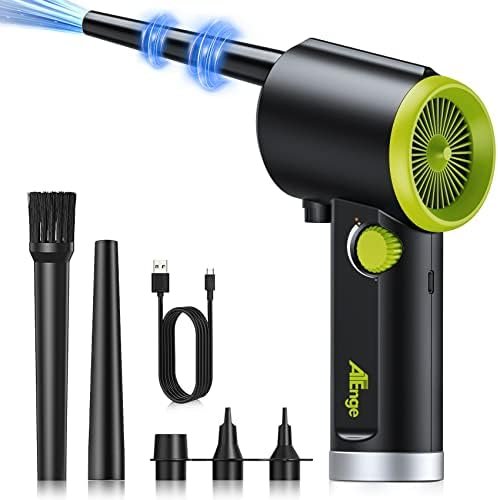
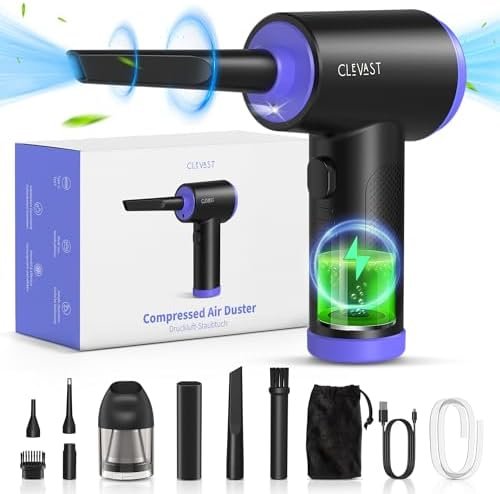
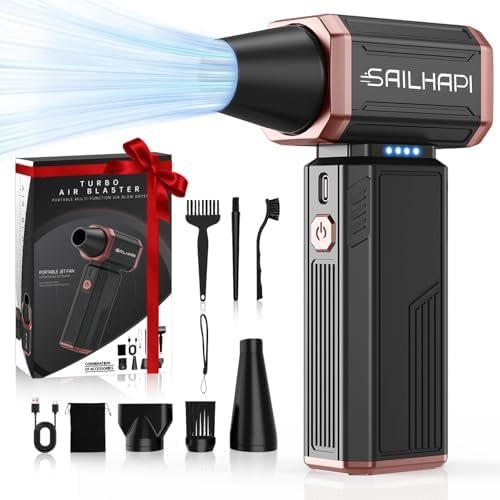
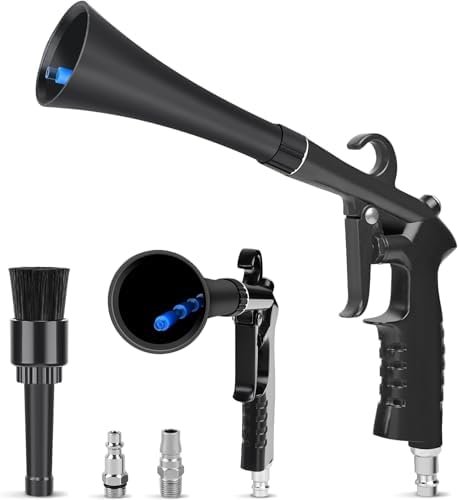
Compressed Air Dusters
High-pressure spot drying for badges, vents, mirrors, and trim details, not full panel coverage
Best for details
- Very high pressure at a narrow nozzle blasts water from badge edges, trim gaps, and tight panel junctions
- Compact and portable, easier to manoeuvre into tight areas than a full-size dryer
- Used alongside a drying towel for the overall panel and targeted at specific areas where water traps
- Cordless models run on battery power, removing the cable from around a freshly washed car
Compressed air dusters are best used for finishing rather than primary drying. The nozzle area is too narrow for efficient full-panel coverage, but no other tool matches them for clearing water from a mirror housing back or from around a bonnet badge.
Type 03
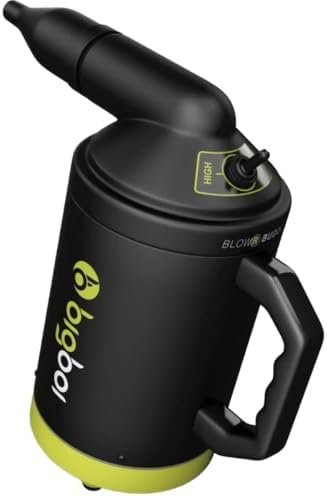
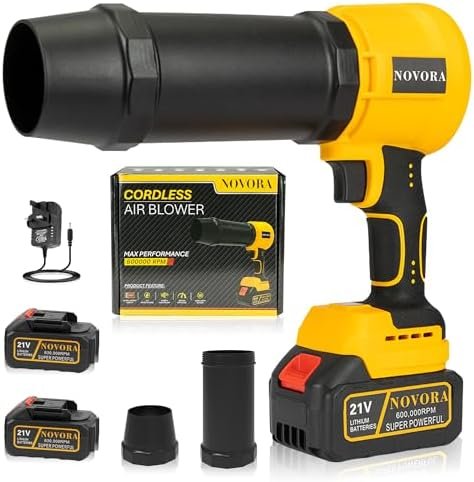
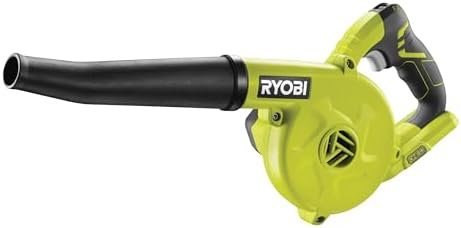
General Purpose and Leaf Blowers
High CFM budget option, wide coverage at the cost of filtration and noise
Budget option
- Consumer leaf blowers move very high volumes of air and are available at a fraction of dedicated dryer prices
- Useful for quickly displacing water from large flat surfaces before a final towel pass
- Cordless models avoid cable management issues during exterior drying
- Higher noise output than dedicated car dryers, which matters in residential areas or early morning washes
General blowers do not filter incoming air. Using them on freshly washed paint carries a genuine risk of particle contamination in the airstream. The risk is lower in a clean garage environment than outdoors, but a dedicated filtered dryer eliminates it entirely.
Type 04
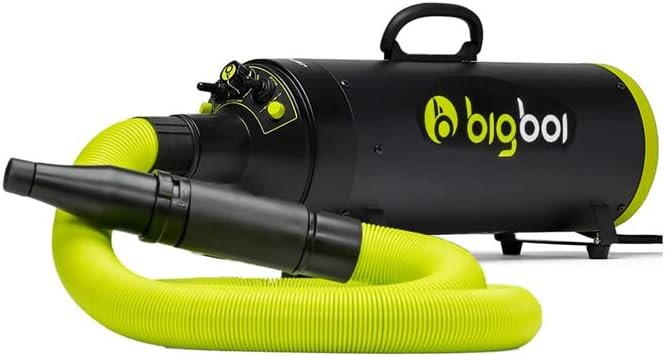
Professional High-CFM Detailing Dryers
Maximum airflow and temperature range for professional multi-vehicle use
Best for detailers
- Very high CFM output enables full car drying passes in significantly less time than consumer units
- Wide temperature range from cold to hot allows adaptation for ceramic coatings, PPF, and vinyl wraps
- Built for continuous professional use with heavy-duty motors and replaceable filtration systems
- Some models include slot nozzles for panel-width drying passes and detail nozzles for badge and trim work
Professional dryers are a significant investment justified by throughput. For home detailers washing one or two cars regularly, a quality mid-range dedicated car dryer delivers most of the practical benefit at a fraction of the professional price point.
Drying Method Comparison
Contact Drying vs Forced Air vs Blower Only
Three approaches to drying a washed car, and when each one makes sense
Contact
Microfibre Towel Drying
The traditional method. A large waffle-weave or plush drying towel is laid or dragged across wet panels to absorb water. Effective at removing surface water on uncoated paint, but every contact carries swirl risk and towels cannot reach trapped water in gaps.
Paint contact
High
Gap clearance
None
Speed
Moderate
Cost
Lowest
- No power required
- Effective on sheet water on uncoated paint
- Good for final buffing and finishing
Does not clear trapped water from gaps and badges. Water marks from drip-back are common unless followed by a blower pass on problem areas.
Forced Air
You are here
Dedicated Car Dryer
Filtered, temperature-controlled air removes water without contact. Clears panel gaps, badges, mirrors, and trim recesses that towels miss. The most complete drying method for coated paint, where strong beading makes a full no-contact dry achievable in a single pass.
Paint contact
None
Gap clearance
Full
Speed
Fast
Cost
Mid to high
- Zero swirl risk on the drying pass
- Clears all gap and recess water sources
- Fastest overall finish on coated paint
- Works alongside or instead of a towel
Requires a power source and some investment in equipment. On uncoated paint where water sheets rather than beads, a brief final towel pass may still be needed after the blower pass.
Blower
Leaf Blower or Air Duster
A general blower or cordless air duster used in place of or alongside a dryer. High volume moves water efficiently and clears gaps. The trade-off is unfiltered air carrying particles onto wet paint, and less control over temperature or airflow direction versus a dedicated unit.
Paint contact
None
Gap clearance
Good
Speed
Fast
Cost
Low
- High CFM at low cost
- Cordless models are very portable
- Good for gap clearing alongside towel use
Unfiltered air is the key risk. Most effective in a clean garage rather than outdoors. Not the recommended approach on freshly decontaminated or coated paint where introducing particles defeats the purpose of careful washing.
The combined approach that most detailers use: a blower pass first over the whole car to displace the bulk of water and clear all gaps and badges, followed by a single light drying towel pass on any remaining surface moisture. On ceramic-coated or PPF-covered vehicles, the blower pass alone is often sufficient with no towel needed. Pairing that sequence with drying aids on bare paint reduces friction when you do need a towel. This routine is faster than towel-only drying, produces fewer marks, and eliminates the gap drip-back problem that causes water spots on otherwise clean panels.
Choosing the Right Dryer
How to Choose a Car Dryer or Blower
Paint protection level, wash frequency, and how much contact risk you want to eliminate
Consider 01
Is Your Paint Coated, Protected, or Bare?
On ceramic-coated or PPF-covered paintwork, water beads strongly and a high-CFM dryer alone can achieve a full dry with zero towel contact. On bare or lightly protected paint, water sheets across the surface and a dryer pass may need to be followed by a brief towel pass. Knowing your paint's water behaviour determines how much you can rely on the dryer alone.
Consider 02
How Important Is Air Filtration to You?
A filtered dedicated car dryer removes particles from the airstream before they reach the paint. A general blower does not. If you wash in a clean enclosed garage with very little airborne dust, the practical risk of unfiltered air is low. If you wash outdoors, the risk is higher. For anyone with coated paint or who has invested in paint correction work, a filtered unit is the correct choice.
Consider 03
Do You Need Heat?
Warm air evaporates remaining water more effectively than cold, particularly on textured trim and rubber seals where cool air moves the water but leaves a surface film. Dedicated car dryers with temperature settings handle this well. In colder climates or during winter washes, warm air also prevents water freezing in panel gaps before the drying pass is complete.
Consider 04
Will You Also Dry Engine Bays and Wheel Arches?
A general-purpose blower with flexible extension tubes is more useful for engine bay drying and directing air into wheel arches than a car dryer with a fixed nozzle. If you regularly wash engine bays, undercarriages, or do full detail washes that include areas beyond the exterior panels, flexibility in nozzle direction and extension length becomes a meaningful consideration.
The Starting Point for Most Detailers
A mid-range dedicated filtered car dryer handles the exterior of one or two cars at home very effectively. Pair it with a quality drying towel for any residual surface moisture and you have removed the highest-risk contact from your wash process. If budget is a genuine constraint, a cordless leaf blower used carefully in a clean garage environment is a meaningful step up from towel-only drying for clearing gap water, even without filtration. Add a targeted air duster for badge, mirror, and trim detail work regardless of which primary dryer you choose.
Common Mistakes
Drying Mistakes That Leave Marks or Scratch Paint
Most problems come from blowing dirty water across the surface, incorrect distance, or skipping the gap-clearing step
Mistake 01
Blowing Dirt Across Wet Paint
If the car has not been fully rinsed before drying, water carrying road grime and product residue is being moved across the surface by the airflow. This scratches paint in the same way that wiping a dirty panel does. A thorough final rinse to remove all product and loose contamination before the drying pass is not optional, it is the step that makes contactless drying safe.
Mistake 02
Using the Dryer Too Close to the Surface
High-pressure air very close to the paint forces water under panel edges and into joints rather than away from them, and on softer or worn lacquer the pressure can lift clear coat edges. General guidance is to maintain a distance of 20 to 30 centimetres from the panel surface. For gap clearing, a brief close pass with reduced speed is more effective than sustained high-pressure at close range.
Mistake 03
Skipping the Gap and Badge Pass
Drying all the flat panels and calling the car dry, only for water to drip from a mirror housing or badge surround onto a just-dried bonnet five minutes later, is the most common drying frustration. The gap clearing pass is what separates a dryer from a towel in terms of the final result. Direct the nozzle across every badge, mirror joint, door handle, aerial base, and number plate surround before moving on to panel drying.
Mistake 04
Not Checking the Air Filter
Dirty filters on dedicated car dryers reduce airflow volume, which increases the time needed to complete a drying pass, and eventually allow particles through into the airstream. A quick visual check and clean of the intake filter before each use takes seconds and maintains both the protection the filter provides and the dryer's efficiency. Most filters are foam or mesh and rinse clean easily.
The mistake that costs the most: expecting a dryer to replace drying towels on all paint types
Air drying is highly effective on ceramic-coated or heavily protected paintwork where strong beading and sheeting allow complete water displacement without residue. On bare or lightly waxed paint where water lies flat against the surface, a blower pass moves most of the water but frequently leaves a surface film that needs a towel pass to finish. Judging the right combination for your specific paint type and protection level, rather than assuming one approach works universally, is what produces a consistent spot-free result every time.
After Drying
What to Do After the Drying Pass
Steps that protect the finish and maintain both the car and the equipment
01
Inspect for Missed Water
Check mirrors, door handles, and seams with the car in good light before moving on. Water trapped in these areas will run down onto clean panels later and leave marks. A quick pass with the dryer or an air duster over any remaining wet areas takes seconds and prevents the frustration of water spots appearing on a panel you just dried carefully.
02
Wipe Any Remaining Droplets
If water droplets remain on certain spots after the blower pass, a light touch with a microfibre drying towel removes them safely. The drying towel used after a blower requires far less contact and pressure than a towel-only dry, which dramatically reduces the risk of any marks. Add a drying aid to the towel for the smoothest possible final pass on uncoated paint.
03
Store the Dryer Properly
Keep it in a clean area where the intake filter does not collect dust between sessions. If the dryer has been used on a wet engine bay or wheel arches, allow it to cool fully before storage. Check that the filter is dry before closing any storage bag or case. A filter stored damp encourages mould growth that then enters the airstream during the next use.
FAQs
Is a car blower worth it?
If you care about reducing swirl marks and making drying faster, yes. Blowers remove water without touching the paint, which eliminates the main cause of marring during the drying stage. They’re particularly effective at clearing water from seams, badges, mirrors, and door shuts, areas where towels either miss the water entirely or push it deeper into gaps. From our experience, the difference is most noticeable on soft or freshly corrected paintwork where every bit of contact shows. The value depends on how much you care about the finish. For someone washing a work van weekly, a blower is probably unnecessary. For someone maintaining a car with ceramic coating or regular polishing, it’s one of the safest investments you can make. We regularly see people who were skeptical about blowers change their mind after using one properly, the time saved and reduction in towel contact makes it hard to go back.
Do car blower dryers scratch the car?
Not if used correctly. The air itself doesn’t scratch paint, the risk comes from blowing loose dirt across the surface or using the nozzle too close, which can force debris into the clear coat. If the car’s been washed properly and loose contamination has been rinsed off, air drying is safer than towel drying because there’s no physical contact. We’ve found that keeping a sensible distance, around 30 to 40 cm, and using controlled sweeping movements prevents any issues. Filtered car dryers are safer than general blowers because they reduce the risk of dust getting blown onto wet paint. General leaf blowers or workshop air movers can work, but only if the air intake is clean and you’re careful about pressure. The main cause of scratching with blowers isn’t the tool itself, it’s poor washing technique beforehand or blowing dirt that’s still on the surface.
Can I just air dry my car?
You can, but it leaves water spots. When water evaporates naturally, the minerals and contaminants in it stay behind and etch into the paint, especially in hard water areas. Those spots are stubborn to remove and build up over time, dulling the finish. From our experience, air drying only works if you’re using purified or distilled water for the final rinse, which most people don’t. The other issue is water hiding in seams and gaps. If you don’t remove it properly, it drips down onto clean panels hours later, leaving streaks and requiring another wipe-down. Using a blower or drying towel takes an extra few minutes but prevents the problems that air drying creates. It’s not about convenience, it’s about protecting the work you’ve just done washing the car.
Are car drying towels worth it?
Yes, but only if they’re proper microfibre drying towels, not general household towels. Car-specific drying towels are designed to absorb far more water and release dirt more easily when rinsed. A good drying towel can hold six to eight times its weight in water, which means you’re soaking up moisture rather than pushing it around the surface. We’ve found that switching from old bath towels to proper microfibre towels makes an immediate difference in both speed and finish quality. The key is absorbency and softness. Cheap or worn-out towels don’t hold water properly, which forces you to press harder or make multiple passes, increasing the risk of marring. Quality drying towels let you pat or gently glide across the surface with minimal pressure. If you’re serious about reducing swirl marks, a good drying towel is as important as the wash mitt you use.
Is it okay to use a blower on a car?
Yes, as long as you’re using it for drying, not for blowing debris out of the interior. Blowing water off paintwork is safe and effective when the car’s been washed properly. The filtered air from a dedicated car dryer or clean air from a leaf blower removes water without contact, which is one of the safest drying methods available. We regularly see professional detailers use blowers as part of their standard process. Never use a blower inside the car to blow dirt out instead of vacuuming. That just spreads contamination around the cabin and embeds it into fabrics and trim. Blowers are for removing water from exterior surfaces after washing, not for replacing vacuums or cleaning tools. Used correctly on clean, wet paintwork, they’re perfectly fine and reduce drying time significantly.
What are the cons of using a blower for car drying?
The main downside is control, especially with high-powered general blowers. Smaller users or those unfamiliar with the tool can struggle to manage the airflow, which leads to erratic movements or getting too close to the paint. That increases the risk of forcing debris into the finish or damaging delicate trim like aerials and grilles. From our experience, dedicated car dryers with lower, controlled output are easier to handle than repurposed leaf blowers. Cost is another factor. Quality car dryers aren't cheap, and while general blowers cost less, they come with higher contamination risk due to poor or absent filtration. Some water also clings stubbornly to horizontal panels even after blowing, which means you still need a microfibre towel for a final wipe. Blowers don't replace towels entirely, they reduce the amount of contact needed, which is still valuable but not the complete solution some people expect.
How to quickly dry your car?
Start with a blower if you have one, working from top to bottom to push water off the car and out of gaps. Focus on seams, badges, mirrors, and door shuts where water hides. Then use a large, absorbent microfibre drying towel to soak up any remaining water on horizontal surfaces. Pat or glide the towel gently rather than rubbing, letting the absorbency do the work. We've found this combination is faster and safer than using towels alone. If you don't have a blower, use the biggest, most absorbent drying towel you can find and work quickly while the water's still wet. Dry in straight lines rather than circles, and flip or wring out the towel frequently to maintain absorbency. Working in the shade or on a cool day helps because water doesn't evaporate as quickly, giving you more time before spots form. Speed matters, but technique matters more, rushing with the wrong tools just causes problems.
Related Insights and Articles
How to Apply Glass Sealant: Step-by-Step Application and Buffing Guide

How to Prepare Car Glass for Sealant Application
How to Remove Stubborn Contamination from Windows & Glass (Tar, Sap, and Bugs)
How to Clean Your Interior Glass Without Damaging Your Dashboard
How to Clean Car Glass Without Streaks: The Right Cloths and Technique
Browse by Category
Find the best UK detailing products across our range of categories.


