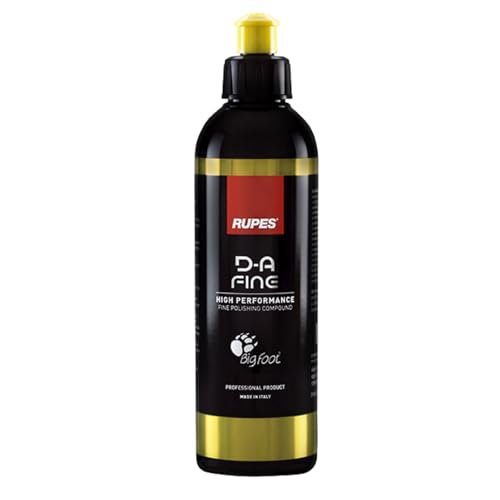
🔍 Improves clarity
Removes haze, oxidation and fine defects that mute reflection and depth.

Click through to check today's price and availability from trusted retailers.
Paint correction is controlled defect removal. The right stage and tool choice improves clarity and depth without removing unnecessary clearcoat.
Removes haze, oxidation and fine defects that mute reflection and depth.
Matched compound/polish combinations refine paint without unnecessary aggression.
Refined paint is the best base for wax, sealant and ceramic protection.
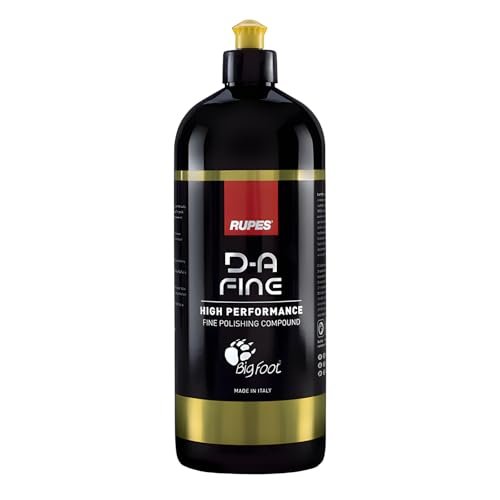
Refine gloss, improve clarity and remove lighter marring after heavier correction.
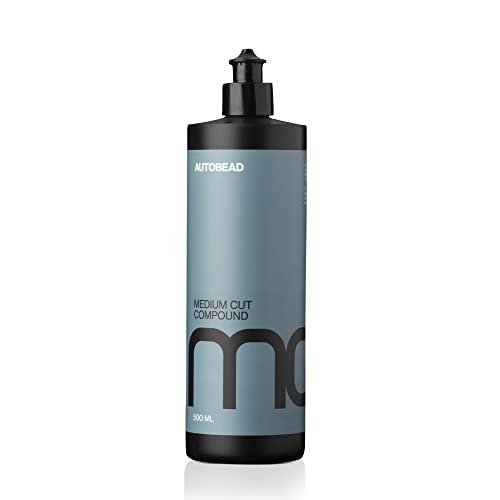
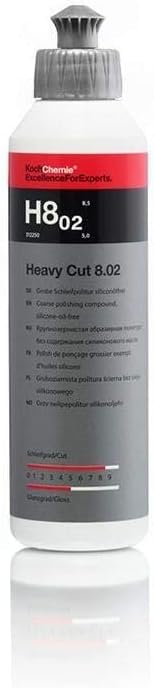
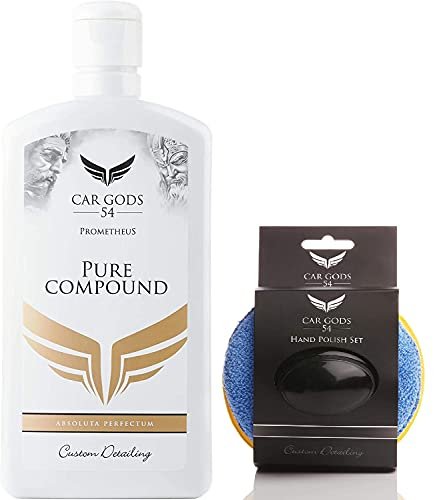
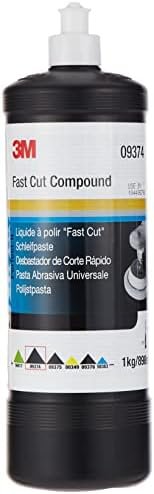
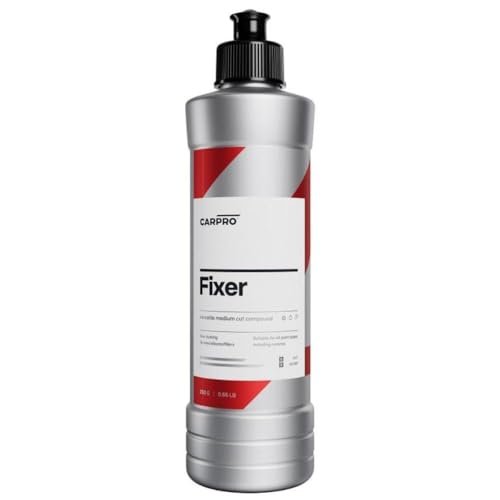
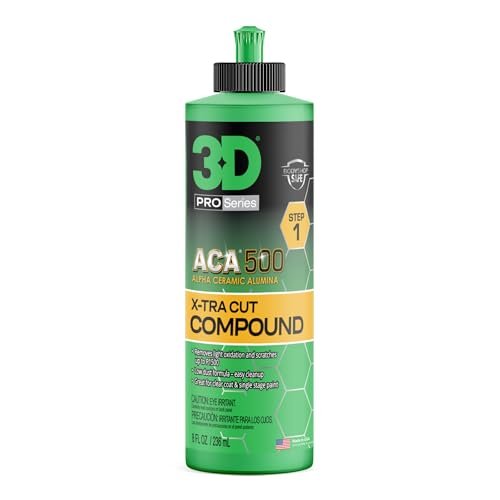
View all PolishesHigher cut products for heavier defects before a refining polish stage.
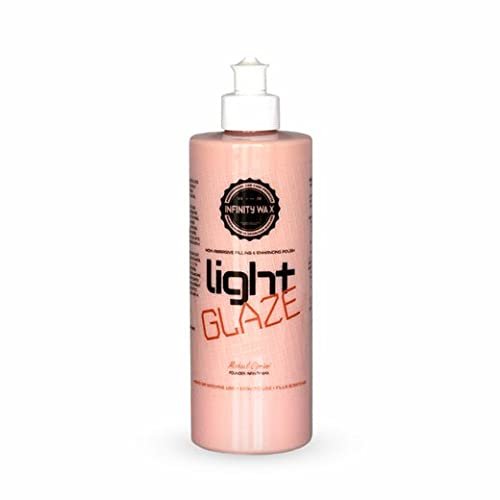
View all CompoundsVisually fills and boosts depth before your final protection layer.
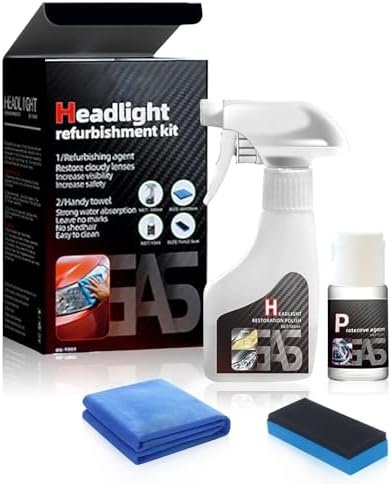
View all GlazeSpecialized abrasive/finishing flow for oxidized and hazy polycarbonate lenses.
View all Headlight RestoreFocused correction products for localized defects and paint transfer marks.
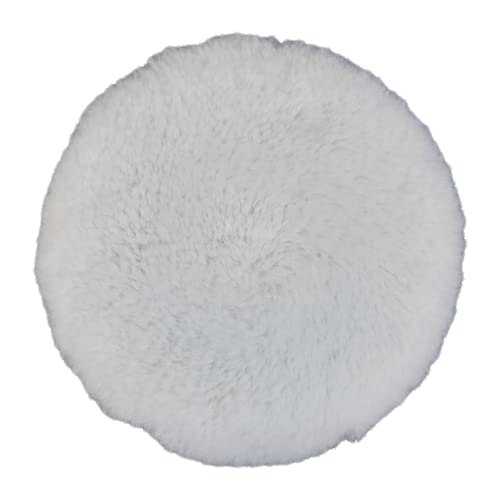
View all Scratch FixUse with suitable polishers, clean pads and measured passes for consistency.
View all Correction| Stage | Main target | Typical order | Cut level |
|---|---|---|---|
| Compounds | Heavier defects | First correction pass | High |
| Polishes | Haze and light swirls | After compound / standalone | Medium to low |
| Glaze | Depth and wet-look finish | Before protection | Very low |
| Headlight Restore | Lens oxidation | Dedicated lens workflow | Variable |
| Scratch Fix | Localized marks | Spot correction stage | Variable |
Start with a refining polish and reassess before increasing cut.
Use a measured compound stage, then refine with polish.
Add a glaze stage after correction and before final protection.
Use a dedicated headlight restore workflow, not standard paint polish alone.
Start mild and step up only if needed; unnecessary cut removes clearcoat without benefit.
Maintenance of pads and applicators affects finish quality and temperature control more than most users expect.
Unremoved oils can mask defects and mislead your correction result.
Freshly corrected paint should be locked with protection promptly.
Do not mix heavy-cut and finishing pads; label and store them by stage.
Wipe tools and bottles after each session to prevent dried compound contamination.
Frequent aggressive correction is unnecessary — maintain with safe wash and top-ups instead.
Compounds contain more abrasive particles for heavy defect removal, while polishes are finer and used for refining the finish.
Hand polishing is possible but time-consuming and less effective. A dual-action polisher is highly recommended for better results.
Only when needed to remove defects. Over-polishing removes clear coat. Aim for every 1-2 years or when defects become noticeable.
Yes, polishing removes defects and ensures a perfect surface for coating application. Skipping this step can lock in imperfections.
Find the best UK detailing products across our range of categories.


Your independent guide to the best car detailing products in the UK.
Hundreds of car cleaning products, pulled from trusted UK retailers across every category - shampoos, sealants, interior, glass, tools and more.
Customer ratings, review volume, price-to-performance and editor testing notes feed the score. No brand payments, ever.
Total Car Clean is 100% reader-supported. We may earn a small commission from affiliate links, but we remain unbiased to help you find the best products.