




Best Wheel Cleaners for Alloy Wheels

25 products ready to shop 25 products Last checked Checked:

Top Wheel Cleaners Picks from the TCC Team

Product Our Rating Key Specs
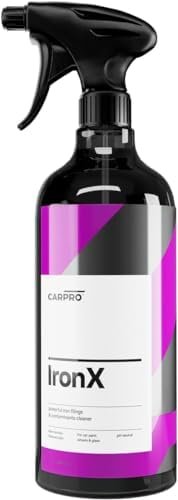
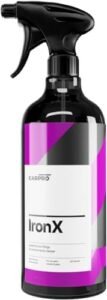
IronX
4.7

An acid-free, pH-balanced iron remover that dissolves sintered brake dust and ferrous particles on wheels and paint, turning purple on contact.

  • Acid-free pH-neutral formula
  • Colour-change reaction indicator
  • Safe on all wheel types
  • Paint and wheel safe
Check Latest Price
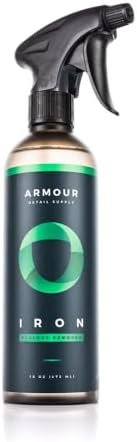
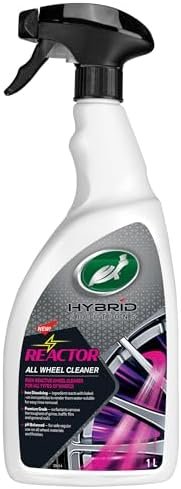
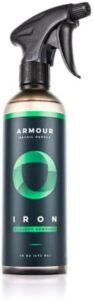
Iron
4.5

A pH-neutral wheel cleaner combining degreasers, surfactants, and ferrous metal dissolvers with a high-cling formula for longer dwell time on all coated finishes.

  • pH-neutral colour-change formula
  • High-cling viscous foam
  • Removes iron and brake dust
  • Safe on all finishes
Check Latest Price
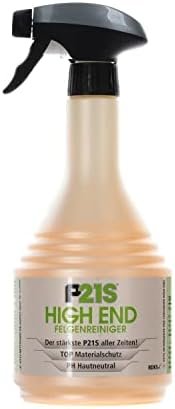
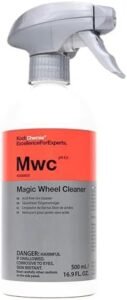
Mwc
4.6

A powerful, viscous, acid-free rim cleaner with reactive iron-dissolving agents and special dispersing agents that cling to the surface and won't dry out during extended dwell time.

  • Viscous — won't dry out
  • Reactive colour-change indicator
  • Acid-free formula
  • Alloy, chrome, and steel safe
Check Latest Price
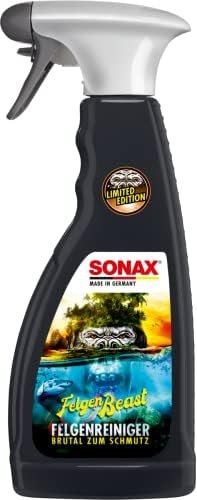
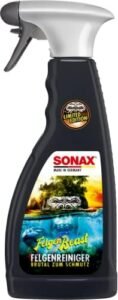
Felgenbeast
4.5

An acid-free wheel cleaner with a colour-change activity indicator that works on all rim types including steel, alloy, painted, chrome, polished, and matte finishes without attacking bolts.

  • Acid-free pH-balanced
  • Colour-change indicator
  • TPMS compatible
  • All rim types safe
Check Latest Price
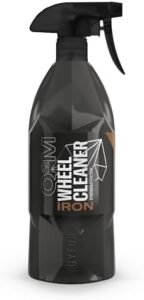
Q²M Iron Wheel Cleaner
4.5

A gel-based wheel cleaner combining brake dust removal with ferrous iron dissolution, clinging firmly to the surface and safe on all coated and uncoated wheel finishes.

  • Gel formula — high cling
  • Iron and brake dust removal
  • Coated and uncoated safe
  • Safe on brake calipers
Check Latest Price
#1 Best overall
IronX (CarPro)
IronX
4.7
  • Acid-free pH-neutral formula
  • Colour-change reaction indicator
  • Safe on all wheel types
  • Paint and wheel safe
#2 Top pick
Iron (Armour Detail Supply)
Iron
4.5
  • pH-neutral colour-change formula
  • High-cling viscous foam
  • Removes iron and brake dust
  • Safe on all finishes
#3 Best value
Mwc (Koch Chemie)
Mwc
4.6
  • Viscous — won't dry out
  • Reactive colour-change indicator
  • Acid-free formula
  • Alloy, chrome, and steel safe
#4 Daily driver
Felgenbeast (SONAX)
Felgenbeast
4.5
  • Acid-free pH-balanced
  • Colour-change indicator
  • TPMS compatible
  • All rim types safe
#5 Premium pick
Q²M Iron Wheel Cleaner (Gyeon)
Q²M Iron Wheel Cleaner
4.5
  • Gel formula — high cling
  • Iron and brake dust removal
  • Coated and uncoated safe
  • Safe on brake calipers

Break Down Brake Dust. Protect the Finish.

Wheels collect the harshest contamination on your car. Brake dust bonds aggressively, road grime bakes on, and general shampoo won’t shift it. From our experience, most wheel damage comes from poor cleaner choice or scrubbing too hard, not from the dirt itself.

2cleaner types
Acidfree for regular use
Shadealways clean out of sun
Rinsewithin a few minutes

What Wheel Cleaners Are (and Aren't)

Targeted formulas for wheel-specific contamination, not general-purpose car shampoos.

✓ What they are

  • Formulas designed specifically to break down brake dust and road grime without excessive scrubbing. They're stronger than regular shampoo and targeted in how they clean wheel surfaces
  • Available as acid-free products that use surfactants and alkaline chemistry for safe routine cleaning, and acidic products that dissolve bonded contamination more aggressively for occasional deep cleans
  • Finish-sensitive products that reward checking the label before use. Different wheel finishes respond differently to cleaners, and using the wrong type can do lasting damage
  • A foundation for long-term wheel protection. Clean wheels accept alloy sealants and coatings more effectively, which makes the next clean easier

✗ What they aren't

  • A fix for corroded or physically damaged wheels. If the finish is already compromised, a cleaner just reveals what's underneath. It won't restore damaged lacquer or pitting
  • Interchangeable with car shampoo for wheel cleaning. Regular shampoo lacks the chemistry needed to break down iron particles from brake dust, which bond to the surface rather than sitting on top
  • Safe to use on all finishes without checking first. Acidic cleaners especially can etch powder coating, damage chrome, and harm surrounding trim if not rinsed properly
  • Something that can substitute for proper technique. Letting any cleaner dry on hot wheels, or scrubbing with stiff brushes, causes more damage than the contamination itself

Wheel Cleaner Types

Two distinct approaches with very different risk profiles and use cases.

Regular use

Acid-Free Wheel Cleaners

Rely on surfactants and alkaline chemistry to loosen contamination rather than dissolving it aggressively. Safer for most wheel finishes and ideal for routine maintenance.

Start here View products
  • Safe for most wheel finishes including powder coat, chrome, and alloy
  • Effective for light to moderate brake dust without degrading delicate finishes
  • Works best applied to a cool wheel with a few minutes of dwell time
  • Ideal for weekly or fortnightly cleaning as part of a regular wash routine
  • On heavily soiled wheels, may need longer dwell time or a second application
If you're unsure which type to use, start here. Acid-free cleaners are effective for most situations and won't cause lasting damage if you miss the rinse window.

Occasional use only

Acidic Wheel Cleaners

Stronger and faster. Dissolve brake dust and bonded contamination more effectively, especially on heavily soiled or neglected wheels. Carry more risk if used incorrectly.

Use with caution View products
  • Faster at breaking down heavy brake dust and bonded contamination
  • Useful for neglected wheels or occasional deep cleans
  • Can etch certain finishes, damage powder coating, and harm surrounding trim
  • Must be rinsed thoroughly and quickly, especially on hot wheels
  • Not suitable as a regular cleaning product, occasional use only
Acidic cleaners work brilliantly on neglected wheels but cause problems when overused. They're a tool for specific situations, not everyday maintenance. Always check finish compatibility before use.

Acid-Free vs Acidic: When to Use Which

The right choice depends on how dirty the wheels are and how often you're cleaning them.

Acid-Free
The safe default for most drivers
Works consistently for routine cleaning without putting your wheel finish at risk, regardless of how quickly you rinse.
  • Safe for powder coat, chrome, alloy, and polished finishes
  • Use weekly or fortnightly as part of regular maintenance
  • No risk of etching if dwell time runs slightly long
  • Works well with a soft wheel brush for agitation
  • Rinse before it dries, but no urgent time pressure
Choose this for regular cleaning. It does the job safely, consistently, and without surprises.
Acidic
Reserved for neglected or heavily contaminated wheels
More powerful, but the consequences of getting it wrong are real. Treat it as a specialist tool, not a default option.
  • Check finish compatibility before every use
  • Apply to cool wheels only, never in direct sun
  • Keep dwell time short and rinse thoroughly
  • Protect surrounding trim and tyres during application
  • Do not use regularly as a substitute for acid-free maintenance
Reserve this for occasions when acid-free products genuinely aren't enough. Use carefully, rinse quickly, and don't make it a habit.

Wheel Finish Compatibility at a Glance

Always check the product label. This is a general guide only.

Powder coated

✓ Acid-free safe

Most acid-free and alkaline cleaners are fine. Avoid acidic formulas, which can break down the coating over time with repeated use.

Chrome

~ Check label

Acid-free is generally safe but some formulas can dull chrome over time. Avoid strong acidic cleaners entirely on chrome finishes.

Polished alloy

~ Use pH-neutral

Polished surfaces are sensitive. Use pH-neutral or finish-safe products. Acidic cleaners can oxidise and dull bare polished metal quickly.

Diamond cut

✕ Acid-free only

The most sensitive finish. Diamond-cut alloys have a thin lacquer that acidic formulas can lift or etch. Acid-free cleaners only, rinsed promptly.

How to Choose the Right Wheel Cleaner

Match the product to how dirty the wheels are and what finish you're working with.

For regular maintenance

Use an acid-free cleaner. It's gentle, effective, and won't cause long-term damage to finishes even with frequent use. Pair it with good wheel brushes so you rarely need anything stronger.

For heavily soiled wheels

An acidic cleaner speeds things up, but use it sparingly and rinse thoroughly. Once contamination is under control, consider whether an iron remover plus acid-free cleaner covers what you need day to day.

For delicate or custom finishes

Stick to pH-neutral or finish-safe cleaners. Check the product label to confirm compatibility with powder coating, chrome, or polished alloy before applying anything.

For beginners

Start with an acid-free option. It's more forgiving if you misjudge dwell time or don't rinse immediately, which makes it a much safer starting point while you learn the process.

Common Wheel Cleaning Mistakes to Avoid

Most wheel damage comes from technique and product choice, not from the contamination itself.

Using acid cleaners unnecessarily

Acidic cleaners are effective but harsh. Many people default to them for light cleaning when a gentler option would work just as well. Reserve them for genuine heavy contamination, not routine use.

Scrubbing with harsh brushes

Stiff bristles scratch wheel finishes, especially on painted, polished, or lacquered surfaces. Let the cleaner do the work, then agitate gently with a soft-bristled wheel brush.

Letting product dry on wheels

Dried cleaner can etch the finish or dry into streaks, especially on hot wheels in summer. Always work in shade, apply to cool wheels, and rinse within a few minutes of application.

Ignoring finish type

Not all wheels are the same. Powder-coated, polished, chrome, and diamond-cut finishes react differently to cleaners. Check compatibility before applying anything, particularly on custom or aftermarket wheels.

What to Do After Cleaning Wheels

Three steps that complete the process and make the next clean easier.

01

Rinse thoroughly to remove all residue

Leftover cleaner can etch the finish or dry into streaks. Make sure nothing is left behind, particularly in spoke gaps and around the hub where residue collects and dries unseen.

02

Dry wheels to avoid water spots

Hard water leaves mineral deposits that show up on dark wheels especially. A quick wipe with a microfibre drying towel after rinsing prevents spotting and keeps the finish looking clean.

03

Consider adding protection

Wheel sealants or ceramic coatings make future cleaning significantly easier. Brake dust and grime don't bond as strongly to protected surfaces, which means less effort at every subsequent wash.

Most wheel damage comes from the wrong product or the wrong technique. The right cleaner, used correctly, keeps wheels looking better for longer, often alongside the right brushes and follow-up protection.

Browse All Wheel Cleaners

Click through to check today's price and availability from trusted retailers.

FAQs

Yes, wheel cleaner can damage wheels if you use the wrong type or leave it on too long. Acidic cleaners are particularly risky, they can etch finishes, damage powder coating, and harm chrome or polished aluminium if not rinsed quickly. Even acid-free cleaners can cause problems if they dry on the surface, especially on hot wheels in direct sunlight. From our experience, most wheel damage comes from people using aggressive cleaners when they don’t need to. If your wheels are only lightly dirty, a pH-neutral or acid-free cleaner is more than enough. Save the strong stuff for heavily neglected wheels and use it sparingly. Always check the product label for compatibility with your wheel finish before applying anything.

Use a soft-bristled brush rather than a sponge. Brushes reach into spokes, barrels, and tight areas that sponges can’t access properly. The key is making sure the bristles are soft enough not to scratch the finish, stiff bristles act like sandpaper on delicate surfaces. We’ve found that sponges work fine for the flat face of the wheel, but they don’t agitate dirt effectively in detailed areas. You’ll end up pressing harder to compensate, which increases the risk of marring. A proper wheel brush lets the cleaner do the work whilst you provide gentle agitation. Keep separate brushes for wheels and paintwork to avoid cross-contaminating with abrasive brake dust.

For regular brake dust, a quality acid-free wheel cleaner works well without the risks. It breaks down contamination using surfactants and alkaline chemistry rather than aggressive acids. If the brake dust is heavily baked on or the wheels haven’t been cleaned in months, an acidic cleaner shifts it faster, but you need to be careful with dwell time and rinsing. The general consensus is that no cleaner works as a true spray-on, rinse-off solution. You still need to agitate with a brush to loosen the brake dust properly. From our experience, people who clean wheels regularly find acid-free cleaners perfectly effective. It’s only when wheels are neglected that stronger options become necessary.

Purple wheel cleaners contain iron removers that react chemically with ferrous contamination, mainly brake dust. When the active ingredient contacts iron particles, it changes colour, usually from clear or yellow to purple or red. This visual indicator shows the product is working and dissolving bonded metal particles. We’ve found that the colour change is useful but not essential. Plenty of effective wheel cleaners don’t turn purple and still break down brake dust perfectly well. The colour is more of a marketing feature than a performance necessity. What matters is giving the cleaner enough dwell time to work and using a brush to agitate stubborn areas.

The most effective way is to apply a wheel sealant or ceramic coating after cleaning. Protected surfaces make it harder for brake dust to bond, which means future cleaning is quicker and requires less scrubbing. The contamination sits on top of the protection rather than etching into the wheel finish. Cleaning wheels more frequently also helps. If you wash them every week or two, brake dust doesn’t have time to bake on and bond aggressively. From our experience, regular maintenance with an acid-free cleaner is far easier than deep cleaning neglected wheels every few months. Some people also switch to low-dust brake pads, but that’s a more involved solution.

You can, but it's not ideal. WD-40 cuts through grime and can loosen brake dust, but it leaves an oily residue that attracts more dirt quickly. It's also not formulated for wheel finishes, so there's a risk of damaging delicate coatings or leaving streaks. We'd recommend using a proper wheel cleaner instead. They're designed to break down brake dust without leaving residue and they're safer on various finishes. If you're in a pinch and WD-40 is all you have, spray it on, agitate with a brush, and rinse thoroughly. Just don't make it your regular cleaning method.
Magic erasers can remove light brake dust, but they're abrasive. They work by physically wearing away contamination along with a tiny layer of the surface beneath. On painted or coated wheels, this means you're gradually dulling the finish with each use. From our experience, magic erasers are fine for stubborn spots on durable finishes like bare aluminium, but not for regular cleaning. A proper wheel cleaner and soft brush is safer and more effective. We regularly see people damage powder coating or clear-coated finishes by scrubbing too hard with abrasive materials that seem gentle but aren't.
You can't fully clean wheels without any scrubbing, but you can minimise it. Use a strong wheel cleaner with a longer dwell time, which allows the chemicals to do more of the work. Spray the product on, let it sit for five to ten minutes, then rinse. For any remaining dirt, a light brush is still needed. The closest thing to scrub-free cleaning is maintaining protected wheels. If you've applied a sealant or ceramic coating, brake dust doesn't bond as strongly and rinses off more easily. Regular cleaning also helps, if you wash wheels weekly, contamination hasn't had time to bake on and become stubborn.

Browse by Category

Find the best UK detailing products across our range of categories.

Our methodology

Your independent guide to the best car detailing products in the UK.

Step 01 · Sourcing

We start with every option

Hundreds of car cleaning products, pulled from trusted UK retailers across every category - shampoos, sealants, interior, glass, tools and more.

Step 02 · Scoring

Ranked by real-world signals

Customer ratings, review volume, price-to-performance and editor testing notes feed the score. No brand payments, ever.

Step 03 · Freshness

We keep it fresh and clean

Total Car Clean is 100% reader-supported. We may earn a small commission from affiliate links, but we remain unbiased to help you find the best products.

Independent No paid rankings UK-focused