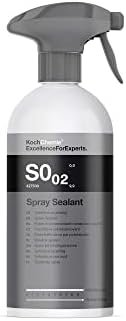
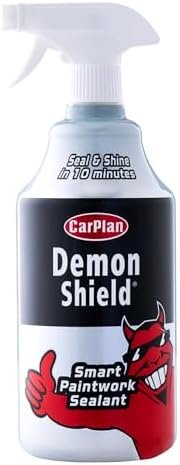
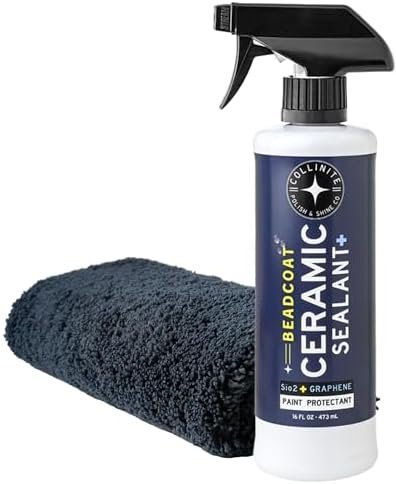
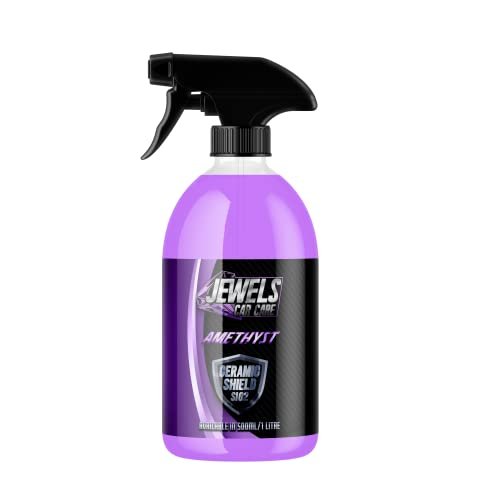
Best Paint Sealants for Long-Lasting Protection

21 products ready to shop 21 products Last checked Checked:

Top Sealant Picks from the TCC Team

Product Our Rating Key Specs
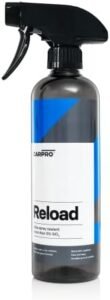
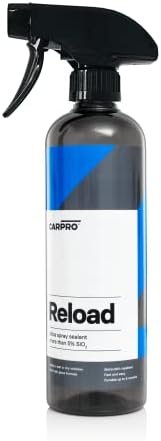
Reload
4.8

A water-based SiO2 spray sealant that works on every surface wet or dry, with unanimous backing from the wider detailing community.

  • Wet or dry safe
  • All surfaces compatible
  • Boosts ceramic coatings
  • Silica + siloxane formula
Check Latest Price
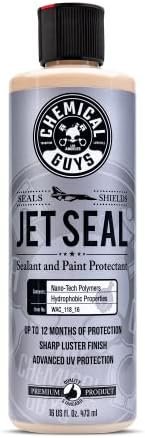
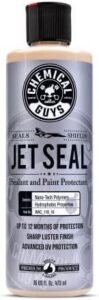
JetSeal
4.6

A synthetic polymer sealant with anti-corrosion technology and UV resistance, consistently referenced as a reliable everyday choice across detailing forums.

  • UV degradation resistance
  • Anti-corrosion protection
  • Nano-tech polymer formula
  • Hand & machine compatible
Check Latest Price
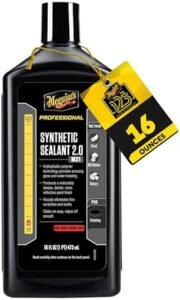
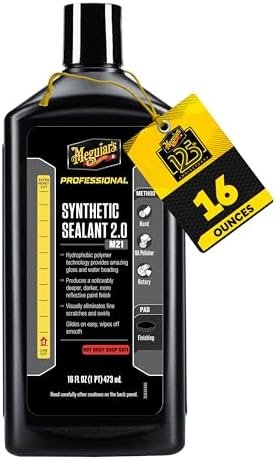
M21 Synthetic Sealant
4.5

A professional-grade polymer sealant from Meguiar's Mirror Glaze range, delivering deep reflective gloss and consistent protection at an accessible price.

  • Professional Mirror Glaze
  • Deep reflective gloss
  • Fills minor swirl marks
  • Hydrophobic sheeting action
Check Latest Price
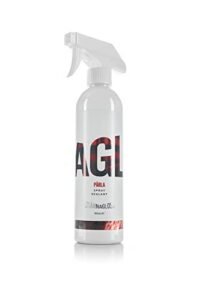
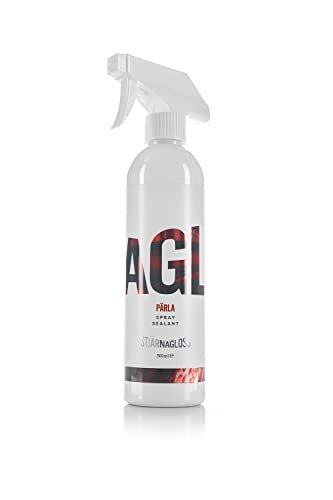
Pärla
4.4

A water-based nano spray sealant safe on paint, glass and wheels, layerable, and well-suited to regular maintenance between full details.

  • Water-based nano formula
  • Layerable for extra protection
  • Paint, glass and wheels
  • Contamination-resistant
Check Latest Price
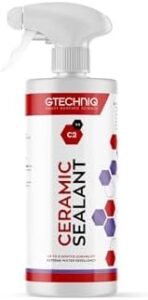
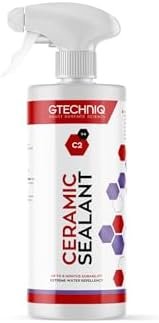
C2 Ceramic Sealant
4.7

A ceramic-infused spray sealant from a professional-grade brand, safe on PPF and vinyl, with a super-slick self-cleaning finish.

  • PPF and vinyl safe
  • Self-cleaning hydrophobics
  • No smearing or hazing
  • Ceramic-infused formula
Check Latest Price
#1 Best overall
Reload (CarPro)
Reload
4.8
  • Wet or dry safe
  • All surfaces compatible
  • Boosts ceramic coatings
  • Silica + siloxane formula
#2 Top pick
JetSeal (Chemical Guys)
JetSeal
4.6
  • UV degradation resistance
  • Anti-corrosion protection
  • Nano-tech polymer formula
  • Hand & machine compatible
#3 Best value
M21 Synthetic Sealant (Meguiar's)
M21 Synthetic Sealant
4.5
  • Professional Mirror Glaze
  • Deep reflective gloss
  • Fills minor swirl marks
  • Hydrophobic sheeting action
#4 Daily driver
Pärla (Stjärnagloss)
Pärla
4.4
  • Water-based nano formula
  • Layerable for extra protection
  • Paint, glass and wheels
  • Contamination-resistant
#5 Premium pick
C2 Ceramic Sealant (Gtechniq)
C2 Ceramic Sealant
4.7
  • PPF and vinyl safe
  • Self-cleaning hydrophobics
  • No smearing or hazing
  • Ceramic-infused formula
Sealant

Durable Protection. Less Maintenance.

Sealants provide longer-lasting protection than wax with less maintenance effort. They bond more firmly to the paint surface and handle weather, washing, and contamination better than traditional wax. For most drivers who want reliable protection without spending every weekend reapplying product, sealants make a lot of sense.

2sealant types
Monthsof protection
Sharpreflective finish
Preppaint first

What Makes Sealants Different

Longer durability, better wash resistance, and a sharper finish than traditional wax.

Bonds more firmly to the paint

Unlike wax, which sits on top of the surface, sealants bond more deeply to the paint. This gives them better durability, often lasting months rather than weeks, and makes them more resistant to stripping during regular washing.

Holds up through repeated washes

Sealants do not strip away as easily as softer waxes during regular maintenance. They hold up well to pH-neutral shampoos and the repeated contact of wash mitts, making them a practical choice for cars washed frequently.

Delivers a sharper, more reflective finish

Sealants produce a finish that is typically sharper and more reflective than wax, though less warm. Some people prefer the crisp, glassy look a sealant delivers. Others prefer the deeper glow of carnauba wax. Both are valid, it depends on what you are after.

What Sealants Are (and Are not)

Synthetic protection that prioritises durability over the warmth of natural wax.

✓ What sealants are

  • Synthetic paint protection products that use polymers to create a durable barrier resisting water, dirt, and UV damage
  • Products that bond more firmly to the paint surface than wax, giving them better durability and wash resistance over time
  • A practical choice for drivers who want reliable protection without the frequent reapplication that traditional wax demands
  • Available in traditional liquid or paste form for maximum durability, and in spray form for quicker, lighter applications between full treatments

✗ What sealants are not

  • A product that corrects paint defects or fills scratches. What they do is protect what is already there and make cleaning easier
  • As forgiving during application as wax. Most need clean, properly prepared paint and a bit of curing time to bond correctly
  • A permanent solution. Sealants wear down over time and need to be stripped and reapplied occasionally rather than just topped up indefinitely
  • The warmest finish option. If a deep, natural glow is the priority, wax delivers that better. Sealants are sharper and more reflective rather than warm

Two Types of Sealant

Traditional for maximum durability, spray for speed and convenience.

Maximum durability

Traditional Paint Sealants

Liquid or paste formulas applied by hand or machine. Spread thinly, left to haze, and buffed off after curing. These are the workhorse sealants: more effort to apply, but months of protection in return.

Longest lasting
  • Come as liquid or paste and are applied by hand applicator or machine, spread thinly across the panel, and removed after the product hazes and starts to bond
  • Hold up well to regular washing and do not strip away as easily as softer waxes, meaning protection stays consistent between applications
  • Application takes longer than spray products, but the durability justifies the effort. Most traditional sealants also layer well for added depth
  • The finish is glossy and reflective, and water behaviour stays strong through weeks of regular washing before any noticeable decline
Best for drivers who want the longest possible protection between applications and are willing to invest time in proper prep and application.

Speed and convenience

Spray Sealants

Fast application, shorter durability. Spray, spread, buff. Done in minutes. Useful for topping up protection between full applications or for people who prefer lighter, more frequent maintenance.

Quick top-up
  • Go on fast and work well for maintaining protection regularly, particularly on cars that get washed often where the shorter durability matters less
  • Useful as a maintenance layer between full traditional sealant applications, helping to extend the life of the base protection without a full strip-and-reapply
  • The convenience comes at the cost of lifespan. Most spray sealants last weeks rather than months, so regular reapplication is part of the routine

Where Sealant Sits in the Protection Hierarchy

Wax, sealant, and ceramic coating each occupy a different position on the durability and finish spectrum.

Wax

Traditional protection

DurabilityWeeks to 1 month
Finish warmthWarmest
Bonding depthSurface only
MaintenanceFrequent

The finish benchmark. Sacrificial, sits on top of paint, needs regular reapplication. Unmatched warmth and gloss depth.

Sealant

Balanced protection

DurabilitySeveral months
Finish warmthSharp and reflective
Bonding depthSurface bond
MaintenanceOccasional

The practical middle ground. More durable than wax, easier to maintain, and still delivers a high-gloss finish for everyday drivers.

Ceramic Coating

Long-term protection

DurabilityYears
Finish warmthGlassy and deep
Bonding depthBonds to clear coat
MaintenanceMinimal

The long-term investment. Hardest surface, most durable protection, and the lowest ongoing maintenance, but requires flawless prep before application.

Choosing the Right Sealant

Match the format to how you maintain your car, not just the spec sheet.

For maximum durability

Use a traditional liquid or paste sealant. Proper application gives you months of protection with minimal maintenance in between. The extra time spent on prep and application pays back in fewer reapplications over the course of a year.

For quick and easy application

Spray sealants go on fast and work well when you are maintaining protection regularly rather than applying once and forgetting about it. They are a strong fit for cars that get washed weekly and benefit from a light protection top-up each time.

For layering with wax

Some people apply a sealant as a base layer and top it with wax for added warmth and depth. The sealant provides the durability foundation while the wax delivers the finish quality. It works well, but it is an extra step that not everyone needs.

For beginners

Start with a spray sealant. Easier to apply, harder to mess up, and you will get a feel for how sealants behave before committing to the more involved process of a traditional paste or liquid product. The margin for error is much wider.

Not sure about your paint condition before applying?

Clean and decontaminate the paint before applying any sealant. Bonding to dirty or contaminated paint shortens durability significantly and reduces how well the product holds up during washing. If the paint has visible swirls or oxidation, correct it first with a suitable polish. Sealing over defects locks them in rather than hiding them.

Common Sealant Mistakes to Avoid

Most sealant failures trace back to prep, not the product itself.

Applying to unprepared paint

Sealants need clean surfaces to bond properly. Dirt, old wax residue, and bonded contamination all reduce how effectively the product can adhere, cutting the lifespan in half before it even starts. Wash, decontaminate, and dry thoroughly first.

Over-applying product

Sealants work in thin layers. Using too much leaves residue, makes buffing harder, and does not improve protection. A thin, even coat bonds better and removes cleaner than a thick application. A little goes a long way with most formulas.

Not allowing proper curing time

Most sealants need several hours to fully bond before exposure to water. Washing too early, or driving through rain shortly after application, weakens the protection before it has properly formed. Check the product instructions and allow the recommended curing window.

Expecting sealants to layer indefinitely

Applying new sealant over old, degraded sealant does not refresh the protection. Eventually the old layer needs to be stripped back and the process started fresh. Topping up works early in the product life, but it is not a substitute for a proper reapplication when the base layer is worn.

Using harsh chemicals during maintenance

Strong degreasers and alkaline or acidic cleaners strip sealants faster than pH-neutral shampoos. Regular use of the wrong products will significantly shorten the protection window between applications. Stick to gentle, pH-neutral maintenance products to preserve the layer for as long as possible.

What to Do After Sealing

A few simple habits protect your sealant layer and extend the time between reapplications.

01

Allow proper curing time

Most sealants need at least 12 to 24 hours to fully bond. Avoid rain and washing during this period. The exact window varies by product, so check the label, but err on the side of more time rather than less if conditions are cool or humid.

02

Maintain with pH-neutral shampoos

Gentle washing with the right shampoo preserves the sealant layer. Harsh chemicals, strong degreasers, and alkaline cleaners degrade it faster and shorten its lifespan significantly. A quality pH-neutral car shampoo is the single biggest factor in making protection last.

03

Top up as needed

When water stops beading as confidently and starts to sheet flat across the panel, it is time to reapply. Do not wait until protection has completely worn off. A light spray sealant top-up can extend the life of the base layer before a full reapplication becomes necessary.

04

Inspect high-wear areas

Door handles, boot edges, and areas touched frequently wear down faster than larger panels. These spots may need more frequent attention. Checking them during a regular wash gives early warning before the protection disappears entirely from the most exposed areas.

Sealants balance durability and ease of use. They do not need constant attention like wax, but they are not permanent like ceramic coatings. Apply them properly to properly prepared paint and they will keep your paint protected through months of regular use, with minimal effort in between.

Browse All Sealant

Click through to check today's price and availability from trusted retailers.

FAQs

Most synthetic sealants last between two and four months in regular use, though some products claim longer. Actual durability depends heavily on how well you prepped the surface, how often you wash, and what conditions the car faces. Cars driven daily in harsh weather or washed frequently with strong shampoos see sealant degrade faster. From our experience, three months is a realistic expectation for most sealants. Reapply when you notice water beading weakening or the paint starting to feel less slick, typically every two to four months. Garage-kept cars or those washed with pH-neutral shampoos can push closer to four or five months, but it’s better to reapply slightly early than wait until the sealant’s completely failed.

Better depends on what you’re after. Sealants last longer, typically two to four months compared to wax’s four to eight weeks. They also offer more consistent water beading and better resistance to chemicals and harsh weather. That makes them popular with daily drivers who want lower maintenance. Wax gives a warmer, deeper gloss that some people prefer, especially on darker paints. It’s also easier to apply and remove, which matters if you’re new to detailing. We’ve found that sealants suit practical users who value durability, while wax appeals to enthusiasts who enjoy the process and the finish. Neither is objectively better, they just serve different priorities.

True ceramic coatings cure and bond chemically to the paint, creating a semi-permanent hard layer that can last a year or more. They’re much harder to apply and demand perfect surface prep, but they offer the best durability and chemical resistance. Mistakes during application are difficult to fix. Sealants are simpler. They’re synthetic polymers that sit on top of the paint and bond mechanically rather than chemically. They’re easier to apply, more forgiving if you make a mistake, and last a few months instead of a year. What we see in reviews is that sealants suit most DIY users, while ceramic coatings reward those with experience and patience. Ceramic spray products blur the line, they’re marketed as ceramics but behave more like boosted sealants.

The paint needs to be clean, decontaminated, and dry. Wash thoroughly to remove all loose dirt, then use clay or a decon mitt if the surface feels rough. Any embedded contaminants will prevent the sealant from bonding properly and reduce how long it lasts. If the paint has defects like swirls or oxidation, polish before sealing. Sealant won’t hide imperfections, it just locks in whatever’s underneath. From what we see, poor prep is the main reason people complain about sealants failing early. The actual application is straightforward, but the prep work makes or breaks the result.

For paint sealant, you don’t need a separate primer. Sealants are designed to bond directly to clean, bare paint. Some people use a paint cleanser or pre-wax product to strip old protection and oils before applying sealant, which can help bonding, but it’s not essential if the paint’s properly washed and decontaminated. The confusion often comes from panel prep products marketed as “primers” for ceramic coatings. Those are different, they’re alcohol-based wipe-downs that remove oils before coating. Regular sealants don’t need that step. From our experience, as long as the paint’s clean and dry, sealant will bond fine without extra products.

Related Insights and Articles

Browse by Category

Find the best UK detailing products across our range of categories.

Our methodology

Your independent guide to the best car detailing products in the UK.

Step 01 · Sourcing

We start with every option

Hundreds of car cleaning products, pulled from trusted UK retailers across every category - shampoos, sealants, interior, glass, tools and more.

Step 02 · Scoring

Ranked by real-world signals

Customer ratings, review volume, price-to-performance and editor testing notes feed the score. No brand payments, ever.

Step 03 · Freshness

We keep it fresh and clean

Total Car Clean is 100% reader-supported. We may earn a small commission from affiliate links, but we remain unbiased to help you find the best products.

Independent No paid rankings UK-focused