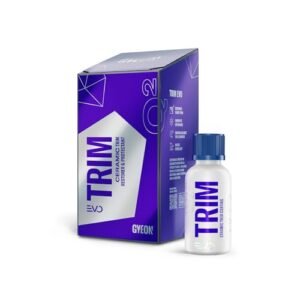
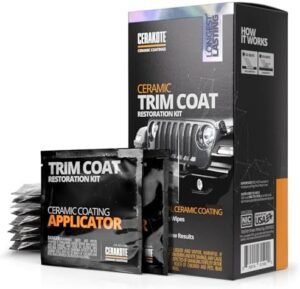
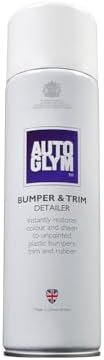
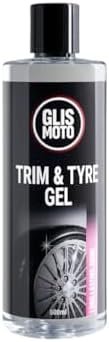
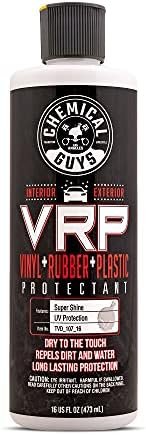
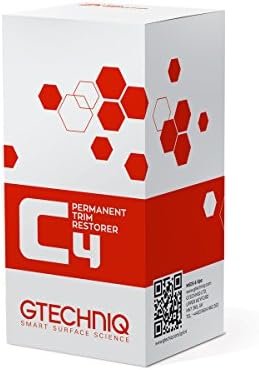
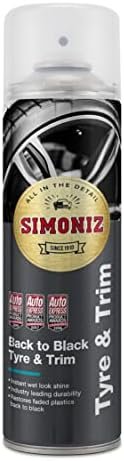
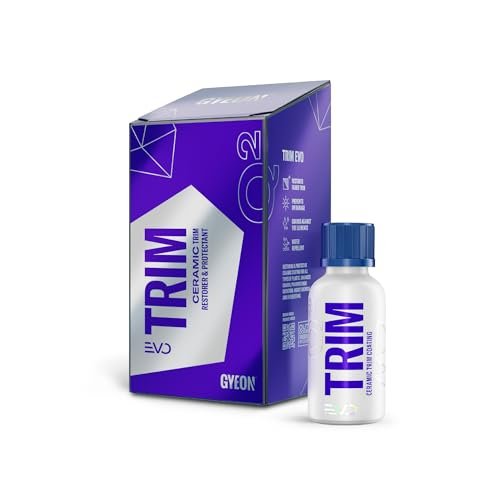
- Ceramic bonding wipe kit
- 200-wash guarantee
- No prep curing needed
- All unpainted plastic safe
| Product | Our Rating | Key Specs | ||
|---|---|---|---|---|
Ceramic Trim Coat
|
|
Check Latest Price | ||
Q² Trim EVO
|
|
Check Latest Price | ||
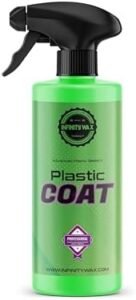
Plastic Coat
|
|
Check Latest Price | ||
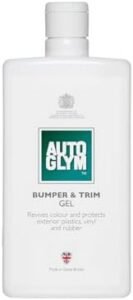
Bumper & Trim Gel
|
|
Check Latest Price | ||
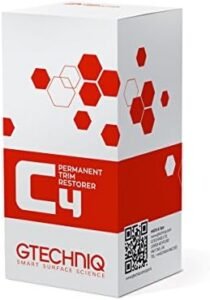
C4 Permanent Trim Restorer
|
|
Check Latest Price |
UV exposure, washing, and weathering gradually turn exterior plastic and rubber trim grey and patchy. A good trim restorer revives that colour and improves the overall look of the car without repainting. The goal isn't just shine. It's restoring depth and protecting the surface from further fading.
Colour, uniformity, and protection in one application.
Trim restorers are designed to bring faded exterior plastics back to a darker, more uniform look. Some products penetrate the surface and work from within, while others sit on top as a coating. Either way, the result is a noticeably richer, deeper appearance without repainting.
UV exposure doesn't fade trim evenly. Panels facing the sun directly tend to go grey faster than shaded areas, leaving an inconsistent, patchy appearance across the car. A trim restorer evens this out, making the car look better maintained without any bodywork involved.
Many restorers include UV inhibitors that slow down the rate of future fading, particularly coating-based products. This doesn't make the trim maintenance-free, but it meaningfully extends the time before the next application is needed compared to leaving trim untreated.
A visual restoration and protection step, not a structural repair product.
From quick dressings to long-lasting coating-based formulas, each suits different needs.
Quickest results
Focus on light lubrication and an instant improvement in appearance. Quick to apply and effective immediately, but the results are temporary and need regular reapplication to maintain.
Quick and easyMost dramatic results
Contain actual colour pigment that restores faded trim more dramatically than surface dressings. Longer-lasting because the colour is deposited into or onto the surface, but they require more careful application to avoid uneven results.
Deeper restorationBest long-term durability
Bond to the trim surface and offer longer-term protection alongside colour restoration. More durable than dressings or pigment products, but they require proper prep and application to bond correctly and deliver on their lifespan claims.
Longest lastingEasiest to control
Thicker formulas that give more control during application, reducing the risk of sling, streaking, or product migrating onto paintwork. A practical choice for complex trim shapes or anyone who's struggled with runny liquid products.
Controlled applicationThese two product types get mixed up regularly. They're not the same thing.
Adds shine to existing colour
A dressing mainly adds temporary shine and a surface layer of protection. It enhances trim that's already in reasonable condition by making it look cleaner and slightly darker.
Use when: your trim is in reasonable condition and you just want it looking fresh and consistent after a wash.
Brings back colour that's been lost
A restorer is designed to reverse fading and bring back the original depth of colour. It works on trim that has genuinely lost its dark tone and gone grey or patchy through UV exposure and age.
Use when: your trim is visibly faded, grey, or patchy and a quick dressing isn't making enough difference.
Most poor results come from skipping preparation or applying in the wrong conditions.
Step 01
Clean the trim thoroughly
Use an all-purpose cleaner or dedicated trim cleaner to remove any dirt, old dressing residue, wax contamination, and oils. A clean surface is the single biggest factor in how well the product bonds and how even the result looks.
Step 02
Dry the surface completely
Any moisture on the trim will interfere with how the product applies and bonds. Dry with a clean microfibre cloth and allow the surface to air for a few minutes, especially in recessed areas and along panel edges where water tends to sit.
Step 03
Apply a small amount with an applicator
Use an applicator pad or sponge to apply a small, controlled amount of product. Less is more. Over-application leads to streaking, uneven finish, and sling onto surrounding paintwork once the car is driven.
Step 04
Work evenly into the trim
Work the product into the surface using even, overlapping strokes. On textured trim, a soft brush can help work the product into recessed areas more thoroughly than a flat applicator pad on its own.
Step 05
Wipe off any excess
Remove any excess product before it dries. Dried residue is harder to remove evenly and can cause a patchy result, particularly with pigment or coating-based formulas. Use a clean, dry microfibre cloth and wipe off any product that hasn't been absorbed.
Step 06
Allow to cure if required
Coating-based products in particular need curing time before water contact. Check the product instructions. Avoid washing or driving through rain for the recommended period to allow the product to bond fully to the trim surface.
Match the product to how faded the trim is and how often you want to reapply.
A standard dressing-style or light restorer product will improve appearance quickly. The trim hasn't lost much depth yet, so a quick product gives you a result close to what a more involved formula would deliver, with far less effort and preparation required.
Go for a pigment-based or coating-based restorer for a more noticeable result. These products are designed specifically for trim that has genuinely lost its colour and won't respond well to a light dressing. The extra prep time is worth it for the improvement in result.
Choose a coating-based product. These bond to the surface and last several months with proper prep and application. The investment in cleaning and drying the trim properly beforehand pays back in not needing to reapply nearly as often as lighter products.
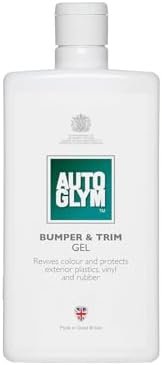
Stick to gel or cream formulas. The thicker consistency gives you more control and significantly reduces the risk of product migrating onto surrounding paintwork or running into panel gaps. Particularly useful for door trims, mirror housings, and front bumper strips.
Start with something simple and assess the results before moving to stronger products. A mid-range dressing or light restorer on a small hidden section of trim will tell you quickly whether the product is making enough difference for the trim's condition, or whether a more aggressive pigment or coating-based formula is going to be necessary. Starting light avoids any risk of uneven colour deposit from heavier products on trim that didn't actually need them.
Most poor results come from the application conditions, not the product itself.
Dirt, old dressing residue, and surface contamination block the product from making proper contact with the trim. The result is uneven colour restoration and significantly reduced durability. Clean thoroughly with an APC or dedicated trim cleaner before any application.
More product leads to streaking, an uneven finish, and sling onto surrounding paintwork once the car is driven. A thin, even layer absorbs and bonds better than a thick one. Apply less than you think you need, assess the result, and add a second coat if necessary.
Leaving residue to dry on the surface causes patchy, inconsistent results that are much harder to correct once set. Wipe off any unabsorbed product before it starts to cure. With pigment and coating-based products in particular, this window is shorter than with light dressings.
Dressing-based restorers are designed for regular top-ups, not long-term protection. Lower-end and dressing-style products will fade quickly and need reapplication. If durability is the priority, a coating-based product is the right choice, not more frequent applications of a light formula.
Simple habits that protect the result and extend the time before reapplication.
01
Most restorers, and coating-based products in particular, need time to bond before getting wet. Check the product's recommended curing window and avoid washing, rain, or heavy dew during that period. Applying in the morning before a dry day gives the best chance for full curing.
02
Harsh chemicals and strong alkaline cleaners strip restorer products from the trim faster than gentle maintenance. Use a pH-neutral shampoo and avoid targeting trim surfaces directly with high-pressure jets. Regular gentle washing will extend the life of the restoration significantly.
03
Watch for the trim starting to look patchy or lighter again, particularly after prolonged sun exposure. Reapplying before the finish has completely worn away is easier than starting from scratch. With coating-based products, the surface may need stripping back and cleaning properly before reapplying for the best bond.
Click through to check today's price and availability from trusted retailers.
It depends on the type. Basic restorers may last a few weeks, while coating-based products can last several months or longer.
Some can, but many are designed for exterior use. Always check the product instructions before applying inside the car.
No. It improves colour and appearance, but it won’t repair physical damage.
Find the best UK detailing products across our range of categories.


Your independent guide to the best car detailing products in the UK.
Hundreds of car cleaning products, pulled from trusted UK retailers across every category - shampoos, sealants, interior, glass, tools and more.
Customer ratings, review volume, price-to-performance and editor testing notes feed the score. No brand payments, ever.
Total Car Clean is 100% reader-supported. We may earn a small commission from affiliate links, but we remain unbiased to help you find the best products.