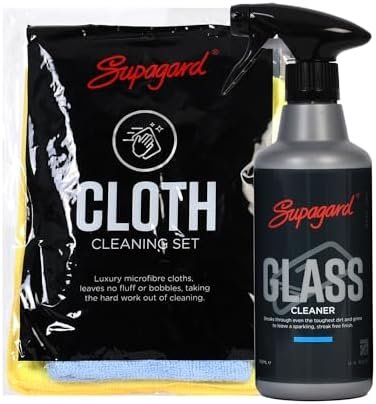
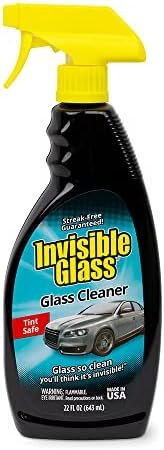
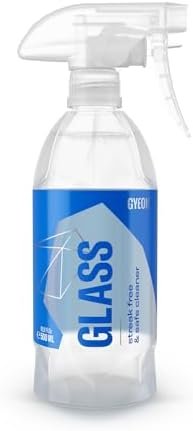
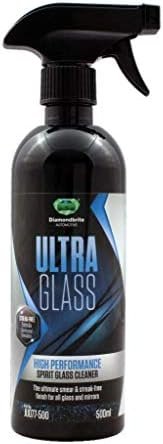
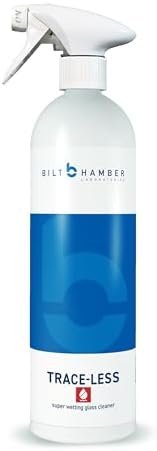
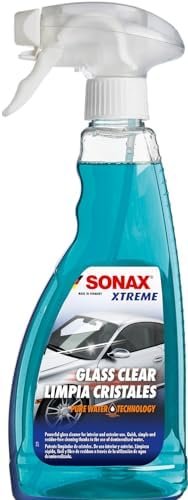
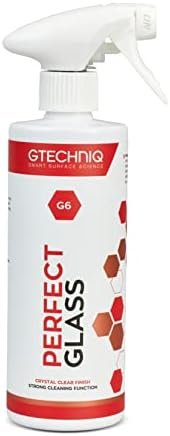
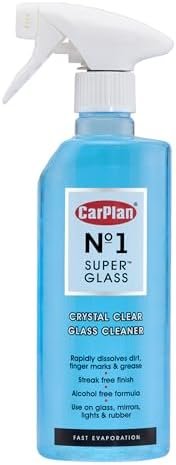
- 100% evaporating formula
- Won't remove glass sealants
- Safe on tints and screens
- UK-made, lab-developed
| Product | Our Rating | Key Specs | ||
|---|---|---|---|---|
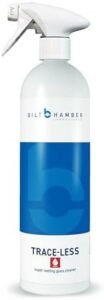
Trace-Less
|
|
Check Latest Price | ||
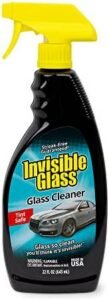
Invisible Glass
|
|
Check Latest Price | ||
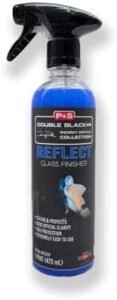
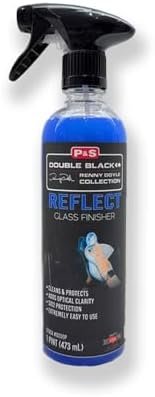
Reflect
|
|
Check Latest Price | ||
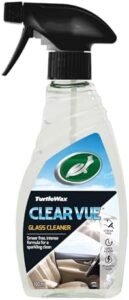
Clearvue
|
|
Check Latest Price | ||
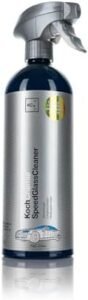
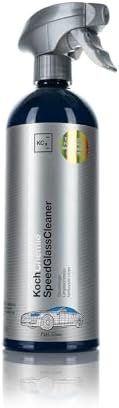
Speed Glass Cleaner
|
|
Check Latest Price |
Clean glass is more than appearance. It directly affects visibility and driving safety. Grease, fingerprints, traffic film, and interior haze all scatter light and reduce clarity, especially at night or in low sun. Proper car glass cleaners cut through the specific contamination that builds up on automotive glass without leaving anything behind.
Household cleaners leave residue. Car formulas are built for automotive contamination.
Grease, fingerprints, traffic film, and interior haze don't just look bad. They scatter light in ways that significantly reduce visibility at night or when driving into low sun. Properly clean glass is one of the easiest safety improvements available on any car.
The main issue with household glass cleaners or plain water is what they leave behind. Household formulas often leave streaks, don't cut through automotive grime, or create residue that makes things worse. Car-specific formulas are built for the exact contamination that builds up on vehicle glass.
You can't assess whether a glass sealant or coating is working if the glass itself isn't properly clean to begin with. Getting glass properly clean first is what makes protection effective and water repellency meaningful rather than just marginal improvement on a contaminated surface.
A cleaning product formulated for automotive glass, not a protection or repair product.
“If your glass has bonded contamination that won’t shift with normal cleaning, you’ll need to remove it first before the glass cleaner can work properly. See our guide on removing stubborn contamination from car windows and glass for the proper removal methods.”
Different formats suit different surfaces, situations, and working environments.
Strongest cut through grime
Cut through grease and grime effectively and tend to dry quickly, which helps avoid streaking when you work fast. Strong performers on exterior glass. Not suitable for tinted windows or use inside a closed vehicle.
Exterior onlySafe for interior and tinted glass
Gentler formulas that are safe for tinted windows and interior surfaces. No harsh smell in an enclosed space. Better for working inside the car, and a reliable default if you're unsure about tint film compatibility.
Interior and tinted safeBest contact time and control
Cling to vertical glass surfaces and give the product more contact time with contamination. Less likely to run onto seats, trim, or the dashboard during interior application. Particularly effective on heavily soiled windscreens and interior glass.
Stays where you sprayMost versatile and accessible
The most common format. Quick to apply and easy to distribute evenly across the glass surface. The right choice for regular maintenance where the glass isn't heavily contaminated and the cleaning job is straightforward.
Everyday versatilityThe same contamination problem, but the approach and product choice need to be different.
Traffic film, road grime, and weather
Exterior glass faces direct contamination from rain, traffic film, road spray, and environmental deposits. The contamination tends to be heavier and more varied than interior glass, but the working environment is more forgiving.
Product choice: ammonia-based or ammonia-free spray. Foam for heavily soiled windscreens.
Haze, fingerprints, and outgassing film
Interior glass builds up a different kind of contamination: haze from plastics and upholstery outgassing, fingerprints, breath condensation, and occasionally product residue from dashboard cleaning sprays. The confined space changes what products are safe to use.
Product choice: ammonia-free spray applied to cloth, or foam cleaner for windscreen and rear window.
Match the product to the glass surface and how contaminated it is.
Ammonia-based cleaners work well here. They cut through traffic film and road grime effectively, and ventilation is not an issue outdoors. Apply in shade on a cool panel for the cleanest streak-free result.
Always use ammonia-free formulas. Ammonia can damage or discolour tint film over time, particularly aftermarket tint where the adhesive layer is more exposed. Check the product label to confirm it's safe for tinted glass before using it on any tinted surface.
Ammonia-free or foam cleaners are better. Ammonia fumes are unpleasant in an enclosed space, and the risk of overspray onto the dashboard and seats is meaningfully reduced by using foam or by spraying onto the cloth rather than directly onto the glass.
Foam formulas or stronger ammonia-based sprays give you more cleaning power and product dwell time. For the inside of the windscreen in particular, where haze can be significant and access is awkward, a foam product that clings to the glass rather than running off is the most practical approach.
A basic ammonia-free spray does the job well. If the glass is cleaned consistently and frequently, there's no need for heavy-duty formulas designed for built-up contamination. Regular light cleaning is far more effective than infrequent deep cleans, and it means you spend less time and effort each time you clean.
Most streaking problems are technique and cloth quality, not the product itself.
Household cleaners often leave residue or don't handle automotive grime well. Car glass cleaners are formulated for the specific contamination that builds up on vehicles. Using the wrong product can leave the glass looking worse or requiring multiple passes to achieve what the right product does in one.
The cleaner dries too quickly on hot panels, leaving streaks before you have a chance to buff them off. Work in shade or on a cool panel. The difference in result between cleaning in shade versus direct sunlight on a warm day is often significant enough to be noticeable from the driver's seat.
Old towels or paper products leave lint, streaks, and fibres on glass. Dedicated glass cloths make a noticeable difference and are the single most impactful equipment upgrade for consistent streak-free results. If you're struggling with streaks regardless of which product you use, the cloth is almost always the cause.
Overspray gets onto the dashboard, seats, and trim surfaces you don't want cleaner on. Always spray onto the cloth first, then wipe the glass. This one habit change resolves the majority of interior glass cleaning complaints and is especially important around the dashboard area below the windscreen.
If the glass has tar, tree sap, or bonded grime, cleaner alone won't shift it. A dedicated tar remover or clay treatment is needed first, then clean with a glass cleaner as the final step. Trying to use cleaner to remove bonded contamination typically results in smearing and frustration rather than a clean surface.
More product doesn't mean better results. It just makes streaking worse and buffing harder. A light mist is usually enough for regular cleaning. Over-application is one of the most common causes of the streaking problems that most people attribute to a poor product, when the actual issue is application technique.
A few quick checks and habits that keep glass performing well between cleaning sessions.
01
Streaks and residue often only show up in direct light, at night with oncoming headlights, or when looking at a shallow angle across the glass. Check the glass from multiple angles and in different lighting before confirming the job is done. What looks clean in a dim garage may not look clean in bright sunlight.
02
Once the glass is clean, that's the right time to apply a glass sealant or coating if you want water repellency. Protection bonds better to clean glass and performs more reliably. Applying over contamination reduces how well the product adheres and shortens how long it lasts.
03
If the glass is clean but you're still getting streaks or judder from the wipers, the issue is likely the blades rather than the glass. Clean or replace them as needed. Old or degraded wiper blades leave contamination across the glass with every sweep, undoing the cleaning quickly.
04
Glass contamination builds up gradually. Cleaning every few weeks, or when visibility noticeably drops, keeps it manageable and avoids the kind of heavy buildup that requires multiple passes or specialist products to remove. Regular light cleaning is consistently easier than infrequent deep cleaning sessions.
Click through to check today's price and availability from trusted retailers.
Find the best UK detailing products across our range of categories.


Your independent guide to the best car detailing products in the UK.
Hundreds of car cleaning products, pulled from trusted UK retailers across every category - shampoos, sealants, interior, glass, tools and more.
Customer ratings, review volume, price-to-performance and editor testing notes feed the score. No brand payments, ever.
Total Car Clean is 100% reader-supported. We may earn a small commission from affiliate links, but we remain unbiased to help you find the best products.