Best Tyre Dressing for a Clean Finish

22 products ready to shop 22 products Last checked Checked:

Top Tyre Dressing Picks from the TCC Team

Product Our Rating Key Specs
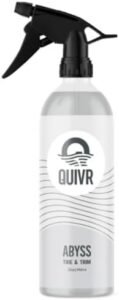
Abyss Tyre Dressing
5.0

A concentrate tyre and trim dressing delivering a deep, rich satin finish without a greasy or over-glossed appearance, dilutable for tyres, exterior trim, or interior plastics.

  • Adjustable dilution ratio
  • Satin to wet-look finish
  • No-sling formula
  • Tyres, trim, and plastics
Check Latest Price
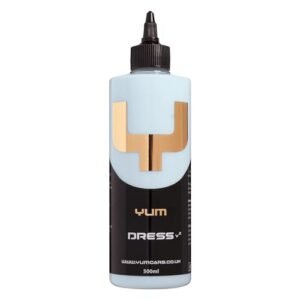
Dress v2
4.7

A water-based, resin-polymer tyre dressing that penetrates and moisturises rubber rather than just coating the surface, with anti-static and UVA/UVB protection properties.

  • Restorative — not sacrificial
  • Water-based with resin polymers
  • UVA and UVB protection
  • Dilutable for multiple surfaces
Check Latest Price
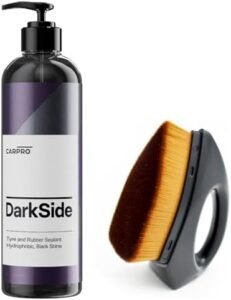
Darkside
4.6

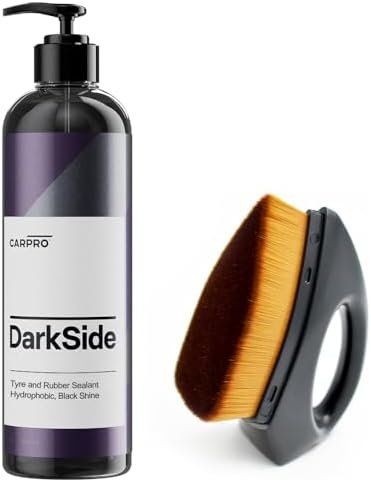
A 60% polydimethylsiloxane rubber sealant that bonds to tyre sidewalls for a satin, non-greasy finish with strong hydrophobic, self-cleaning, and UV-resistant properties.

  • 60% PDMS silicone formula
  • Hydrophobic and self-cleaning
  • UV protection built-in
  • No sling — dries matte
Check Latest Price
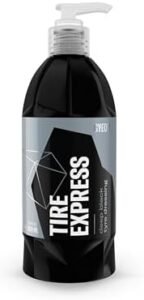
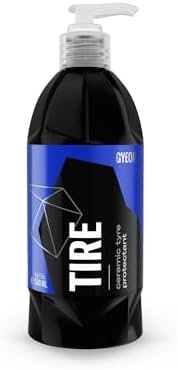
Tyre Express
4.5

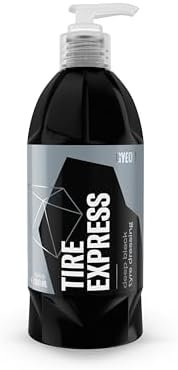
A water-based everyday tyre dressing that restores a natural matte factory-fresh finish and builds a self-cleaning repellent layer lasting hundreds of miles in wet conditions.

  • Water-based formula
  • Natural matte finish
  • Dry or wet application
  • Self-cleaning repellent layer
Check Latest Price
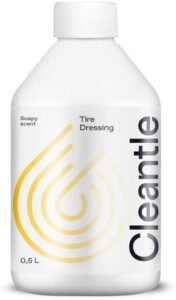
Tyre Dressing
4.9

A water-oil emulsion and polysiloxane tyre dressing with semi-gel consistency that protects against fading, creates a hydrophobic coating, and leaves a satin finish on rubber and exterior plastics.

  • No harmful hydrocarbons
  • Water-oil emulsion base
  • Satin layerable finish
  • Rubber and plastic safe
Check Latest Price
#1 Best overall
Abyss Tyre Dressing (QUIVR)
Abyss Tyre Dressing
5.0
  • Adjustable dilution ratio
  • Satin to wet-look finish
  • No-sling formula
  • Tyres, trim, and plastics
#2 Top pick
Dress v2 (YumCars)
Dress v2
4.7
  • Restorative — not sacrificial
  • Water-based with resin polymers
  • UVA and UVB protection
  • Dilutable for multiple surfaces
#3 Best value
Darkside (CarPro)
Darkside
4.6
  • 60% PDMS silicone formula
  • Hydrophobic and self-cleaning
  • UV protection built-in
  • No sling — dries matte
#4 Daily driver
Tyre Express (Gyeon)
Tyre Express
4.5
  • Water-based formula
  • Natural matte finish
  • Dry or wet application
  • Self-cleaning repellent layer
#5 Premium pick
Tyre Dressing (Cleantle)
Tyre Dressing
4.9
  • No harmful hydrocarbons
  • Water-oil emulsion base
  • Satin layerable finish
  • Rubber and plastic safe

Protect the Rubber. Perfect the Finish.

Tyres frame the car visually whilst protecting rubber from drying and cracking. UV exposure, road salt, and weather degrade tyre rubber over time. Dressings restore appearance and add a protective layer that slows this damage. Pair them with good wheel and tyre cleaning first. From our experience, overdressing causes more problems than underdressing.

2dressing types
Cleantyres first, always
Sidewallonly, never the tread
20 mincure before driving

What Tyre Dressings Are (and Aren't)

A cosmetic and protective product for rubber, not a repair or a permanent solution.

✓ What they are

  • Products that enhance and protect rubber surfaces on the tyre sidewall. They restore colour, add shine or a satin finish, and create a barrier against UV radiation and contaminants that degrade rubber over time
  • Available in two main types: water-based dressings that soak into the rubber for a natural or satin result, and solvent-based dressings that sit on the surface for a high-gloss, wet look. Browse options in our tyre dressing picks
  • A finishing touch that makes a significant visual difference. Clean, dressed tyres give the whole car a more detailed, complete appearance with very little effort
  • A UV and weather barrier that helps slow the browning and surface cracking that comes from exposure over time

✗ What they aren't

  • A repair product. Tyre dressings won't fix cracked or damaged rubber. If the tyre is already perished, dressing just makes it look slightly better temporarily without addressing the underlying condition
  • Safe on the tread area. Dressing on the tread reduces grip and makes the tyre slippery, especially in wet conditions. Apply only to the sidewall
  • Better when applied in larger amounts. More dressing doesn't mean better protection or longer life. Excess product causes sling onto bodywork and attracts dirt faster
  • A substitute for proper tyre cleaning. Dressing over contamination locks dirt in place and reduces how well the product bonds to the rubber. Always clean tyres properly first

Tyre Dressing Types

Two formulas with different finishes, sling risk, and durability trade-offs.

Daily drivers

Water-Based Dressings

Give a natural or satin finish. They soak into the rubber rather than sitting on the surface, which reduces sling and gives a more subtle, OEM-style result.

Best for everyday use View products
  • Natural or satin finish that suits everyday driving
  • Soaks into the rubber, significantly reducing sling risk
  • Less likely to fling onto paintwork and wheel arches
  • Doesn't attract as much dust or dirt after application
  • Needs reapplying more often than solvent-based alternatives. Often easiest after a full wash
The best option for most drivers. The reduced sling risk and natural look make it a far more practical choice for regular use than a high-gloss solvent dressing.

Show use

Solvent-Based Dressings

Deliver high gloss. They sit on the surface and reflect light intensely, giving that wet, freshly detailed look. Higher sling risk and attract more dirt over time.

High gloss, more care needed View products
  • Intense, high-gloss wet look immediately after application
  • Sits on the rubber surface rather than absorbing in
  • Higher sling risk if applied too heavily or the car is driven too soon
  • Attracts more dust and dirt, so finish degrades faster between cleans
  • Best reserved for shows, photos, or occasions where appearance is the priority. Apply with a pad from our wheel brushes and tools range where it helps
Apply sparingly with an applicator pad, work it into the rubber, and wipe off any excess before driving. Driving immediately after application flings product onto bodywork and wheel arches.

Water-Based vs Solvent-Based at a Glance

The key trade-offs side by side so you can pick the right type for how you use your car.

Water-Based

Practical, natural, low-maintenance

The sensible default for daily drivers who want clean, dressed tyres without managing sling or frequent reapplication headaches.

  • Finish Natural to satin. Subtle and clean-looking.
  • Sling risk Low. Soaks into rubber rather than sitting on top.
  • Dirt attraction Minimal. Doesn't create a sticky surface layer.
  • Durability Shorter. Reapplication every wash or two needed.
  • Best for Daily driving, regular maintenance, beginners.

Choose this if you want a tidy, consistent result without worrying about product landing on paintwork.

Solvent-Based

High impact, more demanding, show-ready

Delivers the most dramatic visual result, but requires more care in application and means waiting before you drive away.

  • Finish High gloss, wet look, very reflective.
  • Sling risk Higher. Especially if over-applied or driven too soon.
  • Dirt attraction More. Glossy surface picks up dust faster.
  • Durability Can last longer per application if used sparingly.
  • Best for Shows, photos, occasions, enthusiast detailing.

Choose this for maximum visual impact, but apply sparingly, wipe off excess, and allow time to cure before driving.

How to Choose the Right Tyre Dressing

Match the product to how you drive and what finish you're after.

For daily drivers

Use a water-based dressing. It's easier to control, carries a lower sling risk, and gives a natural finish that suits everyday use. Prep with wheel cleaners first so the dressing bonds cleanly.

For high gloss

A solvent-based dressing delivers the look, but apply sparingly. Use an applicator pad from brushes and tools, work the product into the rubber, then wipe off any visible excess before allowing it to cure.

For low-maintenance protection

Water-based options need reapplication more often, but they're safer and less demanding. For something that lasts longer between top-ups, look for gel-based dressings in our range.

For show cars or photography

Solvent-based dressings deliver the most dramatic finish for photos or shows. Just make sure you don't drive immediately after application, and park on a surface you don't mind getting a few drops on. See what to do after dressing below.

Common Tyre Dressing Mistakes

Four errors that cause most of the sling, streaking, and safety issues people run into.

Applying to dirty tyres

Dressing over dirt just locks contamination in place. Clean tyres properly first, let them dry completely, then apply dressing. Product applied to a clean, dry surface bonds better and lasts noticeably longer.

Using too much product

More dressing doesn't mean better protection or a longer-lasting result. It just causes sling and attracts dirt faster. A thin, even coat applied with an applicator pad works far better than a heavy application.

Driving immediately after application

Dressing needs time to cure into the rubber. If you drive straight away, centrifugal force flings the product onto bodywork, wheel arches, and paintwork. Allow at least 15 to 20 minutes before moving the car.

Getting dressing on the tread

Tyre dressing on the tread is a safety issue. It reduces grip and makes the tyre slippery, especially in wet conditions. Apply only to the sidewall using a dedicated applicator, and wipe away any product that strays onto the tread.

What to Do After Dressing Tyres

Three steps that protect the result and let the product do its job properly.

01

Allow curing time

Give the dressing at least 15 to 20 minutes to soak into the rubber before driving. This reduces sling significantly, improves durability, and means you won't spend time cleaning product off your wheel arches.

02

Wipe excess if needed

If you've applied too much or the tyre looks overly wet, wipe off the excess with a clean microfibre cloth. It's much easier to remove it now than to clean bodywork and arches after a drive.

03

Avoid washing immediately

Washing the car within a day or two will strip the dressing before it has fully cured into the rubber. Let it set fully for best durability, then return to your normal washing routine.

Tyre dressings are a small effort for a noticeable result. Apply less than you think you need, let it cure, and the tyres will look better for longer without the sling and mess that overdressing always causes. Always start from properly cleaned tyres.

Browse All Tyre Dressings

Click through to check today's price and availability from trusted retailers.

FAQs

Yes, tyre dressing is good for tyres when used properly. It protects rubber from UV damage, prevents drying and cracking, and restores colour that fades over time. The protective barrier slows degradation caused by road salt, weather, and general exposure. The problem comes from overuse. Too much dressing flings onto bodywork, attracts dirt, and creates a sticky mess. From our experience, a thin, even coat is far more effective than drowning the tyre in product. Applied correctly, dressing extends tyre life and keeps them looking fresh without causing issues.

Water-based dressings typically last one to two weeks before they need reapplication. Solvent-based dressings last slightly longer, around two to three weeks, but they attract more dust which makes tyres look dirty faster. Gel-based formulas tend to be the most durable, lasting up to a month. Durability depends on driving conditions and weather. If you’re driving in heavy rain or through puddles, the dressing washes off quicker. From our experience, people who want low-maintenance protection should look for gel-based or long-lasting water-based options rather than high-gloss solvent formulas that need frequent reapplication.

Tyre dressing and tyre shine are essentially the same thing, the terms are used interchangeably. Both products enhance appearance and provide protection. The word “shine” usually refers to high-gloss finishes, whilst “dressing” is more general and can include satin or natural finishes. We’ve found that products labelled as “shine” are often solvent-based and deliver that wet, glossy look. Products called “dressing” tend to be water-based with a more subtle finish, though this isn’t a hard rule. What matters more is the formulation, water-based or solvent-based, rather than what it’s called on the bottle.

Yes, if you want to protect rubber and maintain appearance. Tyre dressing costs a few pounds and lasts months, which makes it one of the cheaper maintenance products. The protection it provides against UV damage and cracking can extend tyre life, which offsets the cost. That said, it’s not essential. If you’re on a tight budget or your tyres are already in poor condition, dressing won’t fix structural issues. From our experience, it’s worth the money for people who care about how their car looks and want to prevent premature rubber degradation. If you don’t care about appearance, skip it.

WD-40 can be used as a makeshift tyre shine, but it’s not designed for this purpose. It gives a temporary gloss but doesn’t protect rubber like proper tyre dressing does. It also flings easily when you drive and attracts dust quickly, which means tyres look dirty again within days. We wouldn’t recommend using WD-40 regularly. A proper water-based dressing costs about the same, lasts longer, and provides actual UV protection. If you’re in a pinch and need a quick shine for photos, WD-40 works, but it’s not a long-term solution. The general consensus is that dedicated tyre products perform better and cause fewer problems.

Tyre sealant is a different product entirely. It's designed to seal punctures temporarily, not enhance appearance or protect rubber. Some people confuse tyre sealant with tyre dressing or coating, but they serve completely different purposes. If you mean why not use a tyre coating instead of dressing, coatings last longer but cost more and require more careful application. Most people find dressing easier to use and cheaper, even if it needs reapplication every few weeks. From our experience, coatings make sense for enthusiasts who want maximum durability, but dressing is more practical for regular maintenance.
Yes, as long as you apply it correctly. Tyre shine protects rubber from UV damage and prevents cracking, which is particularly important if your car sits outside. It also restores the black colour that fades over time due to exposure. The key is not overdoing it. Too much product flings onto bodywork and wheel arches when you drive. We regularly see complaints from people who've used too much and ended up with streaks everywhere. A thin, even coat on clean, dry tyres is all you need. Let it cure for 15 to 20 minutes before driving to reduce sling.
No, tyre dressing doesn't damage tyres when used as directed. Quality dressings are formulated specifically for rubber and won't cause degradation or cracking. The main risk is getting product on the tread, which reduces grip and makes the tyre slippery, especially in wet conditions. Some older solvent-based products contained petroleum distillates that could dry out rubber over time, but modern formulas have moved away from this. From our experience, water-based dressings are the safest option if you're concerned about long-term effects. Just apply to the sidewall only and avoid the tread completely.

Browse by Category

Find the best UK detailing products across our range of categories.

Our methodology

Your independent guide to the best car detailing products in the UK.

Step 01 · Sourcing

We start with every option

Hundreds of car cleaning products, pulled from trusted UK retailers across every category - shampoos, sealants, interior, glass, tools and more.

Step 02 · Scoring

Ranked by real-world signals

Customer ratings, review volume, price-to-performance and editor testing notes feed the score. No brand payments, ever.

Step 03 · Freshness

We keep it fresh and clean

Total Car Clean is 100% reader-supported. We may earn a small commission from affiliate links, but we remain unbiased to help you find the best products.

Independent No paid rankings UK-focused