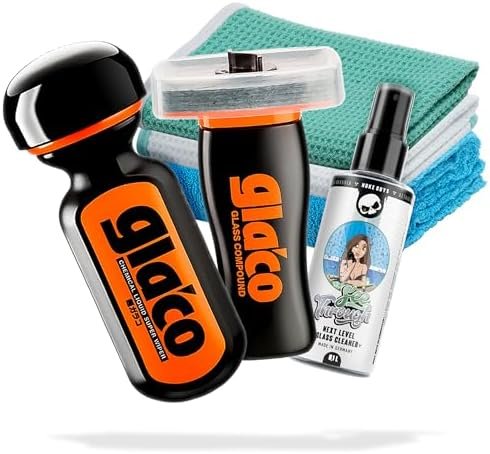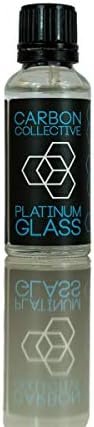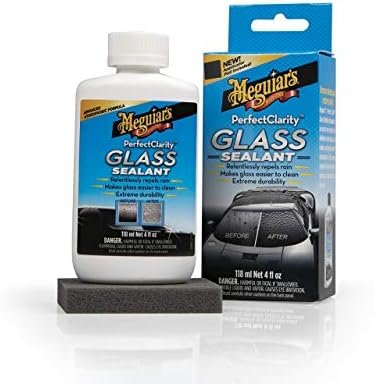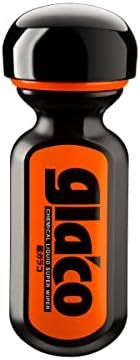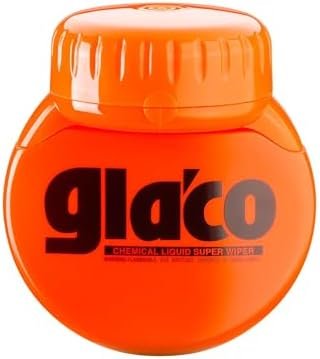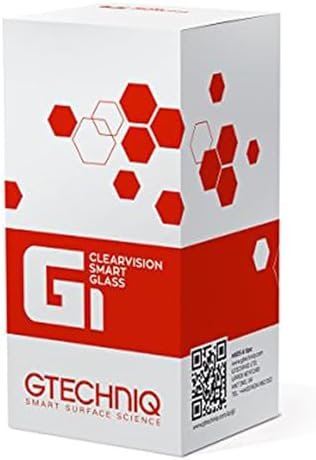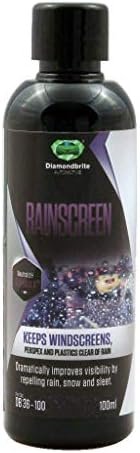




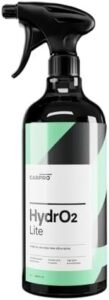

- Spray on, rinse off
- Use on paint, glass, wheels
- Up to 3 months durability
- UV and chemical resistant
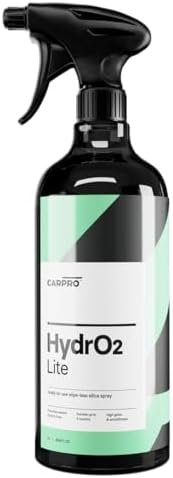
| Product | Our Rating | Key Specs | ||
|---|---|---|---|---|
Hydro 2 Lite Spray
|
|
Check Latest Price | ||
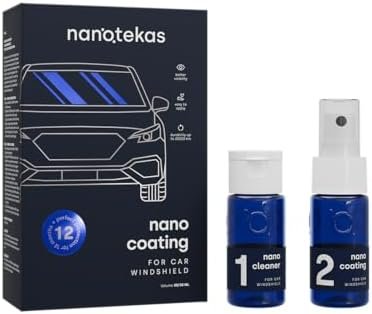
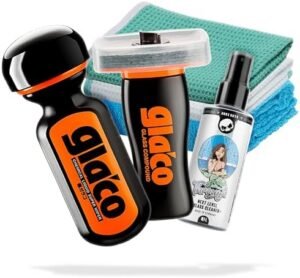
Glaco Sealant Set
|
|
Check Latest Price | ||
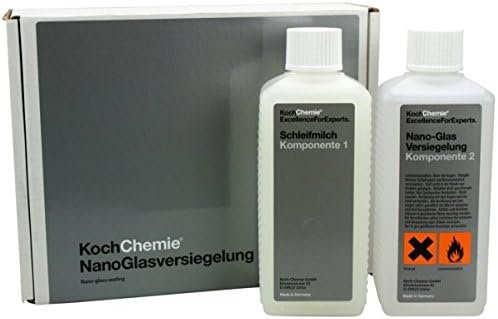
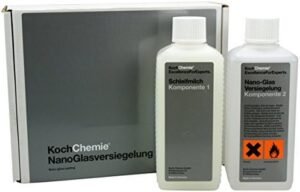
Nano Glass Sealant
|
|
Check Latest Price | ||
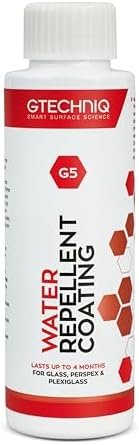
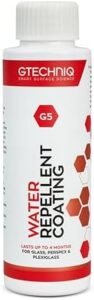
G5 Coating
|
|
Check Latest Price | ||
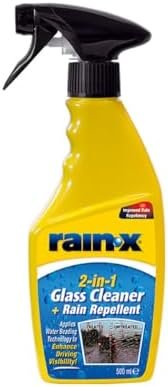
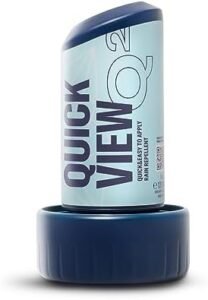
Q² QuickView
|
|
Check Latest Price |
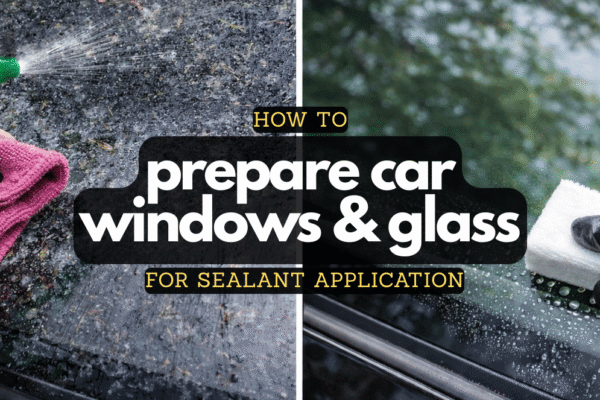
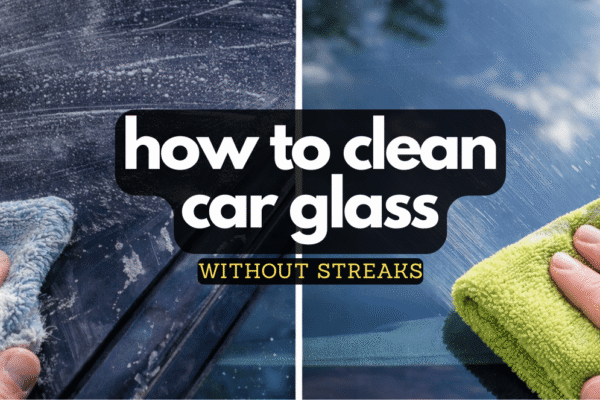
Glass sealant adds a hydrophobic layer to your glass that causes water to bead and roll away rather than spread. The result is clearer visibility in rain, longer intervals between wipes, and glass that stays cleaner for longer without specialist skills or permanent commitment. Start from a spotless base with glass cleaner before you seal.
A hydrophobic treatment, not a permanent solution or a cleaning product.
Four formats with different application methods, durability, and ease of use.
Most common
The most popular format. Spray onto clean glass, spread with a cloth, and buff off any residue. Quick to apply and easy to top up when protection starts to fade.
Best for beginnersMore control
Applied with an applicator pad or cloth. Spread the sealant across the glass, let it haze slightly, then buff to clarity. More effort, but better bonding.
Better durabilityBest balance
Use synthetic chemistry to create a durable hydrophobic layer. Stronger than basic spray treatments and can last several months in the right conditions.
Longest lastingBudget option
Common in older or budget-friendly products. Provide decent water repellency but don't last as long as polymer alternatives and can attract more dirt over time.
Short-term protectionGlass sealant sits between regular cleaning and a full ceramic coating in both effort and durability.
Match the product to how often you want to reapply and which glass you're treating.
Polymer-based or wipe-on sealants offer better durability. They cost more upfront but need reapplying less often, which can save time and money over the course of a year.
Spray sealants are the easiest option. They're quick to apply and work well if you're happy to top up protection every few weeks without much preparation time.
Any sealant works well here because there's no wiper abrasion. Even basic spray products can last months on side windows, making reapplication less of a priority.
Expect any sealant to wear faster here. Polymer or wipe-on products may hold up slightly better, but regular reapplication is still a normal part of glass maintenance.
Start with a spray sealant. They're forgiving, quick to use, and let you learn how the product behaves without much risk of application errors. Once you understand how glass sealants work, you can move up to wipe-on or polymer options.
Most sealant problems come down to preparation, application conditions, or expectations.
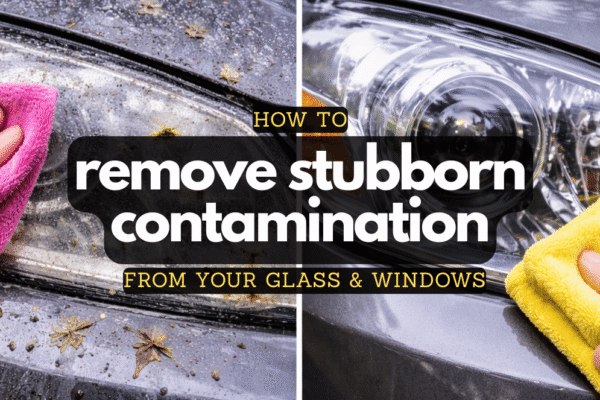
Sealants bond to whatever is on the surface. If the glass has grime, grease, or old product residue, the new sealant won't bond properly. Always clean thoroughly first with a dedicated glass cleaner before any sealant application.
No sealant lasts forever, especially on windscreens. Wipers, washing, and weather all degrade protection over time. Plan to reapply regularly rather than treating the first application as a one-off job.
A thin, even layer is all you need. Excess product just creates streaks and haze that you'll have to buff off afterwards. Less is more with glass sealants, and using the right amount makes buffing much easier.
Hot glass causes the product to dry too quickly, making it difficult to spread evenly and buff to a clear finish. Always work in shade or on cool glass to give the product time to bond correctly before buffing.
Leaving haze or streaks on the glass reduces visibility and makes the sealant less effective as a result. Buff with a clean glass cloth until the surface is completely clear. If streaks remain, a light second buff usually clears them.
Layering different products can cause compatibility issues, streaking, or reduced performance. Stick with one product or fully remove the old sealant before switching to a different brand or formula.
Four steps that confirm the sealant has bonded and keep it working longer.
01
Spray water onto the glass and check that beads form and roll off cleanly. If water sheets or sticks, the sealant may need another application or more thorough buffing.
02
Most sealants need time to cure fully. Washing too soon can reduce bonding and shorten durability. Check the product instructions for specific curing times before you drive in rain or wash the car.
03
Pay attention to when water stops beading as effectively. This tells you when reapplication is needed and helps you understand how long the product lasts in your conditions.
04
Dirt and contamination reduce sealant effectiveness. Regular cleaning with a compatible glass cleaner helps maintain water repellency between reapplications.
Click through to check today's price and availability from trusted retailers.
Find the best UK detailing products across our range of categories.


Your independent guide to the best car detailing products in the UK.
Hundreds of car cleaning products, pulled from trusted UK retailers across every category - shampoos, sealants, interior, glass, tools and more.
Customer ratings, review volume, price-to-performance and editor testing notes feed the score. No brand payments, ever.
Total Car Clean is 100% reader-supported. We may earn a small commission from affiliate links, but we remain unbiased to help you find the best products.