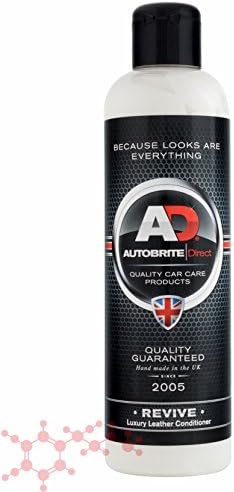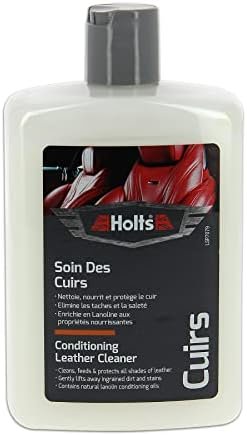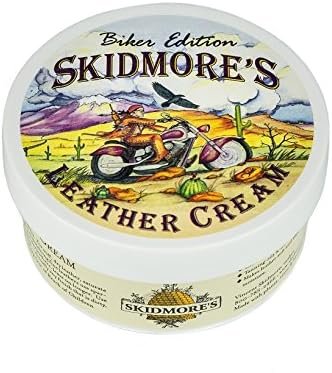




- pH-neutral natural formula
- Cleans and conditions in one
- UV protection built-in
- All leather types safe
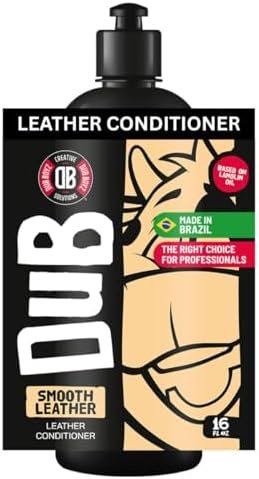
| Product | Our Rating | Key Specs | ||
|---|---|---|---|---|
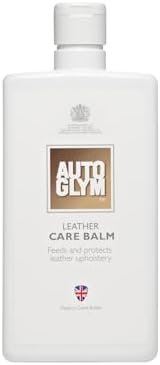
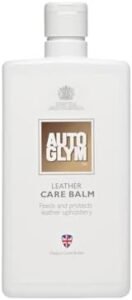
Leather Care Balm
|
|
Check Latest Price | ||
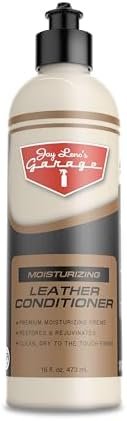
Leather Conditioner
|
|
Check Latest Price | ||
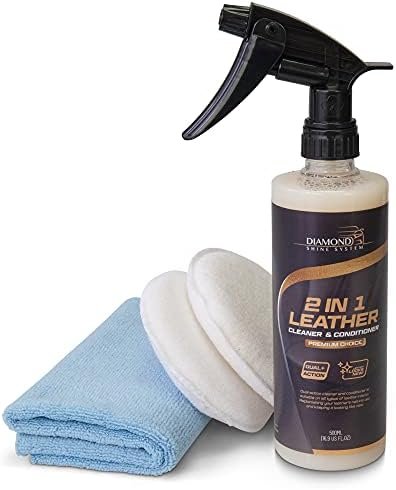
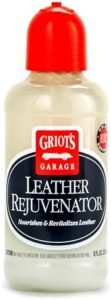
Leather Rejuvenator
|
|
Check Latest Price | ||
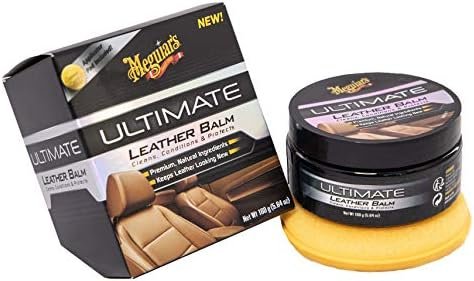
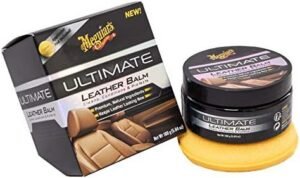
G18 Ultimate Leather Balm
|
|
Check Latest Price | ||
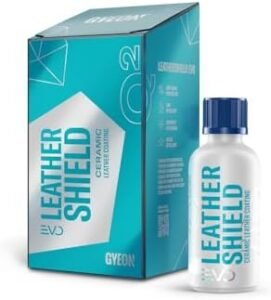
Q² LeatherShield EVO
|
|
Check Latest Price |
After cleaning, leather can lose some of its natural balance. Conditioners help restore a more natural finish, reduce dryness, and keep the surface looking consistent rather than worn or shiny. The goal isn’t to make leather greasy or glossy — it’s to keep it looking like leather should: soft, matte, and well-maintained.
A maintenance step to preserve condition, not a fix for damage.
Four formats from everyday maintenance to deeper nourishment.
Four steps that make the difference between a good result and a greasy mess.
Conditioning over dirty leather traps contamination against the surface and reduces how well the product works. A clean surface ensures the conditioner is actually treating the leather, not sealing in oils and grime.
The most common mistake is applying too much product. A thin, even layer performs better than a thick one. Work with a soft applicator pad or microfibre cloth, using small circular motions to distribute the conditioner uniformly.
Some conditioners benefit from a short dwell time — check the product instructions. Coated automotive leather doesn’t absorb the way raw leather does, so extended wait times are rarely necessary and can lead to product sitting on the surface.
Use a clean, dry microfibre cloth to buff off any remaining product. This removes excess that would otherwise leave a greasy or shiny film, and gives the leather a natural, even finish. If the surface still feels tacky, more buffing is needed.
Match the product to your leather’s condition and how often you maintain it.
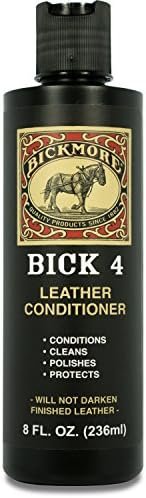
A standard conditioner is the safest and most balanced option for ongoing use. It’s suitable for leather that’s well-maintained and just needs occasional replenishment rather than deep treatment.
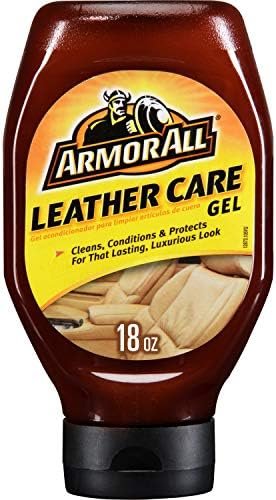
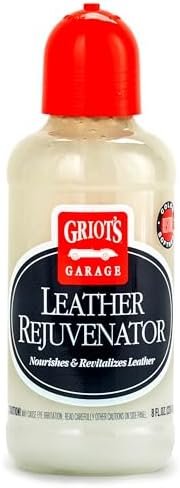
A cream or balm conditioner offers a more noticeable effect. The thicker formula provides more conditioning per application and is better suited to leather that standard products haven’t fully addressed.
Spray conditioners are easier to apply across large surfaces and are ideal for keeping well-maintained leather topped up between more thorough conditioning sessions. Expect lighter results than cream formats.
Hybrid cleaner-conditioners work for light maintenance on leather that isn’t heavily soiled. They’re less effective than separate products used in sequence, but convenient when time is limited and the leather only needs a quick refresh.
Choose a product described as leaving a natural, matte finish rather than a shiny or glossy one. Well-conditioned automotive leather should look like good leather — not plastic. If a product leaves a visible sheen, you’ve either used too much or chosen a formula that isn’t suited to coated surfaces.
Most issues come from over-application or skipping the cleaning step.
Too much conditioner leaves the surface greasy or artificially shiny. It also attracts dust and can build up over time into a sticky layer that actually makes leather harder to clean. Less product, applied evenly, gives a better result every time.
Conditioning before cleaning traps dirt, oils, and contamination against the surface rather than removing them. The conditioner then seals them in. Always clean first, let the surface dry, then condition.
Modern automotive leather is coated. Conditioners work on the protective surface layer rather than soaking into the hide. Don’t expect the same deep absorption you’d see with unfinished leather — the product is still beneficial, it just works differently.
Leather doesn’t need constant conditioning. Overuse allows product to build up on the surface, leading to a greasy feel and reduced breathability. Two to four times per year is enough for most interiors. Regular cleaning matters more than frequent conditioning.
Four steps to finish correctly and maintain results over time.
Work the product across the surface with a soft cloth or applicator. Even coverage prevents patchy results and reduces the risk of product pooling in seams or textured areas.
Follow the product’s instructions for dwell time. Most conditioners need only one to five minutes before buffing. Don’t leave the product to dry completely — it becomes harder to remove and can leave a residue.
Use a fresh microfibre cloth to remove any remaining product. The finished surface should look natural and matte, not shiny or tacky. If it still looks greasy, buff more thoroughly with a clean section of cloth.
Two to four conditioning sessions per year is the right cadence for most interiors. Focus more on consistent cleaning between sessions — that has a greater impact on leather condition than conditioning frequency.
Click through to check today's price and availability from trusted retailers.
Every few months is usually enough. Over-conditioning isn’t needed, especially on modern coated leather. Focus on cleaning regularly, then condition occasionally.
Not really. Most modern car leather is coated, so conditioners sit on the surface rather than absorbing deeply. They still improve appearance and help maintain the finish.
You can, but it’s not recommended. Applying conditioner over dirt traps contamination and reduces effectiveness. Always clean first for best results.
Usually too much product or the wrong type. Good conditioners should leave a natural, matte finish. Buff off any excess to reduce shine.
Find the best UK detailing products across our range of categories.


Your independent guide to the best car detailing products in the UK.
Hundreds of car cleaning products, pulled from trusted UK retailers across every category - shampoos, sealants, interior, glass, tools and more.
Customer ratings, review volume, price-to-performance and editor testing notes feed the score. No brand payments, ever.
Total Car Clean is 100% reader-supported. We may earn a small commission from affiliate links, but we remain unbiased to help you find the best products.