Best Professional Pressure Washers

13 products ready to shop 13 products Last checked Checked:

Top Professional Pressure Washers Picks from the TCC Team

Product Our Rating Key Specs
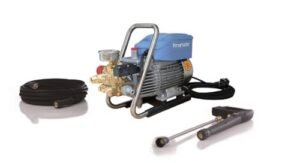
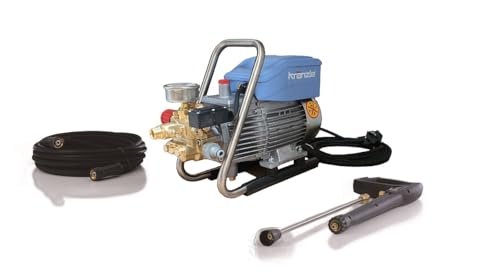
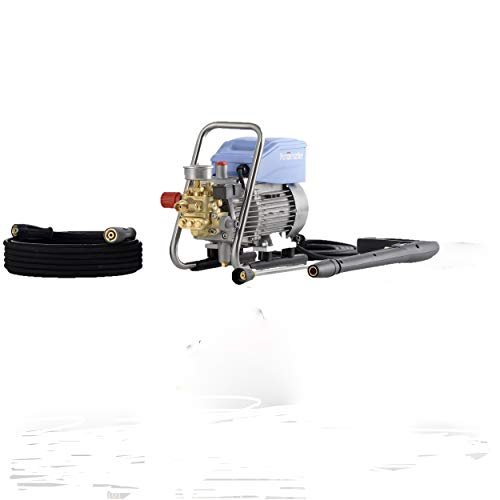
K7/122
4.9

An industry-leading professional pressure washer delivering exceptional durability, consistent pressure and flow, and long-term reliability for serious car care use.

  • 120 bar pressure
  • 600 l/h flow rate
  • Brass pump head
  • Slow RPM motor
Check Latest Price
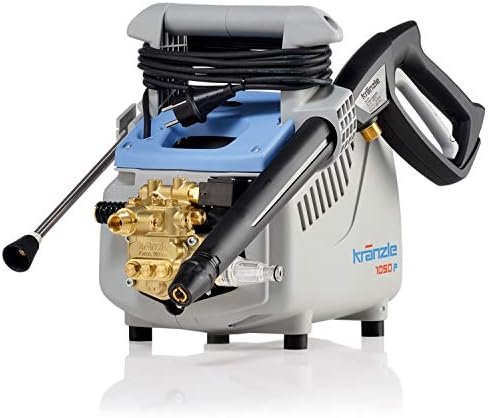
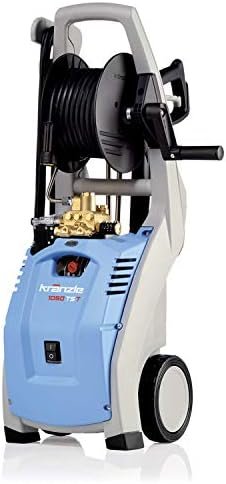
K10/122 TS
4.8

A compact professional-grade pressure washer combining Kränzle build quality with added usability features, making it ideal for demanding but space-conscious setups.

  • 120 bar pressure
  • Total Stop system
  • Compact steel frame
  • Integrated hose reel
Check Latest Price
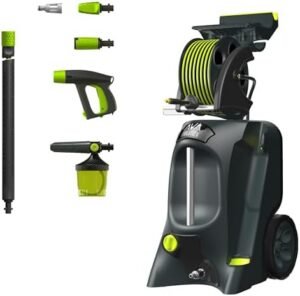
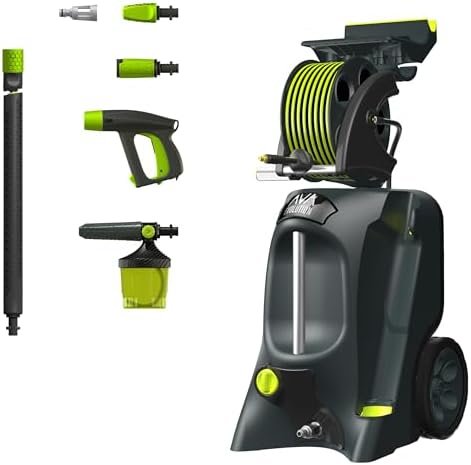
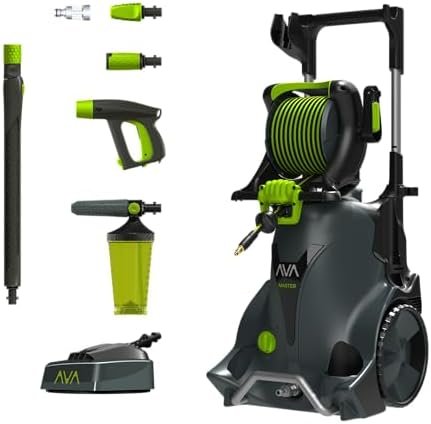
Evolution P70
4.6

A well-equipped prosumer pressure washer offering strong performance, high flow rate, and a comprehensive accessory system at a more accessible price point.

  • 150 bar pressure
  • 540 l/h flow rate
  • Long reinforced hose
  • Accessory bundle
Check Latest Price
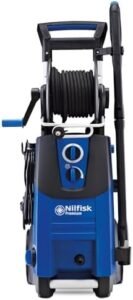
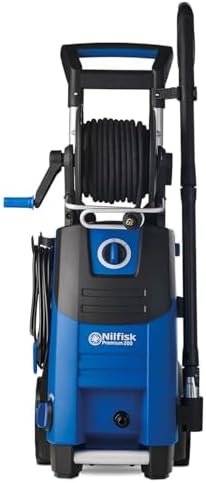
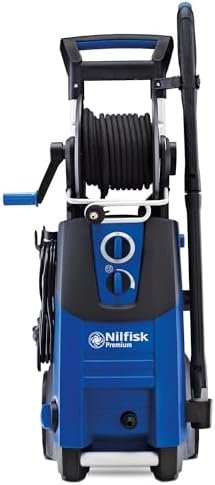
Premium 180
4.5

A powerful and accessible high-output pressure washer with strong cleaning capability and user-friendly design suited to stepping into higher-end detailing setups.

  • 180 bar pressure
  • 610 l/h flow rate
  • Aluminium pump
  • Hose reel included
Check Latest Price
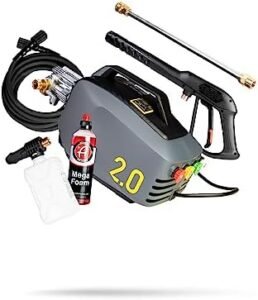
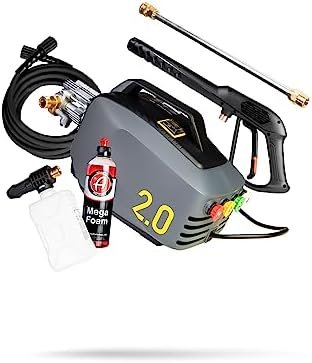
Active Pressure Washer 2.0
4.8

A detailing-focused pressure washer designed for ease of use and workflow efficiency, prioritising convenience and accessories over full industrial-grade construction.

  • 2.0 GPM output
  • Compact horizontal design
  • Stubby gun included
  • Foam cannon kit
Check Latest Price
#1 Best overall
K7/122 (Kranzle)
K7/122
4.9
  • 120 bar pressure
  • 600 l/h flow rate
  • Brass pump head
  • Slow RPM motor
#2 Top pick
K10/122 TS (Kranzle)
K10/122 TS
4.8
  • 120 bar pressure
  • Total Stop system
  • Compact steel frame
  • Integrated hose reel
#3 Best value
Evolution P70 (AVA of Norway)
Evolution P70
4.6
  • 150 bar pressure
  • 540 l/h flow rate
  • Long reinforced hose
  • Accessory bundle
#4 Daily driver
Premium 180 (Nilfisk)
Premium 180
4.5
  • 180 bar pressure
  • 610 l/h flow rate
  • Aluminium pump
  • Hose reel included
#5 Premium pick
Active Pressure Washer 2.0 (Adam's Polishes)
Active Pressure Washer 2.0
4.8
  • 2.0 GPM output
  • Compact horizontal design
  • Stubby gun included
  • Foam cannon kit
Professional Grade Pressure Washers

Built to Run All Day.

Professional pressure washers are engineered for sustained, commercial-frequency use. Where consumer electric machines overheat under continuous operation, professional models run at 100% duty cycle, all day, every day. The difference is not just the output rating. It is the pump type, the build quality, the thermal management, and whether the machine is still delivering consistent pressure at hour six that it delivered at hour one.

150-250+ bar Output range
100% Duty cycle
Triplex pump Pump type
Hot water Optional capability

What Separates a Professional Pressure Washer from a Consumer Model

It is not just the bar rating, it is what sustains that pressure hour after hour

01

Consumer electric pressure washers are built for intermittent home use, typically 20-40% duty cycles meaning the machine should rest for as long as it runs. At home this rarely matters. For a detailer running back-to-back vehicles, or a commercial operator cleaning a fleet, it matters a great deal.

02

Professional machines use triplex ceramic plunger pumps rather than the axial or wobble-plate pumps in consumer models. Triplex pumps run cooler, produce more consistent pressure, and are serviceable; worn seals and valves can be replaced rather than the whole unit discarded. The pump is where the investment lives.

03

Hot water capability is the other distinction that separates professional from consumer. Cold water pressure washers remove surface dirt and grime efficiently. Hot water at 60-80 degrees breaks down oils, grease, and organic contamination at a molecular level, cleaning that cold water simply cannot achieve regardless of pressure. For detailers handling engine bays, heavily contaminated vehicles, or commercial premises, hot water is not a luxury.

What Professional Pressure Washers Are (and Aren't)

Understanding the use cases that justify the investment

+
What they are
  • Run continuously for hours at commercial-grade output without overheating
  • Deliver consistent pressure throughout the session without degradation
  • Handle daily use in a commercial detailing environment reliably
  • Available with hot water capability for grease, oil, and organic contamination
  • Serviceable, pump components replaceable rather than whole-machine replacement
  • Offer flow rates and pressure combinations that consumer machines cannot sustain
x
What they aren't
  • The right choice for someone washing one car at home weekly, a mid-range electric washer handles that at a fraction of the cost
  • Compact or easy to store, professional units are significantly larger and heavier
  • Necessarily easier to use, higher pressure demands more technique to avoid surface damage
  • Always mains-powered, many professional units require 3-phase power or generator supply

Three Professional Formats to Know

Each is optimised for a different commercial use case

Type 01
Cold Water Professional
High-output cold water machines built for sustained commercial use
Most common
  • The most widely used professional format, delivers 150-250 bar at consistent output for all-day operation
  • Triplex pump handles continuous duty cycles without the thermal limitations of consumer axial pumps
  • Suitable for vehicle washing, fleet cleaning, and external building work
  • Cold water cleans effectively for most surface contamination including road grime, mud, and general soiling
Cold water professional is the right choice for most detailing businesses. Hot water adds cost and complexity that only pays off when oil or grease contamination is regular.
Type 02
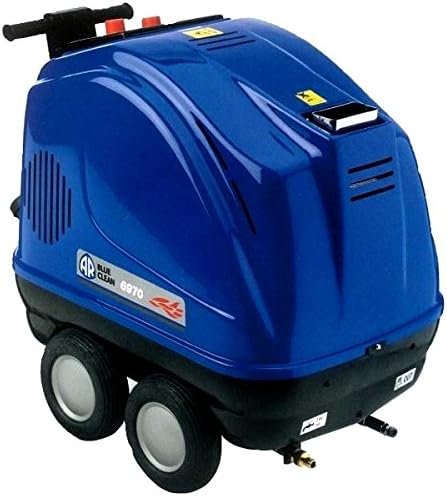
Hot Water Professional
Heated water for grease, oil, and contamination that cold water cannot touch
Best for grease
  • Water heated to 60-80 degrees breaks down oil, grease, and organic material at a molecular level
  • Removes contamination in a single pass that cold water cannot shift regardless of pressure
  • Essential for engine bay cleaning, commercial kitchen equipment, agricultural vehicles, and heavily soiled machinery
  • Higher purchase cost and fuel or electrical heating cost, justified only when grease and oil contamination is regular
If your work involves engine bays, agricultural or plant machinery, or any surface with oil-based contamination, hot water pays back its cost premium quickly in time saved.
Type 03
Industrial and Trailer-Mounted
Maximum output, self-contained units for large-scale commercial operations
Maximum scale
  • Self-contained units with their own water tank, generator, and pump, fully independent of mains supply
  • Output typically 200-350 bar at high flow rates for fleet cleaning, construction sites, and agricultural use
  • Trailer or skid-mounted for transport between commercial sites
  • Significant capital investment justified by volume, typically running 8+ hours daily across large operations
Industrial units are for professional operations running at scale. For a detailing business washing 10-20 cars per day, a static cold water professional machine is usually a better fit.

The Four Factors That Separate Professional from Consumer

Understanding these before buying prevents an expensive mismatch

Duty Cycle
Duty Cycle
Pro standard: 100%, run all day without rest

Consumer machines run at 20-40% duty cycle. A professional machine rated at 100% duty cycle can operate continuously without a rest period. For detailers working back-to-back vehicles, this is the single most important number.

  • Check duty cycle in the specification, not just bar rating
  • Consumer machines overheat under commercial-frequency use even at low pressure
  • A machine that needs 20 minutes rest per hour loses 33% of your working day
  • Professional duty cycle is what justifies the price premium over a high-spec consumer model
Pump Type
Pump Construction
Pro standard: Triplex ceramic plunger

Triplex ceramic plunger pumps run cooler and are fully serviceable. Axial and wobble-plate pumps in consumer machines are sealed units that are replaced rather than repaired when they fail. The pump is where long-term running costs diverge significantly.

  • Triplex pumps are rebuildable: seals, valves, and pistons are all replaceable
  • Ceramic-coated pistons resist abrasion significantly better than plastic
  • Consumer pump replacement often costs 40-60% of the machine's original price
  • Pump oil maintenance is essential, check and change intervals in the manual
Pressure and Flow
Pressure and Flow Rate Combined
Pro standard: 150-250 bar at 15-25 litres per minute

Bar rating alone is only half the picture. A professional machine at 180 bar and 20 litres per minute cleans faster and more effectively than a consumer machine at 180 bar and 7 litres per minute. The combination of pressure and volume is what professional output actually means.

  • Compare litres per minute alongside bar when shortlisting
  • Higher flow rate means faster coverage on large surfaces
  • Commercial vehicle wash uses more water, budget for the supply
  • Some professional units require 3-phase power to run pump and heater simultaneously
Hot Water
Hot Water Capability
Pro standard: 60-80 degrees Celsius heated output

Cold water removes surface soiling. Hot water dissolves oils, grease, and organic contamination that cold water cannot break down regardless of pressure. Detailers who regularly handle engine bays, agricultural vehicles, or commercial premises find hot water eliminates the chemical dwell time cold water requires.

  • Oil and grease contamination is removed in a fraction of the time with hot water
  • Sanitisation for food-grade premises and animal facilities often requires hot water
  • Fuel cost for the burner is an ongoing operational consideration
  • Cold rinse after a hot wash avoids thermal shock on sensitive components
"The most expensive mistake in professional pressure washer buying is choosing on bar rating alone. A 200-bar consumer machine running at 35% duty cycle costs you more in downtime and early replacement than a 180-bar professional machine running reliably at 100% for five years."

How to Choose the Right Professional Pressure Washer

Match the specification to the actual volume and type of work you do

For professional detailers with back-to-back vehicles

Cold water triplex, 150-200 bar, 100% duty cycle

A cold water professional machine with a triplex pump and 100% duty cycle rating handles this without thermal interruption. 150-200 bar at 15+ litres per minute covers most car washing and exterior detailing needs at commercial frequency.

For commercial premises and fleet cleaning

20+ LPM at 150-180 bar with surface cleaner

Higher flow rate matters as much as pressure here. Look at 20+ litres per minute at 150-180 bar, preferably with a surface cleaner attachment for large flat areas. Trailer-mounted units offer site mobility for operations spread across multiple locations.

For engine bay, agricultural, or grease-contaminated work

Hot water at 70 degrees, the direct answer

Hot water is the answer. Cold water and chemical dwell time can achieve similar results eventually, but hot water at 70 degrees removes oil contamination in seconds rather than minutes. The fuel running cost is typically offset by the time saved per vehicle.

When your consumer machine keeps breaking down

Total cost of ownership favours professional sooner than expected

If you are replacing consumer machines every 12-18 months under commercial-frequency use, the annual cost often exceeds the purchase of a single professional unit with a 5-10 year service life. Total cost of ownership favours professional earlier than most buyers expect.

Not sure professional grade is necessary?

Run the maths first

If you wash 5 or fewer cars per week and do not need continuous operation, a high-spec electric washer at 160+ bar handles the work without professional cost. Professional grade earns its keep at daily commercial frequency, typically 8+ vehicles per day or sessions exceeding 2 hours without a break. See our Electric Pressure Washer guide for a full comparison of what that tier delivers.

Common Professional Pressure Washer Mistakes to Avoid

The decisions that lead to premature machine failure or poor return on investment

Mistake 01

Buying professional spec for occasional home use

A professional machine washing one car weekly is a poor investment. The capital cost, footprint, and maintenance requirements are calibrated for commercial frequency. An electric washer at 160 bar is more cost-effective for home use in every respect.

Mistake 02

Underestimating the water supply requirement

Professional machines at 20+ litres per minute deplete a standard garden tap supply quickly. Check your incoming water pressure and volume before buying. Many professional installations require a buffer tank to guarantee consistent supply.

Mistake 03

Neglecting pump oil maintenance

Triplex pumps require regular oil checks and changes, typically every 50 hours of operation or annually. Running low on pump oil is one of the most common causes of premature professional pump failure. Build the maintenance schedule into your workflow from day one.

Mistake 04

Using domestic detergents in professional chemical injection systems

Professional machines with chemical injection or downstream dosing are designed for professional-grade detergents at correct dilution ratios. Domestic washing-up liquid and consumer car shampoo foam at the wrong ratios and can block injectors or leave residue that degrades pump internals.

Power supply

Ignoring the power supply requirement before purchase

Some professional units, particularly hot water models, require 32A single-phase or 3-phase electrical supply. Discovering this after purchase is an expensive oversight. Check the supply specification in the product sheet before ordering and confirm your site's electrical capacity. Running an undersupplied machine on a standard 13A socket blows fuses, trips breakers, and risks motor damage.

What to Do After a Professional Pressure Washing Session

The maintenance steps that protect the pump and extend machine life

Step 01

Flush the system thoroughly

After every session, especially after chemical use, run clean water through the system at low pressure for at least 2 minutes. For hot water machines, allow the burner to shut off and flush cold water through before stopping the pump to prevent heat soak damage to seals.

Step 02

Check and log pump oil level

Make pump oil check part of every end-of-session routine. A quick visual inspection takes 30 seconds. Running low on oil in a triplex pump is the fastest route to a costly pump rebuild. Keep a maintenance log to track hours between oil changes.

Step 03

Store with antifreeze protection in cold conditions

Any machine stored in an unheated space during winter months needs pump antifreeze flushed through the system before storage. Water left in the pump, hose, and lance at sub-zero temperatures expands and cracks ceramic pistons, cylinder heads, and brass fittings.

Professional pressure washers are a capital investment that pays back through reliability, service life, and the ability to work without interruption. Choose the right duty cycle for your actual workload, maintain the pump correctly, and match the specification to the surfaces you clean. The machines that last are the ones that are looked after.

Browse All Professional Pressure Washers

Click through to check today's price and availability from trusted retailers.

Browse by Category

Find the best UK detailing products across our range of categories.

Our methodology

Your independent guide to the best car detailing products in the UK.

Step 01 · Sourcing

We start with every option

Hundreds of car cleaning products, pulled from trusted UK retailers across every category - shampoos, sealants, interior, glass, tools and more.

Step 02 · Scoring

Ranked by real-world signals

Customer ratings, review volume, price-to-performance and editor testing notes feed the score. No brand payments, ever.

Step 03 · Freshness

We keep it fresh and clean

Total Car Clean is 100% reader-supported. We may earn a small commission from affiliate links, but we remain unbiased to help you find the best products.

Independent No paid rankings UK-focused