Interior Care & Maintenance - Why it Matters More than People Think
You touch interior surfaces more than any other part of the car. Steering wheels, gear selectors, door handles—these get constant contact with skin oils, sweat, and whatever’s on your hands.
Neglected interiors wear faster and make the whole car feel tired. Dust settles into vents and seams. Spills bond to fabrics if left too long. UV damage cracks plastics and fades leather. From our experience, once deterioration starts, it’s much harder to reverse than it is to prevent.
We see this most often on cars that are cleaned regularly on the outside but rarely inside.
Clean interiors also affect how the car feels to drive. A grimy steering wheel or stale smell makes every journey less pleasant. Proper interior care isn’t about perfection—it’s about comfort, hygiene, and making the car a nicer place to be.
It also protects resale value. Buyers notice tired seats, cracked dashboards, and lingering odours immediately. Light, regular maintenance keeps interiors fresher for longer and prevents the kind of wear that’s hard to fix later.

What You Actually Need to Clean & Maintain a Car Interior
Interior cleaning doesn’t require dozens of products. Most people only need the right product for the surface they’re dealing with.
Interior Cleaners
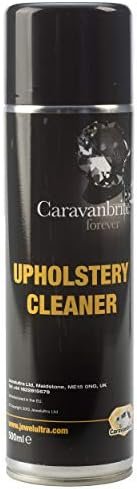
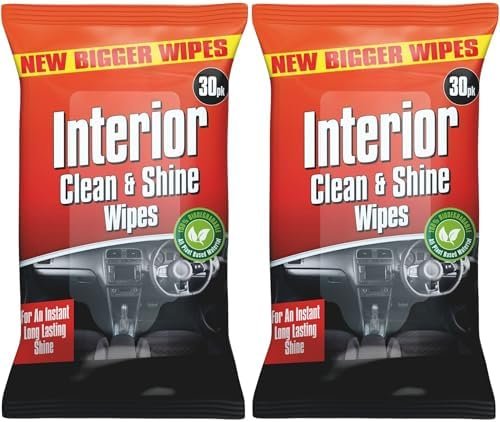
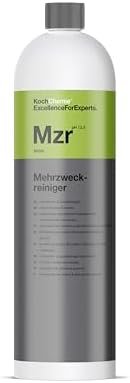
Interior cleaners are designed for plastics, trims, door cards, and other hard surfaces. They remove fingerprints, dust, and surface grime without leaving greasy residue.
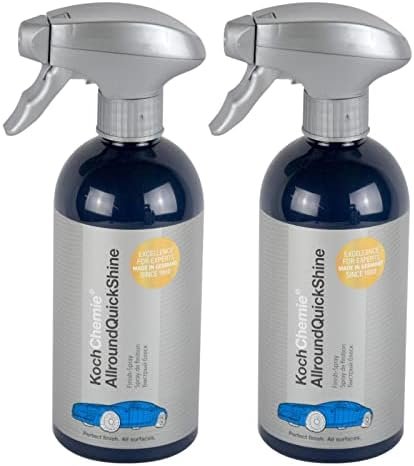
The key difference is between cleaning and dressing. Cleaners lift dirt. Dressings add shine or protection afterwards. From what we see in reviews, overly shiny interiors are one of the most common complaints—most users prefer a clean, factory-matte finish.
→ View Interior Cleaners
Leather Care
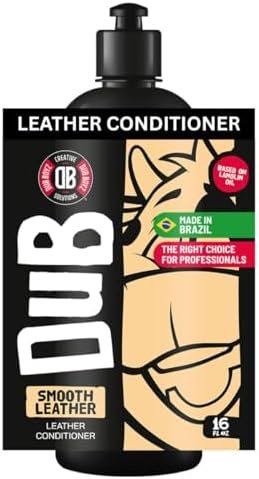
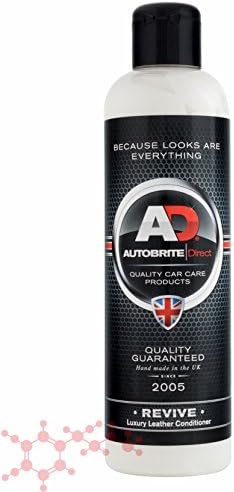
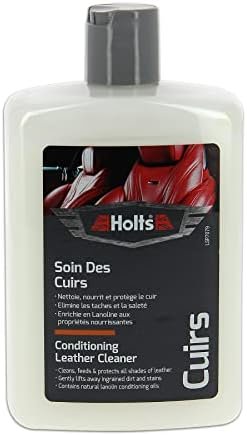
Leather needs two things: cleaning to remove oils and dirt, then conditioning to restore flexibility and prevent drying.
Modern automotive leather is coated, which means harsh products can do more harm than good. Aggressive cleaners can strip the protective layer. Over-conditioning is also a common mistake—light, regular treatments work better than heavy applications.
The general consensus from users is that leather responds best to gentle, consistent care rather than intensive treatments every few months.
→ View Leather Care Products
Fabric & Carpet Cleaners
Fabric traps dirt and odours more than most people realise. Seats, carpets, mats, and headliners all absorb spills and moisture, which leads to staining and smells if not dealt with promptly.
Foam cleaners work differently to liquid sprays. Foam lifts dirt to the surface where it can be wiped away. Liquid cleaners penetrate deeper but require more careful application to avoid over-wetting.
From what we see in reviews, lingering smells usually come from over-wetting fabrics and not allowing them to dry properly. Patience works better than aggressive scrubbing.
→ View Fabric & Carpet Cleaners
Odour Removal
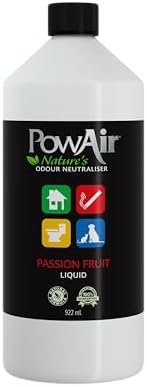
Odour removers tackle the source of smells rather than masking them. The difference between these and air fresheners matters—air fresheners cover up, odour eliminators break down bacteria and neutralise organic material causing the smell.
Enzyme-based products work on biological sources like food spills, pet accidents, or moisture-related smells. Fragrance-based products just add scent on top.
We regularly see feedback that masking smells rarely works long-term. Proper odour removal works best after cleaning, not before—otherwise you’re just perfuming dirt.
→ View Odour Removal Products
Pet Hair Removal
Pet hair embeds itself in fabric and carpet fibres in a way that makes vacuuming alone ineffective. Rubber brushes, blocks, and specialist tools create static friction that pulls hair to the surface.
What stands out in user feedback is how much time the right tool saves. Pet owners consistently describe this as the most frustrating interior problem until they find a proper pet hair tool.
These work best on dry surfaces. Dampness makes hair cling harder.
→ View Pet Hair Removal Products
Dashboard & Trim Care
Dashboard and trim products protect plastics from UV damage, which causes fading and cracking over time. Modern products focus on protection rather than shine—anti-glare matters for driving safety.
Most users want interiors to look clean, not glossy. From our experience, products that leave surfaces looking natural tend to get better long-term feedback than those that add heavy shine.
→ View Dashboard Care Products
How to Choose the Right Interior Products
- For regular maintenance
An interior cleaner and a microfibre cloth handle most day-to-day cleaning. This covers dashboards, door cards, and hard trims without complication.
- For families or daily drivers
Add fabric cleaner and odour remover to the basics. Spills and food residue happen more frequently, and dealing with them quickly prevents longer-term issues.
- For leather interiors
Leather cleaner plus conditioner. Clean first to remove oils and surface dirt, then condition to keep the leather supple. Light applications every few months work better than heavy treatments once a year.|
- For pet owners
A pet hair tool changes everything. Combine this with fabric cleaner to handle embedded hair and any odours. The hair tool should be the first purchase—it makes the rest of the cleaning easier.
- For resale preparation
Full interior clean, odour removal, and trim dressing if needed. Focus on high-contact areas like steering wheels and gear selectors, plus any visible wear on seats and carpets.
If you’re unsure, start with an interior cleaner and add products only when you encounter a specific problem. Simple, consistent cleaning beats owning every product.
Recommended Interior Cleaning Order
- Remove rubbish and loose items
Clear the space so you can work properly.
- Vacuum thoroughly
Get into seams, under seats, and between cushions. This removes loose dirt before wet cleaning.
- Clean hard surfaces
Dashboards, trims, door cards. Work from top to bottom so any drips or dust fall onto areas you haven’t cleaned yet.
- Clean fabrics or leather
Treat seats, carpets, or leather surfaces. Blot rather than scrub. Let fabrics dry completely before using the car again.
- Address odours if needed
Apply odour remover after cleaning, not before. It works better on a clean surface.
- Apply protection to leather or trims
If using a conditioner or UV protectant, apply sparingly. Less is more; buildup causes residue.
The key is to clean first, then protect. Applying dressing to dirty surfaces locks in grime rather than removing it.
Common Interior Cleaning Mistakes to Avoid
- Using household cleaners on car interiors
Household products aren’t formulated for automotive materials. They can leave residue on plastics, dry out leather, or damage coatings. This is one of the most common complaints we see—streaking, stickiness, or surfaces that attract dust afterwards.
- Over-wetting carpets and seats
Soaking fabric leads to long drying times, and trapped moisture causes mould and persistent smells. A light misting or foam application works better. We’ve found that patience with drying prevents most odour issues.
- Applying dressing to dirty surfaces
If you apply protectants or conditioners over dirt, you seal the grime in. Always clean first. What stands out in reviews is how often people notice streaking or uneven finishes when they skip this step.
- Using shiny products on dashboards
Glare from a glossy dashboard is distracting and unsafe. Most users prefer a matte, natural finish. Products that add excessive shine also attract more dust.
- Ignoring high-touch areas
Steering wheels, gear selectors, and door handles collect the most oils and grime but often get overlooked. These areas need regular attention—weekly wipes make a noticeable difference.
- Scrubbing fabrics aggressively
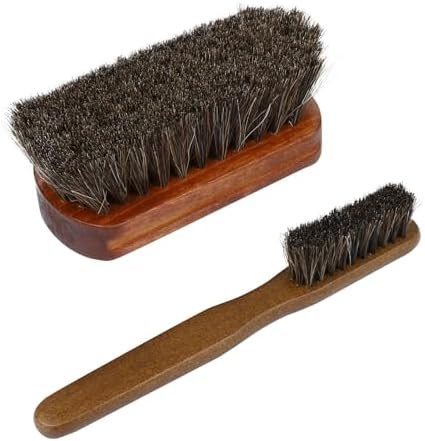
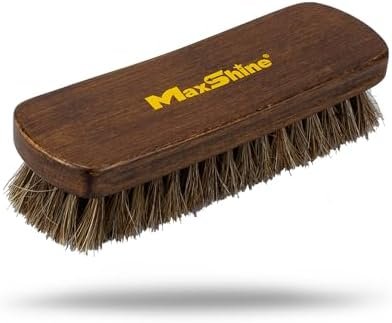
Hard scrubbing damages fibres and pushes stains deeper. Blotting lifts spills, and gentle agitation with a brush works better than heavy pressure. From what we see, users who switch to gentler methods get better results with less effort.
What to Do After Cleaning the Interior
Once the interior’s clean, light and regular maintenance keeps it fresher for longer. A quick wipe of high-contact areas once a week prevents build-up and makes deep cleans less frequent.
Prevent moisture build-up by leaving windows cracked slightly when parked for long periods, or using moisture traps if the car sits unused. This stops condensation from creating odours or mould inside fabrics.
If you’ve applied leather conditioner or trim protection, avoid re-applying too soon. Over-treatment creates sticky residue that attracts dirt. From our experience, less frequent but consistent applications work better.
A clean interior isn’t about perfection. It’s about comfort, hygiene, and making the car a nicer place to be. The difference between a neglected interior and a maintained one comes down to small, regular efforts rather than occasional deep cleans.