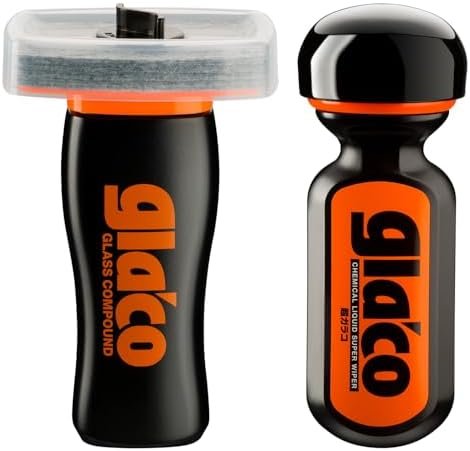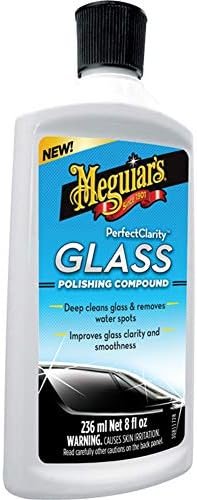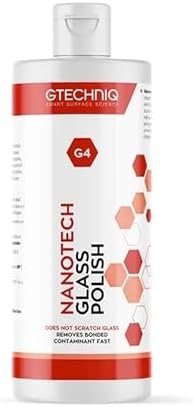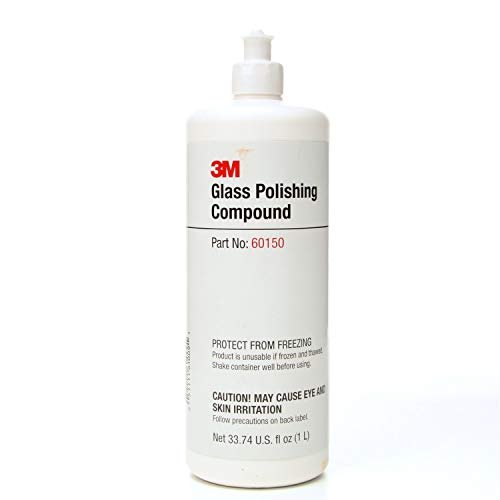




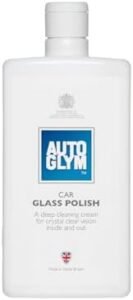

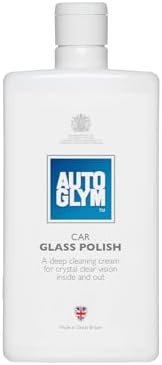
- Deep-cleaning cream formula
- Reduces misting /fogging
- Improves wiper performance
- Interior and exterior use
| Product | Our Rating | Key Specs | ||
|---|---|---|---|---|
Glass Polish
|
|
Check Latest Price | ||
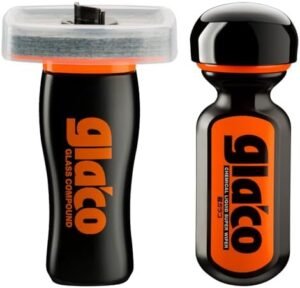
Glaco Glass Compound Set
|
|
Check Latest Price | ||
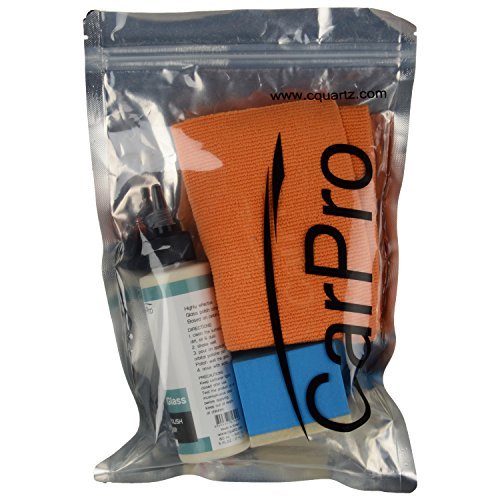
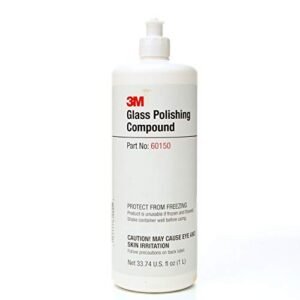
Glass Polishing Compund
|
|
Check Latest Price | ||
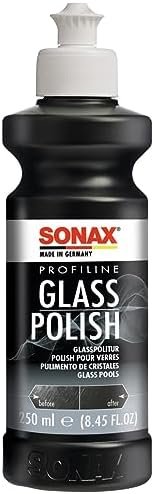
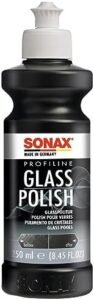
Profiline Glass Polish
|
|
Check Latest Price | ||
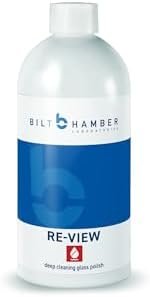
Re-view
|
|
Check Latest Price |
Glass polish is an abrasive correction step: it removes bonded residue and fine defects that glass cleaner alone won't lift. It is not everyday cleaning, so reserve it for glass that still looks dull, scratched, or contaminated after a proper wash and chemical clean.
Understand when abrasion helps, and when another category is the right tool.
Match abrasive level to defect severity, as most maintenance jobs stay on the lighter side.
Everyday refinement
Fine-cut abrasives paired with foam or microfibre interfaces remove light dullness, minor water spotting film, and faint wiper chatter without needing machines.
Shop categorySerious correction
Higher-cut abrasives tackle etched mineral crust, stubborn traffic film staining, and heavier wiper defects, but demand disciplined technique.
Shop categoryDiagnose the failure mode before you reach for abrasive polish.
Greasy fingerprints, pollen dust, and fresh traffic film respond to solvent cleaners and plush towels, not abrasion.
Bonded mineral haze, mild water rings, or faint wiper tracks persist even after clay-safe prep, which signals you're ready for fine polish.
Rock impacts, crack networks, or severe pitting exceed cosmetic polishing, and risk climbs quickly without specialist tooling.
Frame the job around defect depth, panel access, and what you'll apply afterward.
Start with fine hand polish after chemical cleaning. If minerals are baked on, validate whether a dedicated water spot remover fits the panel before jumping to aggressive glass compounds.
Isolate whether rubber residue or ultra-fine scratches cause chatter. Replace degraded blades after polishing so defects don't immediately return.
Polish only until contamination clears, then lock clarity in with glass sealant. Protection adheres better to bare, polish-cleaned silica than oily residue.
Strip tar or sap using tar remover workflows suited to glass, rinse thoroughly, then polish. Dragging unresolved bonded grit accelerates scratching.
Most mishaps trace back to skipping cleaning stages or polishing in hostile environments.
Reach for polish only after glass is chemically clean and dry. If clarity snaps back after glass cleaner alone, you never needed abrasive correction.
Abrasives grind leftover grit into silica. Complete wash, chemical clean, and inspect under angled light before touching polish.
Heat accelerates drying, traps dusty residue, and makes judging clarity unreliable. Work cool panels in shade whenever possible.
Unremoved residue reads as fog under headlights. Buff until wipes glide cleanly, especially along mirror bases and seal channels.
Protect the clarity you restored and keep maintenance cycles sensible.
01
Rotate through daylight, shade, and night glare angles, since polish residue hides easily until you're on the road.
02
Freshly polished glass takes glass sealant beautifully; skipping protection invites immediate redeposition.
03
Judder usually traces back to worn rubber, so even perfect polish won't survive blades dragging contamination.
04
Use gentle glass cleaner routines between correction sessions, since abrasion should be occasional, not weekly.
Click through to check today's price and availability from trusted retailers.
Glass polish helps remove stubborn residue, light haze, traffic film, and mild spotting that normal glass cleaner often leaves behind. It is mainly used to improve clarity and smoothness rather than routine cleaning.
It can often improve or remove lighter water spots, especially if they have not etched deeply into the glass. Heavier or older spotting may still remain partly visible even after polishing.
Not always. Cleaner is enough for normal maintenance. Polish is for when the glass still looks hazy, rough, or marked after a proper clean.
Yes, many glass polishes are designed for hand use. It is slower than machine correction, but it is often enough for light defects and general clarity improvement.
Remove all residue, inspect the glass properly, and then consider applying a glass sealant if you want better water beading and easier maintenance afterwards.
Find the best UK detailing products across our range of categories.


Your independent guide to the best car detailing products in the UK.
Hundreds of car cleaning products, pulled from trusted UK retailers across every category - shampoos, sealants, interior, glass, tools and more.
Customer ratings, review volume, price-to-performance and editor testing notes feed the score. No brand payments, ever.
Total Car Clean is 100% reader-supported. We may earn a small commission from affiliate links, but we remain unbiased to help you find the best products.