


Best Tar Removers for Safe Paint Cleaning

13 products ready to shop 13 products Last checked Checked:

Top Tar Remover Picks from the TCC Team

Product Our Rating Key Specs
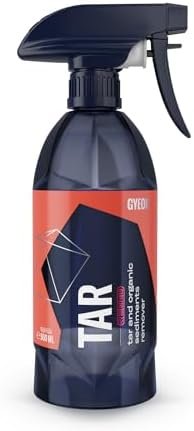
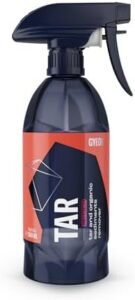
Q²M Tar
4.7

A pH-neutral tar remover that dissolves tar, asphalt, and organic contamination from paint, glass, and plastic trim without mechanical action.

  • pH-neutral formula
  • Safe on coated surfaces
  • Reduces need for claying
  • Paint, glass, and trim safe
Check Latest Price
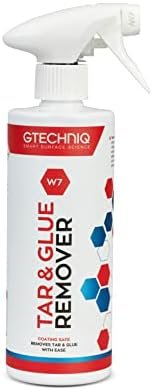
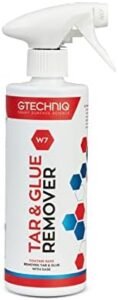
W7 Tar and Glue Remover
4.5

A full-strength solvent-based formula that eliminates tar and adhesive residues without compromising Gtechniq coatings or uncoated paintwork.

  • Full-strength solvent base
  • Coating-compatible formula
  • Tackles tar and adhesive
  • Not for PPF or vinyl
Check Latest Price
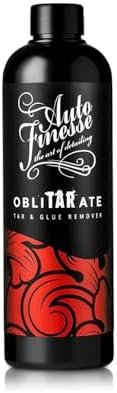
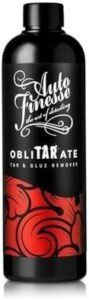
Oblitarate Tar & Glue Remover
4.5

A powerful solvent formula that dissolves tar, glue, and stubborn residues on contact, reducing clay bar wear and minimising scratch risk.

  • Dissolves on contact
  • Extends clay bar life
  • Handles extreme contamination
  • Paint and bare metal safe
Check Latest Price
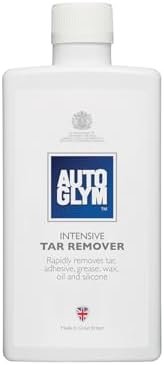
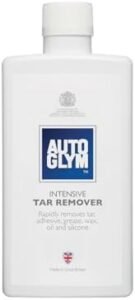
Intensive Tar Remover
4.3

A fast-acting remover that tackles tar spots, adhesive residues, fuel stains, and tree sap on exterior surfaces and interior fabrics.

  • Exterior and interior use
  • Removes tar, sap, and adhesive
  • Works on alloys and trim
  • Trusted mainstream brand
Check Latest Price
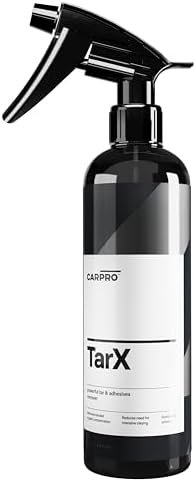
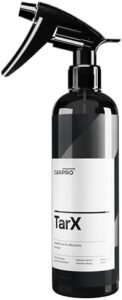
Tar X
4.6

A natural citrus solvent remover that lifts tar, asphalt, insects, adhesives, and traffic film with over 60% active ingredients and no harsh chemicals.

  • Natural citrus solvents
  • 60%+ active ingredients
  • Glow tracer for visibility
  • Bug and tar removal
Check Latest Price
#1 Best overall
Q²M Tar (Gyeon)
Q²M Tar
4.7
  • pH-neutral formula
  • Safe on coated surfaces
  • Reduces need for claying
  • Paint, glass, and trim safe
#2 Top pick
W7 Tar and Glue Remover (Gtechniq)
W7 Tar and Glue Remover
4.5
  • Full-strength solvent base
  • Coating-compatible formula
  • Tackles tar and adhesive
  • Not for PPF or vinyl
#3 Best value
Oblitarate Tar & Glue Remover (Auto Finesse)
Oblitarate Tar & Glue Remover
4.5
  • Dissolves on contact
  • Extends clay bar life
  • Handles extreme contamination
  • Paint and bare metal safe
#4 Daily driver
Intensive Tar Remover (Autoglym)
Intensive Tar Remover
4.3
  • Exterior and interior use
  • Removes tar, sap, and adhesive
  • Works on alloys and trim
  • Trusted mainstream brand
#5 Premium pick
Tar X (CarPro)
Tar X
4.6
  • Natural citrus solvents
  • 60%+ active ingredients
  • Glow tracer for visibility
  • Bug and tar removal
Tar Remover

Patience, Not Force.
Let the Chemistry Do It.

Tar bonds aggressively to paint and cannot be removed safely with washing alone. Road tar hardens over time and scrubbing it causes scratches. From our experience, most tar damage comes from improper removal, not from the tar itself.

2 Product types covered
0 Scrubbing needed
Tar dissolved safely
Dwell time does the work

Tar Hardens Over Time. So Does the Damage From Removing It Wrong.

The removal method matters as much as the product, this is where most mistakes happen.

🛣️

Tar Bonds Directly to Paint

Road tar and bitumen spray splash up from the road surface and bond to paint as they cool. They cannot be washed off and grow harder the longer they are left. The longer tar sits on paint, the more force people feel is required to remove it, and that is where damage happens.

⚠️

Scrubbing Causes Scratches

Tar is often gritty and abrasive underneath. Rubbing it before it has been softened drags those particles across the clear coat. From our experience, the scratches that result from tar removal almost always come from the technique, not the tar itself.

🧪

The Product Needs to Do the Work

Tar removers dissolve the bond between the tar and the paint. Applied correctly with enough dwell time, most tar spots wipe away with no pressure at all. The whole point is to let the chemistry do what force cannot do safely.

What Tar Remover Is (and Isn't)

A targeted solvent product, not a general cleaner, not a replacement for iron remover.

✓ What it is

A solvent that dissolves petroleum-based contamination without scrubbing

Designed to dissolve tar, bitumen, adhesives, and similar sticky petroleum-based residues
Works by softening and breaking the bond between the contamination and the paint surface
Removes stubborn spots that washing, pre-wash, and iron remover cannot shift
An occasional-use product applied only to affected areas, not the whole car
✗ What it isn't

A general cleaner or a substitute for iron remover

It does not remove iron contamination or bonded metallic fallout, that requires a separate iron remover
It is not a general cleaner and should not be used as a substitute for washing or pre-wash
It is not safe for prolonged contact with rubber seals, plastics, or trim on all formulas
It does not need to be used regularly, only when tar or sticky contamination is actually present
⏱️

Dwell time is what makes it work. Tar remover needs time to break down the bond before you wipe. Applying it and immediately wiping reduces effectiveness and increases the chance that you are dragging residue across the paint. Spray, wait, then gently wipe with a clean microfibre.

Two Formulas, Power vs. Safety

The choice comes down to how stubborn the tar is and where on the car it is sitting.

Solvent-Based Tar Removers

Fastest dissolving power
Strongest

Solvent-based products have strong dissolving power and work quickly. They are effective on heavy tar spotting and older, more hardened deposits. What stands out is how fast they work, but that also means they need rinsing promptly and careful use around plastics and rubber seals.

Fast action on heavy or hardened tar deposits
Effective on older spots that have been left to harden
Works quickly, reducing overall dwell time
Requires care around rubber seals, trims, and plastics
Needs prompt rinsing, do not allow to dry on the surface

Best for heavy tar spotting on paintwork and wheel arches. Use carefully near trim and rinse as soon as the tar has lifted.

🍋

Citrus-Based Tar Removers

Safer around trim and seals
Gentler

Citrus formulas are milder and take longer to work. They are gentler on trims, rubber seals, and delicate areas, which makes them a safer choice for detailed work around door edges and window surrounds. Most people find them easier to use without concern about surface damage.

Gentler on plastics, trims, and rubber seals
Lower risk of surface damage on delicate areas
Good for light tar contamination and occasional spot treatment
Takes longer to dissolve heavier or older tar deposits
May need a second application on very stubborn spots

The safer everyday choice for light tar spotting and use around trim. If you need patience in exchange for less risk, this is the right formula.

Match the Formula to the Job

One is faster and stronger, one is gentler and more forgiving, the tar tells you which you need.

🔩

For Heavy Tar Spotting

Solvent-based products handle thick, stubborn tar and older hardened deposits more effectively. Used carefully, they make light work of contamination that a citrus formula would take multiple attempts to shift. Make sure to rinse thoroughly and avoid prolonged contact with plastics.

→ Solvent-based tar remover
🍋

For Light Spotting or Delicate Areas

Citrus options work well for occasional tar removal without the aggression of solvents. They are slower but significantly less risky around trim, seals, and plastic panels. The right choice if you prefer to trade speed for confidence.

→ Citrus-based tar remover

Three Habits That Create the Damage You Were Avoiding

Every one of these introduces the scratches and residue that proper technique prevents.

💪

Rubbing Tar Aggressively

This is one of the most common mistakes. Tar needs to be softened and dissolved, not scrubbed off. Scrubbing before the product has had time to work drags abrasive particles from the tar deposit across the paint, creating the scratches you were trying to avoid.

🏠

Using Household Solvents

Products like white spirit or petrol can damage paint, plastics, and rubber seals. Proper tar removers are formulated to dissolve tar safely without harming the underlying finish. Using an unformulated solvent is a shortcut that often costs more than the tar did.

☀️

Leaving Product to Dry

Tar removers work during the dwell time, but if they dry on the surface, they leave a sticky residue that can be harder to remove than the original tar. Watch the surface as it works and rinse before it dries, particularly in warm conditions or direct sunlight.

Two Steps the Product Can't Do for You

Rinsing and reapplying protection close out the process properly.

🚿

Rinse and Re-Wash if Needed

After removing tar, rinse the area thoroughly to clear all product residue. If any oily film remains, a quick wash with car shampoo clears it. Tar remover residue left on paint can feel greasy and can affect how protection bonds to the surface.

🛡️

Reapply Protection

Tar removers can strip wax or sealant from treated areas. Once the surface is clean and dry, reapply protection to those spots so the area does not sit unprotected while the rest of the paint is covered.

Tar removal is about patience, not force. The product does the work, you just need to give it time.

Browse All Tar Remover

Click through to check today's price and availability from trusted retailers.

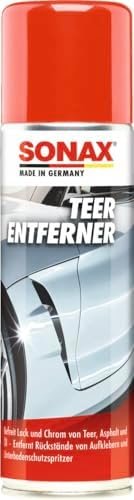
Top Rated Sonax 334.200 Tar remover 300 ml

Sonax 334.200 Tar remover 300 ml

4.4/5
Check latest price

FAQs

Yes, WD-40 can dissolve tar because it contains solvents. However, it’s not ideal or formulated specifically for automotive paint. It leaves an oily residue that’s hard to remove and may affect wax or sealant if not cleaned properly afterwards. If you’re using WD-40 to remove tar, spray it on, let it sit for two to three minutes to soften the residue, then wipe clean with a microfibre cloth. Wash the area with car shampoo immediately after to remove the oily film. From our experience, dedicated tar removers work faster, cleaner, and don’t leave the same residue issues.

The safest method is using a dedicated tar remover. These products are designed to dissolve tar safely without affecting paint, rubber seals, or plastic trims. Spray it onto the affected areas, let it sit for two to five minutes to dissolve the tar, then wipe it away gently with a clean microfibre cloth. No scrubbing, no force. If the tar doesn’t lift easily, apply more product and wait longer rather than scrubbing harder. If you try to scrape or rub tar off without softening it first, you’ll drag it across the paint and cause scratches. From our experience, the product does all the work if you give it time. Work in small sections and use a clean part of the cloth for each wipe.

Tar removers are the most effective solution. They use solvents to dissolve the sticky residue safely without affecting paint or trim. Some people use alternatives like white spirit or WD-40, but these aren’t formulated for automotive use and can leave residues or cause issues. From what we see in reviews, dedicated tar removers work faster and cleaner. They’re also safer for repeated use because they’re designed not to strip wax or harm paintwork. Apply it, let it work, and wipe clean. Simple and safe. If you’re dealing with tar regularly, especially on lower panels after motorway driving, a proper tar remover is worth having.

Related Insights and Articles

Browse by Category

Find the best UK detailing products across our range of categories.

Our methodology

Your independent guide to the best car detailing products in the UK.

Step 01 · Sourcing

We start with every option

Hundreds of car cleaning products, pulled from trusted UK retailers across every category - shampoos, sealants, interior, glass, tools and more.

Step 02 · Scoring

Ranked by real-world signals

Customer ratings, review volume, price-to-performance and editor testing notes feed the score. No brand payments, ever.

Step 03 · Freshness

We keep it fresh and clean

Total Car Clean is 100% reader-supported. We may earn a small commission from affiliate links, but we remain unbiased to help you find the best products.

Independent No paid rankings UK-focused