



Best Leather Cleaner

31 products ready to shop 31 products Last checked Checked:

Top Leather Cleaner Picks from the TCC Team

Product Our Rating Key Specs
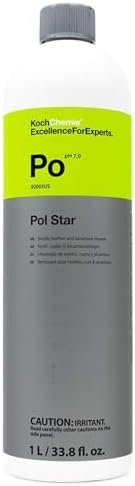
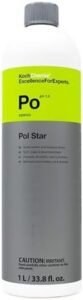
Pol Star
4.8

A pH-neutral interior cleaner removing deep-seated dirt from leather, alcantara, and textiles without watermarks, preserving the original surface waterproofing.

  • pH-neutral formula
  • Leather, alcantara & textiles
  • Dilutable 1:5 to 1:20
  • No watermarks or residue
Check Latest Price
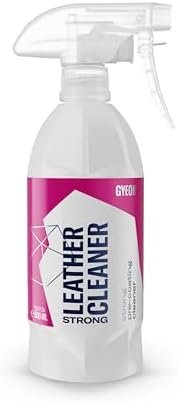
Q²M Leather Cleaner
4.7

A deep-cleaning leather cleaner removing heavy dirt, oils, and dye transfer from all pigmented and coated leather, leaving a matte finish ready for protection.

  • Dual-strength system
  • Coating-compatible formula
  • Removes dye transfer
  • Not for Nappa/delicate leather
Check Latest Price
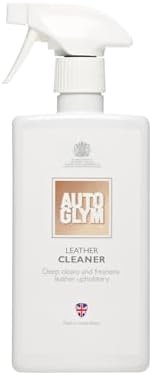
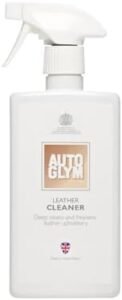
Leather Cleaner
4.6

A pH-neutral, silicone-free leather cleaner delivering a natural matte finish on all automotive leather types without conditioning or masking agents.

  • pH-neutral silicone-free
  • All leather and faux leather
  • Natural matte finish
  • Trusted UK brand
Check Latest Price
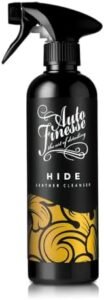
Hide Cleanser
4.4

A mild glycerine-based leather cleaner penetrating pores to remove ingrained dirt, dye transfer, and oils from all finished, semi-aniline, and aniline leather.

  • Glycerine-based formula
  • Removes dye transfer
  • All leather types safe
  • Prep for conditioning
Check Latest Price
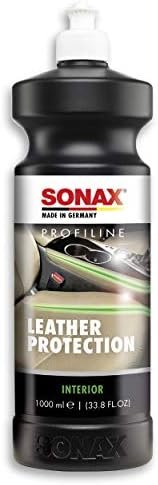
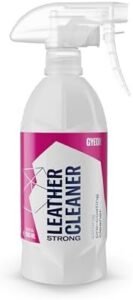
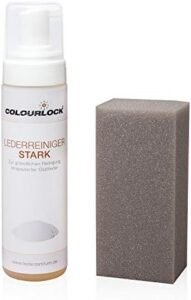
Strong
4.6

A German-engineered foam dispenser leather cleaner removing heavily ingrained dirt and preparing leather for repair or protection on all pigmented smooth leathers.

  • Foam dispenser, no over-wetting
  • Heavily soiled leather specialist
  • Pre-repair preparation
  • 200ml covers full interior
Check Latest Price
#1 Best overall
Pol Star (Koch Chemie)
Pol Star
4.8
  • pH-neutral formula
  • Leather, alcantara & textiles
  • Dilutable 1:5 to 1:20
  • No watermarks or residue
#2 Top pick
Q²M Leather Cleaner (Gyeon)
Q²M Leather Cleaner
4.7
  • Dual-strength system
  • Coating-compatible formula
  • Removes dye transfer
  • Not for Nappa/delicate leather
#3 Best value
Leather Cleaner (Autoglym)
Leather Cleaner
4.6
  • pH-neutral silicone-free
  • All leather and faux leather
  • Natural matte finish
  • Trusted UK brand
#4 Daily driver
Hide Cleanser (Auto Finesse)
Hide Cleanser
4.4
  • Glycerine-based formula
  • Removes dye transfer
  • All leather types safe
  • Prep for conditioning
#5 Premium pick
Strong (Colourlock)
Strong
4.6
  • Foam dispenser, no over-wetting
  • Heavily soiled leather specialist
  • Pre-repair preparation
  • 200ml covers full interior

Clean Leather Safely. No Drying. No Damage.

Over time, leather collects body oils, sweat, and general grime. If left untreated, this buildup leads to discolouration, a shiny worn look, and eventually cracking. A proper leather cleaner lifts contamination while keeping the surface balanced — the goal is preserving the look and feel of the leather over time.

4Cleaner types
CleanThen condition
CoatedMost modern leather
GentleAgitation needed

What Leather Cleaners Do (and Don’t Do)

Designed to lift contamination, not to restore or protect.

What leather cleaners do

  • Remove dirt, body oils, and surface residue from automotive leather
  • Restore a natural matte finish by clearing the build-up that creates a worn sheen
  • Prepare the surface for conditioning by cleaning the protective coating first
  • Work on coated leather — which covers most modern car interiors

What leather cleaners don’t do

  • Rehydrate or condition the leather — that requires a separate conditioner product
  • Restore flexibility or protection to dried-out or cracked leather on their own
  • Leave the surface soaked or overly wet — proper application is controlled and minimal
  • Fix faded or heavily damaged leather — cleaning improves hygiene, not structural condition

Leather Cleaner Types (Only What Matters)

Four formats covering regular maintenance to heavy-duty soiling.

Regular Maintenance
Dedicated Leather Cleaners
Formulated specifically for automotive leather.
Best for Regular Use
  • Balanced to clean without stripping or damaging the coated surface
  • Safe for repeated use without building up residue or drying the leather
  • The most straightforward option for routine interior maintenance
  • Works on seats, steering wheels, door cards, and gear selector trim
Start here for most situations. Dedicated leather cleaners are calibrated for the job and require the least care to use correctly.
Heavier Soiling
All-Purpose Cleaners (APC)
Stronger cleaning power when diluted correctly.
Dilute Before Use
  • Can be used on leather when properly diluted — typically at a higher ratio than other interior surfaces
  • More cleaning power than a dedicated leather cleaner for heavily soiled areas
  • Require more care to use — too strong a dilution risks drying or damaging the surface
  • Best reserved for neglected interiors rather than regular maintenance
Always test on a hidden area first. APCs used at the wrong dilution are one of the most common causes of leather damage during cleaning.
Controlled Application
Foaming Leather Cleaners
Foam sits on the surface rather than soaking in.
Reduces Over-Wetting
  • Produce a foam that clings to the surface, giving you more control over where the product goes
  • Reduces the risk of liquid seeping into seams or causing problems in textured stitching
  • Easier to use on vertical surfaces like door cards where liquid cleaners can run
  • Agitate with a soft brush or cloth, then wipe clean before the foam dries
A good choice if you tend to over-apply, or if you’re cleaning areas with heavy stitching or perforations where excess moisture is a concern.
Quick Maintenance
Wipes and Quick Cleaners
Convenient for light cleaning between full cleans.
Touch-Up Tool
  • Pre-moistened wipes or spray-and-wipe formats designed for fast, low-effort cleaning
  • Convenient for quick touch-ups on steering wheels and gear selectors between full cleans
  • Less effective on heavy dirt or built-up grime than dedicated cleaners or APCs
  • Useful as a maintenance tool rather than a replacement for a thorough periodic clean
Best used to stay on top of high-contact areas between proper cleaning sessions — not as a substitute for them.

Leather Cleaners vs Conditioners

Two separate products. Two different jobs. Both matter.

Step 1
Leather Cleaner
Removes contamination

A cleaner lifts the dirt, oils, and grime that have built up on the leather surface. It prepares the leather so that any product applied afterwards — such as a leather conditioner — can actually reach and work on the material.

  • Removes body oils, fingerprints, and surface grime
  • Clears residue that gives leather a shiny, worn appearance
  • Opens up the surface for effective conditioning
  • Does not add moisture or protection on its own
Always the first step. Conditioning over dirty leather seals in the contamination rather than treating the material.
Step 2 (if needed)
Leather Conditioner
Restores and protects

A conditioner replenishes the oils that leather loses over time, helping it stay supple and resist cracking. It works most effectively on a freshly cleaned surface where it can properly penetrate the material.

  • Maintains flexibility and prevents dryness from developing into cracks
  • Restores a healthy, natural appearance after cleaning
  • Helps the protective coating on coated leather stay in good condition
  • Not needed after every clean — use when leather starts to feel dry
Not required every time. Clean regularly, condition periodically — skipping conditioning long-term leads to gradual dryness and wear.
The correct order matters: Clean first, then condition if needed. Applying conditioner over dirty leather traps contamination against the surface. Cleaning after conditioning removes the product you just applied. Most modern automotive leather only needs conditioning a few times per year — regular cleaning is what makes the biggest practical difference.

How to Choose the Right Leather Cleaner

Match the product to the level of soiling and how often you clean.

For regular maintenance

A dedicated leather cleaner is the right choice for ongoing use. It’s balanced for the job, safe to use frequently, and doesn’t require the same level of caution as stronger alternatives.

For heavier dirt or buildup

A stronger cleaner or a properly diluted APC may be needed for neglected leather. Use a higher dilution than you’d apply to other surfaces and test first. Switch back to a dedicated cleaner for ongoing maintenance once the grime is cleared.

If you want more control

Foaming cleaners reduce the risk of over-application, especially on surfaces with heavy stitching or perforations. They’re a good fit if you tend to use more product than necessary or if you’re cleaning vertical surfaces like door panels.

For quick touch-ups between cleans

Wipes or spray cleaners are useful for staying on top of high-contact areas like the steering wheel and gear selector between full cleaning sessions. They’re a maintenance tool, not a replacement for a thorough clean.

If you’re unsure where to start

Begin with a gentle dedicated leather cleaner and test on a small, low-visibility area. If it shifts the dirt without issue, continue. If the leather is heavily soiled, step up to a stronger formula only where needed, and return to the gentle product for routine care.

Common Leather Cleaning Mistakes

Most leather damage during cleaning comes from product choice or technique, not bad luck.

Using overly strong products

Harsh cleaners can strip the protective layer from coated leather and dry out the surface. Products not designed for leather — including undiluted APCs and household cleaners — are a common cause of discolouration and premature wear.

Over-wetting the leather

Too much liquid can seep into seams, through perforations, and into the padding below, where it can cause long-term damage. Spray onto a cloth or brush rather than directly onto the surface, and use the minimum amount of product needed.

Scrubbing too aggressively

Leather doesn’t need force. Aggressive scrubbing can abrade the protective coating and leave permanent marks on the surface. Gentle circular agitation with a soft brush or microfibre cloth is all that’s needed when using the right product.

Skipping conditioning long-term

Cleaning removes contamination but doesn’t replace the oils leather loses over time. Cleaning regularly without occasional conditioning allows the material to gradually dry out, becoming prone to stiffness and surface cracking.

What to Do After Cleaning

Four steps to finish the job and keep leather in good condition.

01

Wipe away any remaining residue

Use a clean, dry microfibre cloth to buff off any leftover cleaner before it dries on the surface. Residue left behind can attract dust and leave a cloudy appearance on darker leather.

02

Allow the surface to dry fully

Give the leather time to dry before closing the car or sitting on the seats. Trapped moisture in seams can cause issues over time. Open doors or windows briefly to help the interior air out after a thorough clean.

03

Apply conditioner if needed

If the leather feels dry or looks dull after cleaning, apply a dedicated leather conditioner while the surface is clean. This is the optimal point for conditioning — not before cleaning, and not over dirty leather.

04

Maintain regularly to prevent buildup

Light, frequent cleaning prevents the kind of heavy soiling that requires stronger products and more effort to shift. High-contact areas like the steering wheel and gear selector benefit from a quick wipe every week or two.

Leather cleaners maintain hygiene and surface condition — they don’t restore severely damaged or cracked leather. Regular light cleaning does more for long-term leather condition than infrequent deep cleaning. Pair cleaning with periodic conditioning and your leather interior should remain in good condition for the life of the vehicle.

Browse All Leather Cleaner

Click through to check today's price and availability from trusted retailers.

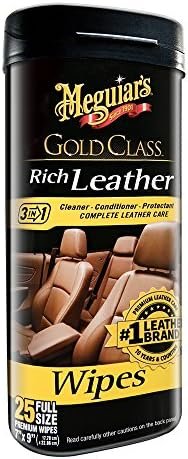
Gold Class Leather Wipes

Gold Class Leather Wipes

4.6/5
Check latest price
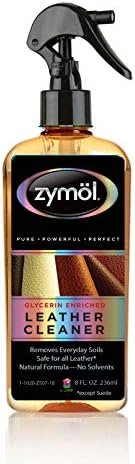
Zymol Z507 Leather Cleaner - 8 oz.

Zymol Z507 Leather Cleaner - 8 oz.

4.5/5
Check latest price

FAQs

For most cars, every few weeks is enough. High-use areas like driver seats may need more frequent cleaning to prevent buildup.

No. Household cleaners are often too harsh and can damage the protective coating. Always use products designed for automotive leather.

Not always. Modern coated leather doesn’t absorb conditioners in the same way. Conditioning helps maintain the finish over time, but it’s not needed after every clean.

Browse by Category

Find the best UK detailing products across our range of categories.

Our methodology

Your independent guide to the best car detailing products in the UK.

Step 01 · Sourcing

We start with every option

Hundreds of car cleaning products, pulled from trusted UK retailers across every category - shampoos, sealants, interior, glass, tools and more.

Step 02 · Scoring

Ranked by real-world signals

Customer ratings, review volume, price-to-performance and editor testing notes feed the score. No brand payments, ever.

Step 03 · Freshness

We keep it fresh and clean

Total Car Clean is 100% reader-supported. We may earn a small commission from affiliate links, but we remain unbiased to help you find the best products.

Independent No paid rankings UK-focused