Step 01 · Sourcing
We start with every option
Hundreds of car cleaning products, pulled from trusted UK retailers across every category - shampoos, sealants, interior, glass, tools and more.

Click through to check today's price and availability from trusted retailers.
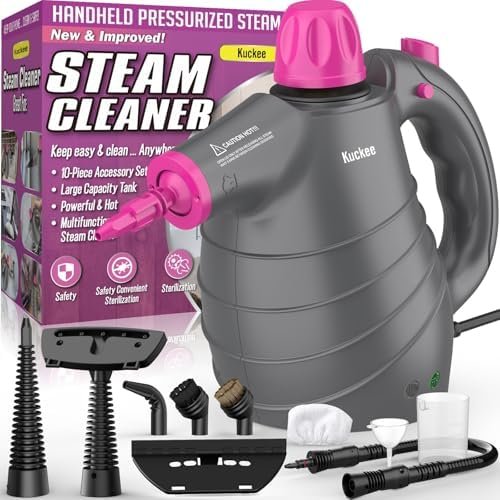
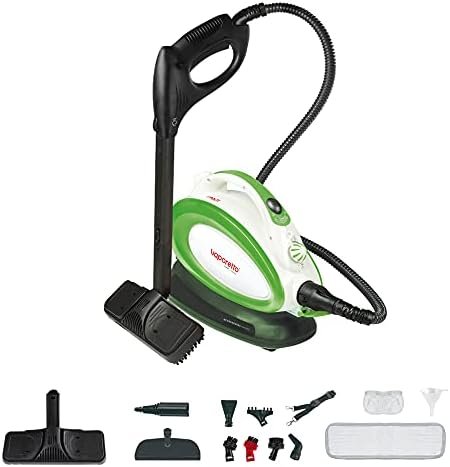
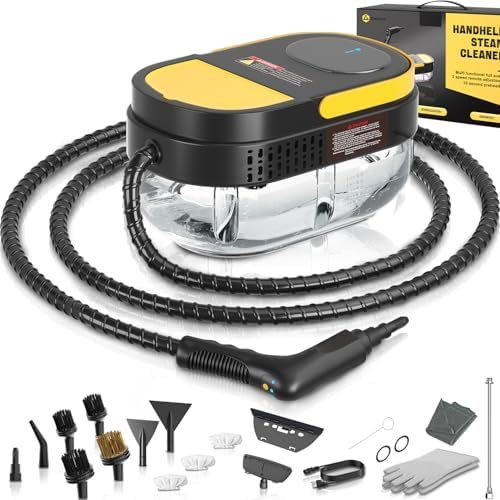
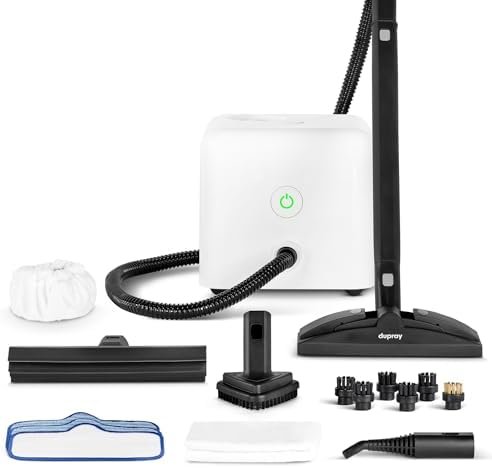
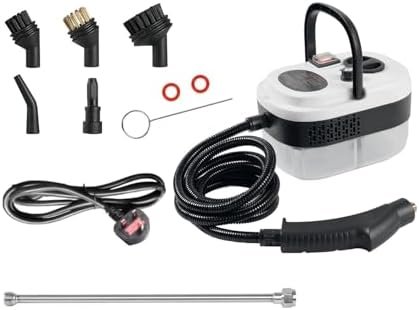
Steam cleaners heat water to above 100 degrees and release pressurised vapour that breaks the bond between contamination and surface. No soaking, no harsh chemicals, no residue to wipe away. The moisture content is low enough that surfaces dry quickly, and the heat sanitises as it cleans, making steam one of the most effective tools for vents, fabric seams, trim crevices, and baked-on interior grime that standard cloths and sprays struggle to shift.
Why heat and pressure remove contamination that water and cloths leave behind
A steam cleaner heats water in a sealed tank until it converts to pressurised vapour. When released through the nozzle, that vapour carries both heat and kinetic energy into the contamination. The heat softens grease and breaks the adhesion between baked-on grime and the surface beneath it. The pressure then dislodges the loosened material so it can be wiped away. The moisture deposited is far lower than liquid cleaning methods, so surfaces dry quickly and there is no risk of water damage to electronics or soft trims.
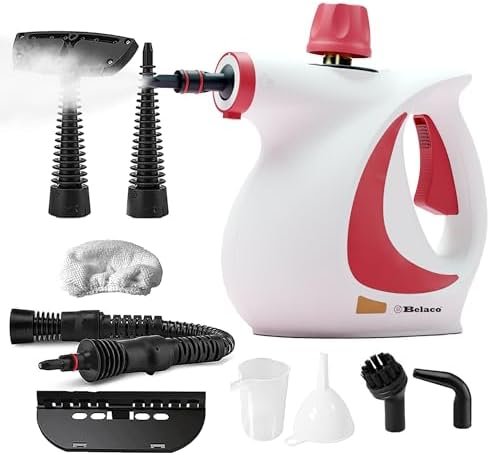
Steam reaches areas that cloths and spray products cannot access effectively. Air vents, seat stitching, gear selector surrounds, door seal channels, and carpet pile bases are all surfaces where contamination accumulates out of reach of a flat cloth. The narrow nozzle attachments included with most steamers direct vapour precisely into these gaps. Heat breaks down the contamination, then a narrow cloth or brush attachment wipes or agitates the loosened material clear in the same pass.
The sanitising effect of steam is a genuine benefit in car interiors. At temperatures above 100 degrees, most bacteria, mould spores, and dust mites are killed on contact. This is particularly relevant in carpets, fabric seats, and boot liners where organic contamination accumulates over time and contributes to persistent interior odour. Steam does not mask the smell, it destroys the organisms producing it. For allergen reduction in particular, steam cleaning fabric surfaces is more effective than vacuuming alone, as the heat reaches into fibre structure that suction cannot fully penetrate. When smells linger because contamination runs deeper than surface fresheners fix, review interior odour treatments alongside mechanical cleaning.
Steam is a targeted cleaning tool, not a universal replacement for all products and methods
Matched to the areas you clean, the frequency of use, and how much of the car you want to cover
Steam is one of the most versatile cleaning methods available, but surface material and condition dictate where it is safe to use
Four questions that determine whether a handheld or canister model is the right fit
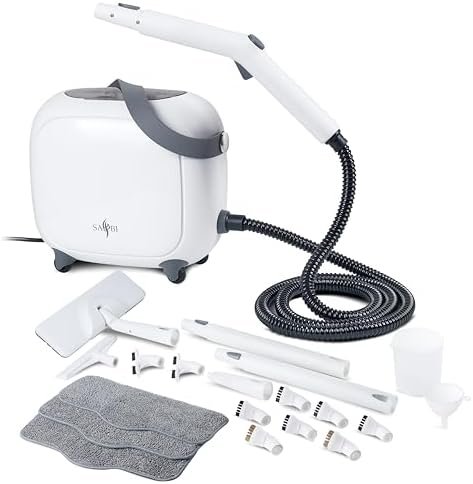
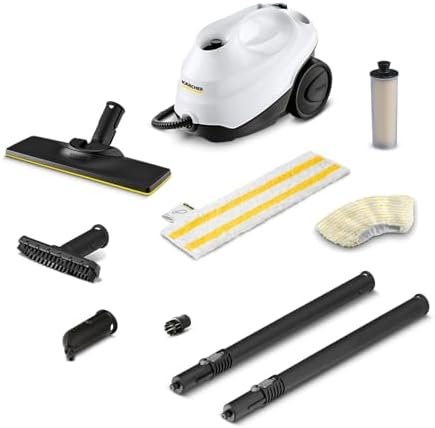
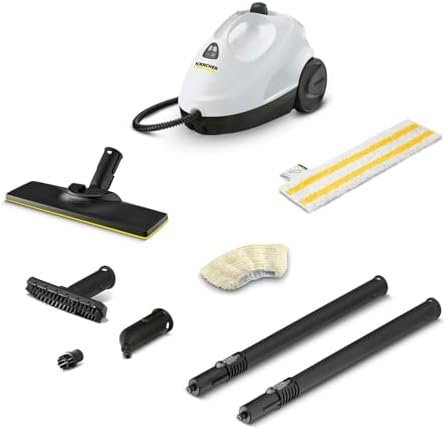
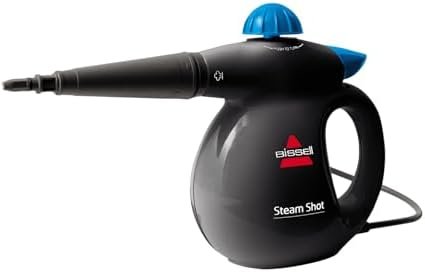
If you want to quickly clean vents, stitching, and trim crevices between full details, a handheld steamer heats up fast and deploys in seconds. If you are doing full interior cleans where you cover carpet, seats, dash, and door cards in one session, a canister model's larger tank and sustained output will get through the job without constant refilling.
Standard plastic dash and fabric seat interiors are well matched to any steam cleaner. If your car has Alcantara, carbon trim, or perforated leather, you need a model with adjustable output settings so you can reduce pressure for those materials. A single-setting unit at full output is not suitable for sensitive surfaces even with careful technique.
Some steamers include accessories specifically for wheel arches, engine bays, tyre sidewalls, and exterior trim. If you want to use steam across the whole car rather than the interior only, a canister model with a broader attachment set is worth the extra cost. Handheld units generally lack the sustained pressure for effective exterior use.
Handheld units typically heat up in two to three minutes. Canister models can take five to ten minutes to reach working pressure. If your sessions are short and time matters, this is a real consideration. For longer dedicated cleaning sessions the heat-up time becomes irrelevant, but for quick maintenance work a slow-heating canister model may frustrate more than it helps.
A quality handheld steamer covers the majority of interior cleaning needs for one or two cars cleaned regularly. The speed, portability, and precise attachment range handles vents, trim, stitching, and fabric refreshing without the bulk of a canister unit. Step up to a canister only if you are doing full deep cleans regularly, cleaning multiple cars, or need the extended runtime that a larger tank provides. Either way, pair the steamer with a dry vacuum pass before steaming and finish passes with clean microfibre towels. That routine outperforms either tool used in isolation.
Most problems come from holding the nozzle in one place, skipping the pre-vacuum, or not wiping immediately
Alcantara dashboards, carbon trim, and already-cracked leather can all be damaged by steam. The assumption that steam is safe on every surface because it contains no harsh chemicals is the most common cause of steam-related trim damage. Test a small hidden area first, keep output low, and use a buffering cloth on any surface where you are unsure.
Steaming a carpet or seat that has not been pre-vacuumed pushes dry grit and debris into the fabric pile as the moisture hits it. Instead of being loosened and cleaned, the contamination is converted into a wet sludge that is harder to extract than either the dry debris or the surface dirt were separately. Always complete a dry vacuum pass first with equipment suited to automotive interiors.
Steam is very effective when kept moving. Held in place on textured plastic it causes surface whitening; on fabric it deposits too much moisture; on rubber seals it can accelerate cracking over repeated sessions. Keep the nozzle moving in slow, overlapping passes. The heat builds up across the surface cumulatively without the risk of concentrated damage from a fixed point.
Steam loosens contamination from the surface but does not remove it. The loosened grime is suspended in the thin moisture layer on the surface and needs to be wiped away immediately with a clean microfibre cloth before it re-deposits or dries back onto the panel. Working in small sections and wiping as you go produces a far cleaner result than steaming the whole interior before wiping.
Steam cleaning a full interior and then closing the car produces a damp cabin environment that encourages mould in fabric seams and carpet edges. After a full steam session, leave windows partially open, run a fan if available, and allow at least two to three hours before sealing the car up. The low moisture content of steam dries faster than liquid cleaning methods, but the drying step is still non-negotiable. Skipping it cancels most of what the steam cleaning achieved.
The steps that protect the result and keep the interior condition between sessions
Steam introduces less moisture than liquid cleaning but surfaces still need time to dry completely. Leave doors or the bonnet open to let air circulate freely through the cabin. On fabric seats and carpet, a gentle fan placed inside the footwell significantly speeds drying. Do not close the car until fabric surfaces feel dry to the touch and air vents no longer smell of moisture.
Remove any remaining moisture or residue with a clean microfibre cloth. This final wipe passes over the surface and ensures the result is properly finished. On plastic trim, this is the step that reveals the cleaning result clearly. On fabric, it lifts any surface-level loosened material that the steam pass raised but did not fully remove.
Empty any remaining water from the tank if recommended for your model, clean the nozzle attachments, and store the steamer in a dry place. Mineral deposits build up inside the tank and nozzle with regular use, descaling on the schedule in the manual keeps output consistent and extends the life of the heating element considerably.
For interiors, engine bays, and areas where you can’t use a lot of water, yes. Steam works particularly well on baked-on grime, grease, and stains that resist regular cleaning products. The heat breaks down contamination without soaking fabrics or risking water damage to electrics. From our experience, steam cleaners justify their cost if you detail interiors regularly or work on neglected cars where traditional methods struggle. If you’re mainly washing and protecting exteriors, you probably won’t use a steam cleaner often enough to justify the investment. They’re a targeted tool, not something you’ll reach for every wash. We regularly see people buy steam cleaners, use them enthusiastically for a month, and then leave them in storage because their cleaning routine doesn’t actually need steam. Be honest about what you’re trying to achieve before buying one.
Yes, but with caution. Most modern dashboards handle steam well if you use lower heat settings and keep the nozzle moving. The key is not holding steam in one spot for too long, which can warp certain plastics or fade trim. Test on an inconspicuous area first, ideally under the steering column or in a footwell, to make sure the material reacts well. We’ve found that quick, sweeping passes work better than sustained heat on dashboard surfaces. Avoid steam on already-damaged dashboards or those with visible cracks and worn finishes. Heat makes existing damage worse and can cause materials to delaminate or peel. If the dashboard feels brittle or shows signs of UV damage, stick with spray cleaners and microfibre cloths. Steam is useful for stubborn grime on sound dashboards, but it’s not a repair tool for surfaces that are already deteriorating.
Steam cleaning works better on light to moderate contamination and surface stains. It uses less moisture, dries faster, and doesn’t require rinsing, which makes it ideal for regular maintenance or spot cleaning. Shampooing is better for deeply embedded dirt, heavy staining, or seats that haven’t been cleaned properly in years. The cleaning solution and extraction process lift contamination that steam alone can’t reach. From our experience, steam handles 70% of interior cleaning situations, but the remaining 30% need proper extraction. You can combine both methods. Steam clean to loosen grime, then follow up with a carpet cleaner or extractor to remove the dirt and moisture together. This works particularly well on heavily soiled seats where steam alone would just move the contamination around rather than removing it. The general consensus is that steam is faster and more convenient for regular use, but it doesn’t replace deep extraction when seats are genuinely filthy.
Avoid using steam on delicate materials like Alcantara, suede, or already-damaged leather. These materials react badly to sustained heat and moisture, causing warping, fading, or permanent marking. Certain dashboard plastics, especially older or sun-damaged ones, can also warp or discolour under heat. We regularly see people damage trim simply because they didn’t test first or used too much heat on sensitive surfaces. Don’t use steam on screens, instrument clusters, or any electronic displays. The heat and moisture can damage seals or cause condensation inside the units. Engine bay work requires care as well, keep steam away from electrical connections, sensors, and exposed wiring. Steam is powerful, but it’s not suitable for every surface. When in doubt, test on a hidden area and start with lower heat settings.
Leave doors and windows open to allow air circulation. Steam uses less water than traditional cleaning, but moisture still needs time to evaporate, especially from fabrics and carpets. Using fans or parking in a warm, dry area accelerates the process. From our experience, interiors steam-cleaned on a warm day with good airflow dry within a couple of hours, while damp, cold conditions can take six hours or more. Wipe down hard surfaces with a clean microfibre towel immediately after steaming to remove loosened dirt and residual moisture. This prevents streaks and ensures surfaces are properly finished. For seats and carpets, press towels into the fabric to absorb excess moisture, but don’t rub. If the car needs to be used before it’s fully dry, avoid sitting heavily on damp seats or driving with wet carpets, as this presses moisture deeper into the materials.
Find the best UK detailing products across our range of categories.


Your independent guide to the best car detailing products in the UK.
Hundreds of car cleaning products, pulled from trusted UK retailers across every category - shampoos, sealants, interior, glass, tools and more.
Customer ratings, review volume, price-to-performance and editor testing notes feed the score. No brand payments, ever.
Total Car Clean is 100% reader-supported. We may earn a small commission from affiliate links, but we remain unbiased to help you find the best products.