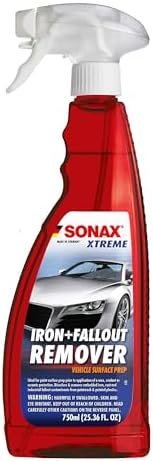
🧲 Removes bonded contamination
Fallout and tar stay on paint after normal washing. Decon chemistry dissolves what mitts cannot safely remove.

Click through to check today's price and availability from trusted retailers.
Decontamination targets what normal washing leaves behind — iron fallout, tar spots, glue residue and bonded contamination that blocks gloss and weakens protection.
Fallout and tar stay on paint after normal washing. Decon chemistry dissolves what mitts cannot safely remove.
Smoother paint reflects better and feels cleaner, which improves both polishing consistency and visual gloss.
Clean surfaces help protection products lay down more evenly and last longer.
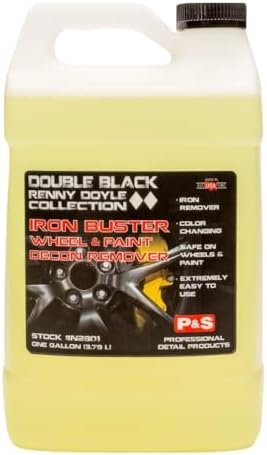
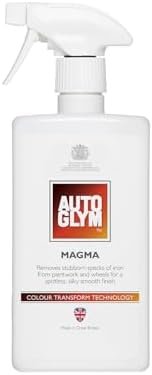
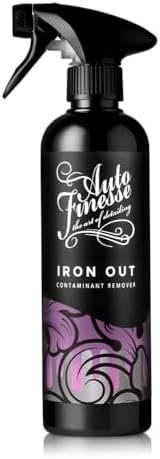
Dissolves ferrous fallout from brakes and road contamination before it embeds deeper.
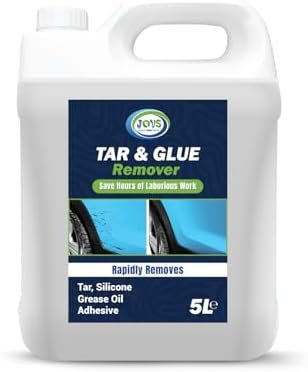
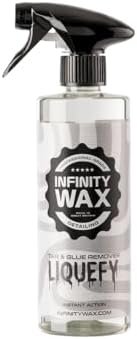
View all Iron RemoversBreaks down tar and bitumen spots that resist shampoo and leave roughness on lower panels.
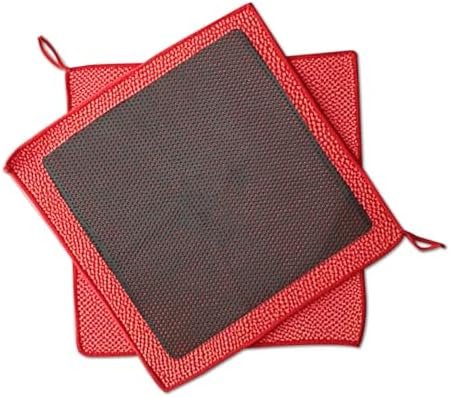
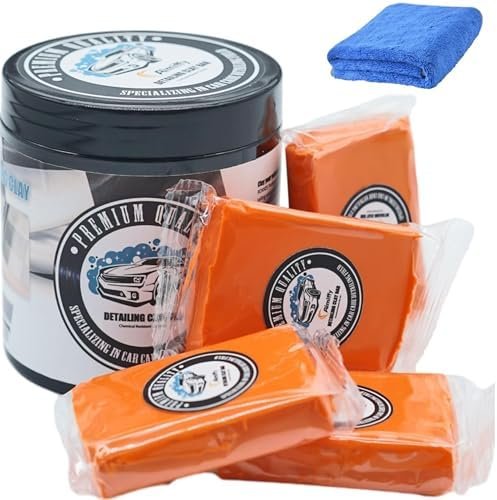
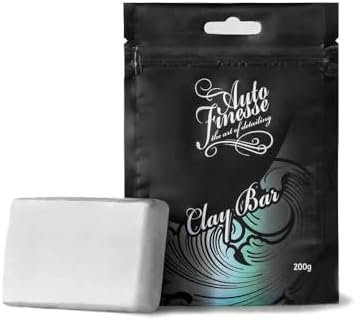
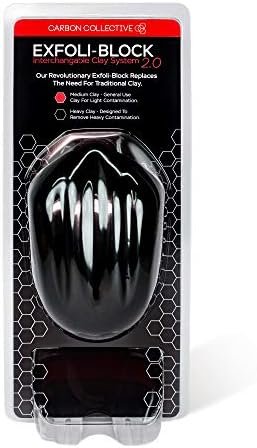
View all Tar RemoversMechanical decon to lift bonded residue after chemical stages, leaving paint glass-smooth.
View all Clay ProductsTargets sticker residue, sap traces and stubborn adhesive contamination safely.
View all Glue & AdhesiveAddresses mineral spotting and light etching left by hard-water drying.
View all Water Spot RemoversUse with a safe wash process, then move into correction or protect.
View all Decon| Stage | Main target | Typical position | Contact risk |
|---|---|---|---|
| Iron Remover | Ferrous fallout | Early chemical stage | None |
| Tar Remover | Tar and bitumen | After pre-wash/rinse | None |
| Clay | Bonded residue | After chemical decon | Medium |
| Glue & Adhesive | Sticker/sap residue | Spot-treatment stage | Low |
| Water Spot Remover | Mineral deposits | After wash/decon as needed | Low |
Start with iron remover, then evaluate whether clay is needed.
Use tar remover first before mechanical contact.
Spot-treat with glue & adhesive remover and soft cloth control.
Use a dedicated water spot remover before layering gloss products.
Fast evaporation can stain or reduce working time, especially with stronger solvents.
Mechanical decon on dirty paint increases scratch risk dramatically.
Only use the strength you need, then neutralize with a safe wash stage.
Freshly decontaminated surfaces should be sealed with protection promptly.
Separate decon towels and mitts from paint-finish towels to avoid cross-contamination.
Do not let chemistry dry in sprayers, cloths or applicators between uses.
Use bonded-contamination checks instead of fixed intervals to avoid unnecessary abrasion.
Every 3-6 months for regular use, or more frequently if you drive in heavily contaminated areas or during winter months.
Yes, but choose a pH-neutral iron remover specifically designed for ceramic coatings to avoid degrading the protection layer.
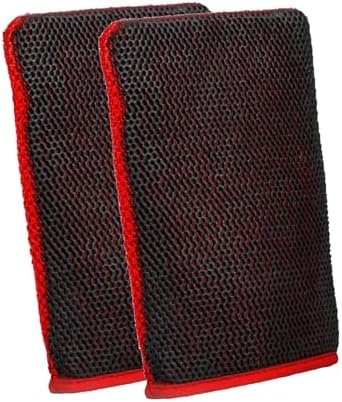
Clay bars require kneading and hand manipulation, while clay mitts are easier to use and can cover larger areas faster. Both are effective when used with proper lubrication.
Yes, always wash your car thoroughly first to remove loose dirt and debris. Decontamination products work on embedded contaminants, not surface dirt.
When done correctly with proper products and technique, decontamination is safe. Always use lubrication with clay and follow product instructions carefully.
Find the best UK detailing products across our range of categories.


Your independent guide to the best car detailing products in the UK.
Hundreds of car cleaning products, pulled from trusted UK retailers across every category - shampoos, sealants, interior, glass, tools and more.
Customer ratings, review volume, price-to-performance and editor testing notes feed the score. No brand payments, ever.
Total Car Clean is 100% reader-supported. We may earn a small commission from affiliate links, but we remain unbiased to help you find the best products.