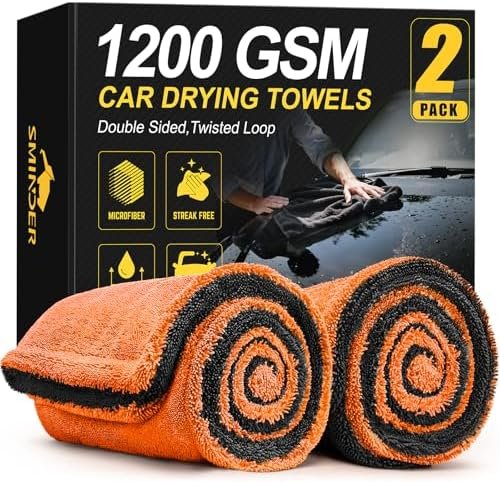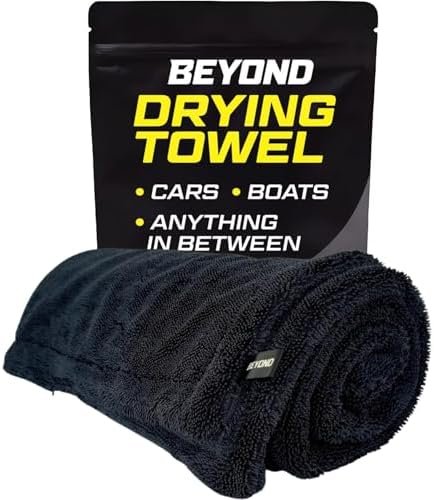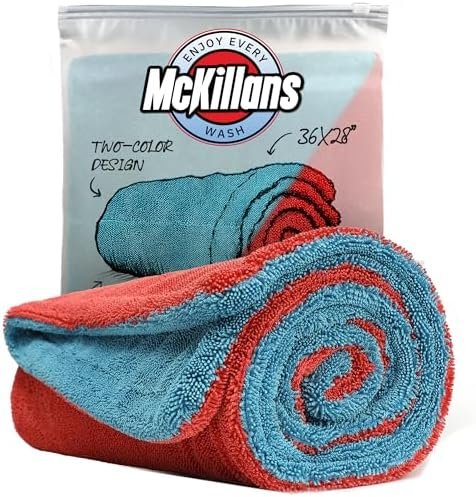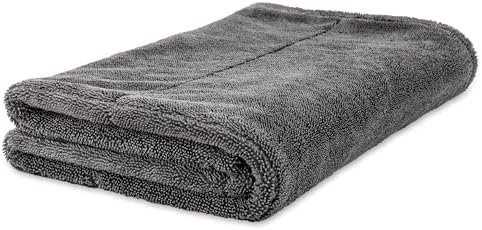



Best Drying Towels for Scratch-Free Car Drying

36 products ready to shop 36 products Last checked Checked:

Top Drying Towels Picks from the TCC Team

Product Our Rating Key Specs
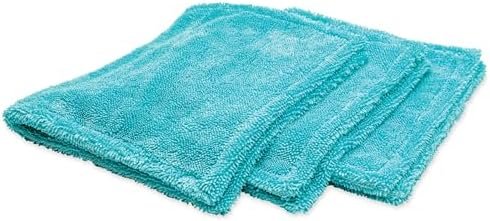
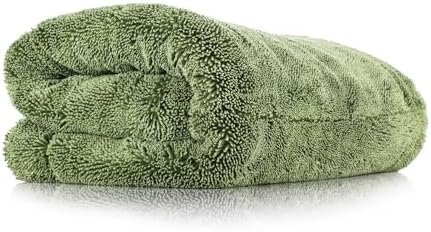
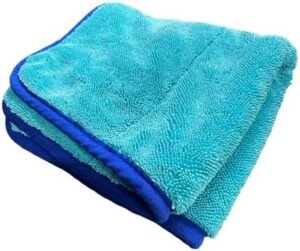
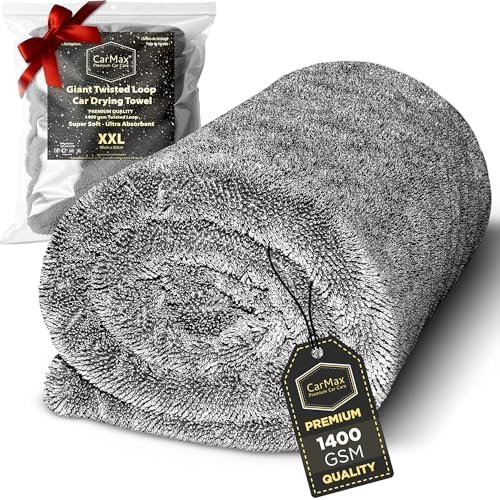
The Goat V2
4.7

A plush drying towel built for pulling rinse water fast on maintenance washes with fewer passes and lower marring risk.

  • Large drying footprint
  • Plush pile
  • Fewer wipe passes
  • Wash without fabric softener
Check Latest Price
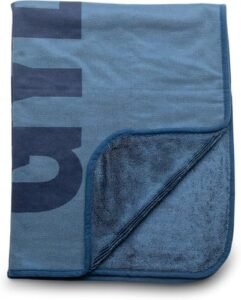
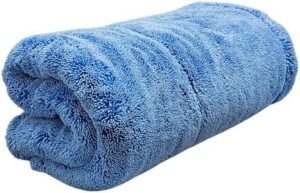
Q²M SilkDryer EVO
4.7

A premium Gyeon drying towel for coating-aware owners who want glide, absorption, and a quick wring between panels.

  • Q²M-line drying towel
  • Strong absorption
  • Soft glide on paint
  • Wring out between panels
Check Latest Price
The Diva Rinseless
4.6

A soft rinseless-oriented towel for gentle blotting and wipe-down when you want quality over cheap bulk multipacks.

  • Rinseless workflow fit
  • Soft blotting
  • Quality over bulk
  • Launder per care tag
Check Latest Price
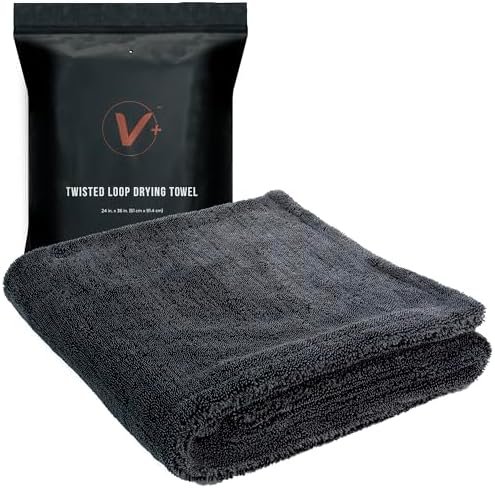
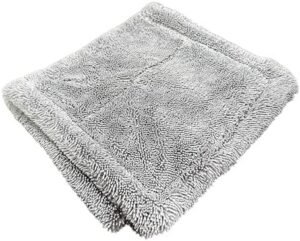
Twist Loop
4.5

A twist-loop drying towel for structured pile and solid water pickup on typical weekend rinse-and-dry routines.

  • Twist-loop pile
  • Good water pickup
  • Weekend wash pick
  • Follow care label
Check Latest Price
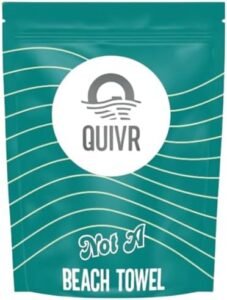
Not a Beach Towel
4.5

A thick drying towel aimed at heavy rinse pickup when you want fewer repeat wipes across large wet panels.

  • Thick pile
  • Strong rinse pickup
  • Large-panel friendly
  • Wash without conditioner
Check Latest Price
#1 Best overall
The Goat V2 (The House of Rags)
The Goat V2
4.7
  • Large drying footprint
  • Plush pile
  • Fewer wipe passes
  • Wash without fabric softener
#2 Top pick
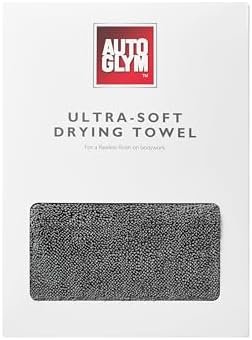
Q²M SilkDryer EVO (Gyeon)
Q²M SilkDryer EVO
4.7
  • Q²M-line drying towel
  • Strong absorption
  • Soft glide on paint
  • Wring out between panels
#3 Best value
The Diva Rinseless (The House of Rags)
The Diva Rinseless
4.6
  • Rinseless workflow fit
  • Soft blotting
  • Quality over bulk
  • Launder per care tag
#4 Daily driver
Twist Loop (DIY Detail)
Twist Loop
4.5
  • Twist-loop pile
  • Good water pickup
  • Weekend wash pick
  • Follow care label
#5 Premium pick
Not a Beach Towel (Quivr)
Not a Beach Towel
4.5
  • Thick pile
  • Strong rinse pickup
  • Large-panel friendly
  • Wash without conditioner
Drying Towels

The Last Step That
Makes or Breaks the Wash

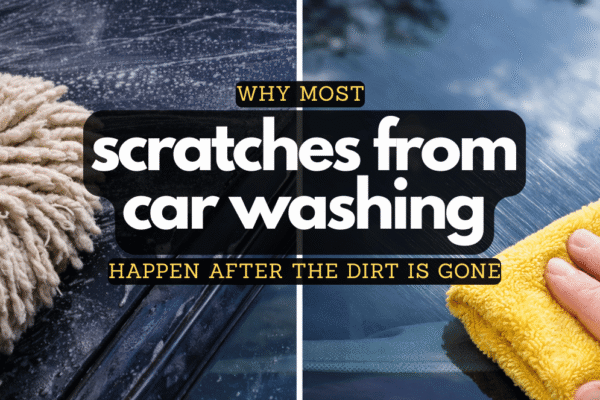
Drying is where most swirl marks are introduced. The wrong towel, or too much pressure, will scratch paint even after a perfect wash. The right microfibre lets water lift away without any friction.

2 Towel types covered
0 Reason to use a bath towel
Friction on wet paint
Paint safety at every wash

Drying Is Where Most Damage Happens

Wet paint is vulnerable, and the wrong tool at this stage undoes everything the wash achieved.

💧

Water Leaves Mineral Deposits

Water left on the surface evaporates and leaves mineral deposits behind. These etch into the clear coat, especially in direct sunlight or with hard water. Proper drying prevents this entirely.

🔄

Friction Creates Swirl Marks

Rubbing hard with a rough towel scratches paint even when the wash was perfect. From our experience, poor drying technique causes more damage than poor washing technique when done incorrectly.

🧽

Absorbency Reduces Pressure

A good drying towel soaks up water without needing any pressure. The less pressure you use, the less friction on the paint. Absorbency is the key quality to look for.

What Drying Towels Are (and Aren't)

Not all soft cloths are the same. The material and pile structure make the difference.

✓ What they are

Purpose-made microfibre for safe drying

Made from microfibre or waffle-weave material designed to pull moisture away from the surface
Soft enough to use on clear coat without scratching, even at light contact
Highly absorbent fibres trap water inside the pile rather than spreading it across paint
Designed to release trapped dirt when washed, so they stay safe to use wash after wash
✗ What they aren't

A substitute for household cloths and towels

Bath towels and old cloths are too abrasive and push water around rather than absorbing it
They don't replace drying aids or wet coatings, which reduce friction further
A dirty or degraded microfibre towel is just as dangerous as a household cloth on wet paint
Not a cure for hard water spots already etched into the clear coat

Two Types, Two Different Jobs

Plush towels are built for bodywork. Waffle weave is built for glass and detail work.

🪟

Waffle Weave Towels

Best for glass and trim
Secondary Tool

The textured weave grips water well and gives you more control on flat, hard surfaces. Lighter and faster to dry than plush alternatives, making them ideal for windows and mirrors where streaks and smears are most visible.

Excellent on glass, mirrors, and trim
Dries faster between uses than plush towels
Lighter and easier to handle on vertical surfaces
Less plush than high-pile, so not the first choice for paint
Less forgiving if any grit is trapped in the weave

Best used as a secondary towel for glass after the bodywork is done with a plush towel. The waffle texture leaves fewer streaks on windows than microfibre pile.

Match the Towel to the Task

Start simple, and add a second towel later if you want better results on glass.

🚗

For Beginners

Start with a large plush towel. It is the safest option for bodywork and handles most drying tasks without needing much technique. One good plush towel covers the whole car with room to spare.

→ Large plush microfibre
🪟

For Glass and Mirrors

Use a waffle weave towel or a dedicated glass cloth. They dry windows faster and leave fewer streaks than plush alternatives. Add this to your kit once you are happy with your bodywork drying routine.

→ Waffle weave or glass cloth
💡

If you are unsure, a good-quality plush towel will cover most needs. You can always add a waffle weave towel later for glass and trim. Starting with one great towel is better than three average ones.

Three Habits That Scratch Paint

All three are easy to avoid once you know what to look for.

🛁

Using Bath Towels

Household towels are too rough for car paint. They do not absorb water well and push it around rather than soaking it up, which means you end up pressing harder and risking marring. Even a brand-new bath towel will cause micro scratches over time.

💪

Pressing Too Hard

You do not need to apply pressure. A proper drying towel absorbs water through contact alone. Pressing down or rubbing hard increases friction on wet paint and creates the swirl marks that drying should be preventing.

🧺

Using Dirty Towels

Towels that have not been washed properly will have grit trapped in the fibres. This acts like sandpaper on wet paint. Always wash your drying towels between uses and inspect them before putting them on the car.

Look After Your Towels and They Will Stay Safe

How you wash and store your towels determines how long they stay effective.

🫧

Wash Towels Separately

Do not mix drying towels with regular laundry. Use a microfibre-safe detergent and avoid fabric softener entirely. Fabric softener clogs the fibres and reduces absorbency, turning a good towel into an average one within a few washes.

🗄️

Store Clean and Dry

Let towels dry completely before storing them. Damp towels left in a bag or bucket will go musty and degrade faster, and musty towels can transfer odour to your paintwork. A breathable storage bag keeps them fresh between uses.

Drying towels protect the finish when washing is done right. The safer the drying process, the better the paint stays over time.

Browse All Drying Towels

Click through to check today's price and availability from trusted retailers.

FAQs

Yes, you can reuse car drying towels as long as you wash them properly between uses. The key is removing all dirt and grit that’s been trapped in the fibres during drying. We wash our towels separately from regular laundry using a microfibre-safe detergent, and we never use fabric softener because it clogs the fibres and kills absorbency. A well-maintained drying towel can last for years if you care for it correctly. After each use, rinse out any visible dirt, then machine wash on a gentle cycle with warm water. Let them air dry or tumble dry on low heat. If a towel starts to feel rough or loses its absorbency, it’s time to replace it. Using a degraded towel is how people end up scratching paint they’ve just cleaned.

Microfibre is better for most people. Chamois can work well in experienced hands, but they’re less forgiving and harder to maintain. Traditional chamois leather needs to stay damp between uses and can scratch paint if grit gets trapped in the surface. Synthetic chamois are more practical but still don’t absorb as much water as a good microfibre towel. From our experience, microfibre drying towels are safer, more absorbent, and easier to care for. They release trapped dirt more effectively when washed, and they don’t require the same level of technique to use safely. If you’re already confident with a chamois, there’s no need to switch, but for beginners or anyone looking for the safest option, microfibre is the better choice.

Wash drying towels separately from your regular laundry to avoid cross-contamination with lint, dirt, or fabric softener residue. Use a microfibre-safe detergent and run a warm wash on a gentle cycle. Never use fabric softener or bleach, both of these clog the fibres and destroy the towel’s absorbency. After washing, either air dry the towels or tumble dry on low heat. High heat can damage the microfibre and reduce its effectiveness. We’ve found that giving towels a quick shake before drying helps restore the pile. If your towels feel stiff or aren’t absorbing water like they used to, they’ve either been washed with fabric softener or they’ve reached the end of their useful life.

Work panel by panel using a plush microfibre drying towel, and let the towel do the work rather than applying pressure. Lay the towel flat on the surface and gently pull it across the panel, allowing the fibres to soak up water through contact alone. Don’t rub or press hard, this increases friction and causes marring. Start from the top of the car and work down, as the lower panels are usually dirtier. We tend to use one towel for the upper bodywork and a separate one for the lower panels and wheels. If you’re working in direct sunlight, dry quickly to prevent water spots from forming. Working in the shade or on a cloudy day gives you more time and reduces the risk of mineral deposits etching into the paint.

Plush microfibre drying towels with a high pile are the safest option. The thick, soft pile absorbs water without needing pressure, which reduces friction and keeps scratching risk to a minimum. Look for towels with a GSM (grams per square metre) of at least 400 for bodywork, higher is generally better for absorbency and safety. What matters most isn’t just the towel itself, it’s also how clean you keep it. Even the softest microfibre towel will scratch paint if it’s got grit trapped in the fibres. We wash our drying towels after every use and inspect them regularly for any rough patches or embedded debris. If a towel feels rough or stiff, don’t use it on paint.

Most professional car washes use a combination of forced air blowers and microfibre towels. The air blowers remove the bulk of the water quickly, especially from hard-to-reach areas like mirrors, door handles, and panel gaps. Staff then follow up with microfibre towels to finish the job and catch any remaining water. Some higher-end detailing services use dedicated drying aids, these are spray products that increase lubrication and help water sheet off more easily. This reduces the friction even further when using a towel. We've found that blowers are particularly useful for preventing water from dripping out of crevices after you've dried the main panels, which is a common cause of streaks and spots that reappear minutes after drying.
The main disadvantage is that microfibre towels require proper care to stay effective. If you wash them with fabric softener, use high heat, or mix them with regular laundry, they lose absorbency and can become scratchy. They also degrade faster than some people expect if they're used on very dirty surfaces without being cleaned between uses. Cost can be another factor. Good-quality microfibre drying towels aren't expensive compared to the damage they prevent, but they do cost more upfront than using an old bath towel. Some people also find that microfibre towels feel heavy when fully saturated, which can be tiring during longer drying sessions. Despite these minor drawbacks, they're still the safest and most effective option for drying cars.

Related Insights and Articles

Browse by Category

Find the best UK detailing products across our range of categories.

Our methodology

Your independent guide to the best car detailing products in the UK.

Step 01 · Sourcing

We start with every option

Hundreds of car cleaning products, pulled from trusted UK retailers across every category - shampoos, sealants, interior, glass, tools and more.

Step 02 · Scoring

Ranked by real-world signals

Customer ratings, review volume, price-to-performance and editor testing notes feed the score. No brand payments, ever.

Step 03 · Freshness

We keep it fresh and clean

Total Car Clean is 100% reader-supported. We may earn a small commission from affiliate links, but we remain unbiased to help you find the best products.

Independent No paid rankings UK-focused