Step 01 · Sourcing
We start with every option
Hundreds of car cleaning products, pulled from trusted UK retailers across every category - shampoos, sealants, interior, glass, tools and more.

Click through to check today's price and availability from trusted retailers.
Pet hair embeds deeply into car fabrics, working its way into carpet fibres and seat weave where standard vacuuming cannot reach it. The problem is static. Pet hair clings to fabric through electrostatic charge, which is why brushing your hand across a seat rarely shifts much. Agitation breaks the static bond and lifts the hair to the surface. The vacuum finishes the job.
Why standard vacuuming isn’t enough on its own
Pet hair embeds deeply into car fabrics. It doesn’t just sit on the surface — it works its way into carpet fibres and seat weave where standard vacuuming can’t reach it.
The problem is static. Pet hair clings to fabric through electrostatic charge, which is why brushing your hand across a seat doesn’t shift much. Vacuuming alone pulls up loose hair but leaves the embedded strands behind. From our experience, agitation is what actually breaks the bond and lifts hair free.
Neglected pet hair also traps dirt and moisture. Over time, this leads to odours and makes the interior feel grubby even after vacuuming. Regular removal prevents buildup and keeps fabrics fresher between deep cleans.
Understanding what these tools actually do
Two distinct approaches, each suited to different surfaces
The right tool depends more on the surface than the amount of hair
Match the tool to the surface and the type of shedding
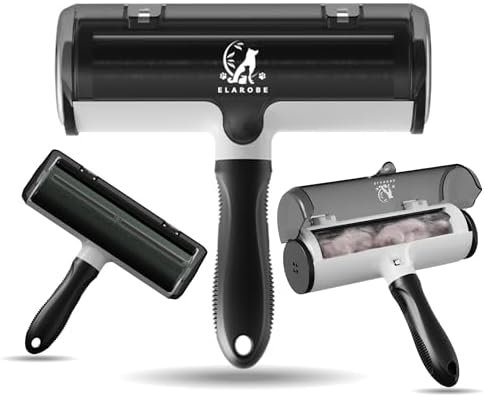
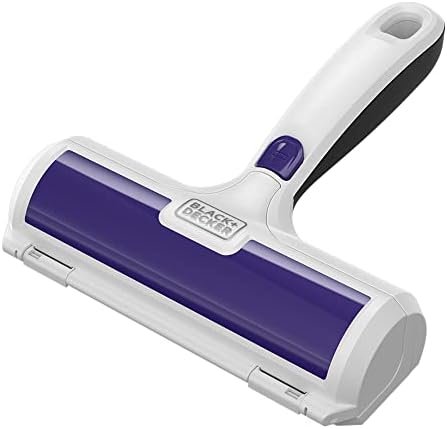
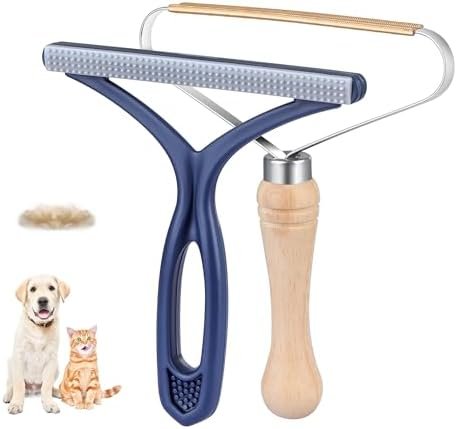
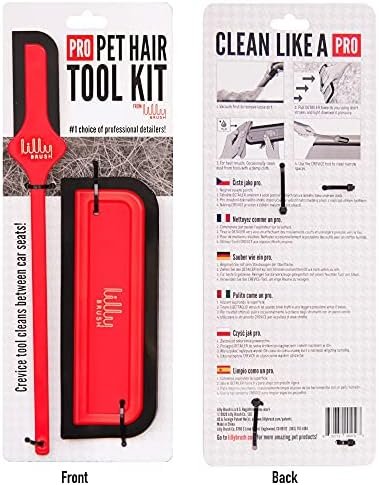
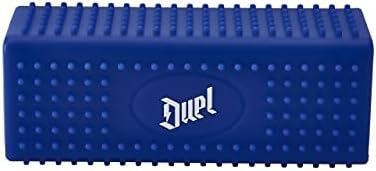
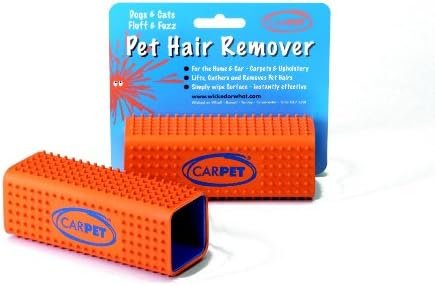
Rubber tools are the most effective option. They create enough friction to pull embedded hair free without damaging carpet fibres. Most pet owners find a rubber tool handles the majority of their carpet work.
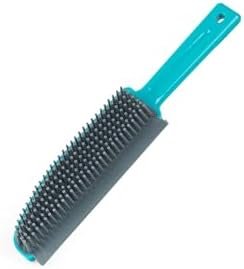
Brushes with gentle agitation work better here. Look for tools with soft or medium-stiffness bristles that won’t snag or tear fabric weave. Avoid anything with stiff wire tines on woven seat fabric.
Brushes and combs tend to catch finer strands more reliably than rubber tools, which sometimes glide over very short hair. A comb with narrow-spaced teeth works particularly well for fine shedding breeds.
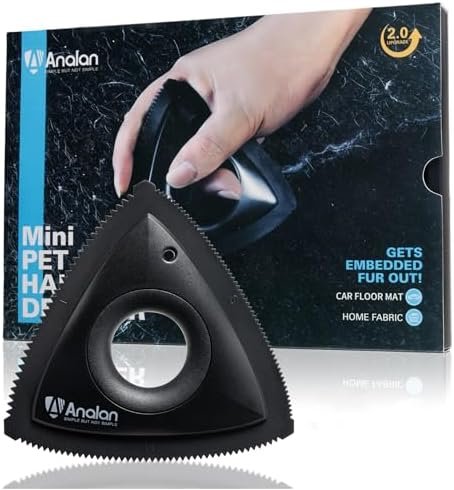
You’ll likely need both a rubber tool for carpets and a brush for seats. Pet hair removal is rarely a one-tool job when you’re dealing with serious buildup from thick-coated or high-shedding breeds.
Start with a rubber tool. It’s versatile, inexpensive, and handles the majority of pet hair situations without risk of fabric damage. Once you’ve cleared the carpets and mats, assess the seats and add a brush if needed. A rubber tool plus a medium brush covers virtually every car interior situation.
The issues that lead to frustration and poor results
The most common mistake. Standard vacuum suction isn’t strong enough to break the static bond holding embedded hair in place. Agitation first, then vacuuming, is the only approach that consistently works.
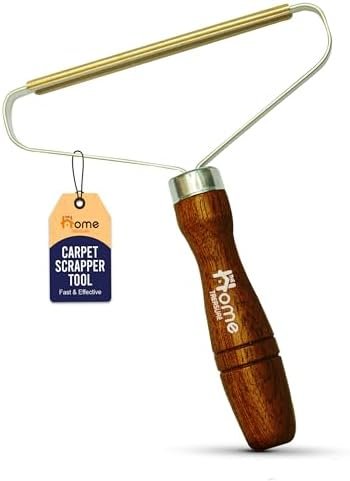
Metal combs or stiff wire brushes can snag fabric threads and cause permanent damage. Pet hair tools should agitate, not cut or tear. Always check the tool material before using on upholstery.
A very light mist of water helps reduce static and makes hair easier to lift. Don’t soak the fabric — just damp enough to reduce cling. This is especially effective on synthetic carpet fibres.
Trying to clear an entire seat in one pass rarely works. Small sections, worked thoroughly, give much better results than running over large areas quickly. Methodical coverage beats speed every time.
If the car hasn’t been treated in months, you’re looking at multiple passes with different tools. One quick sweep won’t shift hair that’s been ground into fabric over time. Budget for a proper session with both a rubber tool and a brush, working each section before moving on. The results after a thorough first clean make subsequent maintenance much quicker.
The steps that complete the job properly
Agitation brings hair to the surface, but it still needs to be removed. A handheld vacuum with a brush attachment works well for finishing the job and collecting the clumps the tool has lifted.
Stray hair settles on hard surfaces after agitation. Door trims, dashboard edges, and seat rails often collect stray strands. A damp microfibre cloth picks these up quickly before they resettle into fabric.
Hair migrates into gaps and hidden areas during agitation. A crevice tool or detailing brush helps clear these spots before hair gets pressed deeper into joins or slides under seat runners.
Yes, rubber brooms work well on car carpets and floor mats. The rubber bristles create friction that breaks the static bond holding hair in place, pulling embedded strands to the surface where they clump together for easy collection. They’re particularly effective on flat, dense carpets where other tools struggle. The main limitation is effort. You’re doing the work manually, so larger areas take time and some elbow grease. But the control you get makes up for it, especially in footwells and boot spaces where you need to work around awkward shapes. Rubber brooms handle heavy shedding better than most other manual tools.
Neither works well on its own for embedded pet hair in cars. Vacuuming pulls up loose hair but can’t break the static bond that holds deeper strands in fabric. Sweeping or using a rubber tool loosens the hair but doesn’t remove it, it just brings it to the surface. The two-step approach is what actually works. Use a rubber tool or brush to agitate and lift embedded hair first, then vacuum to collect everything that’s been loosened. Trying to skip either step leaves you frustrated with hair that won’t shift or clumps sitting on the surface that need manual removal.
Professional detailers typically use a combination of rubber tools for carpets and softer brushes for seats, followed by a high-powered vacuum with a brush attachment. The rubber creates enough friction to pull hair free from dense carpet fibres, while brushes handle upholstery without snagging fabric threads. What stands out is that they work methodically in small sections and make multiple passes. They’re not trying to clear an entire seat in one sweep, they agitate thoroughly, vacuum, then check for missed spots. The tools aren’t particularly special, it’s the patience and technique that delivers better results than most people achieve at home.
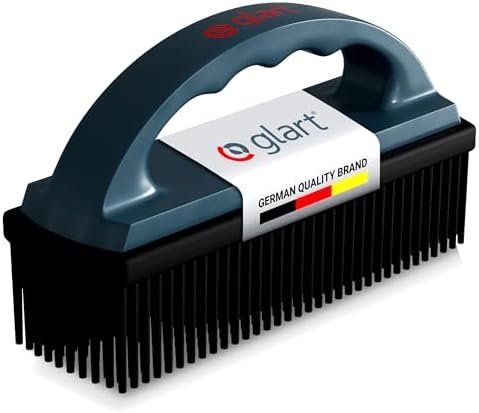
Stiff-bristled brushes work best on car carpets, particularly those with rubber or silicone bristles that create friction without damaging fibres. The bristles need to be firm enough to penetrate carpet pile and dislodge embedded hair, but not so aggressive that they fray or damage the weave. From what we see in reviews, people often assume softer brushes are safer, but they don’t generate enough agitation to shift deeply embedded hair. A brush designed for automotive carpets strikes the right balance between effectiveness and safety, though you still need to work in sections and make multiple passes for heavily soiled areas.
A very light mist of water mixed with a tiny amount of fabric softener can help reduce static and make hair easier to lift. The key is using barely enough to dampen the surface, not soak it. Too much liquid creates its own problems and doesn’t improve hair removal beyond what plain water achieves. That said, this is a minor enhancement rather than a game-changer. The agitation from your tool is what does the real work. If you’re already getting good results with a dry rubber tool or brush, adding dampness might speed things up slightly, but it’s not essential. Never soak fabric with the solution, just mist lightly if you decide to try it.
Find the best UK detailing products across our range of categories.


Your independent guide to the best car detailing products in the UK.
Hundreds of car cleaning products, pulled from trusted UK retailers across every category - shampoos, sealants, interior, glass, tools and more.
Customer ratings, review volume, price-to-performance and editor testing notes feed the score. No brand payments, ever.
Total Car Clean is 100% reader-supported. We may earn a small commission from affiliate links, but we remain unbiased to help you find the best products.