Step 01 · Sourcing
We start with every option
Hundreds of car cleaning products, pulled from trusted UK retailers across every category - shampoos, sealants, interior, glass, tools and more.

Click through to check today's price and availability from trusted retailers.
A well-chosen car air freshener is the final detail that makes a clean cabin feel complete. It does not remove odours, neutralise bacteria, or clean surfaces. What it does is add a consistent, pleasant fragrance to a cabin that has already been properly cleaned and ventilated. Used in that order, a good car freshener makes every journey noticeably better. Used as a substitute for cleaning, it simply adds a scent layer on top of whatever problem is already there.
What a car freshener actually does, and what it cannot do, regardless of format or price point
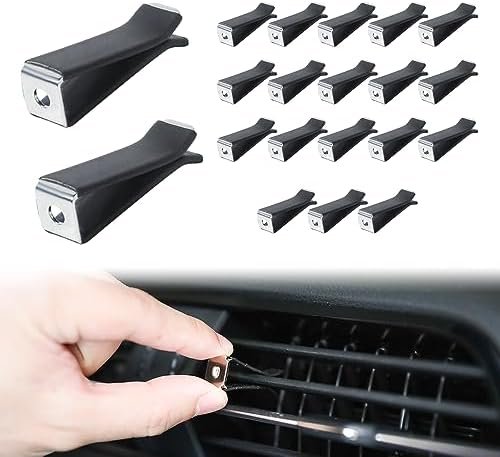
Car air fresheners work by releasing fragrance compounds into the cabin air continuously or on demand, depending on the delivery format. Passive systems such as vent clip fresheners, hanging car air fresheners, and gel fresheners release scent through evaporation driven by airflow and ambient heat. The warmer the cabin, the faster the fragrance evaporates and the stronger the scent output. This is why a car freshener can smell overwhelming in summer and barely noticeable in winter with the same product at the same fill level. Positioning matters too: a vent clip car air freshener placed directly in a high-flow vent disperses scent faster and more evenly through the cabin than a hanging freshener positioned behind the rear-view mirror where airflow is minimal.
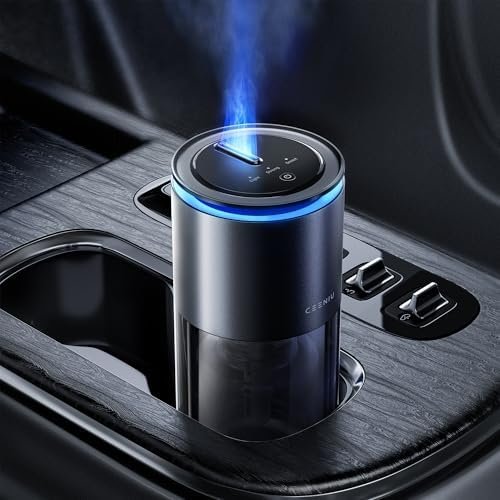
Active delivery systems such as ultrasonic mist car diffusers and electric car fresheners give you a higher level of control over fragrance intensity. An ultrasonic car diffuser uses a small vibrating disc to break liquid fragrance oil into fine particles suspended in a water-based mist, releasing scent at an adjustable rate independent of cabin temperature and airflow. This makes ultrasonic car scent diffusers significantly more consistent across seasonal temperature variations than passive evaporation systems. Spray car fresheners sit at the other end of the control spectrum: instant on-demand scent with no ongoing release, which suits a quick refresh before collecting passengers without wanting a persistent fragrance running continuously between journeys.
The most important thing to understand about any car air freshener, including premium luxury car air fresheners and bottle diffuser sets, is that none of them eliminate cabin odours. They add scent on top of existing air conditions. A cabin that smells of damp, mould, spilled food, or cigarette smoke will still smell of those things under the freshener fragrance. If there is a persistent unpleasant odour in a car, it needs to be addressed at the source before a freshener is introduced: carpet and fabric extraction, ventilation, and where needed a car odour eliminator or professional treatment for embedded sources. A car freshener used after a proper clean is a genuinely pleasant finishing touch. A car freshener used instead of a clean is a temporary mask over an ongoing problem.
Scent finishes a clean cabin, it does not substitute for one
Each with a different delivery method, intensity profile, and best use scenario
How each freshener type releases scent, and how much control you have over the result
Four questions that narrow the choice to the right format and scent for your car and routine
If you want a cabin that always smells pleasant without thinking about it, a passive vent clip car air freshener, hanging freshener, or a refillable bottle diffuser is the right format. These release scent continuously and require no active use between replacements. If you prefer a neutral cabin most of the time with occasional refreshes before specific journeys, a car freshener spray stored in the glove box gives you full control over when and how much fragrance enters the car.
Passive evaporation systems are temperature-dependent. A vent clip car freshener that smells perfect in spring can become overwhelming in a sun-parked car in August and barely noticeable in a cold January commute. If seasonal consistency matters, an ultrasonic mist car diffuser gives you control over output independent of cabin temperature. Alternatively, partially blocking a passive freshener during hotter months and fully opening it in colder months provides a basic level of manual adjustment.
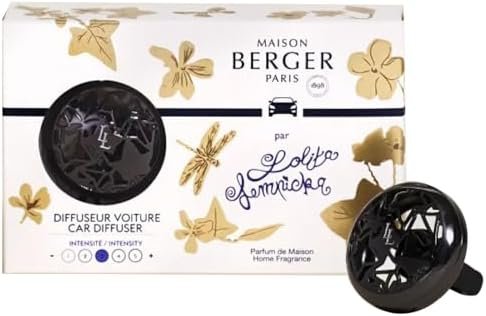
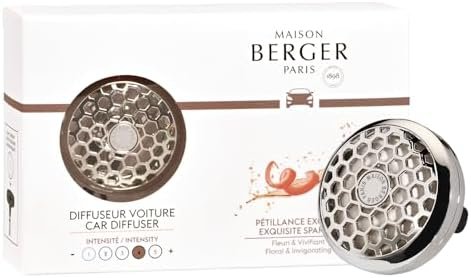
Mass-market car air fresheners typically offer sweet or fruity fragrance profiles alongside new car scent and ocean or fresh variants. Premium and luxury car air freshener formats offer more complex scent profiles including woody, floral, spiced, and oriental fragrance families drawn from home fragrance traditions. Scent preference is entirely personal but matching the fragrance profile to the car interior and your home fragrance choices tends to produce a more cohesive result than choosing the most widely available option by default.
Strong continuous fragrance in a confined cabin space can trigger headaches and discomfort in passengers who are sensitive to scent, particularly children or those prone to motion sickness. If the car carries passengers regularly, a milder passive freshener positioned to reduce direct airflow intensity, or a vent clip car freshener with an adjustable output slider, gives you enough fragrance for an empty commute while reducing the concentration when the car is full. A spray car freshener used before the journey rather than during it is often the most considerate option in shared vehicles.
Before investing in a premium car scent diffuser or long-lasting car air freshener, make sure the cabin itself is clean and odour-free. Vacuum all carpets and seats thoroughly (see car vacuums and extractors for deep cleaning hardware), wipe all hard surfaces, treat any upholstery stains with a fabric and carpet cleaner suited to the material, and leave windows open to ventilate the cabin after cleaning. If a damp or musty smell persists, it likely indicates mould growth in the carpet, seat foam, or HVAC system that needs addressing before a freshener will be effective. A freshener added to a clean cabin makes it noticeably better. A freshener added to a dirty cabin makes it smell like both.
The most common errors that lead to overpowering cabins, wasted product, and masked problems
Using a car air freshener over a persistent cabin odour does not remove the odour. It adds a fragrance layer on top of whatever is causing the smell. The combined result is typically worse than either alone. Pet odour, cigarette smoke, damp carpet, spilled milk, and food residue all need to be treated at the source with appropriate interior cleaning products and odour eliminators before a freshener is introduced. If the cabin smells fine after cleaning and ventilation, a freshener then adds real value.
Car freshener sprays are concentrated and one to two short sprays into the cabin from the centre is enough for a noticeable refresh. Over-spraying creates a cloying, headache-inducing concentration that persists for longer than wanted and can cause discomfort for passengers in a confined space. If the spray seems weak or ineffective, check the formula is still within its shelf life before increasing the volume applied. Most car freshener spray formulas have a recommended dose for a reason.
Passive car air fresheners placed directly in sunlight, particularly hanging fresheners draped over the rear-view mirror or gel fresheners left on the dashboard, degrade significantly faster than those positioned in shade or indirect light. High heat causes the fragrance to evaporate rapidly in the first few days, leaving the product depleted while still appearing unused. It also causes some gel and card fresheners to leak or warp. Position fresheners out of direct sun to extend their effective life.
A vent clip freshener, a hanging freshener, and a spray applied before a journey all in the same session creates a layered fragrance concentration that is almost always unpleasant. Different fragrance profiles clash and the total concentration in a sealed cabin is far higher than any single product was designed to deliver. Choose one freshener format and one scent family per vehicle. If the format you have chosen is not delivering enough intensity, switch to a stronger or more appropriate delivery method rather than adding a second system alongside it.
A car that has been parked with windows closed accumulates stale air, elevated VOC levels from interior materials, and any existing cabin odour in a concentrated form. Opening all windows and doors for two to three minutes before introducing a freshener, or driving with windows down for the first part of a journey, flushes this stale air out and gives the freshener a neutral starting point to work from. A freshener introduced into a sealed stale cabin has to compete with the existing air quality rather than enhancing a refreshed one. This step costs nothing and makes every freshener format work noticeably better.
Three simple habits that extend freshener life and keep the cabin smelling consistently good
The most visually prominent position for a car air freshener is often the least effective for scent delivery. A hanging freshener behind the rear-view mirror sits in a low-airflow zone and releases scent slowly into a confined area rather than throughout the cabin. Positioning a vent clip freshener in a high-flow centre vent set to circulate distributes scent far more effectively throughout the interior. For ultrasonic car diffusers, placing the mist outlet near a vent or in the centre console where airflow passes over it extends the reach of the fragrance considerably.
Most passive car fresheners do not have an output control. You can regulate their effective output by wrapping part of the card or insert in its original packaging during hotter months to slow evaporation, and fully opening it in colder months when evaporation is naturally slower. For vent clip fresheners, reducing the vent airflow to a lower setting reduces fragrance delivery without removing the freshener. This simple regulation extends the useful life of each insert and prevents the intensity spikes that cause passenger discomfort in a parked sun-warmed car.
Passive evaporation fresheners do not fail suddenly. They fade gradually over days or weeks until the fragrance is undetectable. By the time you notice the scent has gone, the product has been ineffective for several days. A useful habit is to replace or refill the freshener at the same interval as a regular interior wipe-down, typically every two to four weeks for most formats. This keeps the cabin experience consistent without waiting for a noticeable drop-off in fragrance that signals the product has been depleted for some time.
Yes, it can be. If an air freshener hangs from your rear-view mirror and obstructs your view of the road, it’s considered a risk during an MOT. The Road Vehicles Regulations 1986 state that drivers must have an unobstructed view of the road and traffic ahead, so hanging fresheners that block your vision can cause a failure. We’ve seen this catch people out, especially with larger hanging fresheners or multiple items on the mirror. The simple fix is to remove any hanging items before your MOT and reattach them afterwards, or choose a different placement like the dashboard or air vents that doesn’t interfere with visibility.
Dealerships typically use professional-grade ozone treatments or chlorine dioxide gas for persistent smells. These aren’t standard air fresheners, they’re odour eliminators that chemically neutralise bad smells rather than masking them. The process usually involves sealing the car and running the treatment for several hours. From our experience, this level of treatment is only necessary for serious problems like smoke damage or mould. For everyday odours, dealerships clean the interior thoroughly first, replace cabin air filters, and then use scent diffusers or sprays. The key difference is they address the source before adding fragrance.
Keeping your car smelling fresh long-term comes down to regular cleaning rather than relying on fresheners alone. We’ve found that vacuuming carpets and seats weekly, wiping down surfaces, and keeping the cabin free of rubbish makes the biggest difference. Air fresheners just maintain what’s already clean. Replace your cabin air filter regularly, especially if you notice musty smells when the air conditioning runs. Drive with windows open occasionally to ventilate the cabin naturally. If you use air fresheners, one is usually enough, whether it’s a hanging type or a spray. Overusing fresheners creates a cloying smell that’s worse than none at all.
One is sufficient for most cars, regardless of size. Modern air fresheners are designed to disperse fragrance throughout the cabin, so adding more doesn’t improve the smell, it just makes it overpowering. We regularly see people complain about headaches or nausea from using multiple fresheners at once. If the scent isn’t strong enough with one freshener, the issue is usually that the car needs cleaning rather than more fragrance. A single passive freshener or a light spray before journeys gives a pleasant smell without overwhelming the space.
You can spray air freshener or disinfectant into the fresh air intake, usually located at the base of the windscreen under the bonnet. When the air conditioning runs, it’ll distribute the scent through the vents. Some people also attach scent pads to the cabin air filter itself, though we’d check the filter isn’t due for replacement first. Be careful with how much you spray. A light mist is enough, and overdoing it can leave residue in the ventilation system. If your air conditioning smells musty, cleaning the system with a proper disinfectant spray is more effective than just adding fragrance on top.
Find the best UK detailing products across our range of categories.


Your independent guide to the best car detailing products in the UK.
Hundreds of car cleaning products, pulled from trusted UK retailers across every category - shampoos, sealants, interior, glass, tools and more.
Customer ratings, review volume, price-to-performance and editor testing notes feed the score. No brand payments, ever.
Total Car Clean is 100% reader-supported. We may earn a small commission from affiliate links, but we remain unbiased to help you find the best products.