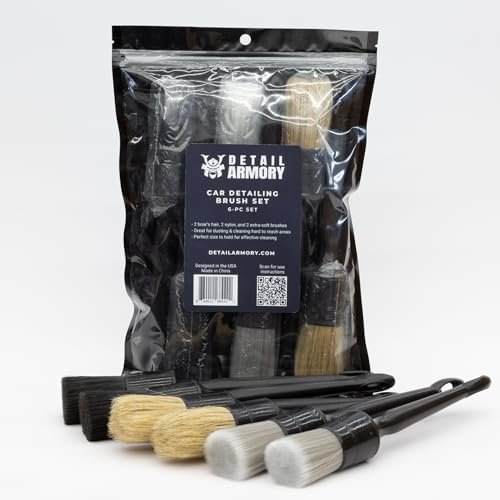
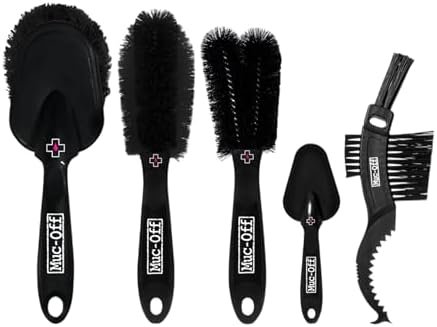
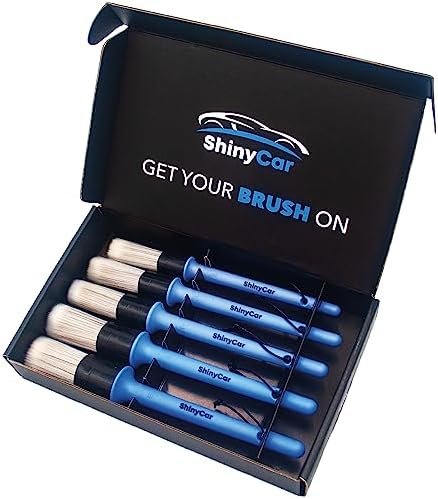
Best Detailing Brushes for Cars

20 products ready to shop 20 products Last checked Checked:

Browse All Brushes

Click through to check today's price and availability from trusted retailers.

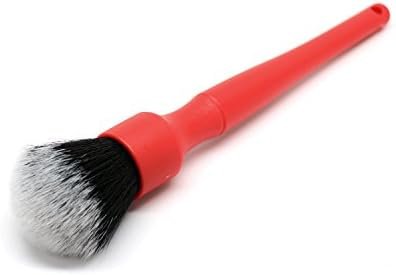
Top Rated Detail Factory Ultra-Soft Detailing Brush Large

Detail Factory Ultra-Soft Detailing Brush Large

4.9/5
Check latest price
Detailing Brushes

Agitate Smart. Finish Safe.

Detailing brushes turn cleaners into results by lifting grime out of textures. Wheel barrels hide brake dust that cloths skim past, vents and stitching trap dust that sprays barely touch, and tyre sidewalls need fibres that scrub without shredding dressings unevenly. Match bristle stiffness to each zone so chemistry gets mechanical help without scratching gloss trim or soft leather. When you are deep-cleaning interiors, pair brushes with suction using our vacuums and extractors hub as a companion to this page.

4 Brush roles
Soft → stiff By surface risk
Yes Dedicated sets
Rinse Between zones

How Detailing Brushes Turn Cleaner Into Clear Results

Mechanical action reaches textures sprays and towels skim past

A brush spreads cleaner evenly into grain, weave, and recesses while fibres lift contamination mechanically. Softer bristles flex across leather grain and gloss plastics without digging in; stiffer bundles scrub tyres, rubber, and textured plastics where you need bite. Pressure stays lighter than you expect on scratch-prone surfaces: let chemistry dwell, then use short strokes and plenty of lubrication from rinse water or foam.

Wheels illustrate the idea quickly. Brake dust bonds in barrels and behind spokes where a mitt never fully contacts. A dedicated wheel brush with appropriate stiffness, used with wheel cleaners and rinse water, carries product to the metal and lifts embedment before you seal the face. The same principle applies inside: vents, map pockets, and carpet edges need slim tools sized to the gap, not a thumb on a towel.

Brushes never replace rinsing and drying. After agitation you still sheet or towel product away, otherwise residue dulls trim and attracts dust. Keep separate tools for wheels, interior, and paint-adjacent work so grit from barrels does not migrate. For leather and vinyl, bias toward softer bundles and proven leather cleaners; stiff upholstery brushes belong on carpets and mats paired with fabric care when fibres need recovery.

What Detailing Brushes Do (and Don't Do)

They pair with chemistry and technique, not brute force across every surface

A detailing brush IS...
  • A way to agitate cleaners into lug recesses, wheel barrels, tyre rubber, vents, stitching, and carpet rows
  • Most effective when bristle stiffness matches the surface: soft for gloss trim and leather, firm for tyres and textiles
  • A complement to towels and wash mitts, not a substitute for rinsing lubrication during the wash
  • Easy to segregate by job (wheels vs interior vs paint-adjacent) so grit does not cross-contaminate
  • Renewable performance when rinsed, shaped, and dried so fibres stay aligned and debris-free
A detailing brush ISN'T...
  • A single universal stiffness for paint, wheels, leather, and glass without adjusting technique
  • A fix for dried grit on gloss plastics or piano-black trim when you skip pre-rinse or lubrication
  • A substitute for extractor passes on soaked upholstery (brushes loosen; extraction removes suspended soil)
  • Safe to drag straight from brake dust into door shuts without cleaning bristles between zones
  • A replacement for pH-appropriate chemistry where bonded contamination needs dwell time from interior cleaners or wheel products

Four Brush Roles Detailers Actually Use

Match shape and stiffness to the zone, then keep sets separated after rinsing

Type 01
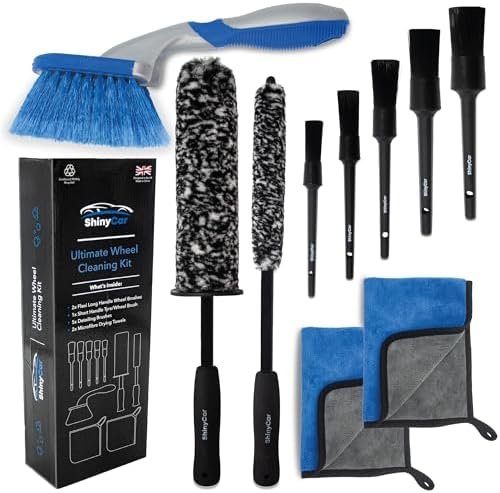
Wheel and Tyre Brushes
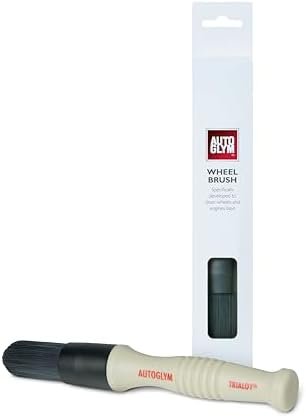
Reach barrels, faces, and sidewalls with bristles sized for brake dust
Start here on grime
  • Long reach variants clean behind spokes without dragging knuckles across finishes
  • Firm-but-controlled bundles lift embedded dust when paired with rinse water and compatible chemistry
  • Tyre-focused shapes scrub sidewall lettering evenly before dressing
  • Softer mini brushes suit polished lips when you shorten strokes and flush often
Treat wheels as their own ecosystem: rinse the brush whenever it loads grit, and never promote those bristles to paint work. More wheel-focused picks live on our wheel brushes and tools page.
Type 02
Interior Soft Detailing Brushes
Dash grain, vents, piano gloss, and leather seams without harsh flex
Low scratch risk
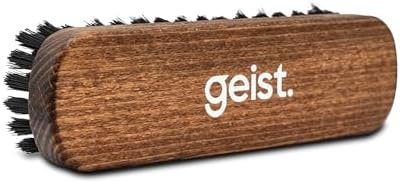
  • Soft synthetic or natural-light bundles flick dust from louvres while cleaners dwell
  • Slim profiles slip along stitching and controls where towels bunch
  • Works with diluted interior cleaners on plastics before you wipe with microfibre
  • Separate colours or handles help you avoid grabbing the wheel brush by mistake
Leather benefits from dedicated softness and technique; see our leather cleaning brushes guide when hides need specialist agitation.
Type 03
Stiff Textile and Rubber Brushes
Carpets, rubber mats, lug pockets, and textured exterior plastics
More bite, more rinse
  • Lift nap on carpets and mats after vacuuming dry soil away first
  • Use short stacks of strokes so fibres do not matte unevenly
  • Pair with fabric routines from fabric and carpet care when stains need recovery
  • Rinse thoroughly so chemistry does not stiffen fibres after drying
If gloss trim borders the textile, mask or switch to a softer brush before working edges where plastic meets carpet.
Type 04
Wash Brushes and Ultra-Soft Bath Tools
Lower panels, shuts, grills, and tight spots during the wash stage
Paint-adjacent care
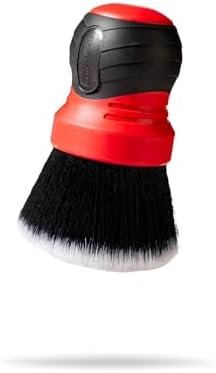
  • Ultra-soft bundles extend reach where mitts struggle without replacing two-bucket discipline
  • Always load foam from your car shampoo bucket so grit sheds rather than presses into lacquer
  • Use after loose dirt is rinsed away; brushes multiply damage if grit remains on panels
  • Combine with pre-wash snow foam when organic film needs dwell before contact
Many owners pair large wash tools with wash mitts on horizontal panels while reserving brushes for vertical recesses.

Pick the Right Brush for Each Area of the Car

Stiffness, length, and rinse habits matter more than how many brushes sit in the bucket

Wheels and tyres
Brake dust, barrels, faces, rubber
Spokes, lug wells, sidewall lettering, inner barrels
Work from top to bottom on the wheel, keep the brush dunked in rinse water, and reload product only as needed. Aggressive twisting in a tight barrel can bend older spokes, so let chemical dwell do part of the job. Finish with a separate soft tool on polished lips if you need a second pass.
Best brush profile Long-reach barrel brush plus a short tyre scrubber; add a slim face brush for tight multi-spoke layouts
Chemistry pairing pH-appropriate wheel cleaners with plenty of rinse water between panels
Avoid: using the same brush on paint shuts without rinsing bristles completely. Grit embedded after wheels is the fastest way to add love marks elsewhere.
Interior trim and leather
Textured plastics, vents, hides, seams
Cluster shrouds, air vents, seat flutes, centre console seams
Dust clears faster when you agitate louvres gently, then wipe with a plush towel. Leather and coated vinyl reward soft bundles, even pressure, and immediate towel follow-up so cleaner does not sit in perforations. When you need specialist tools for hides, jump to leather cleaning brushes before you graduate stiffness.
Best brush profile Short, soft flagged synthetics or boar substitutes sized to the vent or seam
Chemistry pairing Diluted interior cleaners; for hides add leather cleaner suited to your finish
Avoid: stiff carpet brushes on piano black stack trim. Switch tools the moment gloss plastic appears beside the textile you were scrubbing.
Paint-adjacent wash work
Grilles, lower shut lines, badges, sills
Honeycomb mesh, bumper steps, emblem edges, door jambs
These areas collect film that mitts skim. An ultra-soft wash brush loaded with shampoo solution can cover more ground if the car is pre-rinsed and you work in straight, light strokes. Never treat this like wheel work: inspect the bundle for trapped grit every few panels.
Best brush profile Flagged ultra-soft fibres on a flexible head for reach without spiking pressure
Chemistry pairing High-lubricity car shampoo in a two-bucket wash; optional pre-wash before contact
Avoid: carrying wheel brushes into this step. Colour-code or physically separate buckets so habits stay consistent.
Carpets, mats, utility rubber
Nap lift, heel pads, removable mats
Driver mat, boot carpet, rubber floor liners, loading sills
Vacuum dry soil first so you are not grinding it into fibres. Work in lanes, then blot with towels. If contamination is organic or sticky, pair agitation with fabric products from our fabric and carpet category and follow with extraction when the foam load is heavy.
Best brush profile Medium-stiff upholstery brush or drill-compatible options for large mat areas
Follow-up Extract or towel-blot after agitation so chemistry does not crystallise in the pile
Avoid: soaking headliners from below. Use minimal liquid, support the panel from the back of the cloth, and stop if adhesive areas feel soft.
One rule across every zone: if the brush feels crunchy or picks up metallic glitter after wheels, strip it for paint and interior duty until it is deep-cleaned and dry. Dedicated sets cost less than a single correction.

How to Choose Detailing Brushes You Will Actually Reach For

Four decisions that keep scratch risk low and results consistent

Consider 01

Where do you spend the most agitation time?

If wheels and tyres dominate your weekends, invest in rinsed-easy barrel brushes and a separate tyre scrubber before expanding into interior bundles. If cabin dust is the pain point, prioritise slim soft brushes and vent tools, then add carpet stiffness only after you trust your technique on plastics.

Consider 02

How soft is the surrounding trim?

Paint-adjacent brushes should feel almost pillowy compared to wheel tools. When in doubt, buy down a stiffness grade and extend dwell time with car shampoo or interior cleaners instead of pressing harder.

Consider 03

Can you store sets separately?

Hooks, labelled bags, or colour-taped handles beat a single communal pot. If you cannot keep wheels and paint brushes apart, duplicate the inexpensive tools so habits never shortcut.

Consider 04

Will you maintain the fibres?

Brushes that never get rinsed and combed shed residue into the next job. Budget time to shampoo natural bundles occasionally and reshape synthetics while they dry.

The setup most home detailers grow into

Start with a wheel duo, a soft interior set, and one ultra-soft wash brush if you maintain your own paint. Add microfibre towels for every wipe step, and keep a vacuum or extractor mindset (see vacuums and extractors) so dry soil disappears before bristles touch carpet. That combination covers the bulk of real-world jobs without cluttering the shelf.

Brush Habits That Cause Marring or Wasted Product

Almost every issue traces back to grit transfer, wrong stiffness, or skipped rinsing

Mistake 01

Promoting a wheel brush to paint or interior duty

Brake dust and sharp debris wedge into the heel of the bundle. One quick pass along a sill or gloss trim embeds those particles. After wheels, rinse until the water runs clean, inspect the fibres, or retire that tool from paint service entirely.

Mistake 02

Scrubbing dry on sensitive trim

Spraying cleaner and immediately attacking piano black or soft leather with anything stiffer than a dedicated soft brush invites swirls. Mist, dwell, then use light strokes and microfibre removal before the product films.

Mistake 03

Skipping the vacuum before carpet agitation

Brushes drive surface grit deeper when dry soil is still in the pile. Pull sand and debris out with suction from vacuums and extractors workflows first, then agitate with damp methods.

Mistake 04

Letting chemistry dry in the bristles

Product that cures in the bundle turns stiff and scratchy. Pause to rinse brushes during long wheel jobs and deep interior sessions so the fibres stay pliable.

The habit that quietly ruins results

Using the same rinse bucket for wheels and wash without dumping it. Cross-contamination moves silicates and metallic particles straight back onto mitts or wash brushes. Treat wheel buckets, wash buckets, and interior rinse bowls as separate systems, even if that means one more cheap container in the garage.

Maintain Brushes Like You Maintain Towels

Drying shape, storage, and separation keep fibres honest for the next job

01

Rinse until the water runs clean

Flush bundles under a stream, work the heel with your fingers, and shake out grit. For heavy wheel sessions, follow with a mild brush shampoo soak, then rinse again so no cleaner hardens overnight.

02

Reshape and hang dry bristles down

Gravity helps water exit the ferrule. Comb synthetics straight while damp; reshape natural fibres gently and let them dry away from radiators that can bake them crooked.

03

Return each tool to its labelled home

Slots, hooks, or bags labelled “wheels”, “interior”, and “wash” beat a shared coffee can. The ten seconds it takes to put a brush away correctly saves paint later.

Detailing brushes reward consistency more than novelty. Pick the right stiffness, keep grit from crossing zones, and pair every agitation step with rinse and wipe discipline. Do that and the same modest set of tools will outlast gimmick gadgets while keeping lacquer, leather, and trim where you want them.

FAQs

Professional detailers typically use a range of brushes matched to specific tasks. Soft natural or synthetic bristle brushes for interiors and delicate trim, medium-stiffness brushes for wheels and spokes, and firm brushes for tyres and heavy-duty areas. We’ve found that most serious detailers own at least five to seven different brushes, each dedicated to a particular surface or contaminant type. The key difference between professional and consumer approaches is brush separation. Professionals keep wheel brushes completely separate from paint brushes, and interior brushes separate from exterior ones. That discipline prevents cross-contamination and makes every brush last longer because it’s not being misused on inappropriate surfaces.

Start by identifying the surfaces you clean most often. If you mainly work on interiors, prioritise soft brushes in various sizes for vents, screens, and upholstery. If you focus on exteriors, you’ll need brushes for wheels, tyres, and engine bays alongside soft detailing brushes for paint and trim. We regularly see people buy large sets and then only use three or four brushes, so it’s better to start focused and expand later. Bristle stiffness matters more than size. Match soft brushes to delicate surfaces, medium brushes to durable painted areas like alloys, and stiff brushes to rubber and heavy grime. If the set doesn’t clearly indicate what each brush is for, that’s a warning sign. Good brush sets are designed around tasks, not just sold by the number of pieces in the box.

Soft natural-hair or high-quality synthetic brushes with fine, flexible bristles are safe for paint. Look for brushes marketed specifically for detailing paintwork, badges, or trim. These typically have bristles that bend easily under light pressure, which means they won’t dig into the clear coat even if you press slightly too hard. From our experience, boar’s hair and soft nylon brushes work well on painted surfaces without causing marring. The real risk isn’t the brush itself, it’s what’s trapped in the bristles. A soft brush that’s dirty or hasn’t been rinsed properly will scratch paint because it’s holding grit from previous use. Always rinse brushes thoroughly after every session, let them dry completely, and inspect the bristles before you start working. A clean soft brush is safe, a dirty soft brush causes damage.

Larger brushes cover more area and suit open surfaces like door cards, wheel faces, and large trim panels. Smaller brushes fit into tight gaps, around badges, between spokes, and into vents. We’ve found that having at least one small, one medium, and one large soft brush covers most situations without needing a drawer full of options. Start with a medium brush for general work and add specific sizes when you find yourself struggling to reach certain areas. Don’t assume bigger is always better. Small brushes give you control in awkward spots, and using a large brush where you need precision just makes the job harder. The general consensus is that two or three well-chosen sizes work more effectively than a dozen brushes that are all slightly too big or too small for the task.

Using one brush for everything is the biggest mistake we see. People use the same brush on tyres, wheels, and then paintwork, transferring brake dust and road grime directly onto delicate surfaces. That causes scratches and defeats the purpose of having brushes in the first place. Keep brushes separated by task and label them if needed, it’s a simple habit that prevents expensive damage. Not cleaning brushes properly is the second major issue. Dirty brushes trap grit in the bristles, which then scratches whatever you clean next. Rinse them thoroughly after each use, work soap or cleaner into the base of the bristles where contamination hides, and let them dry before storing. We regularly see people damage their cars with brushes simply because they didn’t rinse them between washes.

Yes, if you're trying to clean properly. Mitts and cloths can't reach into grilles, around badges, between spokes, or into vents without risking damage or simply missing the dirt altogether. Brushes give you targeted agitation in areas where broader tools fail, which means you're actually cleaning rather than just wiping surface contamination around. From our experience, the difference is visible immediately in areas like door shuts, wheel barrels, and interior trim. The investment isn't huge. A basic set of three brushes, one soft for paint, one medium for wheels, one stiff for tyres, costs less than a single bottle of decent wax and lasts years if maintained properly. The real value is in preventing damage. Using the right brush in the right place reduces the risk of scratching far more than any amount of careful wiping with the wrong tool.
You can modify existing brushes by trimming bristles to create stiffer, more precise tools for specific jobs. Cut the bristles shorter to make them firmer, or thin them out for softer contact. Some people adapt cheap household brushes for areas like engine bays or wheel arches where purpose-built detailing brushes would be overkill. We've seen people create effective tyre brushes from modified deck brushes simply by cutting them down to size. That said, purpose-built detailing brushes are inexpensive enough that making your own usually isn't worth the effort unless you need something very specific. The bristle quality, handle ergonomics, and overall design of proper detailing brushes are hard to replicate with DIY modifications. If you're curious, experiment with one or two adapted brushes for heavy-duty work, but don't try to build an entire brush collection from scratch.

Browse by Category

Find the best UK detailing products across our range of categories.

Our methodology

Your independent guide to the best car detailing products in the UK.

Step 01 · Sourcing

We start with every option

Hundreds of car cleaning products, pulled from trusted UK retailers across every category - shampoos, sealants, interior, glass, tools and more.

Step 02 · Scoring

Ranked by real-world signals

Customer ratings, review volume, price-to-performance and editor testing notes feed the score. No brand payments, ever.

Step 03 · Freshness

We keep it fresh and clean

Total Car Clean is 100% reader-supported. We may earn a small commission from affiliate links, but we remain unbiased to help you find the best products.

Independent No paid rankings UK-focused