


Best Leather Cleaning Brushes

15 products ready to shop 15 products Last checked Checked:

Top Leather Cleaning Brushes Picks from the TCC Team

Product Our Rating Key Specs
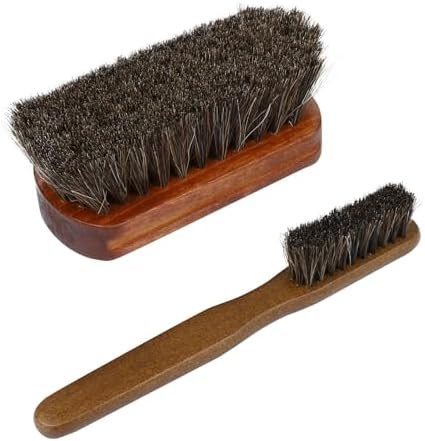
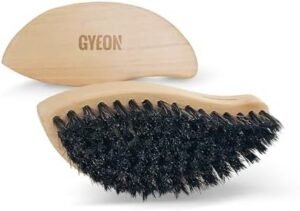
Leather Brush
5

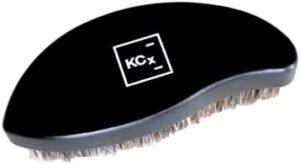
An ergonomically shaped boar's hair brush cleaning leather, alcantara, and imitation leather gently and effectively without damaging delicate surface fibres.

  • Natural boar's hair bristles
  • Alcantara and leather safe
  • Ergonomic wooden handle
  • Pairs with Pol Star
Check Latest Price
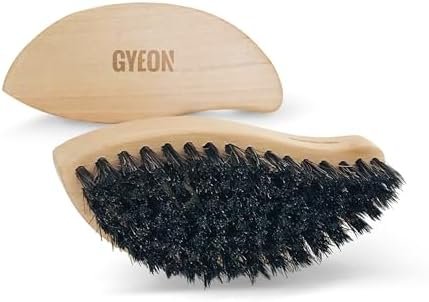
Q²M LeatherBrush
4.8

A natural horsehair brush with a pointed ergonomic shape reaching into stitching and tight corners for thorough cleaning on all leather types.

  • Natural horsehair bristles
  • Pointed ends reach stitching
  • Rounded handle
  • All leather types safe
Check Latest Price
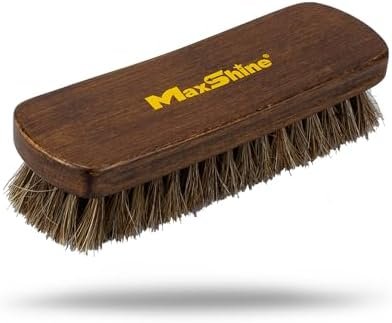
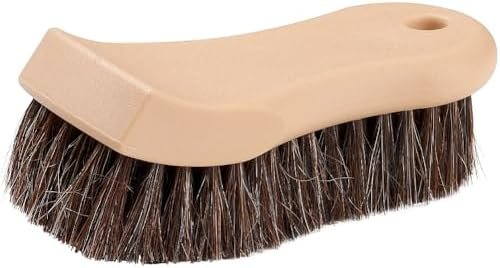
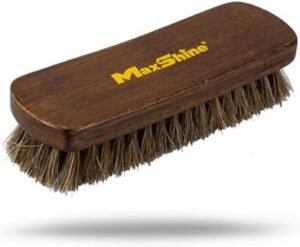
Universal Horse Hair
4.8

A beautifully finished wooden-handled horsehair brush with densely packed long-cut bristles delivering non-marring agitation on leather, fabric, and vinyl.

  • 100% natural horsehair
  • Dense long-cut bristles
  • Available in two sizes
  • Leather, fabric, and vinyl
Check Latest Price
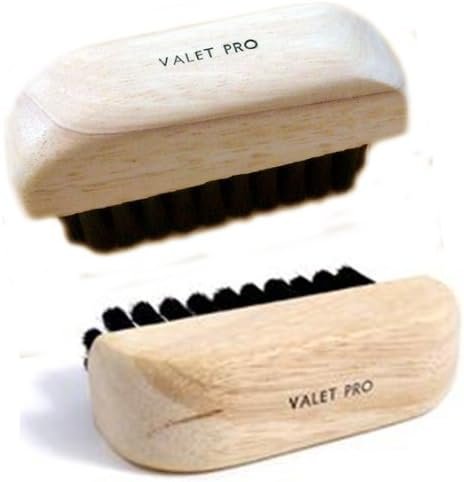
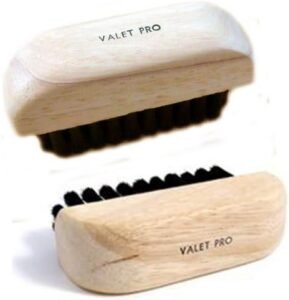
Leather Cleaning Brush
4.6

UK-made nylon bristle brush set in hard resin for long-term durability, gently agitating dirt from leather grain, headlinings, and soft tops.

  • Long-lasting resin
  • Soft nylon bristles
  • Headlining & soft top safe
  • Ergonomic wooden grip
Check Latest Price
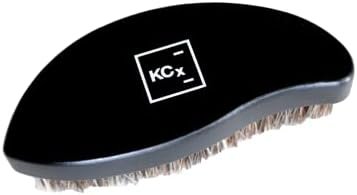
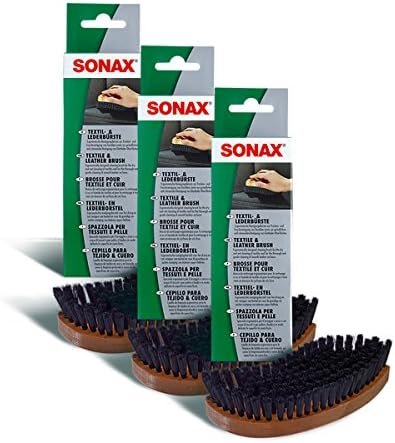
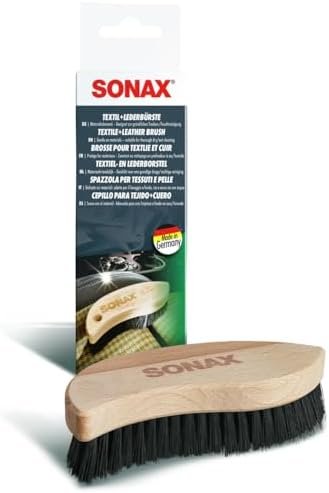
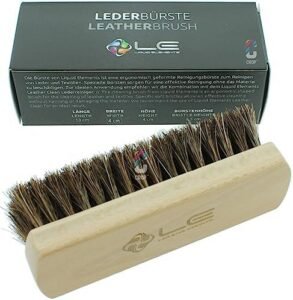
Leather Brush
4.8

A 15cm horsehair brush from a specialist German detailing brand, ergonomically shaped for extended cleaning sessions on leather and textile surfaces.

  • 15cm working surface
  • Natural horsehair bristles
  • Leather & textile safe
  • German specialist brand
Check Latest Price
#1 Best overall
Leather Brush (Koch Chemie)
Leather Brush
5
  • Natural boar's hair bristles
  • Alcantara and leather safe
  • Ergonomic wooden handle
  • Pairs with Pol Star
#2 Top pick
Q²M LeatherBrush (Gyeon)
Q²M LeatherBrush
4.8
  • Natural horsehair bristles
  • Pointed ends reach stitching
  • Rounded handle
  • All leather types safe
#3 Best value
Universal Horse Hair (Maxshine)
Universal Horse Hair
4.8
  • 100% natural horsehair
  • Dense long-cut bristles
  • Available in two sizes
  • Leather, fabric, and vinyl
#4 Daily driver
Leather Cleaning Brush (ValetPro)
Leather Cleaning Brush
4.6
  • Long-lasting resin
  • Soft nylon bristles
  • Headlining & soft top safe
  • Ergonomic wooden grip
#5 Premium pick
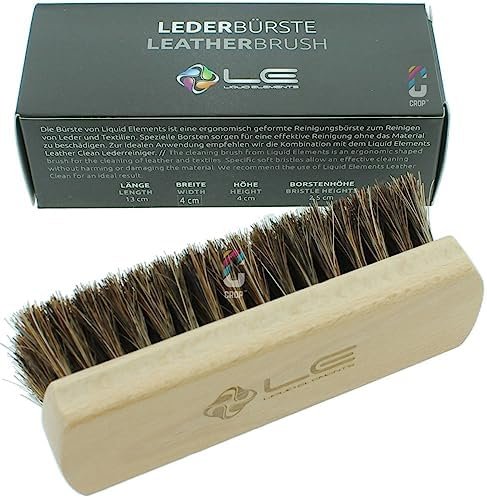
Leather Brush (Liquid Elements)
Leather Brush
4.8
  • 15cm working surface
  • Natural horsehair bristles
  • Leather & textile safe
  • German specialist brand

Gentle Agitation. No Scratches. Proper Clean.

The brush you use on leather matters as much as the cleaner. Stiff bristles abrade the protective coating on modern coated leather, leaving fine scratches and dulling the surface over time. A soft, purpose-made leather brush agitates the cleaner without damaging what it’s cleaning.

4 Brush types
Soft Bristles only
Gentle Agitation needed
Clean After every use

What Leather Cleaning Brushes Are (and Aren’t)

Agitation tools that help cleaners work — not scrubbing tools.

What leather brushes do

  • Agitate leather cleaner to loosen dirt, oils, and surface contamination gently
  • Reach into stitching, perforations, and textured grain that cloths can’t fully access
  • Work the cleaner into the surface without soaking or over-wetting the leather
  • Allow you to clean with control, applying only as much agitation as needed

What leather brushes aren’t

  • Scrubbing tools — leather doesn’t need force, only gentle circular agitation
  • Interchangeable with general purpose brushes, which are typically too stiff for coated leather
  • Suitable for use without cleaner — dry brushing doesn’t clean and can scratch
  • Safe to share with fabric, carpet, or wheel cleaning tools — contamination transfers

Leather Cleaning Brush Types (Only What Matters)

Four types covering coated leather, suede, detail work, and maintenance.

Standard Coated Leather
Horsehair Bristle Brushes
Natural bristles. The most widely recommended choice.
Most Popular
  • Natural horsehair bristles are soft enough for regular use on coated automotive leather
  • Agitate cleaner effectively without abrading or scratching the protective surface layer
  • The benchmark choice recommended most consistently across user reviews and professional detailers
  • Available in varying sizes — medium to large heads suit seat panels, smaller heads for detailed work
Start here. Horsehair is the standard for a reason. If you only buy one leather brush, make it a quality horsehair model of a size that suits your most common cleaning area.
Everyday Alternative
Soft Synthetic Bristle Brushes
Durable and consistent performance for regular use.
Good Durability
  • Synthetic bristles designed to replicate the softness of horsehair at a lower price point
  • More resistant to wear and easier to clean thoroughly after use than natural bristle brushes
  • Quality varies significantly — check that bristles are specifically rated as safe for coated leather
  • A practical choice for regular use where durability and ease of maintenance matter
A good alternative to horsehair, but not all soft synthetic brushes are equal. Avoid anything marketed as multi-purpose or with bristles that feel stiff under light hand pressure.
Alcantara and Suede
Soft Fabric and Textile Brushes
For alcantara, suede, and fabric-type interior surfaces.
Specialist Use
  • Designed specifically for alcantara, suede, and fabric inserts found in some sports car interiors
  • Bristles are softer and more densely packed to lift the nap of delicate materials
  • Not suited to standard coated leather — keep these separate from your main leather brush
  • Often used dry or with minimal moisture to avoid over-wetting delicate textile surfaces
Only needed if your interior includes alcantara or suede. Check your car’s trim specification before buying. Using the wrong brush on alcantara can permanently damage the nap.
Stitching and Tight Areas
Detail and Stitching Brushes
Small brushes for gaps, stitching, and perforations.
Finishing Tool
  • Smaller head size allows precise cleaning along stitching lines and around perforations
  • Reach into gaps between seat bolsters and panels where larger brushes can’t clean properly
  • Used after the main clean rather than as a primary cleaning tool
  • A dedicated brush for lug nuts and valves shouldn’t be the same brush used on leather
A detail brush makes a visible difference on perforated or heavily stitched leather. It’s a finishing tool — don’t use it as a substitute for a properly sized main brush.

Which Brush for Which Leather Surface

Different parts of your interior need different tools.

Main Panels
Seat Bolsters and Cushions
Tool: Horsehair or Soft Synthetic

The largest leather surfaces in the car and the most exposed to body oils and daily wear. These need a well-sized brush that covers ground efficiently without scratching the coated finish.

  • Use a medium to large horsehair brush for coverage on flat seat panels
  • Work in gentle circular motions after applying cleaner to a cloth or the surface
  • Bolster edges collect more dirt — pay extra attention to seams and creases
  • Rinse the brush regularly during cleaning to avoid redepositing loosened grime
Fine Detail
Stitching and Perforations
Tool: Small Detail or Stitching Brush

Stitching lines and perforations trap dirt and discolour faster than flat leather surfaces. A small, stiff-enough (but not abrasive) detail brush gets into these areas without spreading cleaner onto surrounding panels uncontrolled.

  • Use a dedicated small brush specifically for stitching — not the same one used on flat panels
  • Work along stitching lines with light pressure, not across them
  • On perforated leather, brush gently so as not to force grime deeper into holes
  • Follow up with a cloth to lift any displaced dirt
Specialist Surface
Alcantara and Suede Trim
Tool: Dedicated Soft Textile Brush

Alcantara and suede require a completely different approach to standard leather. They have a nap that needs to be lifted rather than flattened, and they’re more sensitive to moisture than coated leather. Using the wrong brush permanently damages the surface.

  • Never use your standard leather brush on alcantara — keep brushes strictly separate
  • Brush in one direction to lift the nap and release surface dirt
  • Use minimal moisture — over-wetting alcantara causes staining and matting
  • Allow to dry fully before using again — damp alcantara is easily marked
High-Contact Areas
Steering Wheel and Gear Selector
Tool: Small Horsehair or Detail Brush

The steering wheel and gear selector collect more hand contact contamination than any other leather surface. They’re also smaller and more intricate, with stitching, texture changes, and often embedded controls that need careful cleaning around.

  • Use a smaller brush than you’d use on seats for better control around buttons and switchgear
  • Apply cleaner to the brush rather than directly onto the steering wheel
  • Be careful around electronic controls and column stalks — avoid getting moisture into gaps
  • These areas need cleaning more frequently than seats given the amount of daily contact
Keep your brushes dedicated and separate. A brush used on leather shouldn’t be the same one used on fabric, carpet, or exterior surfaces. Contamination from other materials transfers onto leather during cleaning and can cause staining or surface damage. Label your brushes or store them separately if needed.

How to Choose the Right Leather Cleaning Brush

Match the brush to your leather type and the area you’re cleaning.

For standard coated automotive leather

A horsehair brush is the most reliably safe option for regular use. It’s soft enough to avoid damaging the protective coating and firm enough to agitate cleaner effectively. Start here before considering alternatives.

If you want something more durable

A quality soft synthetic brush is a practical alternative to horsehair, particularly if you clean frequently and want something that’s easier to rinse out and maintain. Check that the bristles are specifically rated safe for coated leather before buying.

If your interior has alcantara or suede

Buy a dedicated soft textile or alcantara brush and keep it completely separate from your leather tools. Using the wrong brush on alcantara or suede can permanently flatten the nap or cause surface damage that can’t be reversed.

For stitching, perforations, or tight gaps

A small detail brush makes cleaning stitching lines and perforated panels significantly easier and more thorough. It’s not a primary cleaning tool — use it after your main brush to finish areas the larger brush couldn’t fully reach.

If you’re unsure what bristle stiffness to look for

Test the brush against the back of your hand using the pressure you’d apply during cleaning. It should feel gentle enough that you’d be comfortable using it on your face. If it scratches or feels rough under light pressure, it’s too stiff for coated leather. When in doubt, go softer — you can always agitate more, but you can’t undo scratches to the coating.

Common Leather Brush Mistakes

Most brush-related damage is caused by bristle stiffness or cross-contamination.

Using a brush with bristles that are too stiff

General-purpose brushes, nail brushes, and washing-up brushes are all too stiff for coated automotive leather. They abrade the protective layer and leave fine scratches that dull the surface and become more visible over time. Soft bristles only.

Scrubbing dry leather or scrubbing too hard

Brushing without cleaner, or using excessive pressure, grinds contamination into the surface rather than lifting it. Always apply a leather cleaner first and let it dwell briefly. Gentle agitation does the work — force doesn’t help and causes damage.

Using the same brush for leather and fabric or carpet

Brushes used on fabric and carpet carry dye particles, fibres, and soiling that transfer onto leather during cleaning. Keep leather brushes strictly for leather surfaces and store them separately from your other interior brushes.

Not rinsing the brush between sections

A brush loaded with loosened grime redistributes that contamination back onto the surface as you work. Rinse the brush under water or into a bucket of clean water between panels to keep it clean and avoid redepositing what you’ve just removed.

What to Do After Using Leather Brushes

A quick clean after every use keeps bristles in good condition and prevents contamination transfer.

01

Rinse thoroughly after every use

Rinse the brush under warm running water to remove cleaner residue and loosened grime. Work the bristles gently with your fingers to clear any embedded dirt. Residue left in bristles dries hard and shortens the brush’s effective life.

02

Allow to dry naturally bristle-down

Dry with bristles facing down or sideways so water doesn’t pool into the handle or ferrule. Moisture trapped in the handle joint weakens glue and causes bristles to shed. Natural bristle brushes need to dry fully before storage.

03

Store clean and separate

Store leather brushes away from fabric, carpet, and wheel cleaning tools. Contamination from other tools transfers to bristles during storage and then onto leather surfaces at the next clean. A dedicated brush holder or bag keeps them clean and clearly separated.

04

Replace when bristles splay or harden

Splayed or hardened bristles no longer agitate effectively and become more likely to scratch. Natural horsehair brushes wear more gradually than synthetic but both degrade with use. A brush that no longer feels soft under light hand pressure should be replaced.

A good leather brush is a small investment that makes a noticeable difference to cleaning results. Pair it with a quality leather cleaner and follow up with a conditioner when needed — the right tools and the right products used in the right order is what keeps automotive leather in good condition over time.

Browse All Leather Cleaning Brushes

Click through to check today's price and availability from trusted retailers.

Browse by Category

Find the best UK detailing products across our range of categories.

Our methodology

Your independent guide to the best car detailing products in the UK.

Step 01 · Sourcing

We start with every option

Hundreds of car cleaning products, pulled from trusted UK retailers across every category - shampoos, sealants, interior, glass, tools and more.

Step 02 · Scoring

Ranked by real-world signals

Customer ratings, review volume, price-to-performance and editor testing notes feed the score. No brand payments, ever.

Step 03 · Freshness

We keep it fresh and clean

Total Car Clean is 100% reader-supported. We may earn a small commission from affiliate links, but we remain unbiased to help you find the best products.

Independent No paid rankings UK-focused