Best Car Wax for Shine and Protection

25 products ready to shop 25 products Last checked Checked:

Top Wax Picks from the TCC Team

Product Our Rating Key Specs
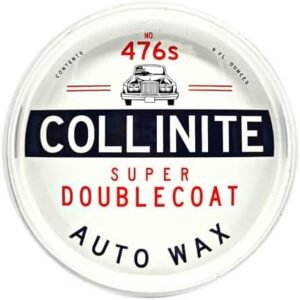
476S Super Doublecoat
4.8

A high-carnauba paste wax long revered by the detailing community as one of the most reliable and durable all-season waxes available.

  • razilian carnauba formula
  • Detergent-proof protection
  • Clear coat compatible
  • Lasts up to 12 months
Check Latest Price
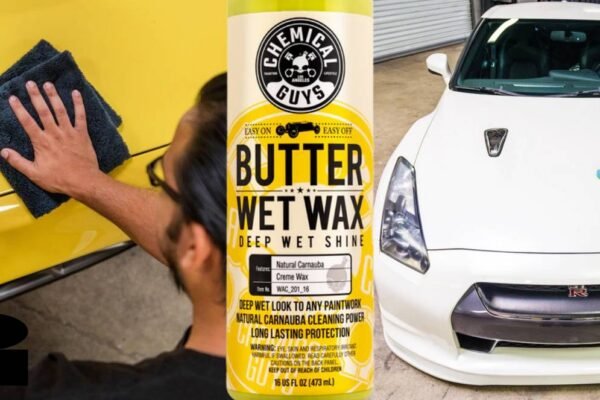
Butter Wet Wax
4.6

A liquid carnauba wax with a deep warm gloss and simple application, widely recommended by detailing channels for its finish and ease of use.

  • Liquid carnauba formula
  • Deep wet-look gloss
  • Works on all colours
  • Effortless hand application
Check Latest Price
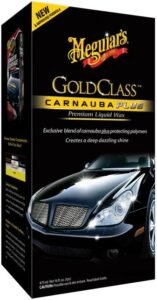
Gold Class Carnauba Plus
4.5

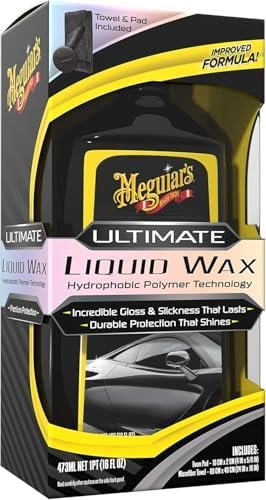
A carnauba-polymer blend from Meguiar's consumer range, offering reliable shine and protection at an accessible price point for regular use.

  • Carnauba-polymer blend
  • All clear coats safe
  • Colour-enhancing formula
  • Streak-free removal
Check Latest Price
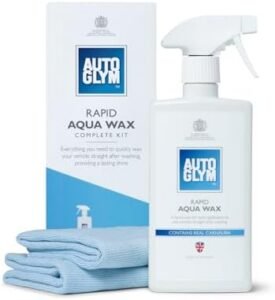
Rapid Aqua Wax
4.6

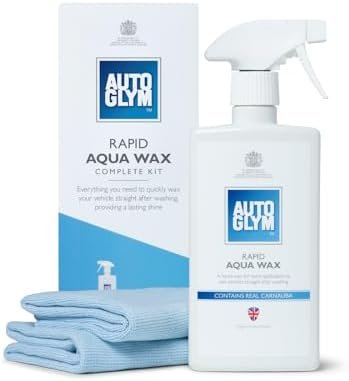
A spray wax from a trusted UK brand designed for wet or dry paintwork, suited to quick frequent maintenance after washing.

  • Wet or dry safe
  • Fast spray formula
  • All exterior surfaces
  • Complete kit included
Check Latest Price
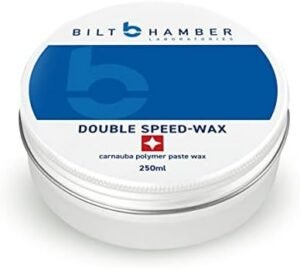
Double Speed-Wax
4.7

A PTFE-enhanced carnauba paste wax and multiple Auto Express award winner, respected in the UK detailing community for durability and finish quality.

  • PTFE-enhanced carnauba
  • Multi-award winning formula
  • UV and detergent resistant
  • Applicator pad included
Check Latest Price
#1 Best overall
476S Super Doublecoat (Collinite)
476S Super Doublecoat
4.8
  • razilian carnauba formula
  • Detergent-proof protection
  • Clear coat compatible
  • Lasts up to 12 months
#2 Top pick
Butter Wet Wax (Chemical Guys)
Butter Wet Wax
4.6
  • Liquid carnauba formula
  • Deep wet-look gloss
  • Works on all colours
  • Effortless hand application
#3 Best value
Gold Class Carnauba Plus (Meguiar's)
Gold Class Carnauba Plus
4.5
  • Carnauba-polymer blend
  • All clear coats safe
  • Colour-enhancing formula
  • Streak-free removal
#4 Daily driver
Rapid Aqua Wax (Autoglym)
Rapid Aqua Wax
4.6
  • Wet or dry safe
  • Fast spray formula
  • All exterior surfaces
  • Complete kit included
#5 Premium pick
Double Speed-Wax (Bilt Hamber)
Double Speed-Wax
4.7
  • PTFE-enhanced carnauba
  • Multi-award winning formula
  • UV and detergent resistant
  • Applicator pad included
Wax

Protect Paint. Enhance Gloss.

Wax provides a sacrificial layer that protects paint from UV, dirt, and light contamination. It takes the wear instead of your clear coat, breaking down gradually so your paint does not have to. Natural carnauba waxes deliver a warm, deep glow that synthetic alternatives struggle to match. Regular waxing keeps paint easier to maintain and more resistant to the contaminants that build up between washes.

2 formula types
Weeks to months duration
Warm gloss finish
Always reapply regularly

A Good Wax Does Three Things

Protection, finish, and maintenance, all in one product.

Protects paint from UV and contamination

Wax forms a sacrificial barrier that sits between your paint and the environment. UV rays, bird droppings, road grime, and light contamination hit the wax layer first, breaking it down gradually rather than attacking the clear coat directly.

Creates a warm, deep gloss finish

Natural carnauba waxes in particular are prized for the depth and richness they bring to paint. Water beads tightly, the paint looks more alive, and the overall finish has a warmth that most synthetic sealants and coatings cannot quite replicate.

Makes paint easier to maintain

A waxed car sheds dirt better, washes cleaner, and picks up fewer stubborn contaminants between washes. The slicker surface means less bonding for the things that would otherwise embed themselves into the paint and require decontamination to remove.

What Wax Is (and Is not)

A temporary, sacrificial protectant that prioritises finish quality over longevity.

✓ What wax is

  • A traditional paint protection product, usually based on natural carnauba or synthetic polymers, or a blend of both, applied by hand or machine
  • A sacrificial layer that sits on top of the paint rather than bonding deeply to it, taking the wear so your clear coat does not have to
  • A finish enhancer that creates a warm, wet-look gloss, particularly when using natural carnauba-based formulas
  • A product that makes paint easier to maintain, reducing the adhesion of contaminants and making washes more effective between applications

✗ What wax is not

  • Permanent protection, wax is designed to wear off and be reapplied, typically lasting a few weeks to a couple of months depending on conditions and wash frequency
  • A product that fills scratches or corrects paint defects, though it can temporarily mask very light marring by filling microscopic imperfections with oils
  • A long-term substitute for sealants or ceramic coatings if durability is your primary goal, those products bond more deeply and last significantly longer
  • A product that requires specialist tools or preparation, wax is one of the most approachable protection products available for any skill level

Two Formula Types, Different Strengths

Natural carnauba for finish quality, synthetic for durability and ease.

Best finish quality

Natural / Carnauba Waxes

Contain high levels of carnauba, a hard wax from Brazilian palm trees. Prized for the warm, wet-look gloss they create. Shorter durability, but the finish quality is hard to replicate with other products.

Warmest finish
  • Deliver a depth and richness to the paint that synthetic alternatives struggle to match, particularly on darker colours where the warm glow is most visible
  • Durability is shorter than synthetic options, usually a few weeks to a month, making regular reapplication part of the routine rather than an inconvenience
  • Often need more buffing and can be harder to remove in cold weather, requiring a little more effort than synthetic or hybrid formulas
  • The right choice when appearance is the priority and regular reapplication is not something you want to avoid
Best when finish quality matters most and you are happy to reapply more frequently to maintain the look.

Best durability and ease

Synthetic / Hybrid Waxes

Use man-made polymers to extend durability and simplify application. Hybrid waxes blend carnauba with synthetic ingredients, aiming for the best of both worlds in a single product.

Longer lasting
  • Last longer than pure carnauba, typically two to three months, making them more practical for people who want protection without frequent reapplication
  • Easier to apply and remove than natural waxes, more consistent in varying temperatures, and better suited to beginners or anyone after a lower-effort routine
  • The finish is still glossy but some find it slightly less warm than natural wax, particularly noticeable on dark paint where carnauba depth is hardest to replicate
  • Hybrid formulas aim to bridge the gap, offering decent durability alongside a finish that moves closer to natural carnauba than a pure synthetic delivers
Best for consistent protection with less maintenance effort. A strong all-round choice for most users.

Natural vs Hybrid vs Synthetic at a Glance

Three formulas, three trade-offs. Pick the one that fits your priorities.

Natural Carnauba

Pure carnauba

Finish warmthWarmest
DurabilityWeeks to 1 month
Application easeMore effort
Best forShow finishes

The appearance benchmark. Requires more effort and more frequent reapplication, but delivers a depth of gloss nothing else quite matches.

Hybrid

Carnauba + polymers

Finish warmthWarm
Durability1 to 2 months
Application easeModerate
Best forMost drivers

The practical compromise. Reasonable durability, easier to apply than pure carnauba, and a finish that comes close to the warmth natural wax delivers.

Synthetic

Pure polymers

Finish warmthCooler gloss
Durability2 to 3 months
Application easeEasiest
Best forLow-effort routines

The durability and convenience choice. Applies and removes easily in most temperatures, lasts longest between applications, and still produces a high-gloss finish.

Choosing the Right Wax

Match the formula to your priorities, not just the price point.

For appearance and gloss above all else

Choose a natural carnauba wax. The finish is unmatched, even if the durability is shorter. Pair it with a regular application routine and accept that reapplying frequently is part of using the best-looking product available.

For durability and ease of application

Go with a synthetic or hybrid wax. Longer-lasting, easier to work with in varying temperatures, and the finish is still impressive. You are trading a little warmth for a lot less effort and significantly more time between applications.

For beginners or a low-effort routine

Pick an easy-on, easy-off synthetic or hybrid formula. Some waxes are specifically designed to apply and remove quickly without the effort traditional carnauba demands. These are ideal for building a regular waxing habit without the steep learning curve.

For dark paint where depth matters most

Natural waxes often enhance the depth of darker colours in a way that synthetics do not quite replicate. On lighter shades the difference is less noticeable, but on black, dark blue, or dark grey paint the warmth of carnauba can be genuinely striking.

Not sure whether to choose natural or synthetic?

Try a hybrid. You will get reasonable durability alongside a finish that moves closer to natural wax than a pure synthetic delivers. Hybrid formulas exist precisely because most drivers want the appearance of carnauba without the shorter lifespan. They are a sensible default for anyone building a wax routine for the first time.

Common Waxing Mistakes to Avoid

Most waxing problems come from prep, not the product itself.

Applying too thick a layer

Wax works in thin films. More product does not mean better protection, it just makes buffing harder and wastes product. Apply a thin, even coat and you will get a cleaner result with less effort at the buffing stage.

Waxing dirty paint

Applying wax over dirt or surface contamination locks it in and reduces how well the product bonds. Always wash and decontaminate the paint first. Wax applied to properly prepared paint will look better and last longer.

Expecting long-term protection

Wax is not designed to last six months. If long-term durability is what you are after, a sealant or ceramic coating is a better fit. Wax is a finish-first product, and expecting it to behave like a coating sets you up for disappointment.

Applying in direct sunlight or on hot panels

Wax dries too quickly on hot surfaces, making it difficult to buff and more likely to streak or leave residue. Work in the shade, in a garage, or wait for cooler conditions. Panel temperature makes a bigger difference than most people expect.

Not buffing properly

Leaving wax residue on the surface dulls the finish and attracts dirt. Buff with a clean microfibre towel until the surface is clear and glossy. If you find yourself working hard to remove the residue, the layer was too thick or the wax sat for too long before buffing.

Looking After Your Wax Layer

Small habits extend durability and keep the finish looking its best between applications.

01

Allow proper curing time

Most waxes need a few hours to bond before getting wet. Avoid washing or rain during this window. Curing time varies by product so check the label, but as a rule avoid driving in wet conditions immediately after application.

02

Maintain with gentle washing

Harsh shampoos strip wax faster. Use a pH-neutral car shampoo to extend the lifespan of each application. Wash in straight lines rather than circles to reduce the chance of introducing swirl marks to the freshly protected paint.

03

Reapply when beading fades

When water stops beading tightly and starts sheeting flat across the paint, the wax layer is wearing thin. Do not wait until protection has completely worn off. Reapplying while there is still some wax present gives a better bond and an easier application.

04

Layer if you want extra depth

Some people apply multiple thin coats of wax to build depth and gloss. It works, but each layer needs proper curing time before the next is applied. Two or three thin layers will consistently outperform one thick one in both appearance and durability.

Wax enhances and protects, but only temporarily. It is not a set-and-forget product. Regular reapplication is part of the routine, and that is by design. If you are after longer-lasting protection, modern sealants or ceramic coatings make more sense. But for the warmest gloss finish available from any protection product, nothing beats a well-applied carnauba wax.

Browse All Wax

Click through to check today's price and availability from trusted retailers.

FAQs

It depends on the type of wax and how you use the car. Natural carnauba waxes typically need reapplying every four to six weeks, especially if the car’s washed regularly or exposed to harsh weather. Synthetic waxes last a bit longer, usually six to eight weeks, sometimes stretching to three months in gentler conditions. From our experience, it’s better to reapply when you notice water beading starting to weaken rather than waiting for it to fail completely. Most people find a schedule of every month or two works well for keeping protection consistent without becoming a chore.

They do completely different jobs, so it’s not an either-or choice. Polishing removes defects like swirls, scratches, and oxidation by levelling the clear coat. It improves how the paint looks but offers no protection. Waxing sits on top of the paint and protects it from the elements, but it won’t fix existing damage. If your paint has visible defects, polish first to correct them, then wax to protect the results. If the paint’s already in good condition, you can skip polishing and go straight to wax for protection. We’ve found that polishing before waxing gives the best finish because you’re protecting a properly prepared surface.

The main disadvantage is durability. Wax doesn’t last as long as synthetic sealants or ceramic coatings, so you’re reapplying more often. Natural waxes especially break down quickly in wet or harsh conditions, which means more frequent maintenance if you want consistent protection. Wax also offers less chemical resistance than modern alternatives. Strong shampoos, road salt, and bird droppings degrade it faster. That said, the trade-off is ease of application and that warm, natural gloss. If you don’t mind regular reapplication, the disadvantages aren’t deal-breakers.

Not really, but there’s no benefit to over-waxing. Once you’ve got a proper layer of protection on the paint, adding more won’t increase durability or improve the finish. It just wastes product and your time. What can happen if you wax too frequently without proper washing in between is that you end up layering wax over dirt or contaminants. That locks them in and creates a rough, dull surface. From what we see in reviews, people who wax weekly without cleaning thoroughly often complain about streaking or hazy finishes, which is buildup rather than the wax itself failing.

The paint will be vulnerable. Polishing removes a thin layer of clear coat to level out defects, which leaves a fresh, unprotected surface. Without wax or sealant, that freshly polished paint is more exposed to UV damage, contamination, and water spotting. We’ve found that unprotected polished paint stays looking good for a few weeks at most before it starts picking up new contamination and losing its gloss. You’ve done the hard work of correcting the paint, so skipping protection means those results fade much faster than they should. Always follow polishing with some form of protection.

Rain itself won't immediately strip wax, but it does degrade it over time. Each time water sits on the surface, especially if it contains pollutants or is slightly acidic, it breaks down the wax layer bit by bit. Heavy rain or frequent wet weather speeds this up. What's more damaging is the dirt and grime that rain brings with it. When you wash that off, you're also removing some of the wax. From our experience, wax on a car that's regularly driven in rain typically lasts half as long as wax on a garage-kept car. That's why we tend to see water beading drop off faster during winter.
Most waxes need five to ten minutes to haze before you buff them off. Hazing is when the wax dries to a dull, cloudy finish, which means it's ready to remove. If you try to buff too early while the wax is still wet, you'll just smear it around and create streaks. Timing varies depending on temperature and humidity. In warm, dry conditions, wax hazes faster, sometimes within a few minutes. In cooler or damp weather, it takes longer. From our experience, working in the shade and on cool panels gives you more control. If the wax has dried hard and won't buff off easily, you've left it too long, though a damp microfibre usually sorts it.

Related Insights and Articles

Browse by Category

Find the best UK detailing products across our range of categories.

Our methodology

Your independent guide to the best car detailing products in the UK.

Step 01 · Sourcing

We start with every option

Hundreds of car cleaning products, pulled from trusted UK retailers across every category - shampoos, sealants, interior, glass, tools and more.

Step 02 · Scoring

Ranked by real-world signals

Customer ratings, review volume, price-to-performance and editor testing notes feed the score. No brand payments, ever.

Step 03 · Freshness

We keep it fresh and clean

Total Car Clean is 100% reader-supported. We may earn a small commission from affiliate links, but we remain unbiased to help you find the best products.

Independent No paid rankings UK-focused