




Best Car Paint Glazes for Depth and Gloss

13 products ready to shop 13 products Last checked Checked:

Top Glaze Picks from the TCC Team

Product Our Rating Key Specs
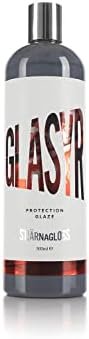
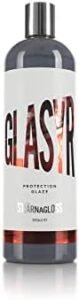
Glasyr
4.8

A finishing glaze combining high-gloss enhancement with sealant technology, filling swirls by up to 90% and delivering four months of hydrophobic protection.

  • Glaze and sealant combined
  • Fills swirls by 90%
  • 4 months protection
  • Hydrophobic water-beading finish
Check Latest Price
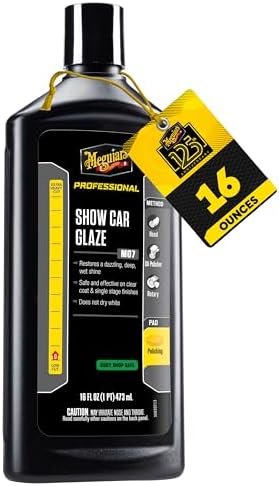
M07 Mirror Glaze
4.7

A professional pure polish using rich emollients and glazing oils to deliver deep wet show-car shine on all glossy paint types and clear coats.

  • Pure non-abrasive glaze
  • Deep wet-look shine
  • All clear coats safe
  • Body shop safe formula
Check Latest Price
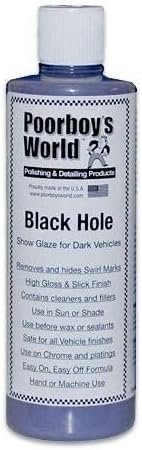
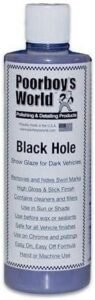
Black Hole
4.6

A dark paint show glaze filling light swirls to deliver a brilliant glossy shine, especially suited to blacks, deep colours, and red finishes before wax.

  • Dark paint specialist
  • Fills swirls & imperfections
  • Slick glossy show finish
  • Safe on ceramics too
Check Latest Price
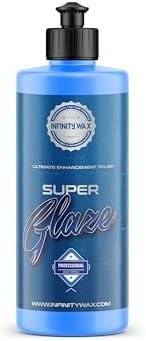
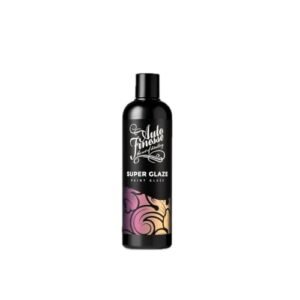
Super Glaze
4.5

non-abrasive optical filler glaze using deep-gloss polymers to mask swirls, fill fine scratches, and deliver a wet-look show-car finish on all paint types.

  • Optical filler technology
  • Non-abrasive for all paints
  • Deep-gloss polymer
  • Vinyl and plastic safe
Check Latest Price
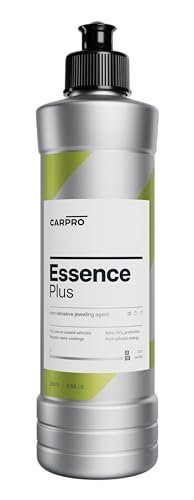
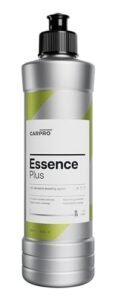
Essence Plus
4.6

A non-abrasive SiO2 gloss agent combining ceramic repair resins and hydrophobic nanoparticles to restore gloss and protect coated or bare paint without polishing.

  • Zero abrasives, coating safe
  • Repairs damaged ceramic coatings
  • Up to 1 year protection
  • DA, rotary, or hand
Check Latest Price
#1 Best overall
Glasyr (Stjarnagloss)
Glasyr
4.8
  • Glaze and sealant combined
  • Fills swirls by 90%
  • 4 months protection
  • Hydrophobic water-beading finish
#2 Top pick
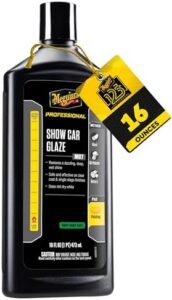
M07 Mirror Glaze (Meguiar's)
M07 Mirror Glaze
4.7
  • Pure non-abrasive glaze
  • Deep wet-look shine
  • All clear coats safe
  • Body shop safe formula
#3 Best value
Black Hole (Poorboy's World)
Black Hole
4.6
  • Dark paint specialist
  • Fills swirls & imperfections
  • Slick glossy show finish
  • Safe on ceramics too
#4 Daily driver
Super Glaze (Auto Finesse)
Super Glaze
4.5
  • Optical filler technology
  • Non-abrasive for all paints
  • Deep-gloss polymer
  • Vinyl and plastic safe
#5 Premium pick
Essence Plus (CarPro)
Essence Plus
4.6
  • Zero abrasives, coating safe
  • Repairs damaged ceramic coatings
  • Up to 1 year protection
  • DA, rotary, or hand
Glaze

Deeper Gloss. No Polishing Required.

Car paint glazes are designed to enhance gloss and temporarily hide minor imperfections. They work by filling in light swirl marks, fine scratches, and haze, creating a smoother surface that reflects light more evenly. The result is a deeper, wetter-looking finish, especially on darker colours. The key benefit is improving appearance without polishing, making them popular for quick visual enhancement or show prep.

4 glaze types
Fills not corrects
Temp not permanent
Always seal afterwards

Glazes Improve Appearance. They Don't Correct the Paint.

Think of a glaze as a finishing step for appearance, not a correction or protection solution.

Filling, not fixing

Glazes work by filling in the micro-pits and light imperfections on the paint surface with oils and fillers, creating a smoother, more uniform surface. Light reflects off it more evenly, which gives the appearance of better paint. The underlying defects are still there.

Ideal for show prep and quick enhancement

Glazes are widely used before car shows, events, or photography where appearance in the short term matters most. They deliver a noticeably deeper and wetter-looking finish quickly, especially on dark-coloured paint, without committing to a full correction process.

Always needs sealing after

Most glazes offer little or no protection on their own. The gloss and filling effect is temporary unless it is locked in with a wax or sealant on top. Without sealing, the glaze washes away quickly and the enhancement disappears within a few washes.

Car Paint Glaze Is (and Isn't)

Glazes are often confused with polishes and waxes. They do something different from both.

✓ What it is

  • A product designed to enhance gloss, depth, and clarity by filling minor surface imperfections with oils and fillers
  • A quick way to improve the appearance of paint that has light swirl marks or haze without any correction work
  • An optional step used between polishing and protection to maximise the final finish before sealing
  • Particularly effective on dark paint where gloss and depth enhancement is most visually obvious

✗ What it isn't

  • A correction product, glazes hide defects by filling them temporarily rather than removing them permanently
  • A long-term protection solution, most glazes must be sealed with a wax or sealant to last more than a few washes
  • A substitute for polishing if you have genuine paint defects that need correcting rather than just concealing
  • A permanent result, the effect fades over time and needs reapplication as part of your regular routine

Four Glaze Types Worth Knowing

Different formulas for different use cases, from pure gloss enhancement to hybrid protection.

Maximum gloss and depth

Pure Glazes (Non-Protective)

Focused purely on gloss enhancement and filling. No added protection. Best used directly before applying wax or sealant for maximum visual impact.

Best for show prep
  • Dedicated gloss and depth enhancement without any protection additives that can dilute the filling effect
  • Produces the deepest, wettest-looking finish of any glaze type, particularly noticeable on dark and black paint
  • Must be sealed with a wax or sealant afterwards, they offer no standalone protection
  • The right choice when maximum visual enhancement before an event or show is the priority
Best for maximum enhancement. Always follow with a dedicated wax or sealant to lock in the finish.

All-in-one convenience

Glaze and Sealant Hybrids

Combine gloss enhancement with a degree of protection in a single product. Easier to use, though they typically don't match the durability of a dedicated sealant applied separately.

Convenience option
  • Gloss enhancement and some protection in one step, reducing the total number of products and stages
  • Easier to work into a regular routine without committing to a full multi-product process
  • The protection layer is lighter than a standalone sealant applied after a pure glaze
  • A practical choice for regular maintenance where maximum durability is less important than convenience
A good balance for regular use. For show prep or maximum results, a pure glaze with a separate sealant will outperform.

Colour-matched enhancement

Colour-Specific Glazes

Formulated to complement specific paint colours, typically dark or light finishes. Used to maximise depth and visual impact by working with the paint's natural tones rather than against them.

For specific finishes
  • Dark glazes add depth and reduce the appearance of lighter swirl marks on black and dark-coloured paint
  • Light glazes enhance brightness and clarity on silver, white, and light-coloured finishes
  • The visual improvement is more noticeable than with a generic formula on the right paint colour
  • Still needs sealing afterwards as with any pure glaze product
Best used when your paint colour is a close match to the glaze's intended tone for the most noticeable effect.

For machine application

Machine-Friendly Glazes

Formulated for use with dual-action or rotary polishers. Allows for faster, more even application across large panels with less manual effort.

Machine compatible
  • Designed to work at machine speeds without flinging product or breaking down prematurely
  • Produces more consistent coverage across panels than hand application, reducing the risk of uneven finish
  • Faster overall application time, particularly useful for larger vehicles or full-car prep before a show
  • Pair with a suitable polisher for best results; can also be applied by hand if needed
The most efficient choice for full-car application or when consistency across large surfaces is important.

Polish Corrects. Glaze Enhances. Wax Protects.

Three products that are often confused but do completely different things to your paint.

Glazes are often confused with polishes and waxes, but they serve a different purpose from both. Understanding where glaze sits in the process explains why it produces the results it does, and why it cannot substitute for either of the other two steps in a full correction and protection routine.

Step 1 · If needed

Polish

Correct the defects

Removes a small amount of clear coat to permanently correct swirl marks, scratches, and haze. This is real correction. The improvement is permanent, but requires more time and effort than glazing.

Permanent correction
Step 2 · Optional

Glaze

Enhance appearance

Fills imperfections temporarily to add gloss and depth. Quick and easy to apply. The improvement is noticeable but not permanent. Washes away over time without a sealant on top.

Temporary enhancement
Step 3 · Essential

Wax or Sealant

Protect the surface

Provides a durable protective layer over the paint. Wax and sealants do not correct or hide defects on their own. When applied over a glaze, they lock in the enhancement and give it lasting durability.

Long-term protection
In practice: Polish equals correction, glaze equals appearance enhancement, and wax or sealant equals protection. Many people use glazes between polishing and protecting to get the most out of the final finish. Glaze is optional. Polish and protection are not.

Matching the Glaze to What You Need

Five common scenarios, five clear directions.

You want maximum gloss and depth

Go for a pure non-protective glaze and follow it with a dedicated wax or sealant. Keeping the two steps separate gives you the best result from each product. The glaze does the enhancement work and the sealant locks it in properly.

You want a quicker all-in-one approach

Hybrid glaze products that combine enhancement with light protection are the more convenient choice. You get a noticeable improvement in one step without needing to apply a separate sealant, though the durability will be less than two dedicated products used separately.

Paint has visible swirl marks and you don't want to polish

A glaze can meaningfully improve the appearance of light swirl marks and haze without any correction work. The marks are still there underneath, but the filling effect makes them far less visible. A good option when you want a quick improvement without the time commitment of polishing.

Preparing for a show or event

Glazes are ideal for short-term visual impact before an event. Apply a pure glaze and seal it with a wax or sealant for the best result. The combined effect produces a noticeably deeper, glossier finish that photographs and presents well, especially on dark paint.

You are unsure where to start

Start with a simple, easy-to-use hybrid glaze and build your process from there. Apply it to a clean, decontaminated panel, buff off cleanly, and seal with a wax or sealant. Once you are comfortable with the results, you can explore pure glazes or colour-specific options to refine the finish further. Browse the sitemap for related categories.

What Goes Wrong Most Often

Four mistakes that reduce results or leave you disappointed with how long the finish lasts.

Expecting permanent results

Glazes wash away over time. They do not fix defects, they hide them temporarily by filling them in. If you expect a glaze to produce the same lasting clarity that polishing delivers, you will be disappointed. Glazes are an enhancement step, not a correction step.

Applying over dirty or unprepared paint

Any contamination on the surface will affect both the finish quality and the effectiveness of the glaze. Applying over a dirty panel creates an uneven result and reduces how well the product bonds to the paint. Always wash and decontaminate before glazing.

Skipping the protection step afterwards

Without a wax or sealant applied on top, the glaze will not last long. Most pure glazes offer little to no protection and wash away within a few washes. Sealing the glaze is what gives the enhancement any meaningful durability and makes the process worthwhile.

Using too much product

More glaze does not produce more gloss. Over-application leads to smearing, uneven buffing, and a harder-to-remove residue. A thin, even coat applied in small sections and buffed off cleanly gives better results than a heavy application done all at once.

Four Steps That Lock In the Finish

The glaze is only part of the process. These steps are what make it last.

01

Buff off cleanly with a microfibre towel

Remove the glaze residue while it is still workable using a clean, soft microfibre towel. Work in small sections rather than letting it dry fully across large areas. A clean buff leaves a smooth, even finish with no streaking or product residue behind.

02

Apply wax or sealant to lock in the finish

This is the step that determines how long the enhancement lasts. Apply a dedicated wax or sealant over the freshly glazed surface to seal in the gloss and filling effect. Without this step, the glaze will wash away within a few washes and the improvement disappears.

03

Avoid washing immediately

Give the glaze and sealant time to fully cure before the car gets wet. Washing too soon can disrupt the finish before it has properly settled. Check the sealant product instructions for the recommended cure time, but giving it at least 24 hours is usually a safe minimum.

04

Maintain with gentle washing

To preserve the glazed finish for as long as possible, wash with a gentle, pH-neutral car shampoo and avoid harsh traffic film removers or all-purpose cleaners that can strip the sealant and glaze layers prematurely. Regular gentle washing keeps the finish looking its best between applications.

Glazes sit between polishing and protection in the finishing process. They are not correction and they are not protection, but used correctly between those two steps, they add a level of gloss and depth that neither a polish nor a wax delivers on its own. Seal properly and the result is genuinely impressive, especially on darker paint.

Browse All Glazes

Click through to check today's price and availability from trusted retailers.

FAQs

Glazes are temporary. Most last a few washes at best, especially if not protected with a wax or sealant. They’re designed for short-term visual improvement.

No, but it helps. Glazes work best on clean, well-prepared paint. If defects are heavy, polishing will give better results than relying on a glaze alone.

Yes. In most cases, you should. This helps lock in the gloss and extend how long the effect lasts.

It depends. If you want quick gloss and to hide light imperfections without polishing, they’re still useful. But for long-term results, polishing and protection are more effective.

Browse by Category

Find the best UK detailing products across our range of categories.

Our methodology

Your independent guide to the best car detailing products in the UK.

Step 01 · Sourcing

We start with every option

Hundreds of car cleaning products, pulled from trusted UK retailers across every category - shampoos, sealants, interior, glass, tools and more.

Step 02 · Scoring

Ranked by real-world signals

Customer ratings, review volume, price-to-performance and editor testing notes feed the score. No brand payments, ever.

Step 03 · Freshness

We keep it fresh and clean

Total Car Clean is 100% reader-supported. We may earn a small commission from affiliate links, but we remain unbiased to help you find the best products.

Independent No paid rankings UK-focused