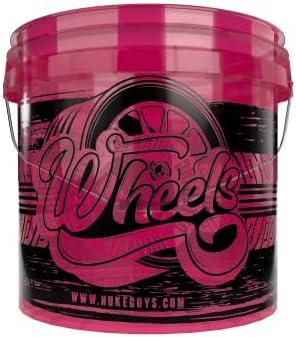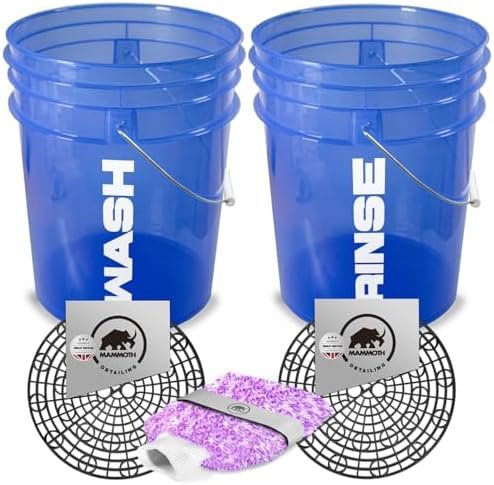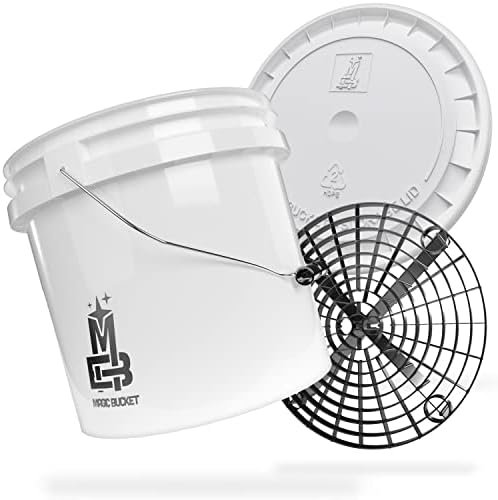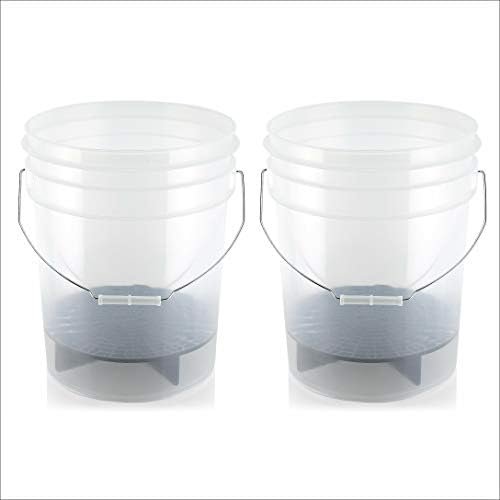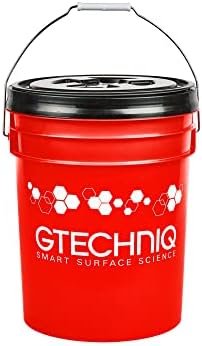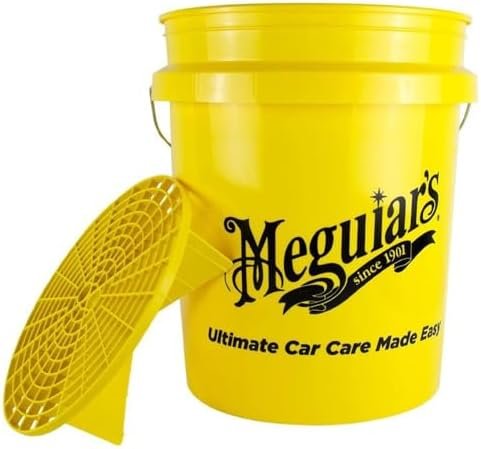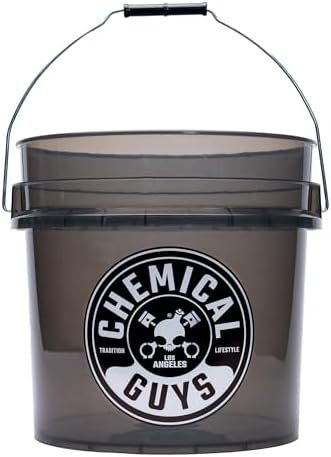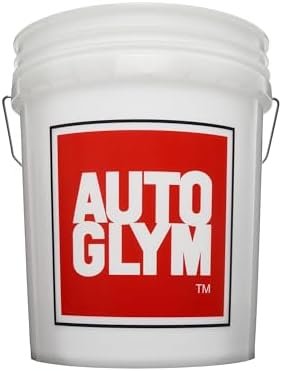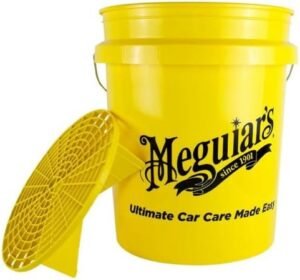

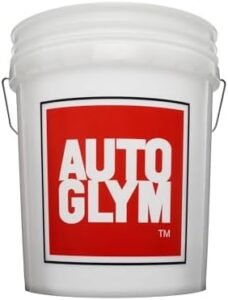

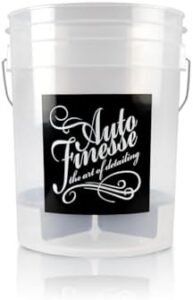
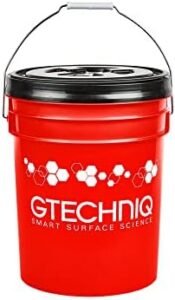

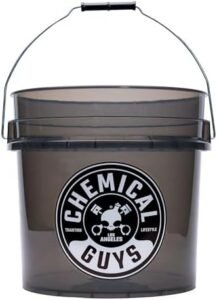

- Thick wall plastic
- 20 litre capacity
- Grit guard compatible
- Durable carry handle
| Product | Our Rating | Key Specs | ||
|---|---|---|---|---|
Heavy Duty Detailing Bucket
|
|
Check Latest Price | ||
Large Yellow Car Wash Bucket
|
|
Check Latest Price | ||
20L Wash Bucket
|
|
Check Latest Price | ||
Detailing Bucket
|
|
Check Latest Price | ||
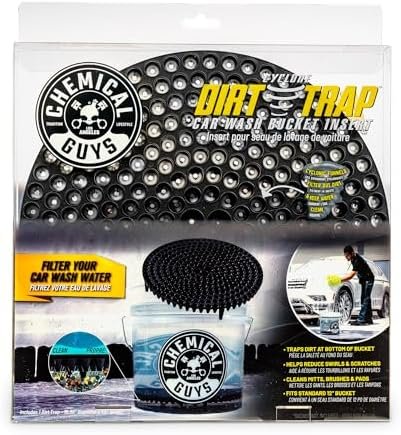
Car Wash Bucket with Lid & Dirt Trap
|
|
Check Latest Price |
During a wash, your mitt can pick up grime from the paint. Without the right setup, that dirt comes straight back - and that's how swirl marks build up over time.
Simple tools - but understanding them properly changes how you wash.
Buckets hold your wash solution and rinse water. A proper setup keeps contamination away from anything that touches paint - either by separating it across buckets or removing it from the process entirely.
The core goal is always the same: do not let dirt come back into contact with the surface. Larger buckets (15-20L) give more room for dirt to settle and are easier to handle through a full wash.
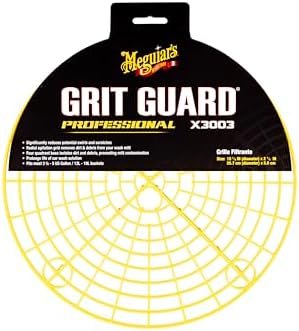
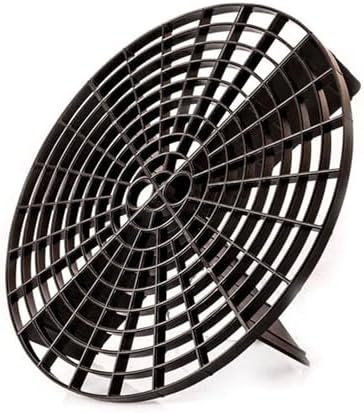
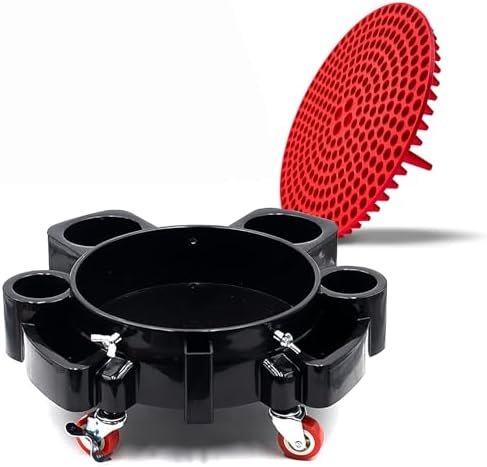
Grit guards sit at the bottom and create a physical separation layer. Dirt falls below the guard while your mitt stays in cleaner water above.
They do not clean the car for you and do not replace proper technique - but with any decent rinse routine, they help release contamination and keep it trapped underneath.
From basic to best-in-class — each method has a different risk profile.
One bucket with shampoo. Gets the job done, but dirt builds up quickly in the same water you're using to wash the car — increasing the chance of reintroducing contamination with every pass of the mitt.
One bucket for shampoo, one for rinsing your mitt. You rinse the mitt in clean water before going back into your wash solution, which significantly reduces how much dirt gets carried across the car.
One bucket. Multiple clean mitts or wash pads (typically 6-8). Instead of rinsing a dirty mitt, you don't reuse it at all — wash one section, then switch to a fresh one.
Adds a dedicated bucket for wheel cleaning. Wheels carry the heaviest contamination - brake dust, tar, road grime. Keeping this completely separate avoids cross-contamination with your paintwork.
Essential for some methods — less critical for others, but never a bad idea.
Grit guards create a separation layer at the bottom of your bucket. When you rinse your mitt, dirt is released downward and trapped below the guard — away from the cleaner water your mitt sits in above.
They are essential for traditional methods where mitts are reused and rinsed. With the updated one-bucket method they are less critical because you are not reintroducing used mitts into wash water, but still add protection if contamination enters the bucket.
Match the method to your routine, not to what looks most impressive.
At minimum, use a bucket with a grit guard. It is a simple upgrade that reduces risk straight away without changing how you wash.
Both methods work well. If you prefer simplicity and already own multiple mitts, the one-bucket approach is hard to beat.
Use a fresh mitt for each section to remove one of the biggest risks in washing. Add a separate wheel bucket regardless of the main paint method.
Your bucket setup supports good technique — it doesn't replace it.
Before anything touches the paint, knock off heavy contamination. A pre-wash stage loosens and removes the bulk of road grime safely, without contact.
Don't go back and forth across the whole car with the same mitt pass. Work methodically — one panel at a time gives you control and keeps contamination from spreading.
If using the updated one-bucket method, swap to a fresh mitt for each section. If using two buckets, rinse thoroughly against the grit guard before going back into the shampoo bucket.
Lower panels carry the most contamination — sills, bumpers, arches. Always finish with these, not start with them, so you're not dragging heavy grime up onto cleaner paint.
Brake dust is far more abrasive than road dirt. Use a dedicated bucket and never mix wheel cleaning tools with your paint wash setup.
These are the habits that cause swirl marks - even when everything else is done right.
This is exactly what causes most swirl marks. If you're using the updated one-bucket method, commit to it properly — don't reuse mitts mid-wash just to save on laundry.
Brake dust is far more abrasive than regular road dirt. Mixing your wheel bucket with your paint wash, even accidentally, introduces the worst contamination possible.
Trying to stretch 2-3 mitts across the whole car with the one-bucket method defeats the point entirely. You need enough to cover each section safely without reuse.
Even with good technique, heavily soiled washes dirty the water fast. If it looks visibly dirty, refresh it. Washing in murky water gives any setup a disadvantage.
Click through to check today's price and availability from trusted retailers.
Find the best UK detailing products across our range of categories.


Your independent guide to the best car detailing products in the UK.
Hundreds of car cleaning products, pulled from trusted UK retailers across every category - shampoos, sealants, interior, glass, tools and more.
Customer ratings, review volume, price-to-performance and editor testing notes feed the score. No brand payments, ever.
Total Car Clean is 100% reader-supported. We may earn a small commission from affiliate links, but we remain unbiased to help you find the best products.