
Car Cleaning Tools and Machines
Top Picks Worth Considering
Click through to check today's price and availability from trusted retailers.
- All brands
- Adams Polishes
- Akitas
- Alchemy
- Armor All
- AskAids
- AstroAI
- ATEngeus
- Auto Finesse
- Autoglym
- AVA of Norway
- Belaco
- Bemece
- BigBoi
- Bissell
- Blo
- Bosea
- botatio
- Caianwin
- Car Gods
- Chemical Guys
- Clean Car USA
- Cleaneed
- Clevast
- Deer Brook Shop
- Derasl
- Detail Armory
- Detail Factory
- Deuknice
- Didilor
- Dupray
- Dyson
- Eawongee
- Filigo
- Firtink
- Foandbevi
- Gautye
- Geist.
- Generic
- Griot's Garage
- GroveGrip
- Gtech
- Hydro
- Ik
- Jack's Classic
- Kuckee
- Kärcher
- Leoter
- LitOrange
- LuenHego
- Meguiar's
- Mekoh
- Mothers
- Muc Off
- Mypin
- Novora
- Nvkhg
- Pararose
- Polti
- Pro-Kleen
- Prunarbo
- Qooltek
- Qsmyoye
- Relidol
- Ryobi
- Sa Bi
- Sailhapi
- Shark
- ShinyCar
- Simoniz
- Sitimimil
- Sleekax
- Supagard
- Swift Auto Care
- Sylvonette
- Vax
- Vytronix
- Westinghouse
- Wolfbox
- Worx
- Xtremeauto
- Yuet
- Zhtulck
- Rating: High to Low
- Rating: Low to High
- Title: A → Z
- Title: Z → A
Why the Right Tools Matter More Than People Think
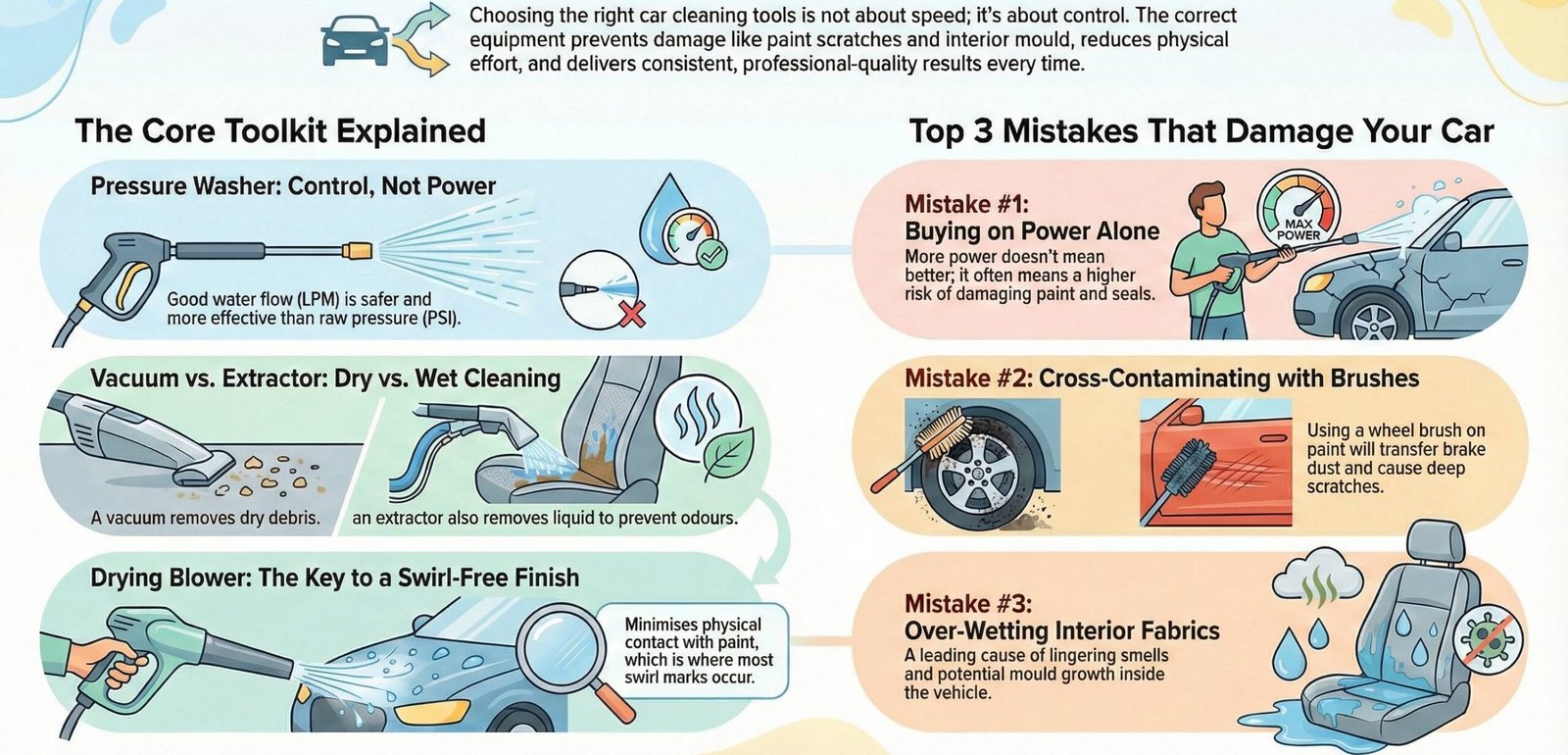
Car cleaning tools aren’t about speed or convenience alone. They control pressure, agitation, and moisture in ways that hands and basic equipment can’t match.
The wrong tool causes real damage.
Excessive pressure strips seals and etches paint. Harsh brushes scratch soft surfaces. Over-wetting fabrics leads to smells and mould. From our experience, buying the right tool once costs less than fixing the damage caused by using the wrong one repeatedly.
Good tools also reduce effort. A decent pressure washer shifts dirt without scrubbing. A proper vacuum pulls debris from deep in carpets. Blowers dry crevices without touching them. You’re not working harder—you’re working smarter.
Results stay more consistent too. Hand washing varies depending on how tired you are. Tools deliver the same performance every time, which means fewer mistakes and less risk of marring.
What You Actually Need When It Comes to Car Cleaning Tools
Most people don’t need a garage full of equipment. They need the right tool for the job they’re doing.
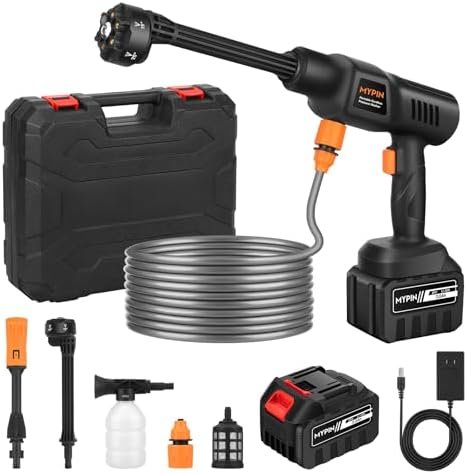
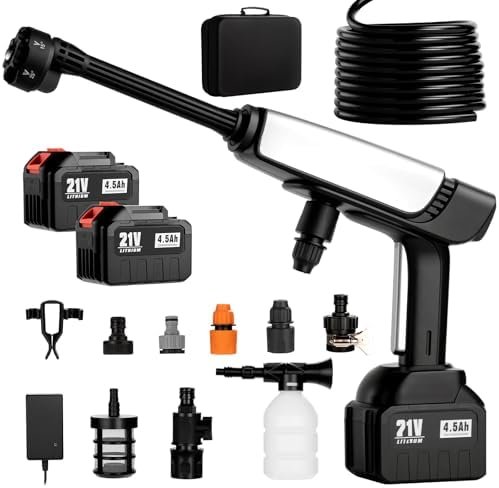
Pressure Washers
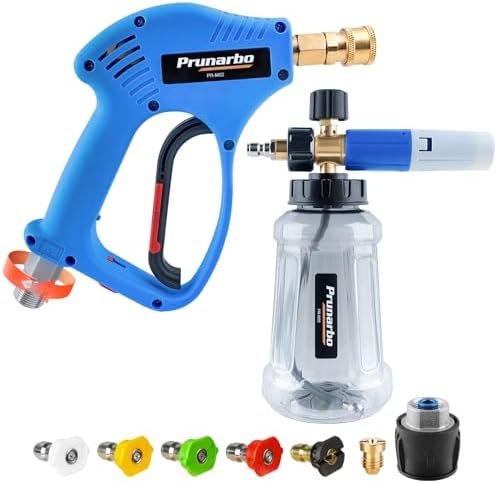
Pressure washers let you pre-wash and rinse without touching the paint. That massively reduces scratch risk during the contact wash.
Water flow (litres per minute) matters more than raw pressure (PSI). Too much pressure damages paint, trims, and seals. We’ve found that moderate, controlled pressure produces better results than blasting everything at maximum.
Nozzle choice and distance matter as much as the machine itself. A wide fan pattern from 30cm away is safer than a tight jet up close.
Many people buy the most powerful washer available and then struggle to use it safely. For regular car washing, mid-range models with adjustable nozzles work best.
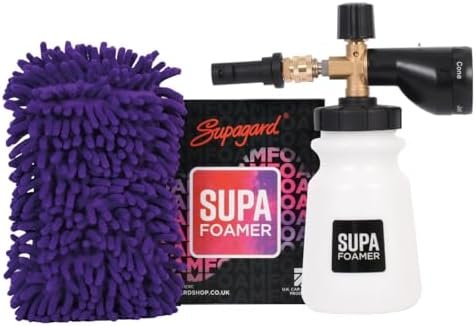
Foam Cannons
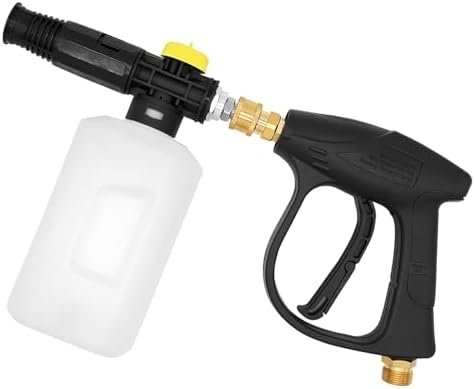
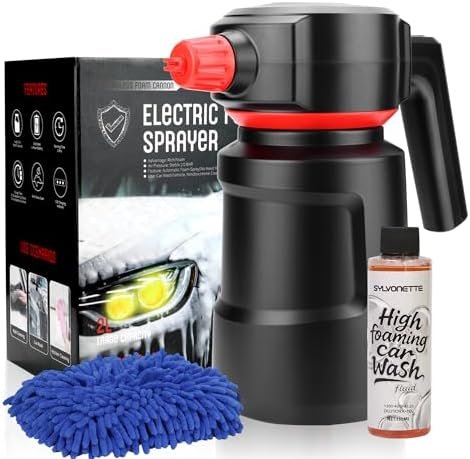
Foam cannons apply pre-wash foam to loosen dirt before you make contact with the paint.
They don’t clean by themselves. Thick foam doesn’t equal better cleaning either. What matters is correct dilution and dwell time—letting the product sit on the surface long enough to break down grime.
Foam cannons get blamed when expectations are unrealistic. As a pre-wash aid, they’re useful—but they’re not a replacement for proper washing. Used correctly, they reduce contact and lower scratch risk. Used as a replacement for washing, they disappoint.
Vacuums & Extractors
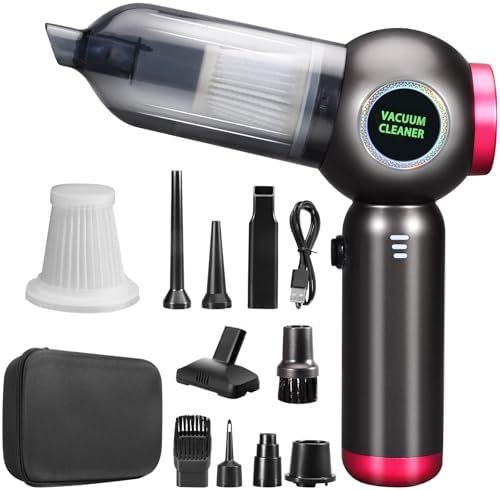
Vacuums remove dry dirt from seats, carpets, and mats. Extractors remove moisture as well.
The difference matters. A vacuum pulls out dust and debris. An extractor also removes liquid from spills or deep cleaning, which prevents smells from developing.
Suction and nozzle design matter more than branding. We regularly see complaints about machines that look professional but lack the suction to lift embedded dirt.
Over-wetting fabrics causes problems. Lingering interior smells are usually caused by too much water, not dirt. Patience and proper extraction work better than aggressive soaking.
Steam Cleaners
Steam cleaners use heat and moisture for targeted cleaning of interior surfaces and hard-to-reach areas.
Steam is effective but not suitable for every surface. Heat and moisture can damage adhesives, delicate trims, and certain plastics if used carelessly.
The common mistake we see is treating steam cleaners as “do-everything” tools. Used carefully on suitable surfaces, they’re useful. Used on the wrong areas, they’re one of the easiest ways to cause interior damage.
→ View Steam Cleaners
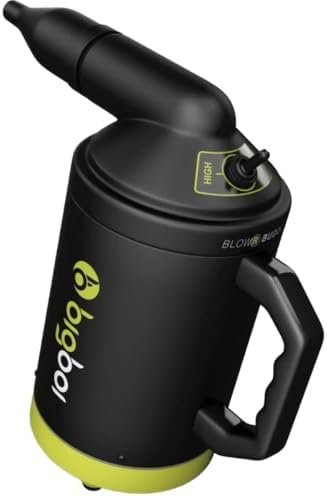
Dryers & Blowers
Dryers and blowers remove water from paint and crevices without touching the surface. That’s key for reducing swirl marks.
Most marring happens during drying, not washing. Blowers reduce contact, but they don’t replace good washing habits. You still need to wash properly first.
They’re particularly useful around mirrors, badges, grilles, and trim where water pools. Technique matters—blowing dirt across paint defeats the purpose.
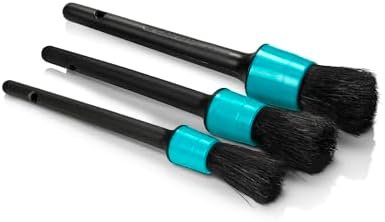
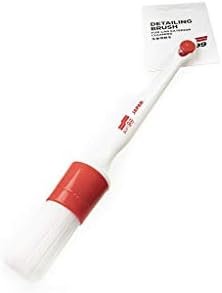
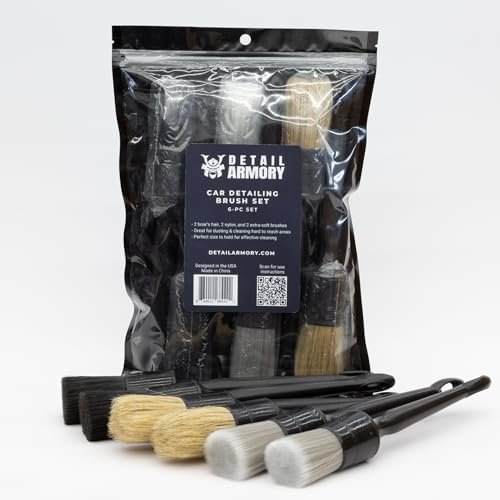
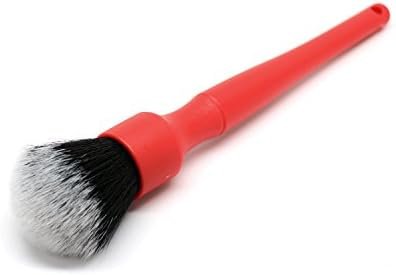
Brushes
Brushes provide safe agitation for wheels, tyres, interiors, and trim. The material and design determine what’s safe to use where.
Different brushes are designed for different surfaces. Using one brush everywhere is a common mistake. Damage usually comes from cross-contamination, not poor technique.
Clear separation of brushes saves time and prevents scratches. We keep wheel brushes separate from paint brushes, and interior brushes separate from exterior ones.
How to Choose the Right Tools for Your Needs
- For beginners
Start with a pressure washer and basic brushes. That covers the essentials without overwhelming you with options. - For safer washing
Add a foam cannon to your pressure washer setup. The pre-wash stage makes contact washing much less risky. - For interior cleaning
A vacuum handles most jobs. If you’re dealing with spills or fabric stains, an extractor becomes useful. Steam cleaners are optional and only worth it if you understand their limitations. - For reducing swirl marks
A drying blower minimises contact during the final stage. Combined with proper washing technique, this makes the biggest difference. - For problem areas
Use specialist tools instead of general-purpose ones. Wheel brushes for wheels, trim brushes for trim, and so on.
If you’re unsure, start simple and add tools only when a clear need exists.
Common Tool Mistakes to Avoid
- Buying tools based on power alone
More power doesn’t mean better results. It often means more risk of damage. We regularly see people overspend on powerful equipment they can’t use safely. - Using household tools not designed for cars
Kitchen sponges, bathroom brushes, and general cleaning tools aren’t designed for automotive surfaces. They scratch paint, leave fibres, and don’t perform as well as proper car tools. - Over-wetting interiors
This is one of the most common mistakes we see with extractors and steam cleaners. Too much water causes smells, long drying times, and potential mould. Less is usually more. - Using the same brush on multiple surfaces
Brake dust from wheels will scratch paint. Dirt from tyres will mark interiors. Keep brushes separate and clearly labelled. - Assuming tools replace proper technique
Tools make things easier, but they don’t fix sloppy habits. A pressure washer won’t save you if you’re using the wrong distance or pressure. An extractor won’t help if you’ve soaked the carpet too much.
What to Do After Using Your Tools
Clean and store tools properly. Rinse brushes after use. Empty vacuum filters. Wipe down blowers. Proper care extends tool life and keeps them working consistently.
Let interiors dry fully before closing the car. Trapped moisture causes odours and condensation. We usually leave windows cracked or doors slightly open for an hour or two after deep cleaning.
Regular light use prevents the need for aggressive cleaning later. A quick vacuum once a week beats a heavy session once a month.
Good tools don’t make cleaning perfect—they make it safer, easier, and more consistent.
FAQs
What pressure washer do I need for car cleaning?
For car cleaning, 1200-2000 PSI is sufficient. Higher pressure can damage paint. Look for models with adjustable pressure settings and foam cannon compatibility.
Do I need a foam cannon?
A foam cannon isn’t essential but makes pre-wash cleaning more effective. It applies snow foam evenly and helps lift dirt before contact washing.
Can I use household vacuums in my car?
Household vacuums work but car vacuums are better suited. They’re more compact, have better attachments for tight spaces, and some offer wet/dry capabilities for car-specific needs.
What brushes should I use for different surfaces?
Use soft bristle brushes for paint, medium bristles for wheels and tyres, and dedicated interior brushes for dashboards and vents. Never use the same brush on different surfaces without cleaning.
How do I maintain my car cleaning tools?
Rinse brushes thoroughly after use, allow to dry completely, and store in clean, dry locations. Clean pressure washer components regularly and replace worn parts. Proper maintenance extends tool life significantly.
Related Insights and Articles
Explore More Categories
Discover more of our curated buying guides to continue your research.


