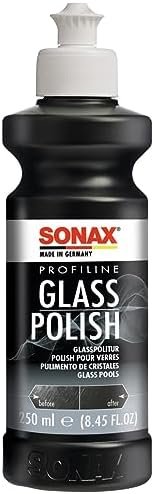
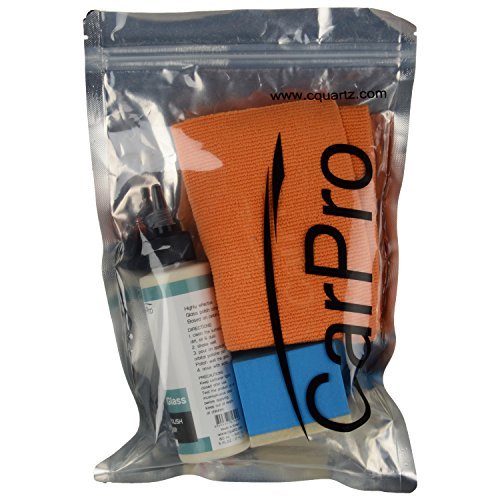
How Glass Polish Improves Clarity and Visibility
Glass polish is one of those products most people don’t think about until regular glass cleaner stops making a real difference.
Cleaner removes loose dirt, greasy film, and everyday residue. Polish is for the marks that stay behind, things like stubborn water spotting, light haze, old traffic film buildup, and contamination that makes the glass feel rough or look tired. From our experience, the biggest improvement usually shows up in wet-weather visibility and how clean the glass looks in direct sun.
What Glass Polish Is (and Isn’t)
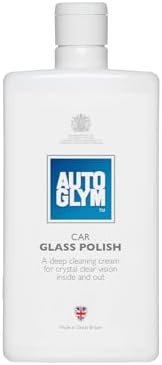
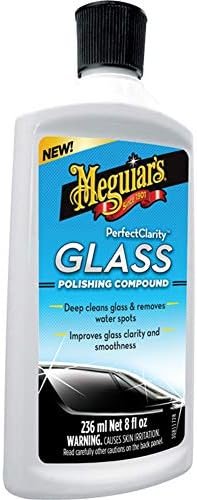
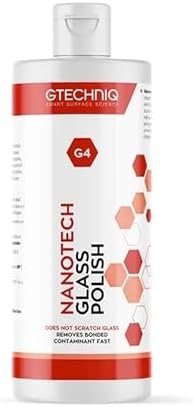
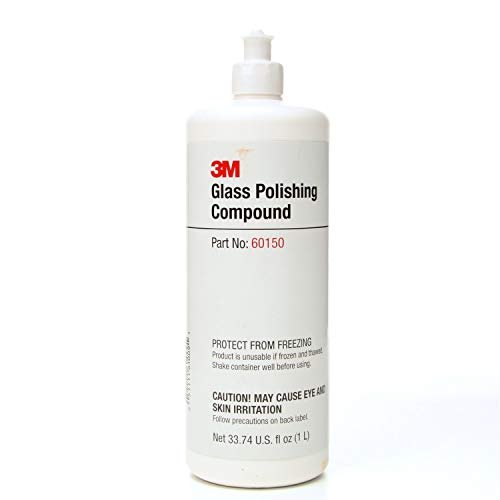
Glass polish is a corrective product designed to clean and refine glass more deeply than a standard cleaner.
It isn’t a replacement for normal glass cleaner, and it won’t fix cracked glass or deep physical damage. It also isn’t always needed. On well-maintained glass, a cleaner is often enough. Polish comes into its own when residue, light staining, or mild spotting has built up beyond what a normal wipe-down can shift.
Glass Polish Types
-
Hand-Applied Glass Polishes
- These are the best place to start for most people. They’re designed to be worked in by hand with an applicator or suitable cloth and are ideal for lighter correction.
- They suit windscreens, side glass, and mirrors where you want more clarity without getting into machine polishing territory.
-
Stronger Corrective Glass Polishes
- Some products are more aggressive and are intended for heavier water spotting, baked-on film, or more noticeable haze.
- These can be very effective, but they require more care and realistic expectations. If the glass is heavily etched, polish may improve it without restoring it perfectly.
How to Choose the Right Glass Polish
- For light haze or traffic film
Start with a milder hand-applied polish. This is often enough to freshen up glass that looks dull or doesn’t wipe fully clean anymore.
- For water spotting
Choose a polish that specifically mentions mineral deposits or spot removal. Mild products can help with fresh spots, but older marks may need something stronger.
- For regular maintenance
You don’t need a highly aggressive product. A simpler polish that restores clarity without too much effort is usually the better fit.
- For maximum correction
If you’re dealing with more stubborn defects, look for a stronger glass polish, but understand that severe etching can go beyond what a polish alone can fix.
Common Glass Polishing Mistakes
- Using polish when cleaner would do
Glass polish is a corrective step, not a default cleaning product. If the glass is only dirty, polish adds effort without much benefit.
- Working on dirty glass
Polish should go onto properly cleaned glass, not a contaminated surface. Otherwise you risk dragging dirt around whilst trying to correct it.
- Expecting it to remove deep etching
Polish can improve a lot, but if spotting has physically etched into the glass, results may be partial rather than perfect.
- Leaving residue behind
If polish residue isn’t fully removed, the glass can look worse before it looks better. A proper wipe-down with a good glass cloth afterwards matters.
What to Do After Glass Polishing
- Wipe the surface down thoroughly
Once polishing is complete, remove any leftover residue so you can accurately judge the finish and avoid smearing.
- Apply a glass sealant if wanted
Polished glass is a great base for a sealant. If you want stronger water behaviour afterwards, this is the ideal point to add it.
- Maintain with cleaner, not repeated polishing
Polishing is occasional correction. Daily or weekly maintenance should go back to regular cleaner and good cloths.
Glass polish sits between simple cleaning and full correction. Used at the right time, it can noticeably improve clarity, smoothness, and wet-weather confidence without overcomplicating the process.