How Steam Cleaners Target Grime Without Chemicals
Steam uses heat to loosen grime without soaking surfaces in water or relying on harsh chemicals. That makes it useful for areas where you can’t flood things with liquid, interior fabrics, engine bays, vents, and door shuts.
Heat breaks down grease, lifts stains, and kills bacteria. The moisture content is low compared to traditional washing, so surfaces dry faster and there’s less risk of water damage to electrics or fabrics. From our experience, steam works particularly well on baked-on contamination that regular cleaners struggle with.
Misuse causes damage. Too much heat on the wrong surface can warp plastics, fade trim, or damage delicate materials like leather and Alcantara. Steam isn’t a universal solution, it requires care and an understanding of what it’s safe to use on.
What Steam Cleaners Are (and Aren’t)
Steam cleaners heat water to produce pressurised vapour. The heat and moisture combination loosens dirt, which you then wipe away with a microfibre cloth or towel.
They don’t clean by themselves. Steam softens contamination, but you still need to physically remove it. The cleaner provides the heat and moisture; you provide the technique.
Steam cleaners aren’t suitable for all surfaces. Delicate trim, certain plastics, and already-damaged materials can react badly to sustained heat. They’re a targeted tool, not a replacement for washing or interior cleaning products. The key is knowing where they work and where they don’t.
Steam Cleaner Types (Where It Matters)
-
Handheld Steamers
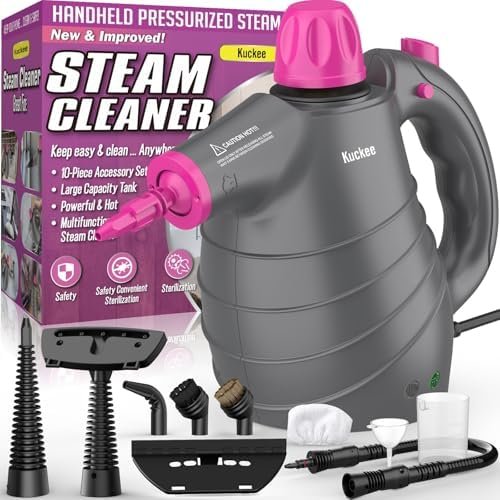
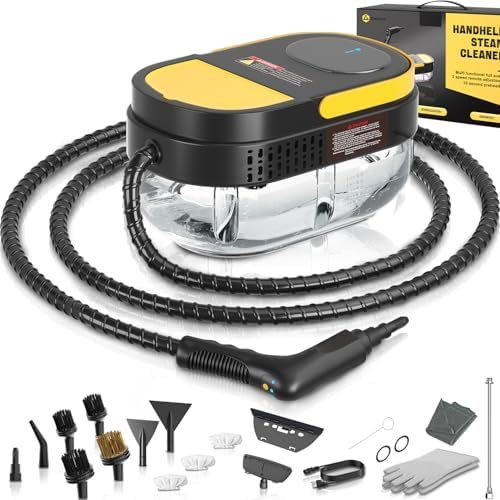
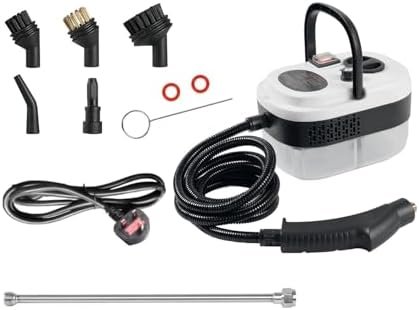
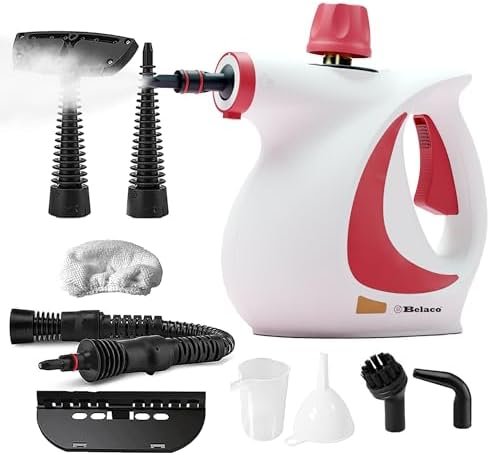
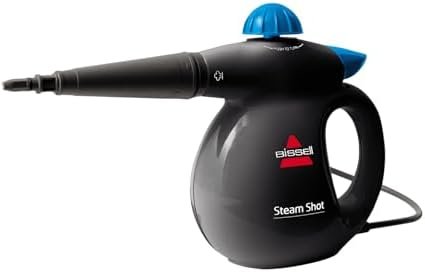
- Handheld units are compact and designed for light use, spot cleaning interiors, vents, small trim pieces, and detailing work.
- They heat up quickly and are easy to manoeuvre in tight spaces. The steam output is lower than canister models, which makes them gentler on delicate surfaces but less effective on heavy contamination.
- We’ve found they’re ideal for regular maintenance rather than deep cleaning. A lot of users mention these are useful for quick jobs where dragging out a full-size unit doesn’t make sense.
-
Canister Steam Cleaners
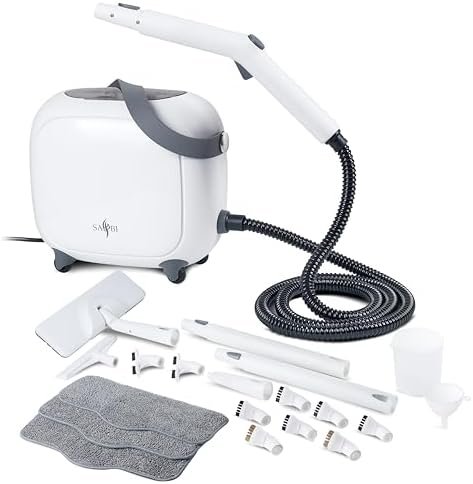
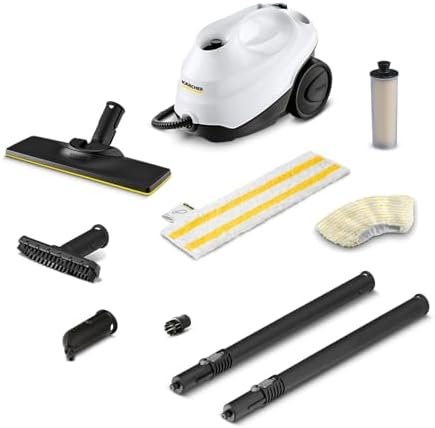
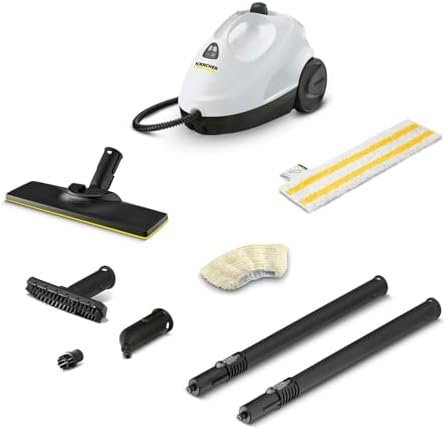
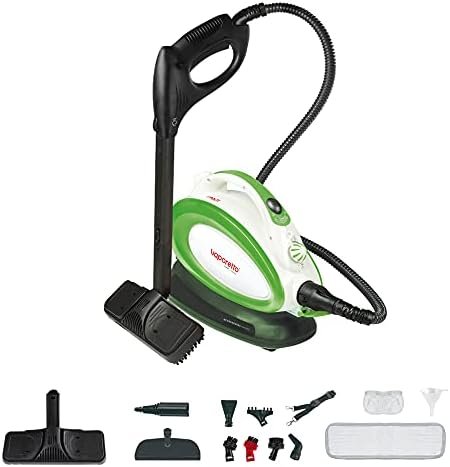
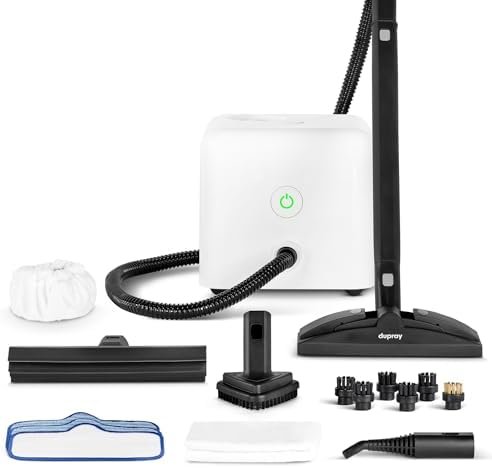
- Canister models produce higher steam output and hold more water, which means longer run times and more cleaning power.
- These units handle tougher jobs, engine bays, wheel arches, heavily stained upholstery, and exterior grime. The increased pressure and sustained steam flow make them more effective on baked-on dirt.
- We regularly see people use these for detailing work where precision and power both matter. The downside is size and cost, they’re bulkier, take longer to heat, and require more storage space.
How to Choose the Right Steam Cleaner
- For interior spot cleaning and light detailing
A handheld steamer handles vents, trim, and fabric stains without the bulk of a full unit. It’s quick to set up and easy to store.
- For deep cleaning and regular use
A canister model provides the output and run time needed for larger jobs. Engine bays, wheel wells, and heavy upholstery stains all benefit from the extra power.
- For mixed interior and exterior work
Look for a unit with adjustable steam output. Lower settings suit delicate materials, while higher output tackles stubborn contamination.
- For occasional use or tight budgets
Start with a handheld model. If you find yourself needing more power or longer sessions, upgrade later.
Steam cleaning isn’t essential for everyone. If you’re mainly washing and protecting exteriors, you might not need one. For those who detail interiors regularly or work on neglected cars, it’s a tool that saves time and effort on jobs traditional products struggle with.
Common Steam Cleaning Mistakes to Avoid
- Using steam on delicate or heat-sensitive surfaces
Alcantara, certain dashboard plastics, and already-damaged leather can react badly to sustained heat. Test on an inconspicuous area first.
- Applying excessive heat in one spot
Holding the nozzle too close or in one place for too long can warp plastics or fade trim. Keep the steamer moving and use lower settings on sensitive materials.
- Not wiping away loosened dirt
Steam breaks down grime, but you still need to remove it. Have a clean microfibre cloth ready and wipe as you work.
- Expecting steam to replace dedicated cleaners
Steam works well on certain types of dirt, but it’s not a universal solution. Heavy grease, oil, and some stains still need chemical cleaners.
What to Do After Steam Cleaning
- Allow surfaces to dry fully
Even though steam uses less water, moisture still needs time to evaporate. Leave doors or the bonnet open to let air circulate.
- Wipe down treated areas
Remove any remaining residue or moisture with a clean microfibre towel. This prevents streaks and ensures the surface is properly finished.
- Refill and maintain the unit
Empty any remaining water, clean the tank if recommended, and store the steamer in a dry place. Regular maintenance keeps it working efficiently.
Steam cleans effectively when used selectively. Match the tool to the surface, control the heat, and don’t expect it to do everything. Used properly, it handles jobs that would otherwise take longer or require more aggressive chemicals.
FAQs
Are steam cleaners worth it for cars?
For interiors, engine bays, and areas where you can’t use a lot of water, yes. Steam works particularly well on baked-on grime, grease, and stains that resist regular cleaning products. The heat breaks down contamination without soaking fabrics or risking water damage to electrics. From our experience, steam cleaners justify their cost if you detail interiors regularly or work on neglected cars where traditional methods struggle. If you’re mainly washing and protecting exteriors, you probably won’t use a steam cleaner often enough to justify the investment. They’re a targeted tool, not something you’ll reach for every wash. We regularly see people buy steam cleaners, use them enthusiastically for a month, and then leave them in storage because their cleaning routine doesn’t actually need steam. Be honest about what you’re trying to achieve before buying one.
Can you steam clean a car dashboard?
Yes, but with caution. Most modern dashboards handle steam well if you use lower heat settings and keep the nozzle moving. The key is not holding steam in one spot for too long, which can warp certain plastics or fade trim. Test on an inconspicuous area first, ideally under the steering column or in a footwell, to make sure the material reacts well. We’ve found that quick, sweeping passes work better than sustained heat on dashboard surfaces. Avoid steam on already-damaged dashboards or those with visible cracks and worn finishes. Heat makes existing damage worse and can cause materials to delaminate or peel. If the dashboard feels brittle or shows signs of UV damage, stick with spray cleaners and microfibre cloths. Steam is useful for stubborn grime on sound dashboards, but it’s not a repair tool for surfaces that are already deteriorating.
Is it better to shampoo or steam clean car seats?
Steam cleaning works better on light to moderate contamination and surface stains. It uses less moisture, dries faster, and doesn’t require rinsing, which makes it ideal for regular maintenance or spot cleaning. Shampooing is better for deeply embedded dirt, heavy staining, or seats that haven’t been cleaned properly in years. The cleaning solution and extraction process lift contamination that steam alone can’t reach. From our experience, steam handles 70% of interior cleaning situations, but the remaining 30% need proper extraction. You can combine both methods. Steam clean to loosen grime, then follow up with a carpet cleaner or extractor to remove the dirt and moisture together. This works particularly well on heavily soiled seats where steam alone would just move the contamination around rather than removing it. The general consensus is that steam is faster and more convenient for regular use, but it doesn’t replace deep extraction when seats are genuinely filthy.
What should you not clean with a steam cleaner?
Avoid using steam on delicate materials like Alcantara, suede, or already-damaged leather. These materials react badly to sustained heat and moisture, causing warping, fading, or permanent marking. Certain dashboard plastics, especially older or sun-damaged ones, can also warp or discolour under heat. We regularly see people damage trim simply because they didn’t test first or used too much heat on sensitive surfaces. Don’t use steam on screens, instrument clusters, or any electronic displays. The heat and moisture can damage seals or cause condensation inside the units. Engine bay work requires care as well, keep steam away from electrical connections, sensors, and exposed wiring. Steam is powerful, but it’s not suitable for every surface. When in doubt, test on a hidden area and start with lower heat settings.
How to dry car interior after steam cleaning?
Leave doors and windows open to allow air circulation. Steam uses less water than traditional cleaning, but moisture still needs time to evaporate, especially from fabrics and carpets. Using fans or parking in a warm, dry area accelerates the process. From our experience, interiors steam-cleaned on a warm day with good airflow dry within a couple of hours, while damp, cold conditions can take six hours or more. Wipe down hard surfaces with a clean microfibre towel immediately after steaming to remove loosened dirt and residual moisture. This prevents streaks and ensures surfaces are properly finished. For seats and carpets, press towels into the fabric to absorb excess moisture, but don’t rub. If the car needs to be used before it’s fully dry, avoid sitting heavily on damp seats or driving with wet carpets, as this presses moisture deeper into the materials.
What are the disadvantages of steam car wash?
Steam doesn't suit all surfaces. It can damage delicate materials, warp certain plastics, and isn't effective on heavy exterior dirt or road grime. You also still need to physically wipe away loosened contamination, steam softens dirt but doesn't remove it by itself. From our experience, people often expect steam to work like a pressure washer, cleaning and removing dirt in one step, but that's not how it functions. Cost and setup time are other drawbacks. Decent steam cleaners aren't cheap, and you need to wait for the unit to heat up before starting work. If you're only doing light cleaning or regular maintenance, spray products and microfibre cloths are often faster and more practical. Steam works brilliantly in specific situations, but it's not a universal cleaning solution, and expecting it to replace all other methods leads to disappointment.
Where does the dirt go when steam cleaning?
The dirt doesn't disappear, it's loosened by the heat and moisture and either stays on the surface or gets wiped away by the cloth you're using. Steam breaks down the bonds between dirt and the surface, making contamination easier to remove manually. You still need to wipe as you work, which is why you should always have clean microfibre towels ready when steam cleaning. We've found that people who expect steam to magically remove dirt without wiping are disappointed by the results. For carpets and fabrics, loosened dirt stays in the material until you vacuum or extract it. Steam softens embedded contamination, but you need to follow up with a vacuum or carpet cleaner to actually remove it from the fibres. This is why steam alone isn't enough for heavily soiled interiors, it prepares the surface but doesn't finish the job. Combining steam with proper extraction gives the best results on neglected seats and carpets.