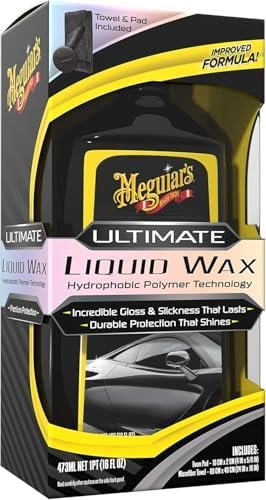
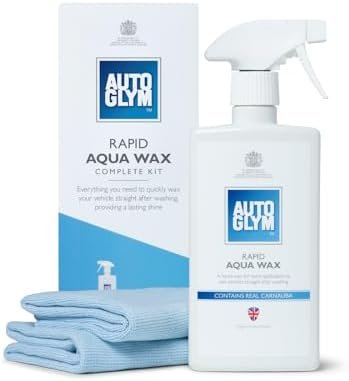
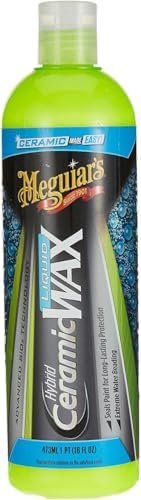
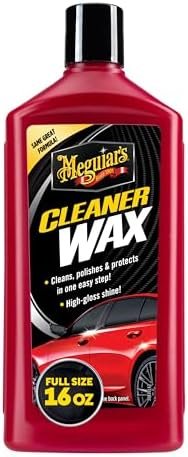
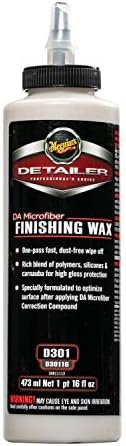
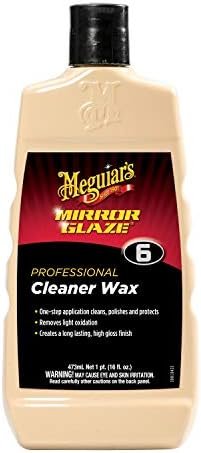
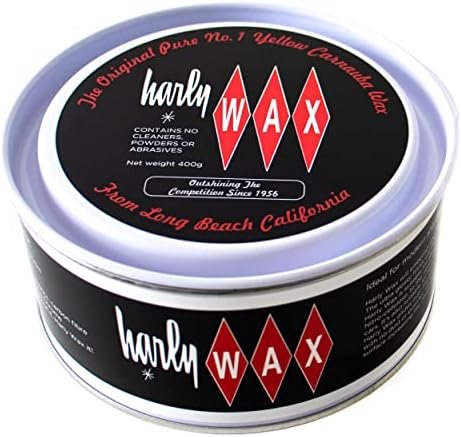
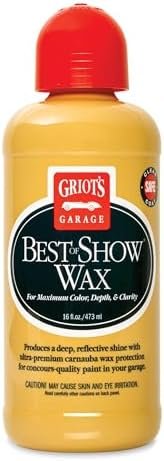
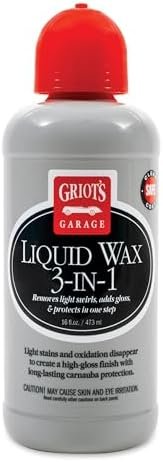
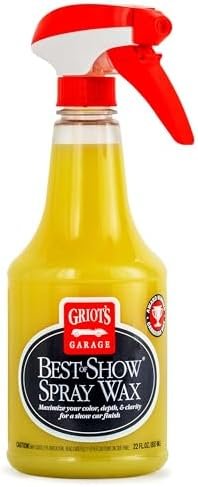
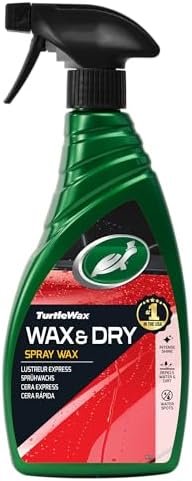
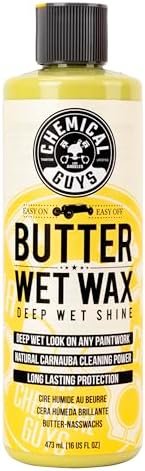
How Wax Protects Paint and Enhances Gloss
Wax provides a sacrificial layer that protects paint from UV, dirt, and light contamination. It takes the wear instead of your clear coat, breaking down gradually so your paint doesn’t have to.
The main benefit is the finish. Natural waxes, especially carnauba-based ones, create a warm, deep glow that synthetic products struggle to match. Water beads tightly, and the paint looks richer and more alive.
From our experience, regular waxing keeps paint easier to maintain. A waxed car sheds dirt better, washes cleaner, and picks up fewer stubborn contaminants between washes. The protection doesn’t last as long as modern sealants or coatings, but that’s part of the point,wax is meant to be reapplied regularly.
What Wax Is (and Isn’t)
Wax is a traditional paint protection product, usually based on natural carnauba or synthetic polymers, or a blend of both. You apply it by hand or machine, let it haze, and buff it off.
It sits on top of the paint rather than bonding deeply to it. This makes it easier to remove and replace but also means it wears off faster than synthetic protection. Durability is limited,typically a few weeks to a couple of months depending on conditions and how often you wash.
Wax doesn’t permanently protect paint. It’s a temporary barrier that needs regular reapplication. It also doesn’t fill scratches or correct defects, though it can mask very light marring by filling microscopic imperfections with oils.
Wax Types (Where It Matters)
-
Natural / Carnauba Waxes
- Natural waxes contain high levels of carnauba, a hard wax from Brazilian palm trees. They’re prized for the warm, wet-look gloss they create.
- Durability is shorter than synthetic options, usually a few weeks to a month. The finish is where they shine. We’ve found that natural waxes give a depth and richness that’s hard to replicate with other products. The downside is the effort. They often need more buffing and can be harder to remove in cold weather.
- If appearance is your priority and you don’t mind reapplying regularly, natural waxes deliver.
-
Synthetic / Hybrid Waxes
- Synthetic waxes use man-made polymers to extend durability and make application easier. Hybrid waxes blend carnauba with synthetic ingredients, aiming for the best of both worlds.
- These last longer than pure carnauba, often two to three months, and they’re easier to apply and remove. The finish is still glossy, though some people find it slightly less warm than natural wax.
- What we see is that synthetic and hybrid waxes suit people who want decent protection without the frequent reapplication natural waxes demand. They’re also more consistent in varying temperatures.
How to Choose the Right Wax
- For appearance and gloss
Choose a natural carnauba wax. The finish is unmatched, even if durability is shorter.
- For durability and ease
Go with a synthetic or hybrid wax. Longer-lasting, easier to work with, and still provides a good finish.
- For beginners
Pick an easy-on, easy-off formula. Some waxes are designed to apply and remove quickly without the effort traditional carnauba requires.
- For dark paint
Natural waxes often enhance the depth on dark colours. Synthetic waxes work well on lighter shades where warmth matters less.
If you’re not sure whether to choose natural or synthetic, try a hybrid. You’ll get reasonable durability with a finish closer to natural wax.
Common Waxing Mistakes
- Applying too thick a layer
Wax works in thin films. More product doesn’t mean better protection,it just makes buffing harder and wastes wax.
- Waxing dirty paint
Applying wax over dirt or contamination locks it in and reduces bonding. Always wash and decontaminate first.
- Expecting long-term protection
Wax isn’t designed to last six months. If you’re after durability, use a sealant or coating instead.
- Applying in direct sunlight or on hot panels
Wax dries too quickly in the sun, making it difficult to buff and more likely to streak. Work in the shade or wait for cooler conditions.
- Not buffing properly
Leaving wax residue dulls the finish and attracts dirt. Buff until the surface is clear and glossy.
What to Do After Waxing
- Allow proper curing time
Most waxes need a few hours to bond before getting wet. Avoid washing or rain during this period.
- Maintain with gentle washing
Harsh shampoos strip wax faster. Use pH-neutral products to extend its lifespan.
- Reapply regularly
When water stops beading tightly, it’s time to reapply. Don’t wait until protection has completely worn off.
- Layer if you want extra depth
Some people apply multiple thin coats of wax to build depth and gloss. It works, but each layer needs curing time.
Wax enhances and protects, but only temporarily. It’s not a set-and-forget product. Regular reapplication is part of the routine, and if you’re after longer-lasting protection, modern sealants or coatings make more sense.
FAQs
How often should you apply wax to your car?
It depends on the type of wax and how you use the car. Natural carnauba waxes typically need reapplying every four to six weeks, especially if the car’s washed regularly or exposed to harsh weather. Synthetic waxes last a bit longer, usually six to eight weeks, sometimes stretching to three months in gentler conditions. From our experience, it’s better to reapply when you notice water beading starting to weaken rather than waiting for it to fail completely. Most people find a schedule of every month or two works well for keeping protection consistent without becoming a chore.
Is it better to polish or wax a car?
They do completely different jobs, so it’s not an either-or choice. Polishing removes defects like swirls, scratches, and oxidation by levelling the clear coat. It improves how the paint looks but offers no protection. Waxing sits on top of the paint and protects it from the elements, but it won’t fix existing damage. If your paint has visible defects, polish first to correct them, then wax to protect the results. If the paint’s already in good condition, you can skip polishing and go straight to wax for protection. We’ve found that polishing before waxing gives the best finish because you’re protecting a properly prepared surface.
What is the disadvantage of car waxing?
The main disadvantage is durability. Wax doesn’t last as long as synthetic sealants or ceramic coatings, so you’re reapplying more often. Natural waxes especially break down quickly in wet or harsh conditions, which means more frequent maintenance if you want consistent protection. Wax also offers less chemical resistance than modern alternatives. Strong shampoos, road salt, and bird droppings degrade it faster. That said, the trade-off is ease of application and that warm, natural gloss. If you don’t mind regular reapplication, the disadvantages aren’t deal-breakers.
Can you wax a car too much?
Not really, but there’s no benefit to over-waxing. Once you’ve got a proper layer of protection on the paint, adding more won’t increase durability or improve the finish. It just wastes product and your time. What can happen if you wax too frequently without proper washing in between is that you end up layering wax over dirt or contaminants. That locks them in and creates a rough, dull surface. From what we see in reviews, people who wax weekly without cleaning thoroughly often complain about streaking or hazy finishes, which is buildup rather than the wax itself failing.
What happens if you don't wax your car after polishing?
The paint will be vulnerable. Polishing removes a thin layer of clear coat to level out defects, which leaves a fresh, unprotected surface. Without wax or sealant, that freshly polished paint is more exposed to UV damage, contamination, and water spotting. We’ve found that unprotected polished paint stays looking good for a few weeks at most before it starts picking up new contamination and losing its gloss. You’ve done the hard work of correcting the paint, so skipping protection means those results fade much faster than they should. Always follow polishing with some form of protection.
Does rain wash away car wax?
Rain itself won't immediately strip wax, but it does degrade it over time. Each time water sits on the surface, especially if it contains pollutants or is slightly acidic, it breaks down the wax layer bit by bit. Heavy rain or frequent wet weather speeds this up. What's more damaging is the dirt and grime that rain brings with it. When you wash that off, you're also removing some of the wax. From our experience, wax on a car that's regularly driven in rain typically lasts half as long as wax on a garage-kept car. That's why we tend to see water beading drop off faster during winter.
How long do you let wax sit before wiping off?
Most waxes need five to ten minutes to haze before you buff them off. Hazing is when the wax dries to a dull, cloudy finish, which means it's ready to remove. If you try to buff too early while the wax is still wet, you'll just smear it around and create streaks. Timing varies depending on temperature and humidity. In warm, dry conditions, wax hazes faster, sometimes within a few minutes. In cooler or damp weather, it takes longer. From our experience, working in the shade and on cool panels gives you more control. If the wax has dried hard and won't buff off easily, you've left it too long, though a damp microfibre usually sorts it.