How & Why Polishers & Pads Improve Your Paint Correction
Machines and pads determine how correction products behave on paint. The liquid does the cutting or refining, but the tool controls how it’s applied. Pressure, heat distribution, and consistency all depend on the machine and pad combination.
Most paint damage from polishing comes from poor pad choice or improper machine use, not from the compound or polish itself. The tool shapes the outcome more than people expect.
What stands out from our experience is that pad choice matters more than machine choice for most users. A dual-action polisher with the wrong pad causes problems just as easily as a rotary in inexperienced hands.
What Polishers & Pads Are (and Aren’t)
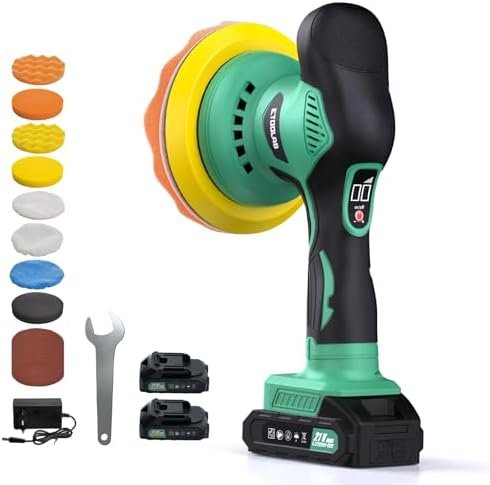
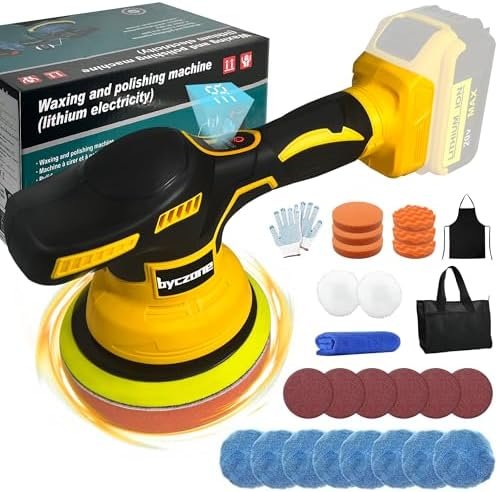
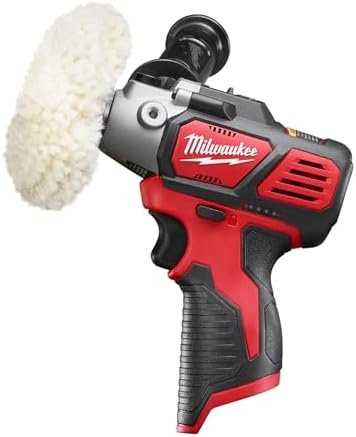
Polishers are machines that apply correction products to paint. They control the speed, motion, and consistency of application, which reduces effort and improves results compared to hand polishing.
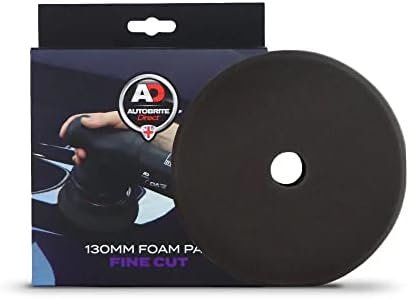
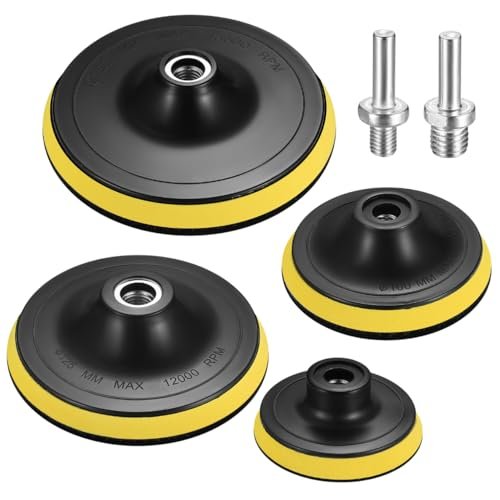
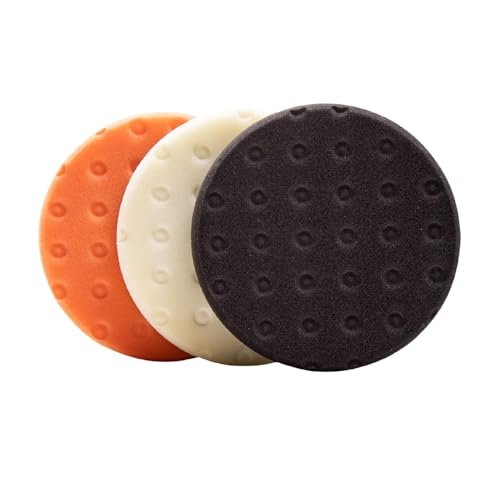
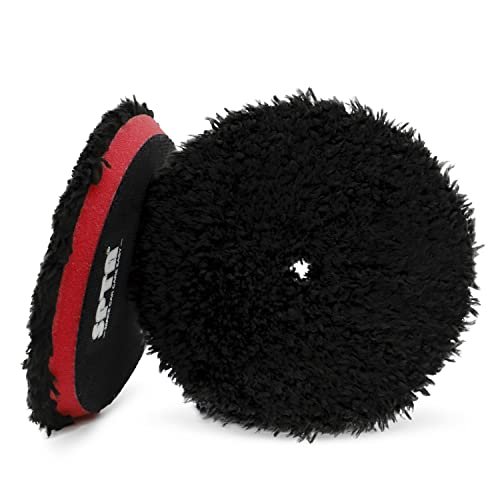
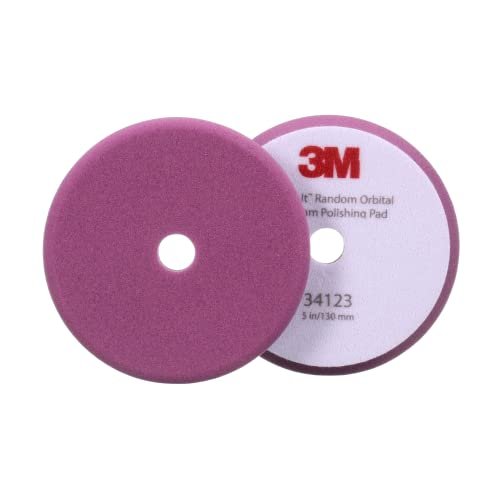
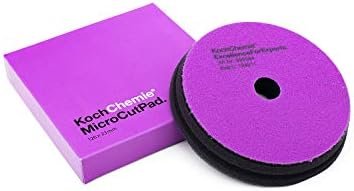
Pads attach to the machine and make direct contact with the paint. Different pads offer different levels of cut and finish, depending on their firmness and material.
What these tools don’t do is guarantee results. Skill, product choice, and preparation all play a role. A machine just makes the job more manageable , it doesn’t replace technique.
Polisher & Pad Types (Where It Matters)
-
Dual Action Polishers
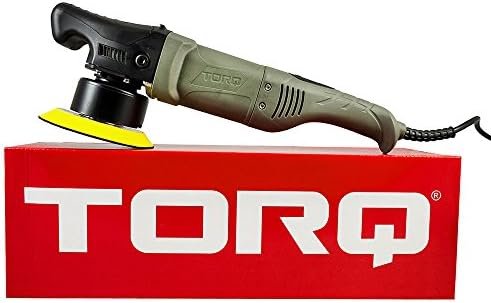
- Dual-action machines oscillate and rotate at the same time. This spreading motion distributes heat more evenly and reduces the risk of burning through the clear coat.
- They’re the safer choice for beginners. The motion is less aggressive than a rotary, which gives more room for error. Correction still happens, but more slowly and with less risk of damage.
- The downside is that dual-action polishers have lower correction ability. Heavily defected paint may require multiple passes or a more aggressive pad and compound combination. For maintenance polishing or light correction, they’re ideal.
-
Rotary Polishers
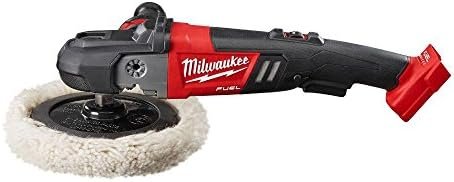
- Rotary machines spin in a single circular motion. This generates more heat and cutting power, which makes them faster and more effective on severe defects.
- The trade-off is control. Rotaries require more experience to use safely. It’s easier to remove too much clear coat or create holograms if you’re not careful with speed, pressure, or dwell time.
- We’d only recommend rotary polishers if you’re confident with machine polishing or working on paint that needs heavy correction. For most DIY users, a dual-action machine handles the job without the added risk.
-
Pad Types
- Pads are just as important as the machine. They come in different levels of firmness, and this affects how aggressively the polish or compound behaves.
- Cutting pads are the firmest. They’re designed to remove defects like deep scratches, oxidation, or heavy swirling. Paired with a compound, they offer the most correction but also the most risk if misused.
- Polishing pads sit in the middle. They’re softer than cutting pads but still firm enough to refine the paint and remove lighter imperfections. These are the most commonly used pads for general correction work.
- Finishing pads are the softest. They’re used for final passes to bring out gloss and remove any haze or marring left by the polishing stage. Some people also use them to apply wax or sealant by machine.
- One of the most common mistakes is expecting one pad to do everything. It doesn’t work that way. Cutting pads leave haze, finishing pads won’t remove defects, and using the wrong pad creates more work than it saves.
How to Choose the Right Setup
- For beginners or light correction
Dual-action polisher with a polishing pad. This combination is forgiving, manageable, and handles most common paint issues without excessive risk.
- For experienced users or heavy defects
Rotary polisher or dual-action with multiple pads (cutting, polishing, finishing). This setup offers the correction power needed for severely damaged paint, but it requires more skill to use safely.
- For applying wax or sealant by machine
Finishing pad on a dual-action polisher. Soft pads spread product evenly without adding unnecessary correction.
If you’re unsure, starting with a dual-action machine and a mid-grade polishing pad is the safest approach. You can always add more aggressive pads later if needed.
Common Polishing Tool Mistakes to Avoid
- Using one pad for everything
Different pads serve different purposes. Trying to cut and finish with the same pad leaves you with either insufficient correction or excessive marring. Having at least two pads , one for correction, one for finishing , makes a noticeable difference.
- Applying too much pressure
Machines do the work. Pressing hard doesn’t speed up correction , it just increases heat and wear on the pad. Let the tool and product do their job with light, consistent pressure.
- Not cleaning pads during use
Pads load up with compound, polish, and paint residue as you work. A clogged pad stops cutting effectively and can cause marring. Cleaning or swapping pads mid-session keeps results consistent.
What to Do After Polishing
- Clean pads thoroughly
Residue left in pads hardens and reduces their effectiveness next time. Rinse them under warm water, work out the product by hand, and let them air dry completely before storing.
- Store machines and pads correctly
Keep pads flat or hanging to avoid deforming the foam. Store machines in a case or safe place where they won’t get knocked or damaged.
Pads shape results more than power. A dual-action machine with the right pad will outperform a rotary with the wrong one every time.