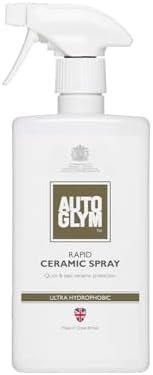
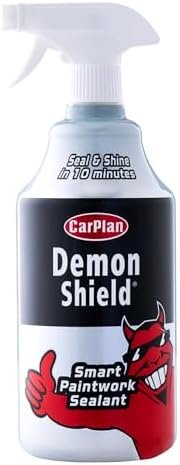
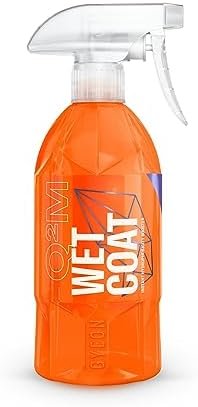
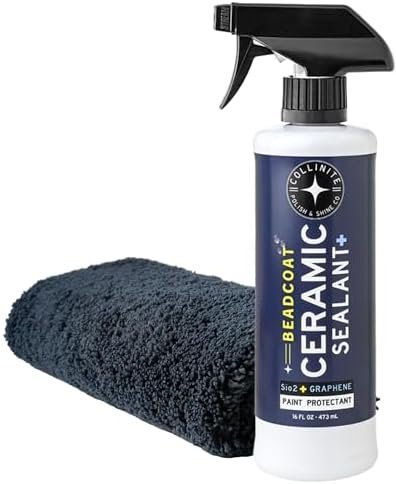
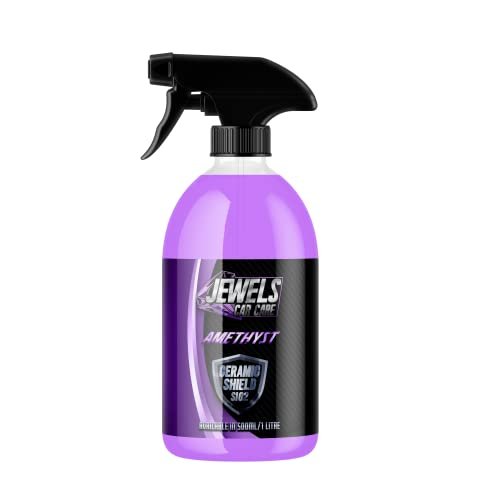
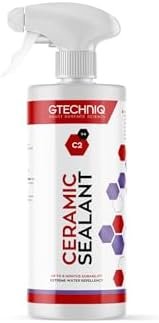
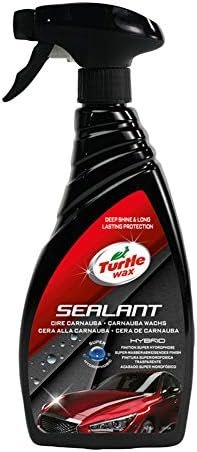
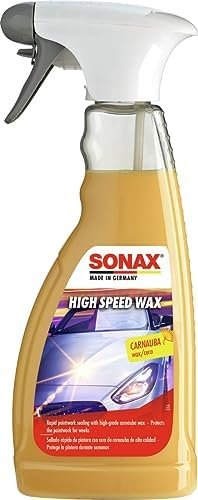
Paint Sealants for Long-Lasting Protection
Top Picks Worth Considering
Click through to check today's price and availability from trusted retailers.
- All brands
- 3D Car Care
- Autoglym
- CarPlan
- Cerakote
- Duel Autocare
- ExoForma
- Fiwiko
- Glart
- Gtechniq
- Gyeon
- HydroSilex
- Jewels
- Pure Definition
- Sonax
- Turtle Wax
- Rating: High to Low
- Rating: Low to High
- Title: A → Z
- Title: Z → A
FAQs
How long does a sealant last on a car?
Most synthetic sealants last between two and four months in regular use, though some products claim longer. Actual durability depends heavily on how well you prepped the surface, how often you wash, and what conditions the car faces. Cars driven daily in harsh weather or washed frequently with strong shampoos see sealant degrade faster. From our experience, three months is a realistic expectation for most sealants. Reapply when you notice water beading weakening or the paint starting to feel less slick, typically every two to four months. Garage-kept cars or those washed with pH-neutral shampoos can push closer to four or five months, but it’s better to reapply slightly early than wait until the sealant’s completely failed.
Is car sealant better than car wax?
Better depends on what you’re after. Sealants last longer, typically two to four months compared to wax’s four to eight weeks. They also offer more consistent water beading and better resistance to chemicals and harsh weather. That makes them popular with daily drivers who want lower maintenance. Wax gives a warmer, deeper gloss that some people prefer, especially on darker paints. It’s also easier to apply and remove, which matters if you’re new to detailing. We’ve found that sealants suit practical users who value durability, while wax appeals to enthusiasts who enjoy the process and the finish. Neither is objectively better, they just serve different priorities.
What is the difference between ceramic and sealant?
True ceramic coatings cure and bond chemically to the paint, creating a semi-permanent hard layer that can last a year or more. They’re much harder to apply and demand perfect surface prep, but they offer the best durability and chemical resistance. Mistakes during application are difficult to fix. Sealants are simpler. They’re synthetic polymers that sit on top of the paint and bond mechanically rather than chemically. They’re easier to apply, more forgiving if you make a mistake, and last a few months instead of a year. What we see in reviews is that sealants suit most DIY users, while ceramic coatings reward those with experience and patience. Ceramic spray products blur the line, they’re marketed as ceramics but behave more like boosted sealants.
What should I do before applying car sealant?
The paint needs to be clean, decontaminated, and dry. Wash thoroughly to remove all loose dirt, then use clay or a decon mitt if the surface feels rough. Any embedded contaminants will prevent the sealant from bonding properly and reduce how long it lasts. If the paint has defects like swirls or oxidation, polish before sealing. Sealant won’t hide imperfections, it just locks in whatever’s underneath. From what we see, poor prep is the main reason people complain about sealants failing early. The actual application is straightforward, but the prep work makes or breaks the result.
Do I need sealer or primer?
For paint sealant, you don’t need a separate primer. Sealants are designed to bond directly to clean, bare paint. Some people use a paint cleanser or pre-wax product to strip old protection and oils before applying sealant, which can help bonding, but it’s not essential if the paint’s properly washed and decontaminated. The confusion often comes from panel prep products marketed as “primers” for ceramic coatings. Those are different, they’re alcohol-based wipe-downs that remove oils before coating. Regular sealants don’t need that step. From our experience, as long as the paint’s clean and dry, sealant will bond fine without extra products.
Related Insights and Articles
Explore More Categories
Discover more of our curated buying guides to continue your research.


