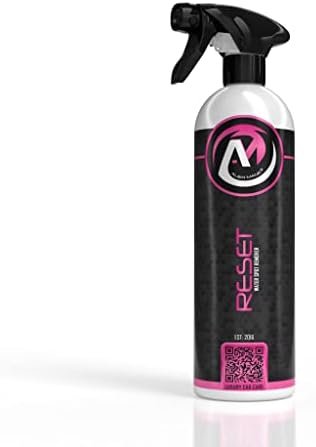
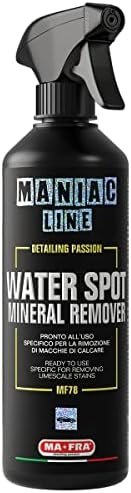
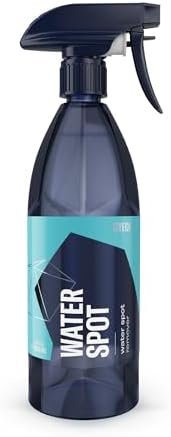
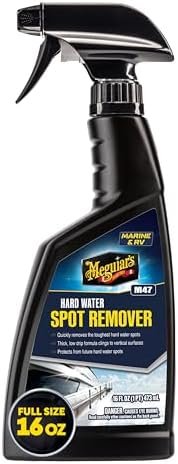
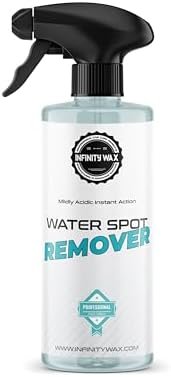
What Water Spot Removal Is and Why it Matters
Water spots look harmless at first, but the minerals left behind can bond to paint and glass surprisingly quickly.
Fresh spotting is usually just mineral residue sitting on the surface. Left too long, it can etch into clear coat or glass. From our experience, the biggest mistake is treating every water spot the same. Some wipe away easily, some need chemical removal, and some have already gone beyond what a remover alone can fix.
What Water Spot Remover Is (and Isn’t)
Water spot removers are designed to break down mineral deposits such as calcium and magnesium left behind after water evaporates.
They don’t replace washing, and they don’t automatically fix etched damage. If the spot has already eaten into the surface, a remover may clear the residue but still leave the mark behind. That’s where polishing usually comes in.
Water Spot Remover Types
-
Dedicated Mineral Removers
- These are purpose-made products designed to dissolve fresh or moderate mineral spotting on paint, glass and trims.
- They’re usually the best place to start because they’re more targeted than general cleaners and safer than improvising with harsh household chemicals.
-
Paint-Safe Finishing Products
- Some lighter formulas are aimed at mild spotting and maintenance use. They suit cars that pick up regular light marks from hard water, sprinklers or poor drying.
- They tend to be easier to work with, but they won’t do much for severe buildup or etched spots.
How to Choose the Right Water Spot Remover
- For fresh water spots
Use a dedicated mineral remover designed for paint and glass. If the spotting is recent, this is usually enough to dissolve the residue without needing aggressive correction.
- For regular hard-water maintenance
Choose a milder, paint-safe formula that you can use when spotting first appears. Catching it early is far easier than dealing with baked-on deposits later.
- For older or stubborn spots
Look for a stronger dedicated remover, but keep expectations realistic. If the marks have etched into the surface, you’ll likely need polish after the chemical step.
- For glass-heavy use
Some products are especially effective on windscreens and side glass where mineral spotting is obvious. These are useful if visibility is your main concern.
Common Water Spot Removal Mistakes
- Using it on hot panels
Water spot removers work best on cool surfaces out of direct sun. On hot paint they flash too quickly, making them less effective and harder to rinse away cleanly.
- Assuming every spot is removable chemically
This catches a lot of people out. If the minerals have already etched the surface, the remover may only take away the residue layer. The outline can still remain and need polishing.
- Scrubbing aggressively
If a spot doesn’t release quickly, more pressure usually just risks marring the finish. Let the chemistry work first before reaching for abrasive correction.
- Using household acids or random cleaners
DIY fixes can stain trims, affect coatings or create more work than they solve. Dedicated automotive products are far safer and more predictable.
What to Do After Water Spot Removal
- Rinse and inspect carefully
Once the product is removed, inspect the area in good light. If the spotting has gone completely, you’re done. If the outline remains, that’s usually a sign of etching rather than leftover minerals.
- Reapply protection
Water spot removers can weaken wax, sealant or topper layers on the treated area. Once the surface is clean, re-protect it so future spotting is less likely to bond as quickly.
- Move to polish if needed
If chemical removal doesn’t fully clear the mark, the next step is usually light polishing. That’s correction work, not decontamination, but it’s often the only way to fully restore clarity.
Water spot removal is easiest when you act early. Once spotting has baked in or etched, the job changes from simple decontamination to paint correction.