Clay Bars, Mitts & Towels for Smooth Car Paintwork
Top Picks Worth Considering
Click through to check today's price and availability from trusted retailers.
- All brands
- Adams Polishes
- Aimiffy
- Auto Finesse
- Bilt Hamber
- Car Gods
- Chemical Guys
- diy detail
- G3 Pro
- Griot's Garage
- Gyeon
- Jxiwfvl
- Lyapeony
- Meguiar's
- Mothers
- Poorboy's World
- Pumbaa Home
- Pure Definition
- Spta
- West Horse
- Rating: High to Low
- Rating: Low to High
- Title: A → Z
- Title: Z → A
FAQs
What does a clay bar do to a car?
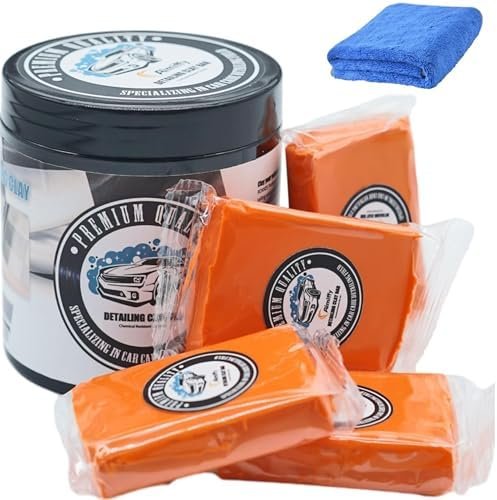
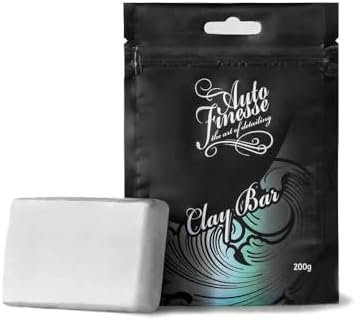
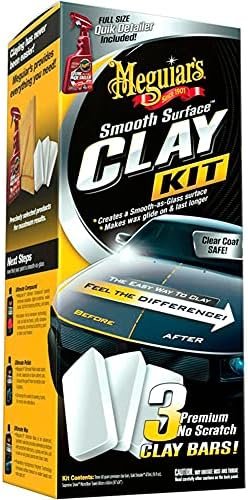
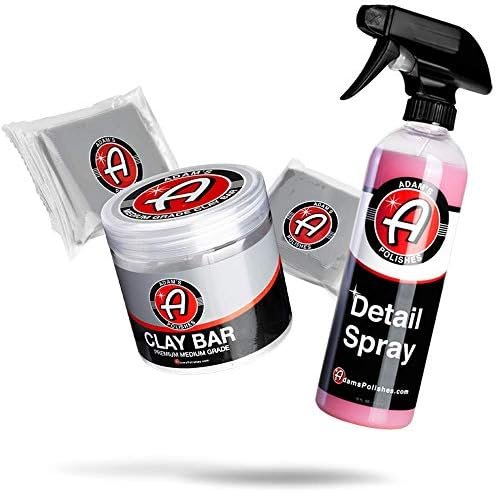
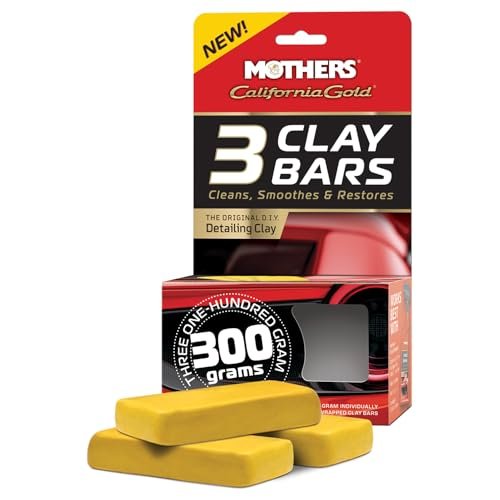
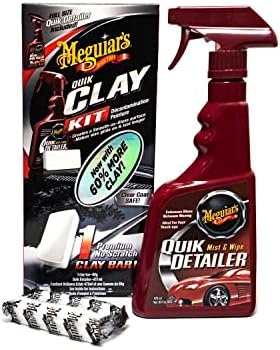
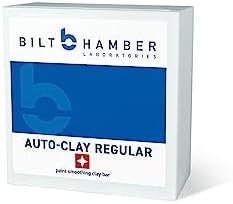
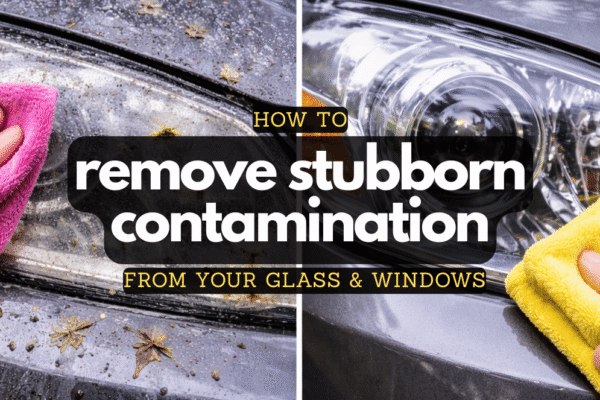
A clay bar removes bonded contamination that washing can’t shift. It works by physically lifting embedded particles like industrial fallout, tree sap, and overspray from the paint surface. You’re essentially using a soft, malleable bar to pull contamination out of the clear coat. The result is paint that feels glassy smooth. Most people notice the difference immediately when they run their hand over the surface after claying. From our experience, this step makes the biggest tactile improvement to paintwork, even more than washing alone.
Does clay bar damage the coat?
Not when used properly. Clay needs lubrication to glide across the paint safely, whether you’re using a bar, mitt, or towel. Without enough lube, clay can drag and cause fine scratches or marring. As long as you use plenty of lubricant and work gently, it’s very safe. The risk comes from rushing, using too much pressure, or continuing to use contaminated clay without cleaning it. If it feels like it’s sticking or pulling, add more lubricant immediately. We’ve found that beginners often worry about this, but clay is designed to be softer than paint. If you feel resistance, stop and check for contamination on the clay itself, then rinse before continuing.
How often should I claybar my car?
For most people, two to four times a year is enough. If you park outside regularly, live near industrial areas, or drive on motorways often, you might need it more frequently. The paint will tell you when it’s time, if it still feels rough after washing, it needs claying. Over-claying doesn’t help and can cause unnecessary wear on the clear coat. We clay before applying wax or ceramic coatings, or when we notice the paint losing its smoothness. It’s a periodic step, not part of regular maintenance.
What does a clay towel do for a car?
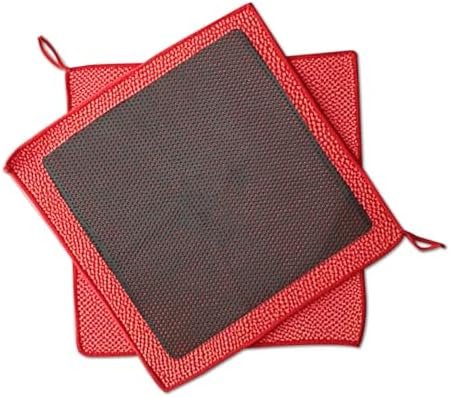
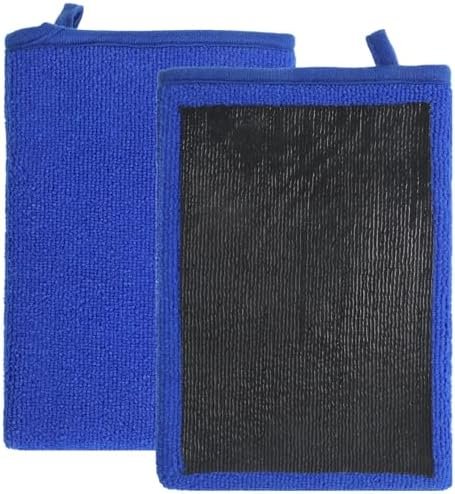
A clay towel works exactly like a clay bar or mitt, it removes bonded contamination from the paint. The difference is in the format: clay towels are larger, which makes them faster for covering big areas like bonnets and roofs. They’re particularly useful if you’re claying multiple cars or working on larger vehicles. Like clay mitts, they can be rinsed clean and reused, which makes them more practical than traditional clay bars. From what we see in reviews, people appreciate how quickly they can finish the job with a clay towel.
How do I know if my car needs claying?
Run your hand over the paint after washing and drying. If it feels rough, gritty, or bumpy, you need to clay. Smooth, glassy paint doesn’t need claying until contamination builds up again. You can also use a plastic bag over your hand as a test. The bag amplifies the texture, making it easier to feel contamination. If the paint feels rough through the bag, claying will help. Most people are surprised how much smoother the paint feels after claying for the first time.
Do you have to polish a car after using a clay mitt?
No, polishing is only necessary if you want to remove fine scratches or improve gloss beyond what claying achieves. Claying removes contamination but doesn't correct paint defects. If the paint looks good after claying and you're happy with the finish, move straight to protection like wax or sealant. Polishing is a separate step that comes after decontamination if you're doing paint correction. From our experience, most people clay and then protect. Polishing is only needed if you're chasing perfection or dealing with visible defects.
Is it worth it to clay bar your car?
Yes, if the paint feels rough after washing. Claying restores smoothness and allows wax, sealant, or ceramic coatings to bond properly. Without it, protection sits on top of contamination and won't last as long or perform as well. For cars that are maintained regularly and feel smooth after washing, claying might not be necessary every time. We clay a few times a year or before applying protection. It's not essential for every wash, but when the paint needs it, the improvement is significant.
What's better, clay bar or clay mitt?
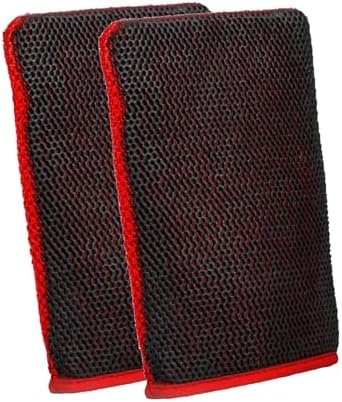
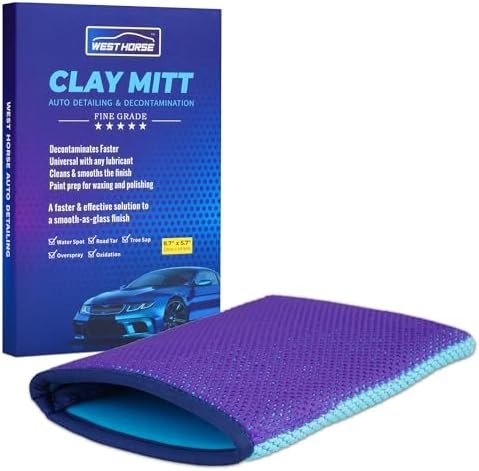
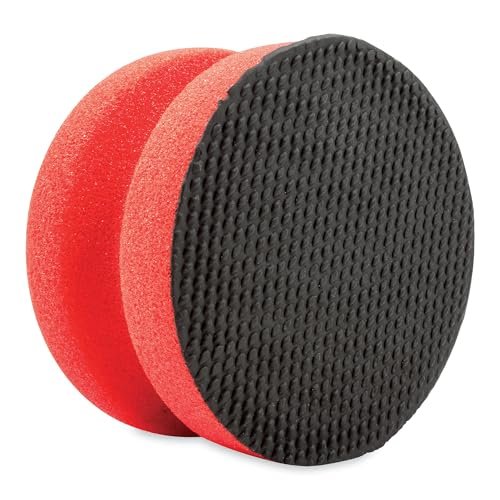
Clay mitts are easier and faster for most people. They're more forgiving if you drop them, you just rinse and carry on, whereas a clay bar needs to be discarded. Mitts also cover larger areas more quickly, which makes them ideal for full-car decontamination. Clay bars offer more control and precision, which some people prefer for detailed work or smaller areas. From our experience, if you're new to claying or working on your own car at home, a clay mitt is the better starting point. It's less intimidating and reduces the chance of mistakes.
Related Insights and Articles
Explore More Categories
Discover more of our curated buying guides to continue your research.


