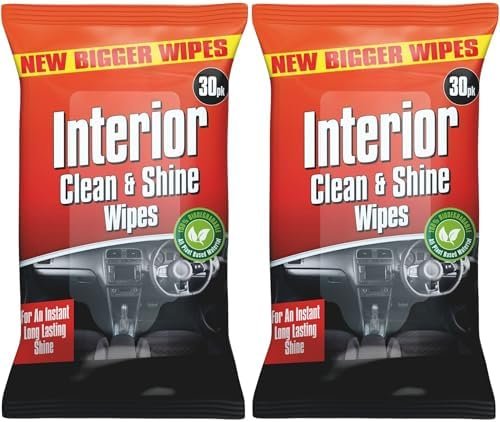
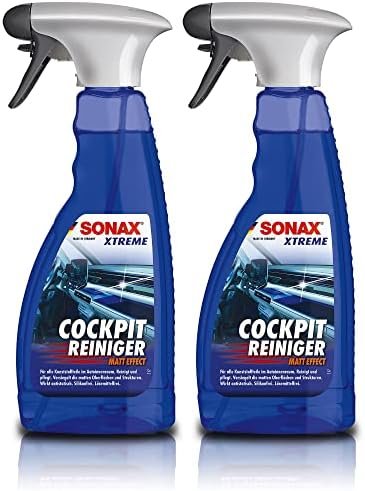
How Dashboard Care Protects Against UV Damage and Glare
Dashboards sit directly under glass where UV and heat are strongest. Over time, this causes fading, cracking, and surface deterioration that’s hard to reverse once it starts.
Dust builds up quickly on dashboard surfaces. It settles into vents, seams, and textured plastics, making the whole interior look neglected even when the rest of the car is clean. From our experience, regular light maintenance prevents the kind of grime buildup that requires aggressive cleaning later.
Dashboard care is also about driving safety. Products that leave heavy shine or greasy residue create dangerous glare in sunlight. We’ve seen plenty of complaints from users who didn’t realise this until they were dealing with reflections on the windscreen.
What Dashboard Care Products Are (and Aren’t)
Dashboard products clean hard plastic surfaces and add a protective layer against UV damage. Modern formulations focus on preservation rather than transformation.
These products don’t restore cracked or faded plastics. If the damage is already there, a dashboard product can’t fix it. What they do is slow down further deterioration and keep surfaces looking clean and well-maintained.
The finish you get depends on the product formulation. Some aim for a natural OEM look, others add gloss. Neither is wrong, but it’s worth understanding what you’re applying before you commit to a shiny finish.
Dashboard Care Product Types (Where It Matters)
-
Matte / OEM-Finish Products
- Matte products leave surfaces looking close to how they came from the factory. No shine, no gloss, just clean and protected.
- This is what most people want for dashboards. It keeps things subtle, reduces glare, and doesn’t draw attention to itself. From what we see in user reviews, matte finishes tend to age better because they don’t highlight dust or fingerprints as much as gloss products do.
-
Gloss / Shine Products
- Gloss products add visible shine to dashboard surfaces. They’re designed to make plastics look richer and more “dressed”.
- This isn’t automatically a bad thing, but it needs to be used carefully. Too much product or the wrong application technique leaves greasy residue that attracts dust and causes glare. The general consensus is that gloss works better on lower trim panels than on the main dashboard itself.
How to Choose the Right Dashboard Care Product
- For a natural, factory-look finish
Stick with matte or OEM-style products. They’re versatile, safe for all dashboard surfaces, and won’t cause glare issues.
- For older, faded plastics
A matte product with UV protection can prevent further deterioration, though it won’t reverse existing damage. Gloss products might temporarily darken faded areas, but the effect fades quickly.
- For lower trims and door cards
Gloss products are less risky here since they’re not in your direct line of sight while driving. Just use them sparingly to avoid greasy buildup.
- If you’re unsure
Start with a matte product. It’s easier to add gloss later than it is to remove residue from a product that’s too shiny.
Common Dashboard Care Mistakes to Avoid
- Over-applying gloss products
This is one of the most common mistakes we see. Too much product doesn’t increase protection—it just leaves a sticky, dust-attracting layer that causes glare. Light, even coverage works better.
- Using silicone-heavy dressings
Silicone gives instant shine but can leave oily residue on the windscreen, especially in hot weather. If you notice a film building up on the inside of your glass, this is usually the cause.
- Applying product in direct sunlight
Heat accelerates drying and makes it harder to buff the product evenly. Work in the shade or on a cool surface for the best finish.
- Skipping the clean step
Dashboard dressings sit on top of whatever’s already there. If you apply protection over dust and grime, you’re just sealing dirt into the surface. Always clean first.
- Not testing on a hidden area
Different plastics react differently to products. Testing on a small, low-visibility area first avoids surprises on the main dashboard.
What to Do After Dashboard Care
- Buff away excess product
Even matte products can leave residue if over-applied. A quick wipe with a clean microfibre cloth removes any excess and leaves a more natural finish.
- Check for glare before driving
Sit in the driver’s seat and look at the dashboard in sunlight. If you see reflections on the windscreen, buff the surface again until they’re gone.
- Avoid touching treated surfaces immediately
Give the product a few minutes to settle before handling the dashboard. This prevents fingerprints from marking freshly treated surfaces.
Dashboard care protects against UV damage and keeps surfaces looking clean—but it shouldn’t create glare or feel greasy. If the finish distracts you while driving, it’s not doing its job properly.
FAQs
Can I use baby wipes to clean my car dashboard?
We wouldn’t recommend it. Baby wipes aren’t designed for automotive plastics and often contain lotions, oils, or moisturisers that leave a greasy film on dashboard surfaces. Over time, this buildup attracts dust and can create a sticky residue that’s harder to clean than the original dirt. What works better is a proper interior cleaner on a microfibre cloth. It lifts grime without leaving anything behind, and you avoid the risk of residue transferring onto your windscreen or causing glare. Baby wipes might seem convenient, but they’re not doing your dashboard any favours in the long run.
What household products can I use to clean the interior of my car?
Diluted white vinegar works reasonably well for light cleaning, though it’s not ideal for regular use. The acidity can strip some protective coatings if used too often, and the smell lingers longer than most people expect. If you’re in a pinch, a very diluted solution on a microfibre cloth will handle surface dust and fingerprints. That said, household cleaners like washing-up liquid or kitchen degreasers aren’t worth the risk. They’re not pH-balanced for automotive plastics and can leave streaks, dull finishes, or even cause discolouration. A dedicated interior cleaner costs very little and avoids these problems entirely, so it’s worth keeping one in the garage rather than improvising with what’s under the sink.
What do car detailers use on the dash?
Most professional detailers use a combination of a dedicated interior cleaner followed by a UV protectant or dressing, depending on the finish the customer wants. The cleaner removes oils, dust, and grime without leaving residue, and the protectant adds a layer of defence against UV damage and fading. The key difference is that professionals apply products lightly and buff away excess immediately. They’re not looking for heavy shine unless specifically asked, they want surfaces clean, protected, and free from glare. The products themselves aren’t particularly exotic, it’s the application technique and attention to detail that sets professional results apart from what most people do at home.
Is WD-40 good for dashboards?
WD-40 can clean dashboard surfaces in a pinch, but it’s not designed for this job and comes with downsides. It’s a petroleum-based product that can leave an oily residue, which attracts dust and creates glare on the windscreen, especially in warm weather. If you use it, you’ll need to buff thoroughly to avoid a greasy finish. From our experience, products specifically formulated for automotive interiors work better and don’t carry the same risks. WD-40 might shift stubborn grime, but it’s overkill for regular dashboard maintenance and can cause more problems than it solves if not wiped away properly.
Can I use Dawn dish soap to clean the interior of my car?
Dish soap isn’t designed for car interiors and can strip protective coatings from plastics over time. It’s also difficult to rinse properly, which means residue is likely to remain on surfaces even after wiping. That residue attracts dirt and can leave a hazy film that dulls the finish. If you’re looking for a simple cleaning solution, a proper interior cleaner is a much safer bet. It’s pH-balanced for automotive materials and won’t leave the streaking or buildup that dish soap creates. Dish soap might seem like an easy substitute, but the results rarely justify the convenience.
What not to clean car interior with?
Avoid glass cleaners on dashboard plastics. Most contain ammonia, which can damage interior surfaces, cause discolouration, and leave streaks on textured finishes. They're designed for glass, not plastics, and using them on the wrong surface creates more work than it saves. Similarly, steer clear of abrasive scrubbers, harsh degreasers, and disinfectant wipes not designed for automotive use. These can scratch plastics, strip finishes, or leave residues that are difficult to remove. Stick to products specifically made for car interiors, they're formulated to clean safely without the risks that come with household alternatives.
How do you deep clean a car dashboard?
Start by removing loose dust with a dry microfibre cloth or a soft brush for vents and textured areas. This stops you from grinding dirt into the surface when you apply cleaner. Work in sections rather than trying to tackle the entire dashboard at once. Spray your interior cleaner onto a cloth, not directly onto the dashboard, to avoid overspray on glass or getting liquid into gaps and controls. Wipe each section, paying attention to seams and around buttons. Finish with a clean, dry microfibre cloth to remove any remaining product and check for streaks. If the dashboard still looks dull after cleaning, that's when you'd consider a light application of protectant, but only after the surface is completely clean and dry.