
How Glass Cloths Improve Clarity and Finish
Glass cloths make a bigger difference than most people expect. Good glass cleaner helps, but the cloth often decides whether the finish ends up clear or streaky.
The main issue we see is people using the wrong microfibre. Plush paint towels, old wash cloths, or general-purpose rags often leave lint, smear residue, or just move contamination around. A proper glass cloth gives you better bite on the surface and a cleaner final wipe.
What Glass Cloths Are (and Aren’t)
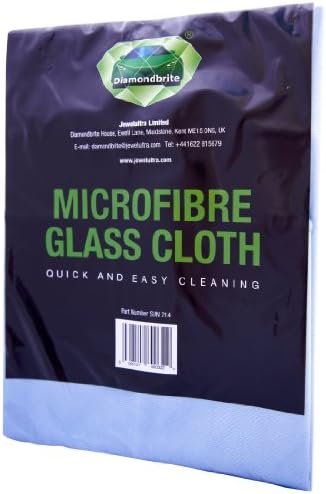
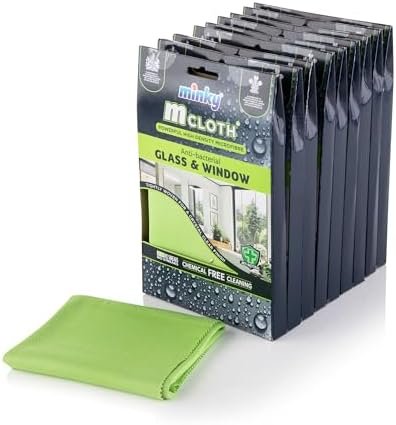
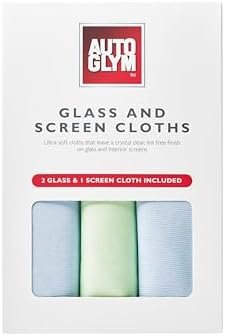
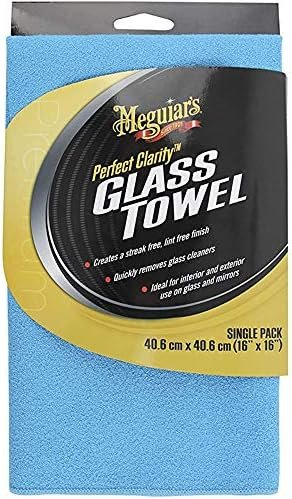
Glass cloths are microfibres designed specifically for cleaning and finishing smooth transparent surfaces like windscreens, side windows, mirrors, and interior glass.
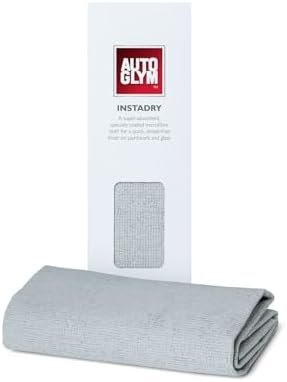
They aren’t drying towels, and they aren’t ideal as all-purpose interior cloths. A cloth that works brilliantly on paint or dashboards can still struggle badly on glass because the weave is wrong for removing haze and product residue cleanly.
Glass Cloth Types
-
Tight-Weave Glass Cloths
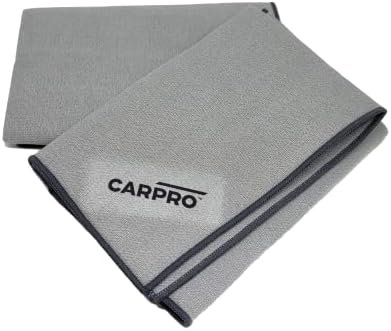
- These are the go-to option for most people. The tighter weave helps the cloth glide smoothly and lift residue without shedding lint.
- They’re especially useful for final buffing after cleaner has been applied, where streak prevention matters most.
-
Waffle-Weave or Dual-Use Glass Cloths
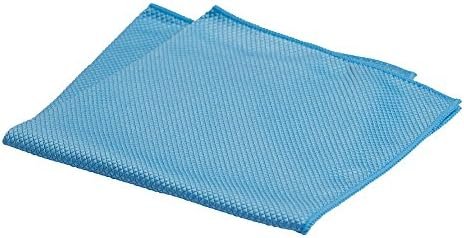
- Some glass cloths use a waffle or textured weave to improve bite on the surface and help break up greasy traffic film or interior haze.
- These can work very well for the first wipe, though some people still prefer a separate smoother cloth for the finishing pass.
How to Choose the Right Glass Cloth
- For streak-free finishing
Choose a dedicated tight-weave glass cloth. These are the safest bet if your main goal is leaving the glass clear with no haze or fibres left behind.
- For interior haze and fingerprints
A cloth with a bit more bite can make life easier on the inside of the windscreen, where oils and film tend to build up most.
- For regular maintenance
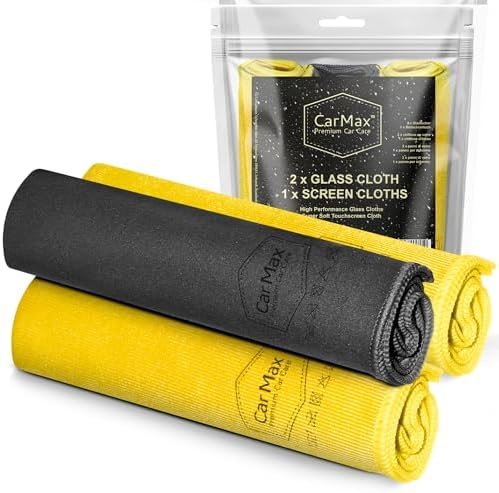
It’s worth owning at least two cloths so you can use one for the initial wipe and one for the dry finishing pass. That’s one of the easiest ways to reduce streaking.
- For long-term value
Look for cloths that hold their structure after washing. Cheap glass cloths can work once or twice, then start smearing or linting as soon as they age.
Common Glass Cloth Mistakes
- Using the same cloth on everything
Once a cloth has picked up wax, interior dressings, or general dirt, it usually becomes worse on glass. Dedicated glass cloths stay cleaner and perform more consistently.
- Using too much product
A cloth can’t fix over-application. Too much cleaner often causes the smearing people blame on the cloth itself. Light application and a second dry cloth works better.
- Trying to use a saturated cloth for the finishing pass
If the cloth is already loaded with moisture or residue, it tends to spread contamination rather than remove it. Swap to a dry side or a second cloth.
- Washing glass cloths with fabric conditioner
This ruins their performance. Softener leaves residue in the fibres, which usually shows up immediately as streaking on glass.
How to Care for Glass Cloths
- Wash separately where possible
Keeping glass cloths away from wax-heavy or heavily soiled towels helps them stay effective for longer.
- Use proper microfibre detergent
This helps remove trapped residues without coating the fibres. It’s one of the easiest ways to keep performance consistent wash after wash.
- Retire them once they start smearing
Even good cloths don’t last forever. If a cloth starts dragging, linting, or leaving haze despite clean glass and correct technique, it’s usually time to demote it to dirtier jobs.
Glass cleaning usually goes wrong at the finishing stage, not the cleaning stage. The right cloth makes that final pass much easier and far more consistent.