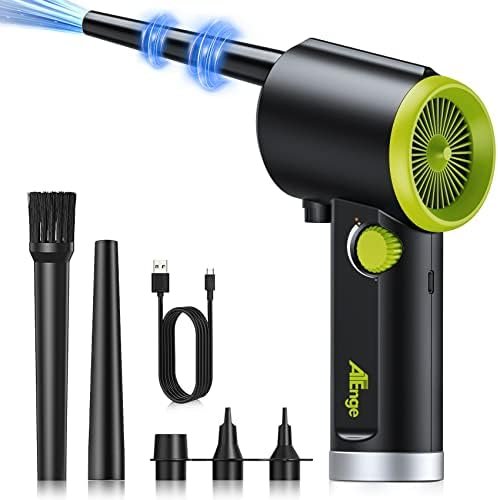
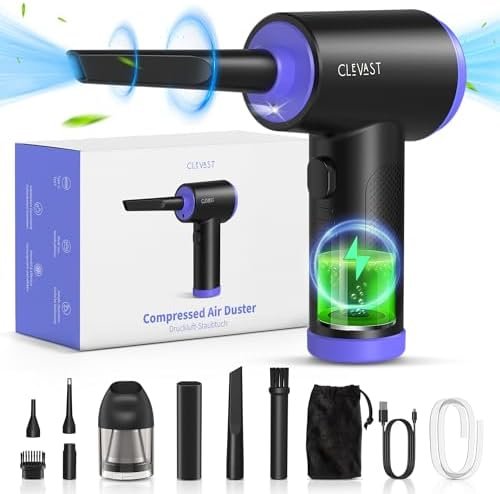
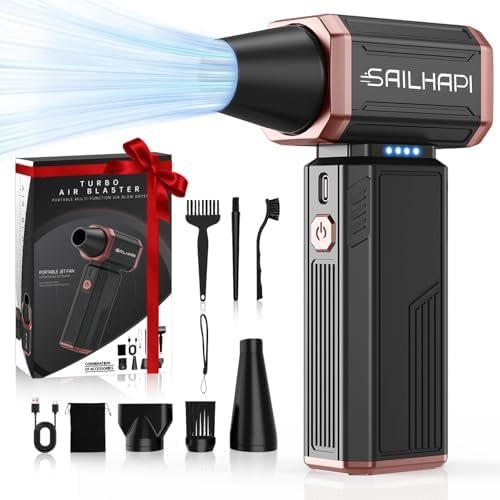
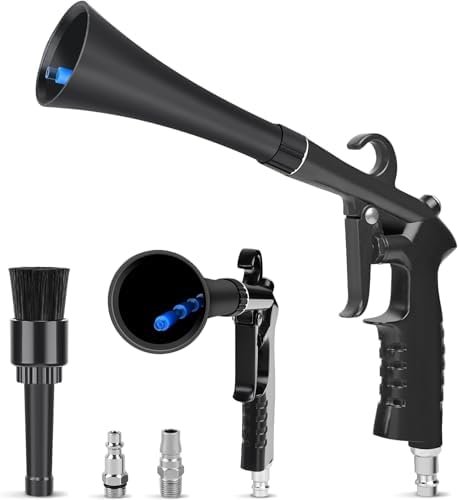
Car Dryers and Blowers
Top Picks Worth Considering
Click through to check today's price and availability from trusted retailers.
- All brands
- ATEngeus
- BigBoi
- Blo
- Clevast
- Generic
- Novora
- Pararose
- Ryobi
- Sailhapi
- Wolfbox
- Rating: High to Low
- Rating: Low to High
- Title: A → Z
- Title: Z → A
FAQs
Is a car blower worth it?
If you care about reducing swirl marks and making drying faster, yes. Blowers remove water without touching the paint, which eliminates the main cause of marring during the drying stage. They’re particularly effective at clearing water from seams, badges, mirrors, and door shuts, areas where towels either miss the water entirely or push it deeper into gaps. From our experience, the difference is most noticeable on soft or freshly corrected paintwork where every bit of contact shows. The value depends on how much you care about the finish. For someone washing a work van weekly, a blower is probably unnecessary. For someone maintaining a car with ceramic coating or regular polishing, it’s one of the safest investments you can make. We regularly see people who were skeptical about blowers change their mind after using one properly, the time saved and reduction in towel contact makes it hard to go back.
Do car blower dryers scratch the car?
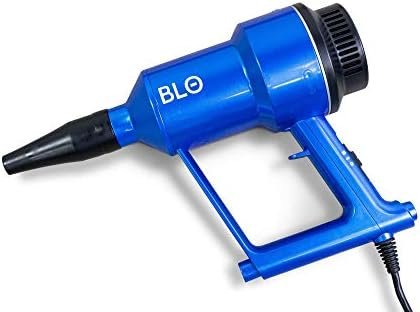
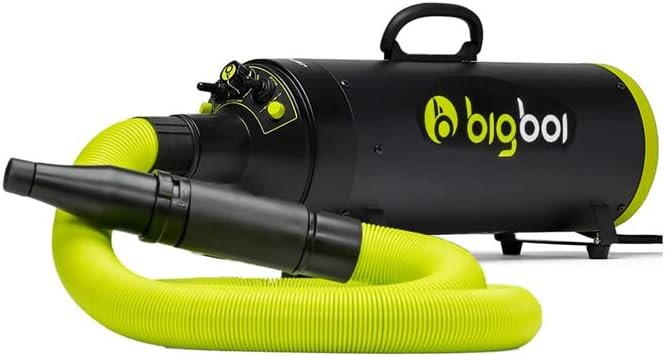
Not if used correctly. The air itself doesn’t scratch paint, the risk comes from blowing loose dirt across the surface or using the nozzle too close, which can force debris into the clear coat. If the car’s been washed properly and loose contamination has been rinsed off, air drying is safer than towel drying because there’s no physical contact. We’ve found that keeping a sensible distance, around 30 to 40 cm, and using controlled sweeping movements prevents any issues. Filtered car dryers are safer than general blowers because they reduce the risk of dust getting blown onto wet paint. General leaf blowers or workshop air movers can work, but only if the air intake is clean and you’re careful about pressure. The main cause of scratching with blowers isn’t the tool itself, it’s poor washing technique beforehand or blowing dirt that’s still on the surface.
Can I just air dry my car?
You can, but it leaves water spots. When water evaporates naturally, the minerals and contaminants in it stay behind and etch into the paint, especially in hard water areas. Those spots are stubborn to remove and build up over time, dulling the finish. From our experience, air drying only works if you’re using purified or distilled water for the final rinse, which most people don’t. The other issue is water hiding in seams and gaps. If you don’t remove it properly, it drips down onto clean panels hours later, leaving streaks and requiring another wipe-down. Using a blower or drying towel takes an extra few minutes but prevents the problems that air drying creates. It’s not about convenience, it’s about protecting the work you’ve just done washing the car.
Are car drying towels worth it?
Yes, but only if they’re proper microfibre drying towels, not general household towels. Car-specific drying towels are designed to absorb far more water and release dirt more easily when rinsed. A good drying towel can hold six to eight times its weight in water, which means you’re soaking up moisture rather than pushing it around the surface. We’ve found that switching from old bath towels to proper microfibre towels makes an immediate difference in both speed and finish quality. The key is absorbency and softness. Cheap or worn-out towels don’t hold water properly, which forces you to press harder or make multiple passes, increasing the risk of marring. Quality drying towels let you pat or gently glide across the surface with minimal pressure. If you’re serious about reducing swirl marks, a good drying towel is as important as the wash mitt you use.
Is it okay to use a blower on a car?
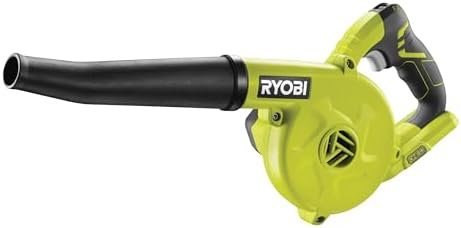
Yes, as long as you’re using it for drying, not for blowing debris out of the interior. Blowing water off paintwork is safe and effective when the car’s been washed properly. The filtered air from a dedicated car dryer or clean air from a leaf blower removes water without contact, which is one of the safest drying methods available. We regularly see professional detailers use blowers as part of their standard process. Never use a blower inside the car to blow dirt out instead of vacuuming. That just spreads contamination around the cabin and embeds it into fabrics and trim. Blowers are for removing water from exterior surfaces after washing, not for replacing vacuums or cleaning tools. Used correctly on clean, wet paintwork, they’re perfectly fine and reduce drying time significantly.
What are the cons of using a blower for car drying?
The main downside is control, especially with high-powered general blowers. Smaller users or those unfamiliar with the tool can struggle to manage the airflow, which leads to erratic movements or getting too close to the paint. That increases the risk of forcing debris into the finish or damaging delicate trim like aerials and grilles. From our experience, dedicated car dryers with lower, controlled output are easier to handle than repurposed leaf blowers. Cost is another factor. Quality car dryers aren't cheap, and while general blowers cost less, they come with higher contamination risk due to poor or absent filtration. Some water also clings stubbornly to horizontal panels even after blowing, which means you still need a microfibre towel for a final wipe. Blowers don't replace towels entirely, they reduce the amount of contact needed, which is still valuable but not the complete solution some people expect.
How to quickly dry your car?
Start with a blower if you have one, working from top to bottom to push water off the car and out of gaps. Focus on seams, badges, mirrors, and door shuts where water hides. Then use a large, absorbent microfibre drying towel to soak up any remaining water on horizontal surfaces. Pat or glide the towel gently rather than rubbing, letting the absorbency do the work. We've found this combination is faster and safer than using towels alone. If you don't have a blower, use the biggest, most absorbent drying towel you can find and work quickly while the water's still wet. Dry in straight lines rather than circles, and flip or wring out the towel frequently to maintain absorbency. Working in the shade or on a cool day helps because water doesn't evaporate as quickly, giving you more time before spots form. Speed matters, but technique matters more, rushing with the wrong tools just causes problems.
Related Insights and Articles
How to Apply Glass Sealant: Step-by-Step Application and Buffing Guide
How to Prepare Car Glass for Sealant Application
How to Remove Stubborn Contamination from Windows & Glass (Tar, Sap, and Bugs)
How to Clean Your Interior Glass Without Damaging Your Dashboard
How to Clean Car Glass Without Streaks: The Right Cloths and Technique
Explore More Categories
Discover more of our curated buying guides to continue your research.


