Car Decontamination Products for Deep Cleaning
Top Picks Worth Considering
Click through to check today's price and availability from trusted retailers.
- All brands
- Adams Polishes
- Aimiffy
- Alien Magic
- AngelWax
- Armor All
- AutoBead
- Autobrite Direct
- Auto Finesse
- Autoglym
- Autosmart Tardis
- Bilt Hamber
- Carbon Collective
- Car Gods
- CarPro
- Chemical Guys
- diy detail
- G3 Pro
- Griot's Garage
- Gtechniq
- Gyeon
- Infinity Wax
- Jewels
- Jovs
- Jxiwfvl
- Koch Chemie
- Lyapeony
- Mafra
- Maniac Line Mafra
- Meguiar's
- Mothers
- P & S
- Poorboy's World
- Pro-Kleen
- Pumbaa Home
- Pure Definition
- Simoniz
- Sonax
- Spta
- Topaz
- Turtle Wax
- Ungtyb
- ValetPRO
- West Horse
- Williams Racing
- Rating: High to Low
- Rating: Low to High
- Title: A → Z
- Title: Z → A
What Car Decontamination Actually Is (and Why It Matters)
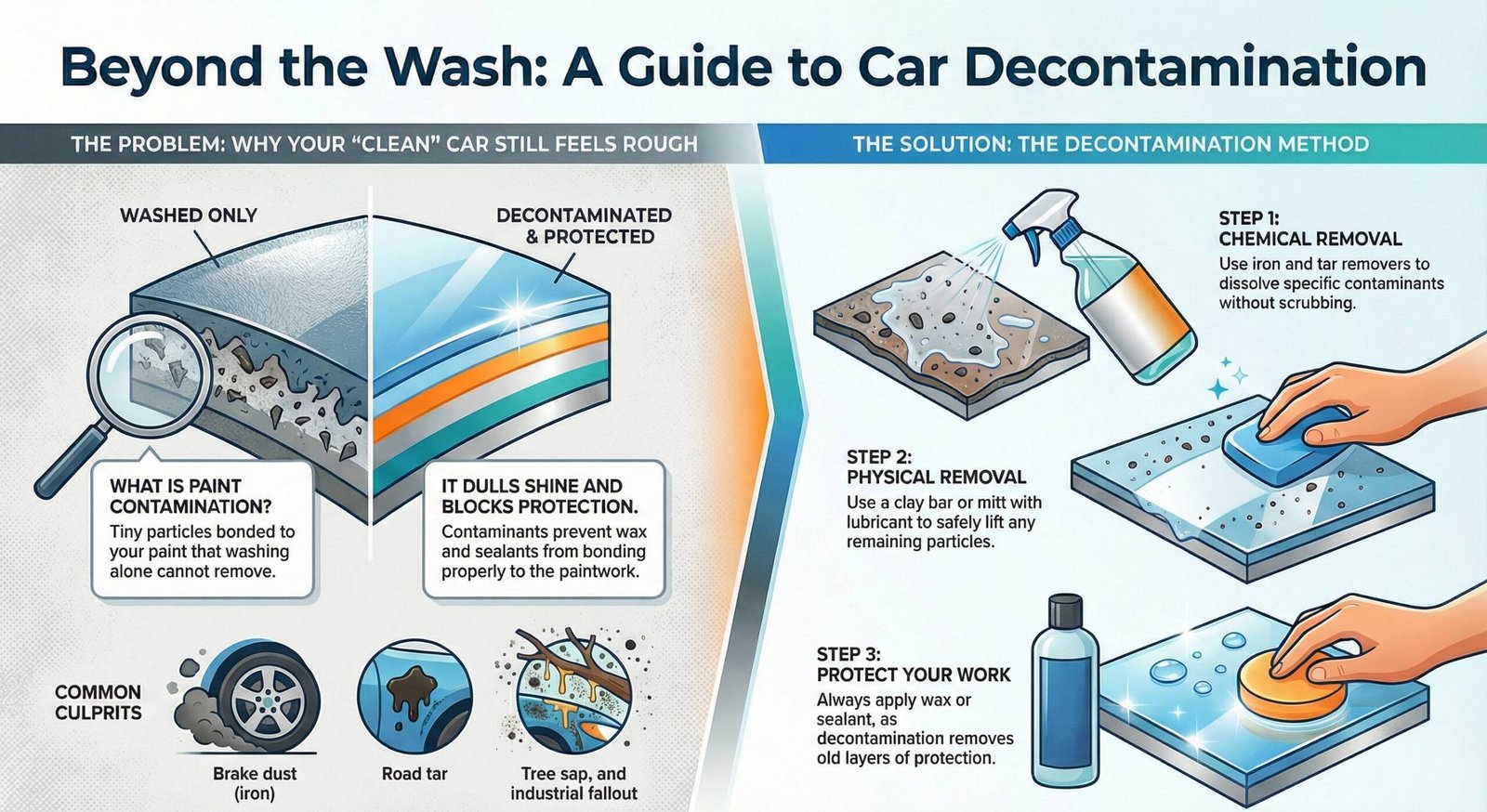
You can wash your car until it looks spotless, but if the paint still feels rough when you run your hand over it, that’s contamination. These are particles that bond to the surface and won’t shift with shampoo alone.
Most contamination comes from brake dust, industrial fallout, tree sap, tar, and road grime. It embeds into the clear coat over time. Left unchecked, it makes the paint feel gritty, dulls the shine, and creates a surface that’s more prone to marring when you wash.
We’ve found that decontamination makes the biggest visual difference after washing. The paint feels glassy smooth, and wax or sealant bonds properly instead of sitting on top of rough, contaminated surfaces.
What You Actually Need to Decontaminate Your Car
Decontamination sounds complicated, but most people only need one or two products depending on what contamination they’re dealing with.
Iron & Fallout Removers
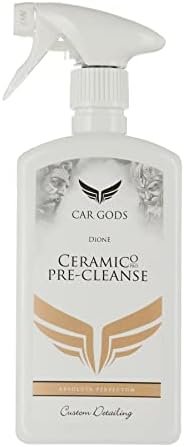
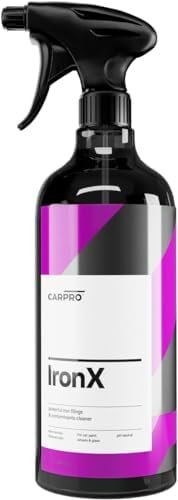
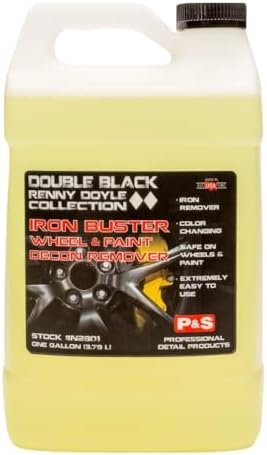
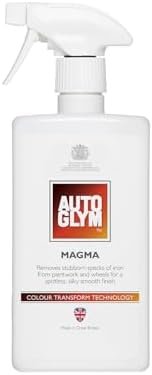
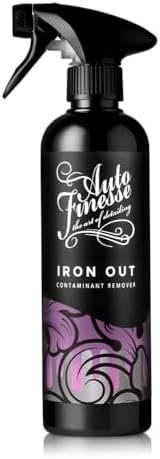
Iron contamination—often called ‘fallout’—comes from brake dust and tiny metal particles that embed themselves into paint and wheels. You can’t wash it off. Iron removers work chemically—they dissolve the contamination without scrubbing.
The colour-change reaction is what most users notice first. The product turns purple as it reacts with iron particles. Wheels often need this most, especially on the face and behind the spokes.
From our experience, the results are immediately visible after the first use. The downside is the smell—it’s a common complaint in reviews. Work in a ventilated area if you can.
This is essential if your car sits near railways, industrial areas, or if you drive on motorways regularly. For lightly used cars in cleaner areas, it’s less critical.
→ View Iron & Fallout Removers
Tar Removers
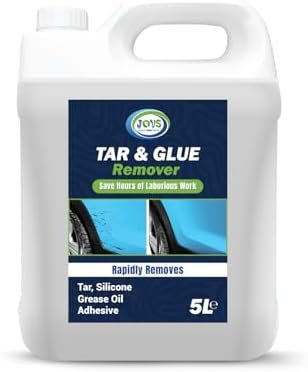
Tar shows up as black spots on the lower panels, sills, and behind the wheels. Washing doesn’t touch it. Tar removers dissolve the sticky residue safely without scrubbing or scraping.
Patience matters here. Let the product sit and break down the tar—don’t rush it. Light agitation with a microfibre cloth works far better than force.
What we see in reviews is that many people over-apply or try to scrub too soon. The product does the work if you give it time. Most users are surprised how easily tar lifts once it’s properly dissolved.
Clay Bars & Clay Alternatives
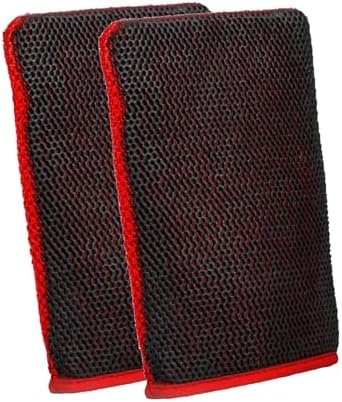
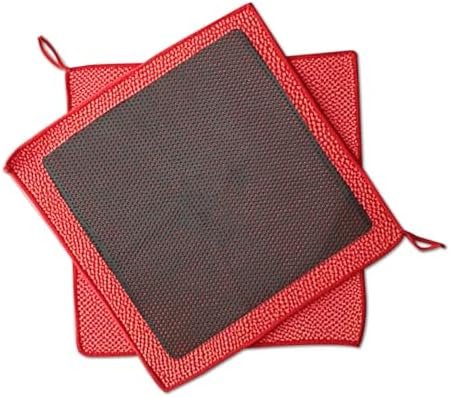
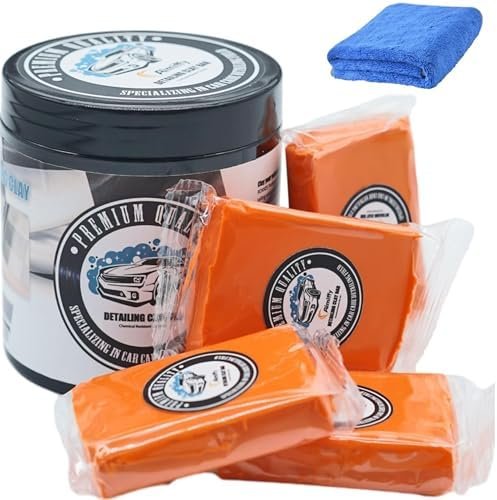
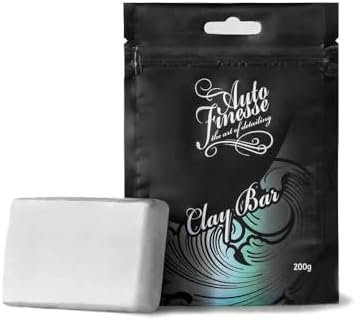
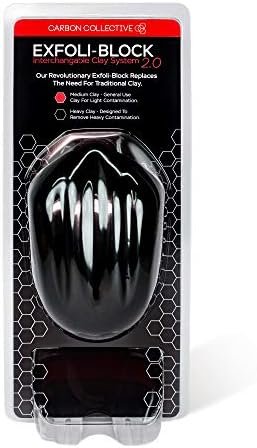
Claying is the physical step that removes bonded contamination chemicals can’t shift. You’re essentially using a soft, malleable bar to lift embedded particles from the surface.
Traditional clay bars work brilliantly but need care. Clay mitts and pads are easier for beginners—they’re faster, more forgiving, and you can rinse them clean. Both need proper lubrication or you’ll mar the paint.
From our experience, claying dramatically smooths the paint. Beginners often worry about scratching, but when used correctly with plenty of lube, it’s very safe.
If the paint feels smooth after washing and iron removal, claying usually isn’t necessary. Be honest with yourself: claying isn’t needed every wash. Overuse can cause fine scratches. We clay a few times a year, or before applying protection.
Glue & Adhesive Removers
This is the problem-solver product. Sticker residue, badge glue, tape marks—scraping risks damaging paint or plastics. Adhesive removers soften and dissolve the residue safely.
Always test on a small area first, especially on plastics and trims. Some adhesives need more dwell time than others.
Most people only need this once or twice. It’s not a routine product, but when you need it, nothing else works as well.
→ View Glue & Adhesive Removers
Decontamination Kits
Kits usually include iron remover, tar remover, and sometimes a clay bar or mitt with lubricant. They’re designed to cover the full decontamination process in one package.
What stands out for us is the convenience. Everything is matched and ready to use. Users like not having to research individual products.
The trade-off is cost. Buying separately can be cheaper if you only need one or two products. But for beginners starting from scratch, kits make sense. Kits work best when you’re tackling a full decontamination in one go rather than spot-treating individual issues.
How to Choose the Right Decon Products
- For regularly maintained cars
Iron remover once or twice a year is usually enough. Clay only if the paint still feels rough after washing. - For heavily contaminated paint
Start with iron remover, add tar remover for lower panels, then clay if needed. This is common after winter or if the car’s been neglected. - Before polishing or ceramic coating
Full decontamination is essential. Any bonded contamination will interfere with the process. Use iron remover, tar remover, and clay. - For beginners starting out
Iron remover and a clay mitt are the safest starting point. Add tar remover only if you see black spots on the paintwork. - For wheels specifically
Iron remover makes the biggest difference here. Wheels collect far more brake dust than bodywork.
If you’re unsure, start with iron remover and assess from there. You don’t need to decontaminate everything at once.
Recommended Decontamination Order
- Wash the car thoroughly
Remove all loose dirt first. Decon products work on bonded contamination, not surface grime. - Apply iron & fallout remover
Spray on cool panels, let it dwell, rinse thoroughly. - Use tar remover if needed
Target lower panels and areas with visible tar spots. Let it dissolve, then wipe clean. - Clay the paint if it still feels rough
Use plenty of lubricant. Work panel by panel with light pressure. - Rinse and dry
Make sure all product residue is removed.
This isn’t an every-wash routine. Most people do this a few times a year, or before applying protection.
Common Decontamination Mistakes to Avoid
- Claying without lubrication
This is the fastest way to mar your paint. Clay needs to glide—if it’s dragging, add more lube. - Using decon products on hot panels
Heat causes products to dry too quickly. Work in shade or on cool surfaces. We’ve seen this complaint repeatedly in reviews. - Scrubbing instead of letting chemicals work
Iron and tar removers need dwell time. Scrubbing doesn’t speed things up—it just risks scratching. - Decontaminating too often
Over-claying or using iron remover every week does more harm than good. These are periodic products, not regular maintenance. - Skipping the wash step first
Decon products work on bonded contamination, not loose dirt. Washing first prevents you from dragging grit across the paint. - Not testing adhesive removers first
Some plastics react badly. Always test on a hidden area before applying to visible surfaces.
What to Do After Decontamination
Your paint is now clean and smooth, but it’s also exposed. Decontamination removes old wax and sealant along with contaminants. Protection matters here. Wax, sealant, or ceramic coatings all bond best to freshly decontaminated paint. If you’re not applying protection, the paint will contaminate again much faster.
From our experience, this is the ideal time to apply any protection product. The surface is perfectly prepped, and you’ll get better durability and shine.
If you’re planning to polish or paint-correct, decontamination is the essential first step. You can’t assess or improve the paintwork properly until it’s truly clean.
FAQs
How often should I decontaminate my car?
Every 3-6 months for regular use, or more frequently if you drive in heavily contaminated areas or during winter months.
Can I use iron remover on ceramic coated cars?
Yes, but choose a pH-neutral iron remover specifically designed for ceramic coatings to avoid degrading the protection layer.
What's the difference between clay bars and clay mitts?
Clay bars require kneading and hand manipulation, while clay mitts are easier to use and can cover larger areas faster. Both are effective when used with proper lubrication.
Do I need to wash before decontamination?
Yes, always wash your car thoroughly first to remove loose dirt and debris. Decontamination products work on embedded contaminants, not surface dirt.
Can decontamination damage my paint?
When done correctly with proper products and technique, decontamination is safe. Always use lubrication with clay and follow product instructions carefully.
Related Insights and Articles
Explore More Categories
Discover more of our curated buying guides to continue your research.


