Car Wash Products for Safe, Streak-Free Cleaning
Top Picks Worth Considering
Click through to check today's price and availability from trusted retailers.
- All brands
- 3D Car Care
- Adams Polishes
- Aotove
- Armor All
- AutoBead
- Autobrite Direct
- Auto Finesse
- Autoglym
- Autostyle
- Beyond Braid
- Bilt Hamber
- Blazon
- Bnoyoneras
- CA Detailing
- Carbon Collective
- Car Gods
- Carmax
- CarPlan
- CarPro
- Cerakote
- Chemical Guys
- Cleenly
- Comioke
- CSL Shelby
- Diamondbrite
- diy detail
- Duel Autocare
- E-Greetshopping
- Garage Therapy
- Generic
- Griot's Garage
- Grit Guard
- Gtechniq
- Gyeon
- Hydro
- Ifwind
- Jennychem
- Kirkland
- Kkv
- Koch Chemie
- Kärcher
- Luxora Auto
- Magic Bucket
- Mammoth Microfibres
- Martin Cox
- McKillans
- Meguiar's
- Mokani
- Mr.siga
- Muc-Off
- Optimum Polymer
- P & S
- Pro-Kleen
- Saiqiang
- Shimeyao
- ShinyCar
- Simoniz
- Simply
- Singrune
- Smart Tech Car Care
- Sminder
- Sonax
- Supagard
- Tailikang
- The House Of Rags
- Tioncy
- Towelogy
- Triplewax
- Turtle Wax
- ValetPRO
- Viking
- Xtremeauto
- YeewayVeh
- Yuet
- YumCars
- Rating: High to Low
- Rating: Low to High
- Title: A → Z
- Title: Z → A
Washing Your Car Properly
Washing your car properly is the foundation of everything else you do to keep it looking good. Get this step wrong and you’ll end up with swirl marks, scratches, and dull paint—no matter how good your wax or sealant is.
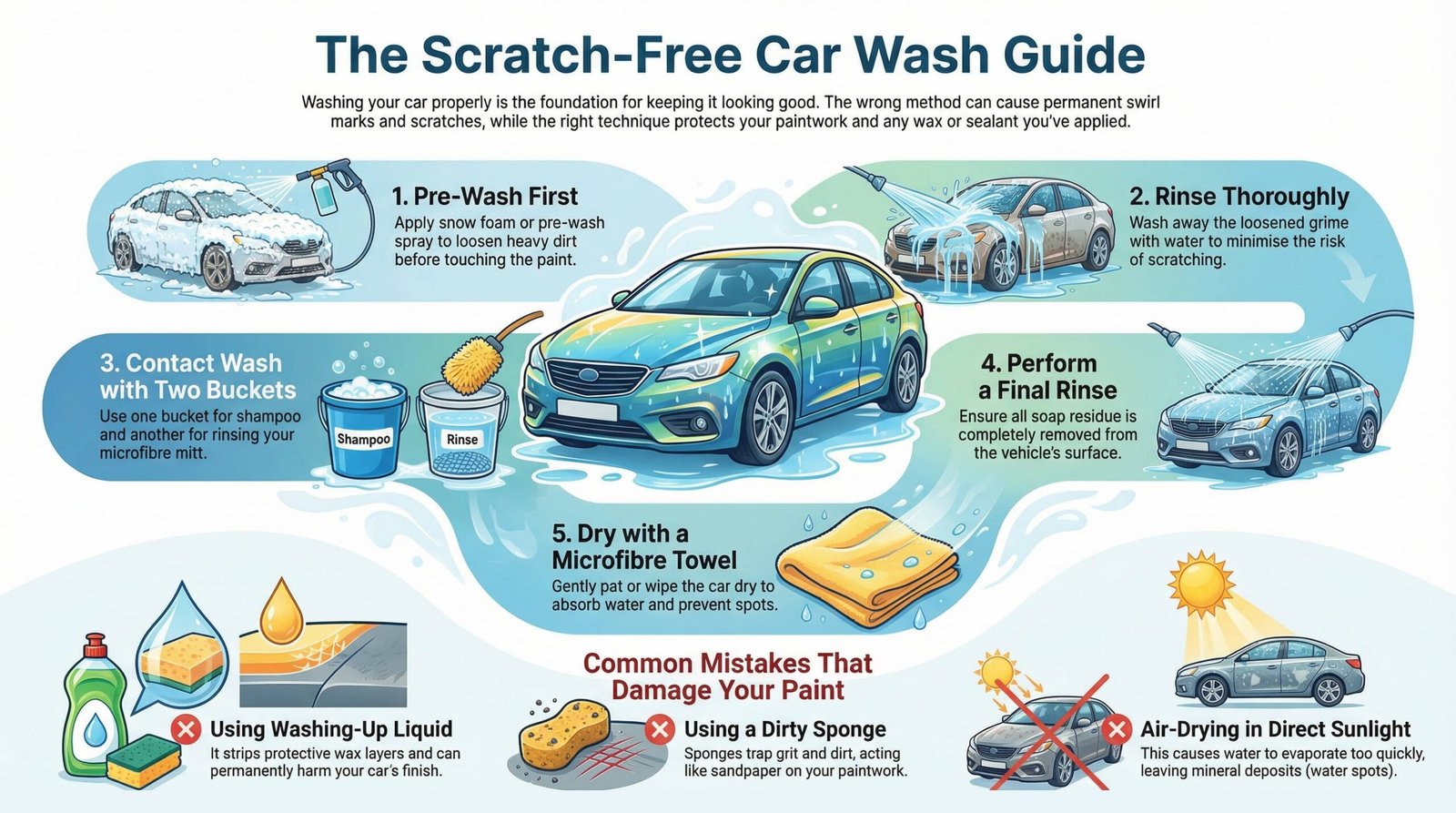
The biggest mistake people make is using washing-up liquid or household cleaners. These strip away protective layers and can damage paintwork over time. Proper car wash products are pH-balanced to clean safely without harming the finish. From our experience, investing in the right products here saves you money and effort down the line.
What You Actually Need to Wash Your Car
If you’re new to washing your own car, don’t overthink this — you can get great results with just a few basics.
Car Shampoo
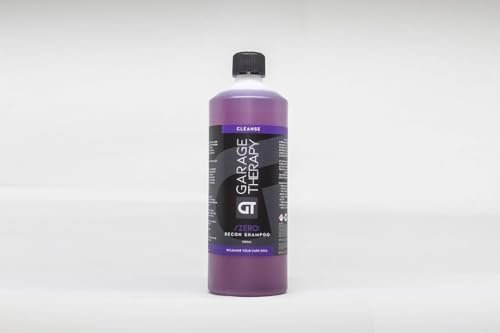
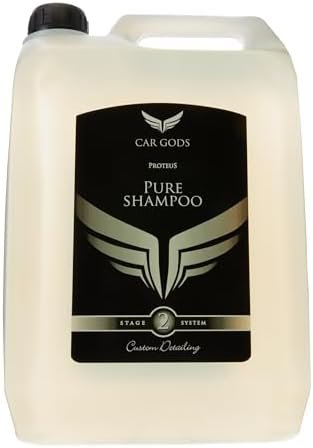
Car shampoo is what you use during the main contact wash. It’s designed to lift dirt safely whilst being gentle on paint, wax, and sealants. The key thing is pH balance. A neutral pH shampoo won’t strip protection, which is what you want for regular maintenance. We’ve found this is the product most people use week in, week out.
Snow Foam
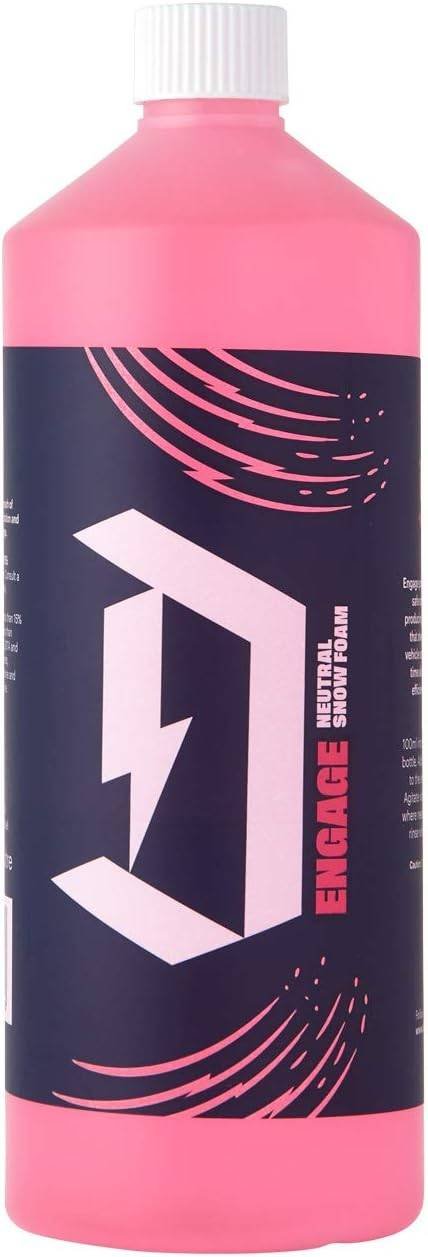
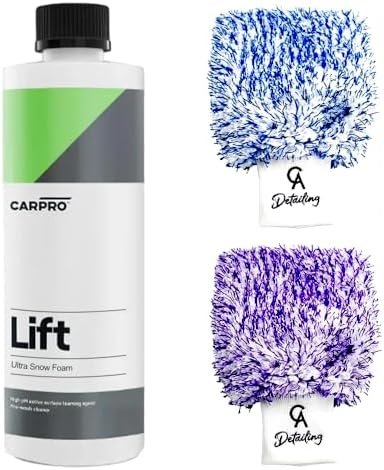
Snow foam is a pre-wash treatment that you apply before touching the car. It clings to the paintwork and loosens dirt, grime, and road film.
This isn’t a replacement for proper washing—it’s about reducing the risk of scratching when you do make contact. We regularly see people praise how much easier the main wash becomes after using snow foam, especially on heavily soiled cars.
Pre-Wash
Pre-wash products work similarly to snow foam but are often applied as a spray or trigger bottle solution. They break down stubborn contaminants like tar, bugs, and traffic film.
The main benefit is reducing the risk of marring. By dealing with the worst of the dirt before you touch the paint, you’re far less likely to drag particles across the surface. We tend to use these on lower panels and areas that get particularly mucky.
Buckets & Mitts
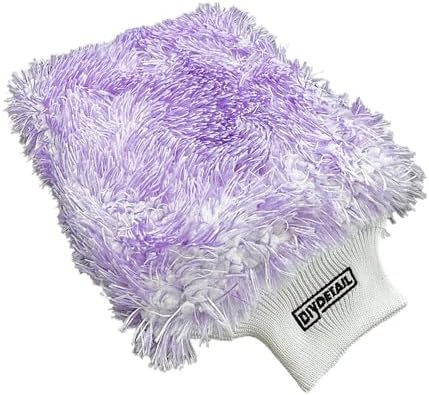
The tools you use matter just as much as the chemicals. A good wash mitt holds plenty of water and releases dirt easily when rinsed.
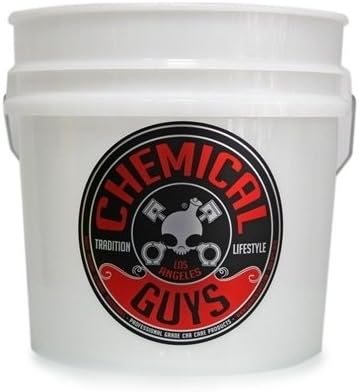
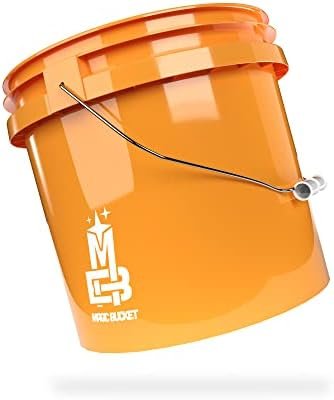
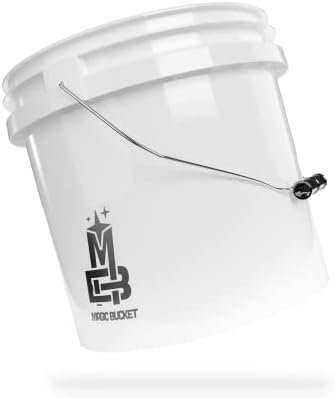
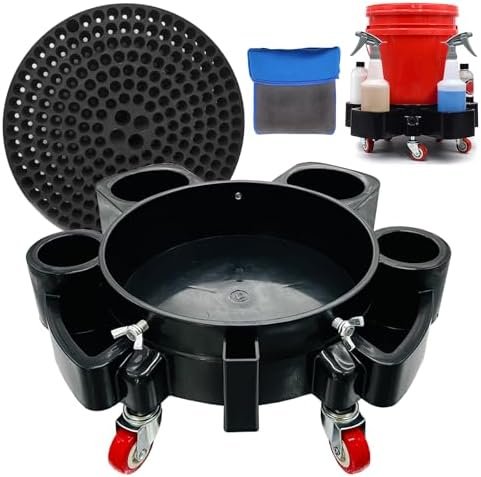
The two-bucket method is simple: one bucket with soapy water, one with clean rinse water. After each panel, rinse your mitt in the clean bucket before reloading with shampoo. This stops you from putting dirt straight back onto the paint.
What we see in reviews is that people who switch to microfibre mitts notice fewer scratches almost immediately.
→ View Buckets & Mitts Products
Drying Towels
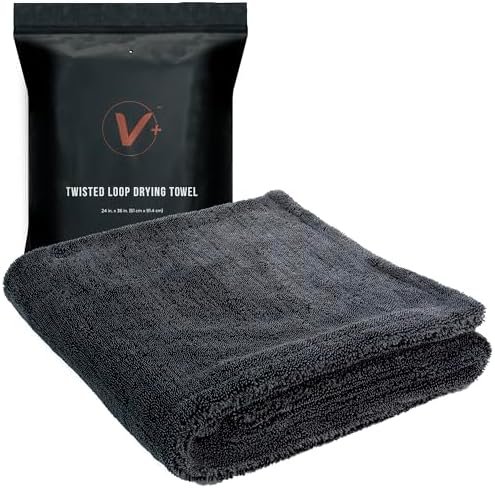
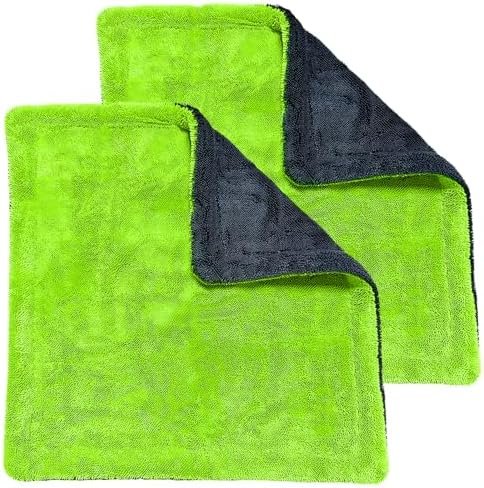
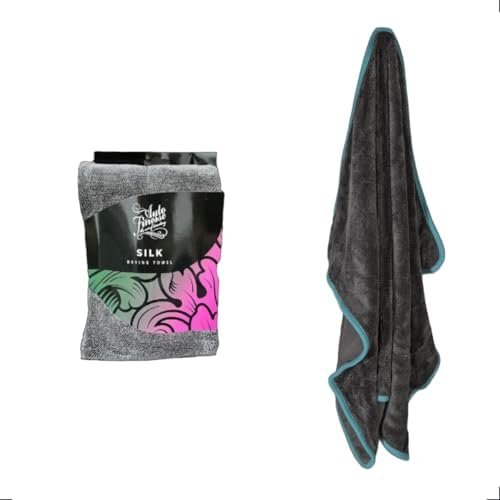
Leaving your car to air-dry can cause water spots, especially with hard water. Proper microfibre drying towels are super absorbent, so you don’t need to press hard or rub. We’ve found that absorbency matters more than pressure—a good towel does the work for you.
A common complaint we see is people using old towels that just push water around rather than soaking it up.
How to Choose the Right Wash Products
- For regular maintenance washes
If you’re washing weekly or fortnightly and the car isn’t too dirty, stick with a pH-neutral shampoo and a good mitt. Keep it simple. - For heavily soiled cars
Snow foam or pre-wash becomes much more useful here. We wouldn’t skip this step if the car’s covered in mud or hasn’t been washed in months. - For ceramic-coated or waxed vehicles
Check that your shampoo won’t strip the protection you’ve already applied. Most pH-neutral options are safe, but it’s worth reading the label. - For beginners building a simple setup
Start with two buckets, a microfibre mitt, a decent shampoo, and a drying towel. You can add snow foam or pre-wash later once you’ve got the basics down.
If you’re unsure, starting simple and adding products later is usually the safest approach.
Recommended Car Wash Order
- Pre-wash or snow foam
Apply to loosen dirt and grime. - Rinse thoroughly
Remove the loosened contamination before you touch the paint. - Contact wash using shampoo and mitts
Work panel by panel, rinsing your mitt between sections. - Final rinse
Make sure all shampoo is removed. - Dry using microfibre towels
Pat or gently wipe to avoid water spots.
Common Car Washing Mistakes to Avoid
- Using dish soap or household cleaners
These aren’t designed for car paint. They strip wax, dry out rubber seals, and can leave streaks. We’ve seen this mistake cause more damage than almost anything else. - Washing with dirty sponges or cloths
Old sponges trap grit and act like sandpaper on your paint. If your wash mitt is caked in dirt, bin it. - Skipping the pre-wash stage
Going straight in with a mitt on a filthy car is asking for fine scratches. A lot of users mention this is where they went wrong early on. - Letting the car air-dry in direct sunlight
Water evaporates too quickly and leaves mineral spots. We always dry in the shade or on a cloudy day. - Using too much pressure when drying
You don’t need to scrub. Let the towel soak up the water. The general consensus is that a light touch with a proper microfibre towel works better than rubbing hard with an old rag. - Washing in circular motions
Straight lines cause less visible marring if you do scratch the paint. Circles amplify any damage under certain light.
What to Do After Washing
Once your car’s clean and dry, that’s the perfect time to apply protection. Wax, sealant, or ceramic coatings all bond best to a properly washed surface. If you’re not planning to protect straight away, at least keep the car cleaner between washes. A quick spray-on detailer after rain or a short drive can prevent dirt from baking on.
For those looking to go further, washing is also the first step before polishing or paint correction. You can’t assess or improve the paintwork properly until it’s spotless.
FAQs
What's the difference between car shampoo and dish soap?
Car shampoo is pH neutral and won’t strip wax or sealants, while dish soap is designed to remove oils and can damage your paint protection.
How often should I wash my car?
Ideally every 1-2 weeks for regular use. More frequent washing (weekly) is recommended in winter months when roads are salted or in coastal areas with salt air.
Can I use car shampoo on ceramic coated cars?
Yes, but use a shampoo specifically designed for ceramic coatings. These formulas clean effectively without degrading the ceramic protection layer.
How much shampoo should I use per wash?
Typically 1-2 capfuls per bucket for a standard car. Always follow the manufacturer’s dilution recommendations for best results.
Related Insights and Articles
Explore More Categories
Discover more of our curated buying guides to continue your research.


