Wheel and Tyre Cleaning Products
Top Picks Worth Considering
Click through to check today's price and availability from trusted retailers.
- All brands
- 3D Car Care
- Adams Polishes
- Adeptx
- Adifare
- AngelWax
- Anttyscar
- Armor All
- AutoBead
- Autobrite Direct
- Auto Finesse
- Autoglym
- Bemece
- Bigbigjk
- Bilt Hamber
- CA Detailing
- Car Gods
- CarPlan
- CarPro
- Cerakote
- Chemical Guys
- CLSK9°
- CSL Shelby
- Diamondbrite
- Didilor
- DoitEasy
- Dr. Wack
- Duel Autocare
- EZ Detail
- Garage Therapy
- Generic
- Goeveo
- Goodyear
- Griot's Garage
- Gtechniq
- Gyeon
- iuiiaii
- Jennychem
- K2
- Kasauber
- Kazaigou
- Keyaye
- Koch Chemie
- lesasas
- Meguiar's
- Obdkcan
- Oiiurly
- Outigu
- P & S
- Pro-Kleen
- ShinyCar
- Simoniz
- SOFT99
- Sonax
- Sudz Budz
- Supagard
- Topaz
- Triplewax
- TUGA Chemie
- Turtle Wax
- Uraqt
- ValetPRO
- Viking
- Witpoce
- Xtremeauto
- YeewayVeh
- Zale Yardley
- Rating: High to Low
- Rating: Low to High
- Title: A → Z
- Title: Z → A
Wheel Cleaning - Why Wheels Need Different Care to Paint
Wheels take more abuse than almost any other part of the car. Brake dust, road grime, salt, and heat constantly hit them. Even well-maintained cars often have neglected wheels—and once brake dust stains the finish, it’s much harder to reverse.
Brake dust is the main culprit. It’s made up of tiny metal particles that embed into wheel finishes and won’t wash off with shampoo alone. Left unchecked, it can permanently stain lacquered or painted wheels.
In our experience, properly cleaned wheels make a greater visual impact than almost anything else. Even average paint looks better when the wheels are spotless. The key is using products made specifically for wheels, not leftovers from your wash bucket.
What You Actually Need to Clean Wheels Properly
You don’t need loads of products. You need the right cleaner, the right tools, and a way to keep the finish looking good once it’s clean.
Wheel Cleaners
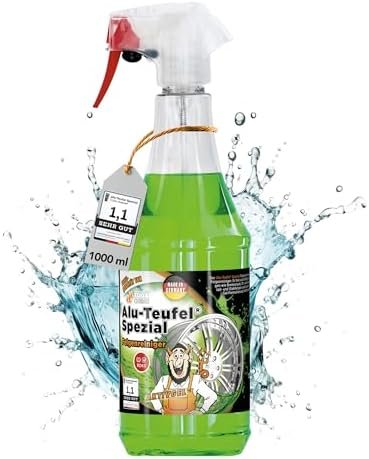
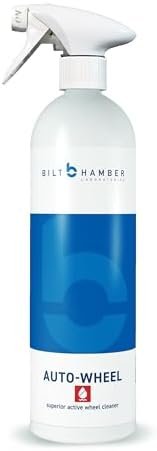
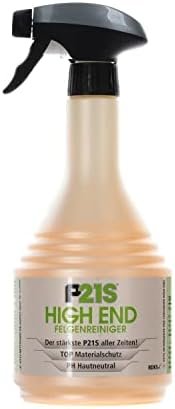
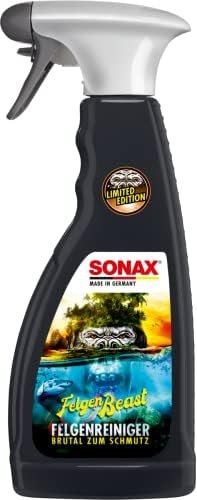
Wheel cleaners are designed to break down brake dust and road grime safely.
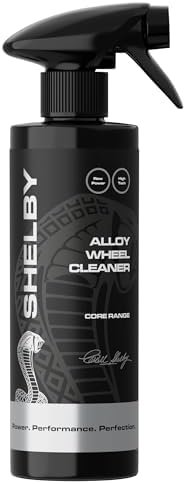
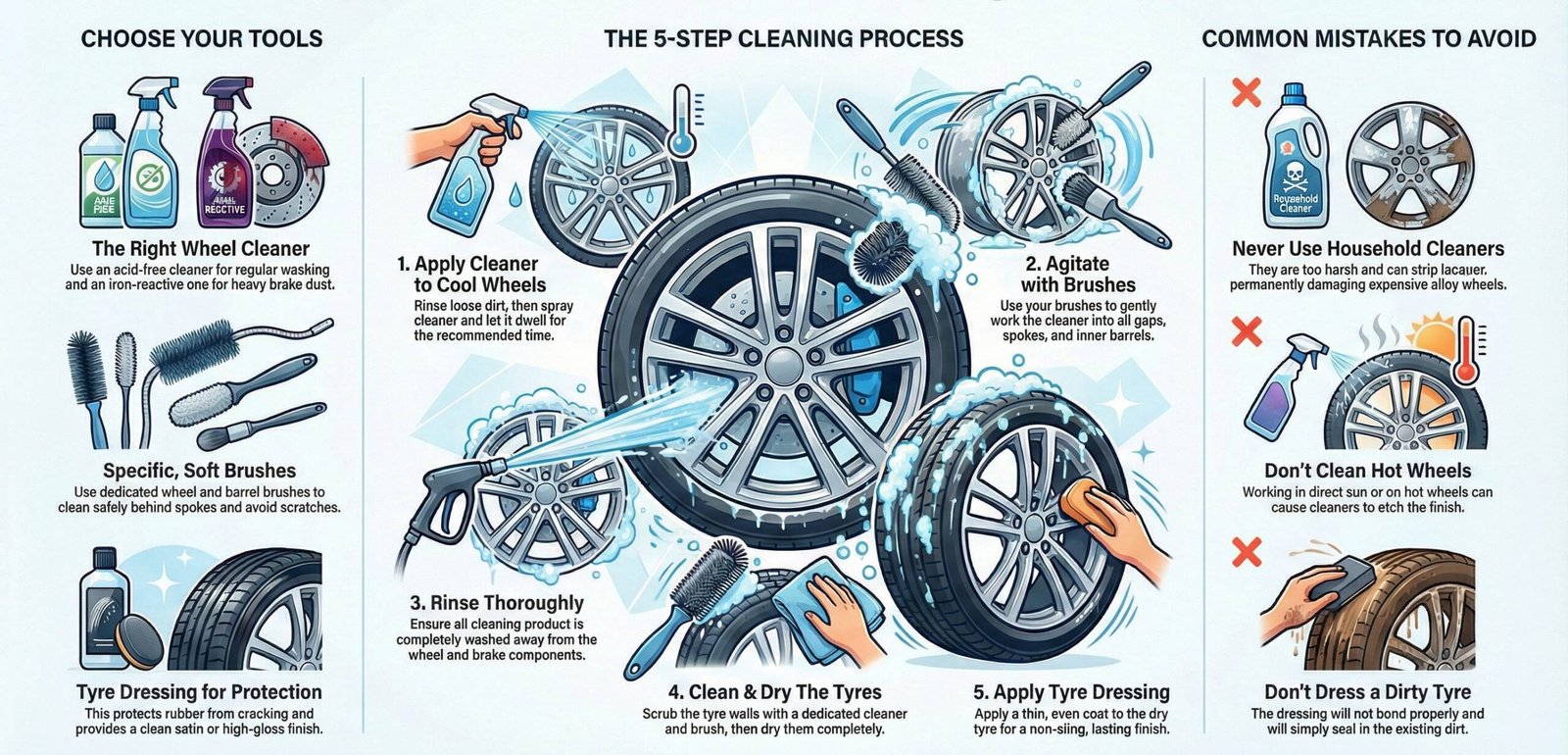
Acid-free wheel cleaners are the safest option for most people. They work on painted, lacquered, and diamond-cut wheels without damaging the finish when used properly.
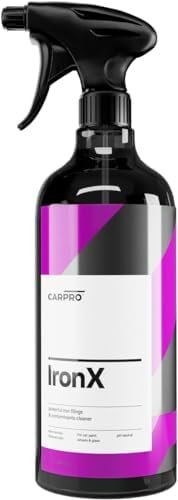
Iron-reactive wheel cleaners are best for heavy brake dust. They dissolve embedded metal particles instead of relying on scrubbing. The colour-change reaction is something many users mention, it makes it obvious the product is working.
Most people don’t need iron-reactive cleaners every wash, they’re best used periodically when brake dust is visibly embedded.
What we see in reviews is that people often go too strong, too often. Powerful cleaners work, but they should be used when needed, not every wash.
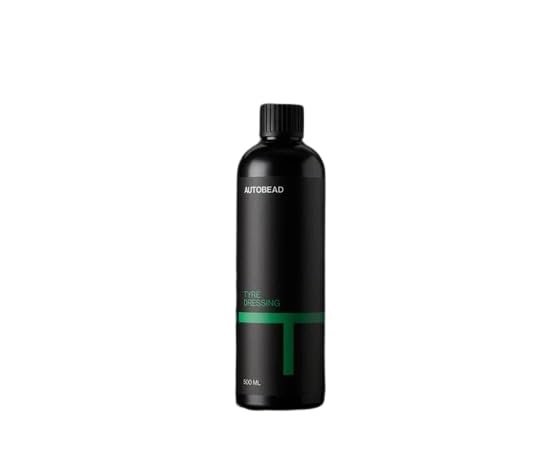
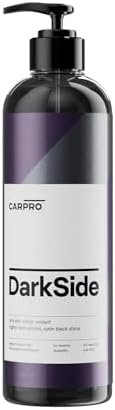
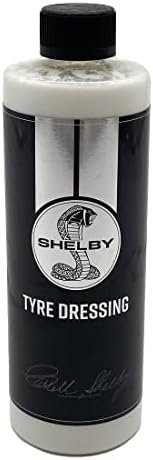
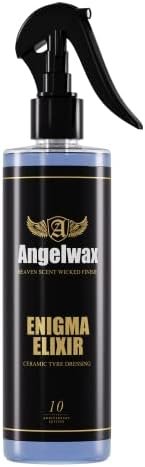
Tyre Dressings
Tyre dressings protect rubber as well as improve appearance. They help prevent tyres from drying out, fading, or cracking over time.
Glossy dressings give a wet-look finish. Satin or matte options look more natural. This comes down to preference.
Durability varies a lot. From our experience, tyre prep matters more than the dressing itself. Properly cleaning the tyre first helps any dressing last longer.
Sling is a common complaint in reviews. This usually comes from over-application. Thin, even coats work best.
Brushes & Tools
Wheels have tight spokes, deep barrels, and awkward gaps. You won’t clean them properly with a single sponge.
A good wheel brush reaches behind spokes safely. Barrel brushes clean the inside of the wheel where brake dust builds up most. Small detailing brushes are useful around wheel nuts and valve stems.
Material matters. Soft bristles or microfibre are safest. Cheap, stiff brushes are a common cause of scratches, especially on gloss-black and diamond-cut wheels, and we see this mentioned frequently in negative reviews.
Wheel Cleaning Kits
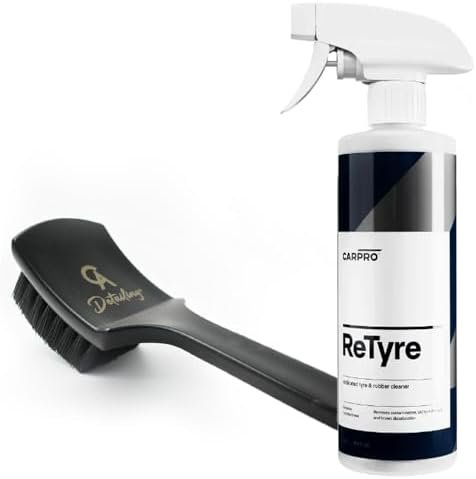
Wheel kits bundle cleaners, brushes, and sometimes tyre dressings together.
The main benefit is convenience. Everything is matched and ready to use, which suits beginners or anyone who wants a one-click solution.
The trade-off is flexibility. If you already own decent brushes or only need one product, buying separately is often better value.
How to Choose the Right Wheel Products
- For lightly soiled wheels
Acid-free wheel cleaner and a soft brush. - For heavy brake dust
Iron-reactive wheel cleaner, especially for inner barrels. - For diamond-cut or delicate finishes
Acid-free cleaners only, no aggressive chemicals. - For brown or faded tyres
Proper tyre cleaner before any dressing. - For beginners
Wheel cleaner, one good brush, and a satin tyre dressing.
If you’re unsure, start gentle. You can always step up strength if needed.
Recommended Wheel Cleaning Order
- Clean wheels before washing the car
This stops dirty water running onto clean paintwork. - Rinse thoroughly to remove loose dirt
Gets rid of surface grit that could scratch. - Apply wheel cleaner and allow to dwell
Give it time to break down brake dust properly. - Agitate with appropriate brushes
Work the cleaner into all the gaps and behind spokes. - Rinse completely
Make sure no cleaner is left on the wheel. - Clean tyres separately
Use a dedicated tyre brush and cleaner. - Dry and apply tyre dressing
Only once the tyre is completely clean and dry.
Common Wheel Cleaning Mistakes to Avoid
- Using household cleaners or degreasers
These are far too harsh. They’ll strip lacquer and damage finishes. We’ve seen people ruin expensive alloys this way. - Scrubbing with stiff or dirty brushes
Old brushes trap grit and act like sandpaper. If your brush feels rough, replace it. - Cleaning hot wheels or working in direct sunlight
Cleaners dry too quickly and can etch into the finish. Always work on cool wheels in the shade. - Overusing strong wheel cleaners
Iron-reactive cleaners are brilliant for heavy jobs, but using them every week is overkill. Save them for when you actually need them. - Applying tyre dressing to dirty rubber
The dressing just seals in the dirt and won’t last. A lot of users mention this as the reason their dressing doesn’t stick properly.
What to Do After Cleaning Wheels
Protecting wheels makes future cleaning much easier. Wheel sealants or ceramic wheel coatings reduce how strongly brake dust bonds to the surface.
From our experience, protected wheels rinse cleaner and need far less scrubbing. Once wheels are properly cleaned, protection becomes a lot more appealing, especially if you want to reduce how often you need strong cleaners.
Even without dedicated protection, regular gentle cleaning prevents staining and keeps finishes looking better for longer.
FAQs
How often should I clean my wheels?
Ideally every 1-2 weeks, or more frequently if you drive in wet conditions or areas with heavy brake dust. Regular cleaning prevents brake dust from bonding to wheel surfaces.
Can I use wheel cleaner on painted wheels?
Yes, but use pH-balanced, non-acidic cleaners specifically designed for painted finishes. Avoid aggressive acid-based cleaners that can damage paint.
What's the difference between wheel cleaners and tyre dressings?
Wheel cleaners remove brake dust and grime from wheel surfaces. Tyre dressings are applied after cleaning to protect and enhance the appearance of tyre sidewalls.
Do I need special brushes for wheel cleaning?
Yes, dedicated wheel brushes are softer and safer than standard brushes. They’re designed to clean without scratching wheel finishes, especially important for alloy and painted wheels.
Can wheel cleaner damage my brakes?
Quality wheel cleaners are designed to be brake-safe. However, avoid getting cleaner directly into brake components and always rinse thoroughly to remove all residue.
Related Insights and Articles
Explore More Categories
Discover more of our curated buying guides to continue your research.


