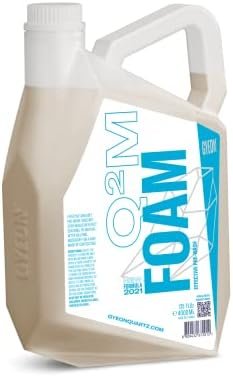
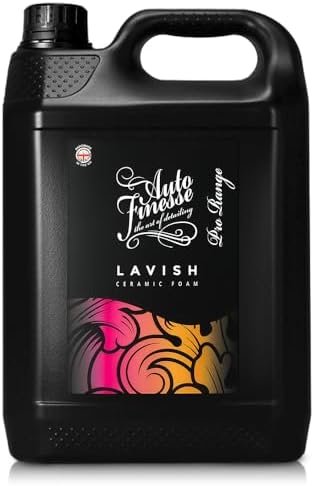
Snow Foam for Safer, Touchless Pre-Washing
Top Picks Worth Considering
Click through to check today's price and availability from trusted retailers.
- All brands
- Adams Polishes
- Armor All
- AutoBead
- Autobrite Direct
- Auto Finesse
- Autoglym
- Bilt Hamber
- Carbon Collective
- CarPlan
- CarPro
- Chemical Guys
- Diamondbrite
- Duel Autocare
- Gtechniq
- Gyeon
- Jennychem
- Koch Chemie
- Kärcher
- Meguiar's
- Muc-Off
- P & S
- Pro-Kleen
- Sonax
- Rating: High to Low
- Rating: Low to High
- Title: A → Z
- Title: Z → A
FAQs
Does snow foam actually work?
Yes, snow foam works, but not in the way most people expect. It doesn’t clean the car on its own. What it does is loosen surface dirt and soften bonded contamination so that when you rinse it off, you’re removing grime before you touch the paint with a mitt. From our experience, the biggest benefit is reducing the risk of scratching during the contact wash rather than creating a sparkling finish by itself. The effectiveness depends entirely on dwell time and how dirty the car is. On a lightly soiled car, snow foam removes enough loose dirt to make the main wash safer. On a heavily contaminated car, it softens the worst of it but won’t shift tar, baked-on grime, or road film completely. If you’re expecting it to replace hand washing, you’ll be disappointed. If you’re using it to prepare the surface and reduce friction, it absolutely works.
Do you wet a car before snow foam?
Yes, you should rinse the car with water before applying snow foam. A quick rinse removes loose dirt, dust, and larger particles that would otherwise just sit under the foam. This means the snow foam can focus on the bonded contamination rather than wasting time on stuff that rinses away easily. We’ve found that skipping the pre-rinse doesn’t ruin the process, but it does mean you’re not getting the most out of the product. The foam works better when it’s clinging to a wet surface rather than dry dirt. It also helps the foam spread more evenly and prevents it from drying too quickly in warm weather.
How long should you let snow foam sit on your car?
Five to ten minutes is the sweet spot for most snow foams. This gives the product enough time to cling to the dirt and break down surface contamination without drying on the paint. From our experience, foam left too long starts to dry, especially in direct sunlight or warm weather, which can leave streaks or residue that’s harder to rinse away. If the car’s only lightly dirty, you can rinse after three to five minutes. For heavily soiled vehicles, you might push towards ten minutes, but keep an eye on the foam. If it’s starting to look dry or patchy, rinse it off immediately. Working in the shade and on cool panels helps the foam stay wet longer and work more effectively.
Do I need a pressure washer for snow foam?
Technically yes, if you want it to work properly. Snow foam is designed to be applied through a foam lance attached to a pressure washer, which creates the thick foam and helps it cling to vertical panels. Without a pressure washer, you can use a pump sprayer or foam gun, but the foam won’t be as thick or consistent, and it tends to slide off more quickly. The main issue is coverage and dwell time. Thinner foam from a hand pump doesn’t cling as well, which reduces how long it stays on the surface and means it won’t loosen as much dirt. If you’re working without a pressure washer, a dedicated pre-wash spray applied with a trigger bottle might actually work better than trying to foam with a pump. It’s designed for that application method and will give you more reliable results.
Is snow foam just a pre-wash?
Yes, snow foam is a type of pre-wash product. The terms get used interchangeably, but snow foam specifically refers to products designed to be applied as thick foam through a pressure washer lance. Pre-wash is the broader category that includes foams, sprays, and other products used before the contact wash. The confusion comes from marketing. Some brands call their products “snow foam” even when they’re just standard pre-wash sprays, and some pre-wash products foam up when applied. What matters is the function, not the name. Both are designed to loosen dirt before you touch the paint, which is the important part. If you see “pre-wash” and “snow foam” as the same stage in the wash process, you’re thinking about it correctly.
Does snow foam damage paint?
No, snow foam doesn't damage paint when used correctly. It's designed to sit on the surface and work on dirt without affecting the clear coat. The main risk is letting it dry on the paint, especially in direct sunlight. Dried foam can leave residue or streaks, and in extreme cases, it can etch into the clear coat if it's left for too long in hot conditions. The other potential issue is using aggressive foam formulas too often. Stronger, citrus-based foams can weaken wax or sealant if you're using them every wash. They're not damaging the paint itself, but they are stripping protection. For regular maintenance washing, stick with pH-neutral foams that won't affect any coatings or wax you've applied. Save the heavy-duty stuff for when the car's genuinely filthy.
Can any car shampoo be used as snow foam?
Technically you can, but it won't work as well. Car shampoos aren't designed to cling to vertical surfaces or dwell for several minutes like dedicated snow foam products. They're formulated to be rinsed away quickly during a contact wash, so they tend to slide off the paint rather than staying put and working on the dirt. We've seen people dilute shampoo and run it through a foam lance in a pinch, and it does create foam, but the performance isn't the same. The foam is thinner, it doesn't cling as long, and it doesn't have the same dirt-loosening properties. If you're already investing in a pressure washer and foam lance, it's worth using an actual snow foam product. The difference in cling time and coverage makes it more effective for the pre-wash stage.
What can you use instead of snow foam?
A dedicated pre-wash spray is the closest alternative. These products are designed to be applied with a trigger bottle, left to dwell, and rinsed away before the main wash. They don't foam up like snow foam, but they serve the same purpose of loosening dirt before you touch the paint. From our experience, a good pre-wash spray works just as well as snow foam if you don't have a pressure washer. You could also use a citrus-based degreaser diluted properly, but be careful with these on protected cars. They're stronger and can strip wax or sealant if used too often. Some people skip the pre-wash stage entirely and just rinse thoroughly before washing, but this increases the risk of scratching because you're relying on the shampoo stage to shift dirt that's still bonded to the surface. If wash safety matters to you, a pre-wash product of some kind is worth using.
Related Insights and Articles
Explore More Categories
Discover more of our curated buying guides to continue your research.


