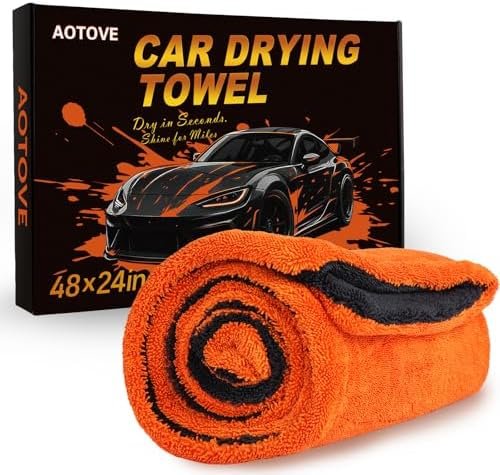
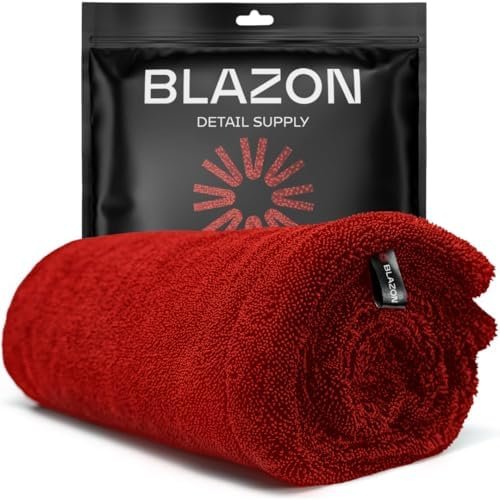
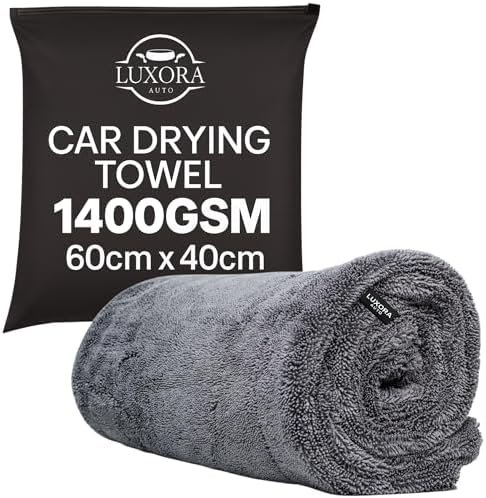
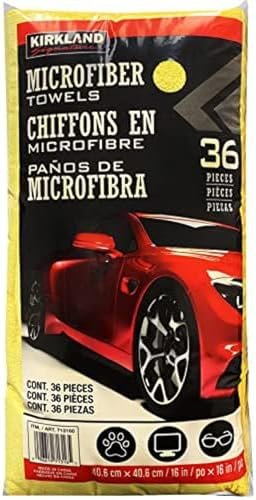
Drying Towels for Scratch-Free Car Drying
Top Picks Worth Considering
Click through to check today's price and availability from trusted retailers.
- All brands
- Adams Polishes
- Aotove
- Armor All
- Auto Finesse
- Autoglym
- Beyond Braid
- Bilt Hamber
- Blazon
- Car Gods
- Carmax
- CarPro
- Cerakote
- Chemical Guys
- diy detail
- Duel Autocare
- Griot's Garage
- Gyeon
- Hydro
- Ifwind
- Kirkland
- Kkv
- Luxora Auto
- McKillans
- Shimeyao
- Singrune
- Sminder
- Supagard
- The House Of Rags
- Towelogy
- Viking
- YeewayVeh
- Rating: High to Low
- Rating: Low to High
- Title: A → Z
- Title: Z → A
FAQs
Can you reuse car drying towels?
Yes, you can reuse car drying towels as long as you wash them properly between uses. The key is removing all dirt and grit that’s been trapped in the fibres during drying. We wash our towels separately from regular laundry using a microfibre-safe detergent, and we never use fabric softener because it clogs the fibres and kills absorbency. A well-maintained drying towel can last for years if you care for it correctly. After each use, rinse out any visible dirt, then machine wash on a gentle cycle with warm water. Let them air dry or tumble dry on low heat. If a towel starts to feel rough or loses its absorbency, it’s time to replace it. Using a degraded towel is how people end up scratching paint they’ve just cleaned.
Which is better, chamois or microfibre?
Microfibre is better for most people. Chamois can work well in experienced hands, but they’re less forgiving and harder to maintain. Traditional chamois leather needs to stay damp between uses and can scratch paint if grit gets trapped in the surface. Synthetic chamois are more practical but still don’t absorb as much water as a good microfibre towel. From our experience, microfibre drying towels are safer, more absorbent, and easier to care for. They release trapped dirt more effectively when washed, and they don’t require the same level of technique to use safely. If you’re already confident with a chamois, there’s no need to switch, but for beginners or anyone looking for the safest option, microfibre is the better choice.
How to properly wash a car drying towel?
Wash drying towels separately from your regular laundry to avoid cross-contamination with lint, dirt, or fabric softener residue. Use a microfibre-safe detergent and run a warm wash on a gentle cycle. Never use fabric softener or bleach, both of these clog the fibres and destroy the towel’s absorbency. After washing, either air dry the towels or tumble dry on low heat. High heat can damage the microfibre and reduce its effectiveness. We’ve found that giving towels a quick shake before drying helps restore the pile. If your towels feel stiff or aren’t absorbing water like they used to, they’ve either been washed with fabric softener or they’ve reached the end of their useful life.
What is the best way to dry out a wet car?
Work panel by panel using a plush microfibre drying towel, and let the towel do the work rather than applying pressure. Lay the towel flat on the surface and gently pull it across the panel, allowing the fibres to soak up water through contact alone. Don’t rub or press hard, this increases friction and causes marring. Start from the top of the car and work down, as the lower panels are usually dirtier. We tend to use one towel for the upper bodywork and a separate one for the lower panels and wheels. If you’re working in direct sunlight, dry quickly to prevent water spots from forming. Working in the shade or on a cloudy day gives you more time and reduces the risk of mineral deposits etching into the paint.
What towels are best for not scratching cars?
Plush microfibre drying towels with a high pile are the safest option. The thick, soft pile absorbs water without needing pressure, which reduces friction and keeps scratching risk to a minimum. Look for towels with a GSM (grams per square metre) of at least 400 for bodywork, higher is generally better for absorbency and safety. What matters most isn’t just the towel itself, it’s also how clean you keep it. Even the softest microfibre towel will scratch paint if it’s got grit trapped in the fibres. We wash our drying towels after every use and inspect them regularly for any rough patches or embedded debris. If a towel feels rough or stiff, don’t use it on paint.
How do professional car washes dry cars?
Most professional car washes use a combination of forced air blowers and microfibre towels. The air blowers remove the bulk of the water quickly, especially from hard-to-reach areas like mirrors, door handles, and panel gaps. Staff then follow up with microfibre towels to finish the job and catch any remaining water. Some higher-end detailing services use dedicated drying aids, these are spray products that increase lubrication and help water sheet off more easily. This reduces the friction even further when using a towel. We've found that blowers are particularly useful for preventing water from dripping out of crevices after you've dried the main panels, which is a common cause of streaks and spots that reappear minutes after drying.
What are the disadvantages of microfibre towels?
The main disadvantage is that microfibre towels require proper care to stay effective. If you wash them with fabric softener, use high heat, or mix them with regular laundry, they lose absorbency and can become scratchy. They also degrade faster than some people expect if they're used on very dirty surfaces without being cleaned between uses. Cost can be another factor. Good-quality microfibre drying towels aren't expensive compared to the damage they prevent, but they do cost more upfront than using an old bath towel. Some people also find that microfibre towels feel heavy when fully saturated, which can be tiring during longer drying sessions. Despite these minor drawbacks, they're still the safest and most effective option for drying cars.
Related Insights and Articles
Explore More Categories
Discover more of our curated buying guides to continue your research.


