How Odour Removal Eliminates Contamination, Not Just Smells
Interior smells usually point to trapped contamination. Odours don’t appear on their own—they’re symptoms of something that needs addressing, whether that’s spilled liquids, pet accidents, mould, or bacterial buildup.
Masking smells with air fresheners rarely fixes the problem. The fragrance sits on top of the odour temporarily, but the source remains underneath. Once the scent fades, the original smell returns. From our experience, effective odour removal starts with finding and eliminating the cause, not just covering it up.
Moisture is the main culprit. Damp carpets, wet upholstery, or water trapped under floor mats create the perfect environment for bacteria and mildew. These grow slowly, releasing odours that build over time. By the point you notice the smell, the contamination is often well established.
What Odour Removal Products Are (and Aren’t)
Odour removal products neutralise or eliminate odour-causing sources at a molecular level. They don’t just add fragrance—they break down or absorb the compounds responsible for the smell.
These products aren’t magic. They work on organic odours like food, pets, sweat, and mildew, but they can’t do much about smells coming from mechanical issues like fuel leaks or exhaust fumes. If the smell is chemical or coming from outside the cabin, odour products won’t help.
True odour removal also requires cleaning first. If you spray a neutraliser over a stain or soiled fabric, you’re treating the symptom without addressing the dirt underneath. The smell might fade temporarily, but it’ll return once the product wears off.
Odour Removal Product Types (Where It Matters)
-
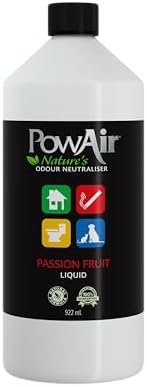
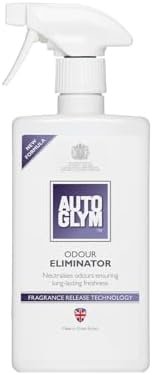
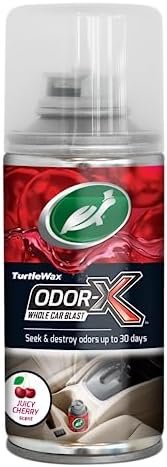
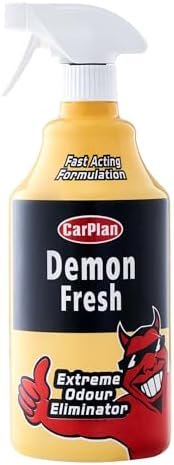
Odour Neutralisers
- Neutralisers break down odour molecules chemically. They don’t mask smells, they eliminate them by altering the structure of the compounds causing the odour.
- This approach works well on organic odours that have already soaked into fabrics or carpets. Neutralisers are usually sprayed onto the affected area and left to dry, giving them time to work through the material. From what we see in user reviews, enzyme-based neutralisers get consistent praise for dealing with pet accidents and spills that have set in.
- The limitation is freshness. Neutralisers remove bad smells but don’t usually add pleasant ones. If you want the interior to smell clean rather than just neutral, you’ll need a separate product afterwards.
-
Absorbers
- Absorbers trap lingering smells rather than breaking them down. Products like activated charcoal or odour-absorbing gels sit in the cabin and pull odour molecules out of the air over time.
- These work best for general mustiness or smells that don’t have a specific source you can clean. If the car just smells stale from being closed up, an absorber can help freshen the air without adding artificial fragrance.
- The general consensus is that absorbers are useful for maintenance, not for fixing serious odour problems. They handle light smells but won’t eliminate strong contamination on their own.
How to Choose the Right Odour Removal Solution
- For spills and stains
Clean the affected area thoroughly first, then use an enzyme-based neutraliser to break down any remaining odour in the fabric. Absorbers won’t help here—you need to treat the source directly.
- For pet accidents
Neutralisers designed for pet odours work best. These are formulated to break down uric acid and other compounds that standard cleaners leave behind.
- For general mustiness or stale air
An odour absorber placed in the cabin handles this without adding fragrance. Replace or refresh it regularly for ongoing freshness.
- For cigarette smoke
This is one of the hardest smells to remove because it penetrates fabrics, plastics, and ventilation systems. Deep cleaning of all surfaces followed by a strong neutraliser gives the best chance, but expectations need to be realistic.
- If you’re not sure where the smell is coming from
Check under floor mats, in the boot, and around door seals for damp patches or hidden spills. Odour removal only works if you’re treating the right area.
Common Odour Removal Mistakes to Avoid
- Using air fresheners or fragrance sprays instead of cleaning
This is the mistake we see most often. Air fresheners mask smells temporarily but don’t remove the source. The odour always returns once the scent fades.
- Ignoring damp areas
Moisture is almost always involved in persistent interior odours. If carpets or upholstery feel damp, dry them completely before applying any odour product. Treating wet fabric locks the smell in rather than removing it.
- Not allowing neutralisers time to work
Enzyme-based products need time to break down odour molecules. Wiping or vacuuming too soon stops the process before it’s finished. Follow the product instructions and give it the time it needs.
- Over-saturating fabrics
More product doesn’t mean better results. Over-wetting fabrics can push contamination deeper or create new moisture problems. Light, even coverage works better than soaking.
- Expecting instant results on severe odours
If the smell has been building for weeks or months, one treatment rarely fixes it completely. Multiple applications, combined with thorough cleaning, usually deliver better results.
What to Do After Odour Treatment
- Dry the interior thoroughly
Any remaining moisture will slow down odour removal or even create new smells. Open doors and windows, use fans if needed, and make sure carpets and upholstery are completely dry before closing the car.
- Improve ventilation
Running the ventilation system with windows open helps clear stale air from the cabin. Check that the cabin air filter isn’t blocked or dirty—this can hold odours and recirculate them.
- Monitor for returning smells
If the odour comes back after a few days, the source hasn’t been fully addressed. This usually means cleaning wasn’t thorough enough or there’s hidden contamination you’ve missed.
Odour removal starts with cleaning, not fragrance. Neutralisers and absorbers only work properly when the contamination causing the smell has been lifted or dried out first.
FAQs
How to remove bad smell from car?
Start by finding the source rather than just masking the odour. Check under floor mats, in the boot, and around door seals for damp patches, hidden spills, or trapped debris. If you can’t locate the source, the smell will return no matter what product you use. Once you’ve found and cleaned the contaminated area, use an enzyme-based odour neutraliser to break down any remaining smell molecules in the fabric or carpet. Give it time to work, usually several hours or overnight, then ventilate the cabin thoroughly. Air fresheners might be tempting, but they just cover the problem temporarily rather than eliminating it.
What is the best odor eliminator for cars?
Enzyme-based neutralisers work best for organic odours like food, pet accidents, or mildew. They break down the compounds causing the smell rather than just masking them with fragrance. For general mustiness or stale air, activated charcoal or odour-absorbing gels placed in the cabin pull smells out of the air over time without adding artificial scent. The most effective solution depends on what’s causing the odour. Strong smells from specific sources need direct treatment with a neutraliser, while light staleness responds well to passive absorbers. Avoid relying on air fresheners alone, they might smell pleasant initially, but the underlying odour always returns once the fragrance fades.
Will the smell of cigarettes go away in a car?
Cigarette smoke is one of the hardest smells to remove because it penetrates fabrics, plastics, headlining, and ventilation systems. It won’t go away on its own, you’ll need to deep clean all interior surfaces, treat fabrics with a strong odour neutraliser, and clean or replace the cabin air filter. Even with thorough treatment, some residual smell often lingers because smoke particles settle into areas that are difficult to access and clean properly. Multiple treatments combined with extended ventilation give the best chance of success, but expectations need to be realistic. It’s a process that takes time and persistence rather than a quick fix.
What do car dealerships use to deodorise a car?
Dealerships often use ozone generators to neutralise odours at a molecular level. The ozone reacts with odour-causing compounds and breaks them down, which is effective for stubborn smells that cleaning alone doesn’t shift. However, ozone treatment requires the car to be unoccupied for several hours and needs proper ventilation afterwards. For routine deodorising, they use enzyme-based neutralisers on fabrics and carpets, followed by a light application of air freshener to leave a fresh scent. The key difference is that they address contamination first through cleaning, then use deodorising products rather than relying on fragrance to cover up the smell.
How long to leave baking soda in the car?
For odour absorption, leaving baking soda sprinkled on carpets and seats overnight or for 12 to 24 hours gives it enough time to pull moisture and smells from the fabric. Longer doesn’t necessarily work better, once it’s absorbed what it can, additional time won’t make much difference. The bigger issue is thorough removal. Baking soda needs to be vacuumed out completely, and it can leave a white residue in carpet pile if you don’t extract it properly. From our experience, it’s useful for light odour control between proper cleans, but it’s not a substitute for actually cleaning contaminated areas and treating them with a proper neutraliser.
What is the most powerful odor eliminator?
Enzyme-based neutralisers designed for severe organic contamination are generally the most effective for stubborn smells. They break down proteins and organic compounds at a molecular level, which eliminates the odour rather than just covering it. Products formulated for pet urine or decomposition tend to be the strongest, as they're designed to handle the worst-case scenarios. Ozone generators are also very powerful but require professional use and proper ventilation. They're not something most people can or should use at home, as ozone can damage materials and is harmful if inhaled. For DIY odour removal, a strong enzyme neutraliser combined with thorough cleaning and drying is your best approach.
How do dealers get cars to smell new?
The "new car smell" dealerships create isn't actually natural, it's a combination of thorough cleaning, deodorising, and often a specifically formulated air freshener designed to mimic that scent. The real work happens in the deep clean that removes any existing odours first. They vacuum and clean all surfaces, treat fabrics with odour neutralisers if needed, replace the cabin air filter, and make sure the interior is completely dry before applying any scent. The fresh smell only works because there's no underlying odour competing with it. Trying to achieve that smell without addressing contamination first just results in mixed odours that smell worse than either on its own.