How Leather Care Maintains Flexibility and Prevents Cracking
Leather in modern cars is almost always coated with a protective layer. It’s not raw hide—it’s treated, sealed, and designed to resist daily wear. But that coating still needs maintenance to stay flexible and prevent cracking.
Oils from skin, sweat, and dirt accelerate wear on leather surfaces. These contaminants work their way into seams and grain over time, breaking down the protective layer. Once that happens, the leather underneath becomes vulnerable to drying and cracking. From our experience, gentle, regular cleaning prevents this kind of deterioration before it becomes irreversible.
Neglected leather also feels tired. Surfaces lose suppleness, develop a dull appearance, and show cracks around high-contact areas like the driver’s seat bolster. Proper leather care keeps these surfaces feeling comfortable and looking well-maintained, which matters for both daily use and resale value.
What Leather Care Products Are (and Aren’t)
Leather care products clean coated leather and restore suppleness without damaging the protective seal. They’re designed to work with modern automotive leather, not untreated or vintage hide.
These products don’t repair cracks or fix deep damage. If the leather is already split or the coating has failed, a cleaner and conditioner won’t reverse it. What they do is maintain healthy leather and slow down further deterioration.
Over-conditioning causes its own problems. Too much product sits on the surface, attracts dirt, and can leave a greasy feel. Light, regular applications work better than heavy treatments. What stands out in user reviews is frustration from people who’ve applied too much and ended up with sticky seats.
Leather Care Product Types (Where It Matters)
-
Leather Cleaners
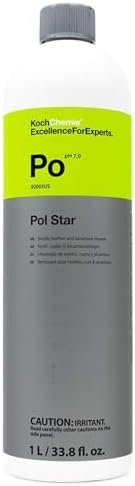
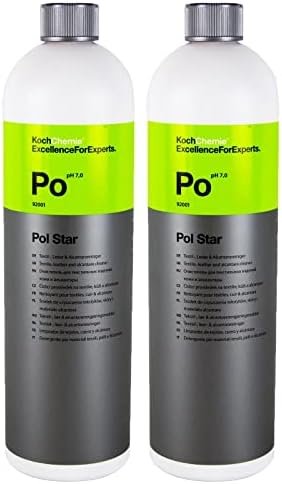
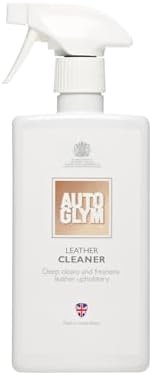
- Leather cleaners remove surface dirt, oils, and grime from coated leather. They’re pH-balanced to clean effectively without stripping the protective layer or drying out the material.
- This is the foundation of leather care. If you’re not cleaning regularly, any conditioner you apply just sits on top of dirt and doesn’t reach the leather itself. From what we see in user feedback, people who clean before conditioning report better long-term results and less product buildup.
- The key is using a product designed for automotive leather. Household cleaners or harsh degreasers strip the protective coating and leave leather vulnerable.
-
Leather Conditioners / Protectants
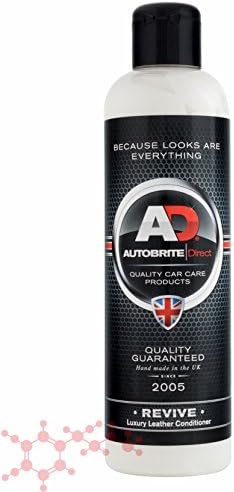
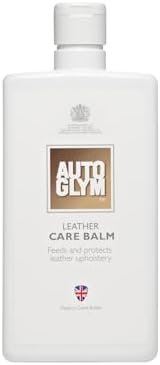
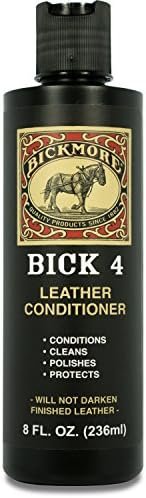
- Conditioners restore suppleness and add a protective layer to cleaned leather. They’re designed to keep the material flexible and prevent it from drying out over time.
- Modern conditioners are lighter than old-fashioned leather treatments. They absorb into the coating rather than sitting on the surface, which reduces the greasy feel and dirt attraction. The general consensus is that less is more, light conditioning every few months maintains leather better than heavy applications once a year.
- Some products combine cleaning and conditioning in one step. These work for light maintenance, but heavily soiled leather usually needs a dedicated cleaner first.
How to Choose the Right Leather Care Product
- For regular maintenance
A mild leather cleaner used every few weeks keeps surfaces fresh without needing heavy conditioning. Follow up with light protection every couple of months.
- For neglected or heavily soiled leather
Start with a dedicated leather cleaner to remove built-up grime. Once clean, assess whether the leather feels dry or stiff—if it does, a light conditioner helps restore flexibility.
- For lightly used or newer leather
Cleaning alone is often enough. Over-conditioning new leather can leave it feeling greasy and attract more dirt than it prevents.
- For high-contact areas like driver’s seats
These surfaces wear faster and benefit from slightly more frequent cleaning. Light conditioning helps maintain flexibility around bolsters and seams.
- If you’re unsure
Start with a cleaner and see how the leather feels afterwards. If it’s supple and comfortable, you don’t need conditioner yet. If it feels dry or stiff, apply a light layer and reassess in a few weeks.
Common Leather Care Mistakes to Avoid
- Using harsh cleaners or household products
This is one of the most common mistakes we see. Aggressive degreasers, all-purpose cleaners, or even washing-up liquid strip the protective coating and dry out leather. Stick to products specifically designed for automotive leather.
- Over-saturating leather with water or product
Leather should be cleaned damp, not wet. Excessive moisture soaks into seams and cushion padding, leading to long drying times and potential mildew issues.
- Conditioning too frequently or applying too much
More product doesn’t mean better protection. Over-conditioned leather feels greasy, attracts dust, and can transfer onto clothing. A thin, even layer every few months is enough for most cars.
- Skipping the cleaning step
Conditioner applied over dirty leather seals grime into the surface rather than nourishing it. Always clean first, even if the leather doesn’t look obviously soiled.
- Using products designed for furniture or bags
Automotive leather is different from other types. Products meant for handbags or sofas often contain oils or waxes that don’t suit coated car leather and can leave unwanted residue.
What to Do After Leather Care
- Buff away excess product
Even after conditioning, a quick wipe with a clean microfibre cloth removes any surface residue and leaves a more natural finish. Excess product attracts dirt and feels sticky.
- Allow surfaces to breathe before heavy use
Give conditioner a few minutes to absorb before sitting on treated seats. This prevents product transfer onto clothing and lets the leather settle properly.
- Check high-contact areas regularly
Driver’s seat bolsters, steering wheels, and gear selectors wear faster. Inspect these spots more often and clean them before dirt becomes ground in.
Leather care preserves what’s there—it doesn’t reverse damage. Light, regular cleaning with occasional conditioning keeps coated leather flexible and comfortable without creating buildup or greasy residue.
FAQs
What is the best thing to clean leather in a car?
A pH-balanced leather cleaner designed for automotive use is the safest and most effective option. These are formulated to work with the protective coating on modern car leather without stripping it or leaving residue. Apply with a lightly dampened microfibre cloth, work in small sections, and wipe clean before the product dries. Avoid household cleaners, washing-up liquid, or furniture leather products. They’re not designed for coated automotive leather and can strip the protective layer, cause discolouration, or leave a finish that feels wrong. A dedicated automotive leather cleaner costs very little and avoids these risks entirely.
What should you not use to clean leather car seats?
Don’t use harsh degreasers, all-purpose cleaners, or products containing bleach or ammonia. These strip the protective coating on modern car leather, dry out the material, and can cause permanent discolouration. Even cleaning wipes not specifically designed for automotive leather often contain chemicals that damage the coating over time. Baby wipes are another common mistake. They contain lotions and moisturisers that leave a greasy film on leather seats, which attracts dirt and makes the surface feel sticky. Stick to products specifically formulated for coated automotive leather, they’re designed to clean without the risks that come with improvising.
Can I use baby wipes to clean leather seats?
We wouldn’t recommend it. Baby wipes contain lotions, oils, and moisturisers designed for skin, not leather. These ingredients leave a greasy residue on leather seats that attracts dust and dirt, making surfaces look dirtier faster and feel unpleasantly sticky to the touch. A proper leather cleaner on a microfibre cloth lifts grime without leaving anything behind. It’s designed to work with the protective coating on car leather rather than potentially damaging it. Baby wipes might seem convenient, but the residue they leave creates more work in the long run than using the right product from the start.
What destroys leather seats?
Excessive moisture is one of the biggest threats. Over-saturating leather with water or cleaning products soaks into seams and cushion padding, leading to mildew, stiffness, and potential coating failure. Leather should be cleaned damp, not wet, and dried quickly to avoid these problems. Harsh chemicals like bleach, ammonia, or strong degreasers strip the protective coating and dry out the material underneath, causing cracking and permanent damage. Direct sunlight and heat also accelerate deterioration, which is why UV protection and parking in shade when possible helps extend leather life. From our experience, the damage from incorrect cleaning is often worse and faster than natural wear from normal use.
Can you use Dawn and water to clean leather car seats?
Washing-up liquid like Dawn isn’t designed for automotive leather and can strip the protective coating over time. It’s also difficult to rinse completely, which means residue remains on the surface even after wiping. That residue attracts dirt and can leave leather feeling different than it should. If you’re looking for a cleaning solution, a dedicated leather cleaner is a much safer choice. It’s pH-balanced for coated leather and won’t cause the drying or coating damage that dish soap can create. Dish soap might seem like an easy substitute, but it’s not worth the risk when proper products are readily available and inexpensive.
How to make leather car seats look new again?
Start with a thorough clean using a proper leather cleaner to remove dirt, oils, and grime that dull the surface. Work methodically in sections, then wipe clean with a damp cloth and dry immediately. This reveals the true condition of the leather once surface contamination is gone. If the leather feels dry or stiff after cleaning, a light application of leather conditioner helps restore suppleness and brings back some of the natural appearance. Apply sparingly, buff away excess, and allow it to absorb before using the seats. However, if the leather is already cracked or the coating has failed, no amount of cleaning or conditioning will reverse that damage, you're limited to maintaining what's left and slowing further deterioration.
What household cleaner can I use on leather?
Diluted white vinegar is sometimes suggested for light leather cleaning, but it's acidic and can affect the protective coating if used regularly or in strong concentrations. If you're going to use it, dilute heavily (at least 50/50 with water) and test on a hidden area first. Even then, it's not ideal for frequent use. Honestly, dedicated leather cleaners are so affordable and work so much better that improvising with household products isn't worth the risk. The wrong pH, residue from cleaning agents, or moisture levels that are too high can all cause problems that are harder to fix than the original dirt. Stick to products designed for the job rather than experimenting with what's under the sink.