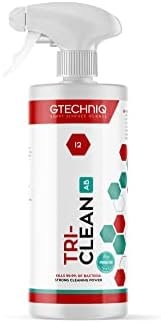
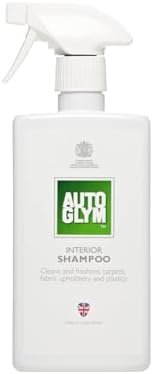
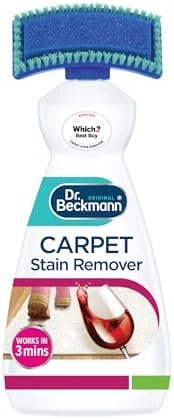
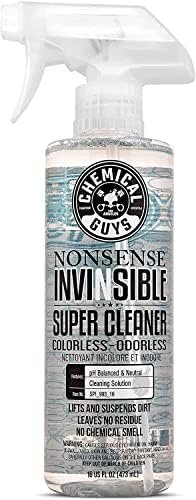
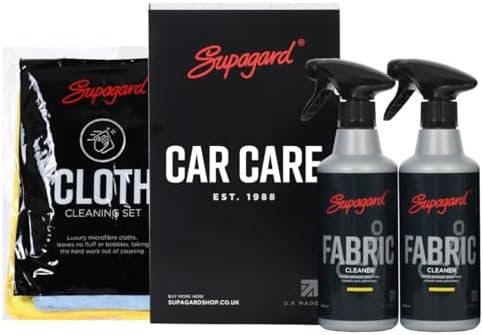
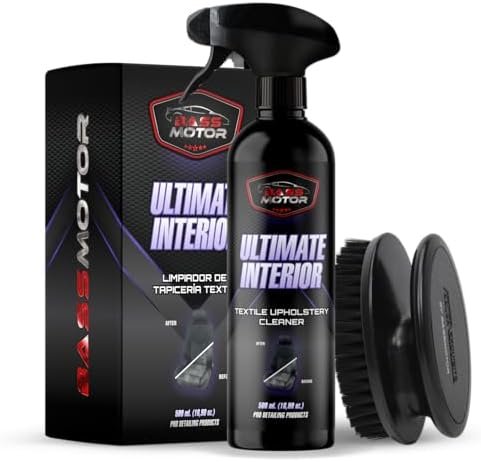
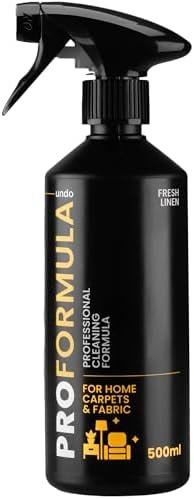
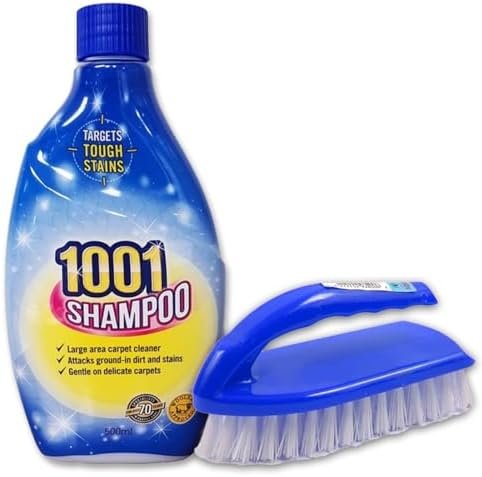
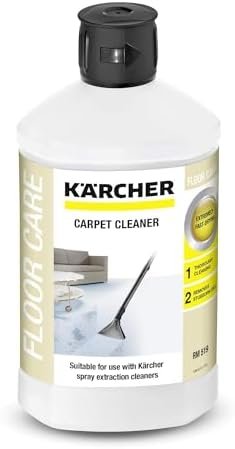
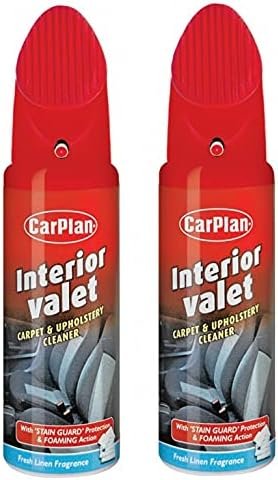
Fabric and Carpet Cleaners for Cars

23 products ready to shop 23 products Last checked Checked:

Top Picks Worth Considering

Click through to check today's price and availability from trusted retailers.

Why Fabric & Carpet Care Prevents Stains and Odours

Fabrics trap dirt, moisture, and odours in ways hard surfaces don’t. Spills soak in rather than sitting on top, and ground-in dirt works its way deep into carpet fibres where standard vacuuming can’t reach it.

Untreated spills bond to fabric quickly. The longer they sit, the harder they are to remove. We’ve seen plenty of cases where a small coffee spill becomes a permanent stain simply because it wasn’t dealt with soon enough. From our experience, quick action makes the difference between a quick clean and a problem that won’t shift.

Over-wetting is the other major issue. Too much water in carpets or upholstery leads to mildew, musty odours, and prolonged drying times. Extraction beats soaking every time, but most people don’t realise this until they’re dealing with a damp interior that won’t dry out.


What Fabric & Carpet Cleaners Are (and Aren’t)

Fabric and carpet cleaners are formulated to lift dirt and stains from textile surfaces without damaging fibres or leaving residue. They work by breaking down contamination so it can be lifted or extracted.

These products don’t replace professional extraction equipment. A spray cleaner and a microfibre cloth will handle light dirt and fresh spills, but heavily soiled carpets or deep stains usually need a wet vacuum or extractor to remove all the cleaning solution and loosened grime.

Results also depend on technique. Scrubbing aggressively spreads stains and damages fabric weave. The better approach is gentle agitation followed by proper extraction—let the product do the work rather than forcing it.


Fabric & Carpet Cleaner Types (Where It Matters)

  • Foam Cleaners

    • Foam cleaners deliver controlled moisture. The foam sits on the fabric surface, lifts dirt, and can be wiped or vacuumed away without soaking deep into the material.
    • This makes foam ideal for seats and areas where you can’t risk over-wetting. Excess moisture in seat cushions takes ages to dry and often leads to mildew smells. Foam minimises this risk while still providing enough cleaning power for most everyday dirt.
    • From what we see in user reviews, foam cleaners are popular because they’re easy to control and harder to misuse. The trade-off is that they’re less effective on deep or set-in stains compared to liquid cleaners.
  • Liquid / Spray Cleaners

    • Liquid cleaners penetrate deeper into fabric and carpet fibres. They’re designed for use with extraction equipment or for situations where you need stronger cleaning action.
    • This approach works best on heavily soiled carpets or stubborn stains that foam can’t shift. The liquid breaks down grime more aggressively, but it also introduces more moisture, which means extraction is essential to avoid long drying times.
    • The general consensus is that liquid cleaners deliver better results on serious dirt, but they require more care. Without proper extraction, you’re left with damp fabrics that take days to dry and can develop odours.

How to Choose the Right Fabric & Carpet Cleaner

  • For light dirt and regular maintenance
    Foam cleaners are the safest option. They’re easy to use, control moisture well, and work effectively on surface dirt without risk of over-wetting.
  • For spills and fresh stains
    Liquid spray cleaners act faster on fresh contamination. Apply, agitate gently, and blot or extract immediately before the spill sets.
  • For heavily soiled carpets
    Liquid cleaners combined with an extractor give the best results. The cleaning solution loosens ground-in dirt, and the extractor removes it along with the moisture.
  • For seats and upholstery
    Foam cleaners reduce the risk of soaking cushions. If you do use liquid, apply sparingly and extract or blot thoroughly to avoid moisture buildup.
  • If you don’t have extraction equipment
    Stick with foam or very light applications of liquid cleaner. Heavily wetting fabric without extraction leaves residue and creates drying problems.

Common Fabric & Carpet Cleaning Mistakes to Avoid

  • Using too much water or cleaning solution
    This is the mistake we see most often. Over-wetting pushes dirt deeper, leaves residue, and creates moisture problems that lead to odours. Light, controlled applications work better than soaking.
  • Scrubbing stains aggressively
    Rubbing spreads contamination and damages fabric fibres. Gentle blotting or agitation lifts dirt without making the stain worse or fraying the weave.
  • Not extracting or blotting properly
    Cleaning solution left in fabric attracts more dirt and stays damp longer. Always remove as much moisture as possible after cleaning, whether with an extractor, wet vacuum, or absorbent towels.
  • Working on dry fabric without testing
    Some fabrics react badly to certain cleaners. Test on a hidden area first to check for discolouration or texture changes before treating visible surfaces.
  • Closing the car before fabrics are fully dry
    Damp interiors in a closed car create the perfect environment for mildew. Leave doors or windows open, use fans, or park in a warm, dry spot to speed up drying.

What to Do After Cleaning Fabrics & Carpets

  • Extract moisture thoroughly
    Use a wet vacuum, extractor, or clean absorbent towels to remove as much cleaning solution and water as possible. The drier you can get the fabric, the faster it’ll finish drying and the less risk of odours.
  • Allow full drying before normal use
    Sitting on damp seats or walking on wet carpets presses moisture deeper and slows drying. Give fabrics time to dry completely before using the car normally.
  • Ventilate the cabin
    Open doors and windows to improve airflow. Running the heater or parking in sunlight can speed up the process, but avoid excessive heat on delicate fabrics.

Fabric cleaning is about moisture control. The right product matters, but technique and extraction determine whether you end up with clean, fresh surfaces or damp fabrics that smell musty.

FAQs

Foam cleaners are your best option for cleaning car carpets without extraction equipment. Apply the foam, work it into the carpet with a brush, then wipe or blot away the loosened dirt with microfibre cloths. The foam delivers enough cleaning power for most dirt without introducing excessive moisture that you can’t extract. For tougher stains, you can use a liquid spray cleaner sparingly, but you’ll need to blot thoroughly with absorbent towels to remove as much moisture as possible. The key is controlling how much liquid you apply. Light, repeated applications with thorough blotting work better than one heavy soaking that leaves carpets damp for days.

A pH-neutral foam cleaner handles most regular carpet cleaning without the risk of over-wetting. It’s easy to control, works on surface dirt and light stains, and doesn’t require extraction equipment to remove properly. For heavily soiled carpets, a dedicated carpet cleaning spray combined with an extractor gives better results, but that’s more involved. What matters most is matching the product to your situation. If you’re maintaining carpets that are generally clean, foam is perfectly adequate. If you’re dealing with ground-in dirt or old stains, you’ll need something stronger and a way to extract the moisture afterwards. Starting with the mildest effective option saves you from creating drying problems unnecessarily.

Baking soda absorbs odours reasonably well but doesn’t actually clean dirt or stains from carpet fibres. It can help freshen carpets between proper cleans, and some people use it to lift light surface dirt, but it’s not a substitute for a proper carpet cleaner when you’re dealing with real contamination. The main issue is removal. Baking soda needs to be vacuumed out thoroughly, and it can leave a white residue in carpet pile if not extracted completely. From our experience, it’s useful as a supplementary step for odour control, but it doesn’t replace the cleaning power of a formulated product designed to break down grime and lift it from fibres.

Many detailers use a carpet pre-treatment spray that loosens dirt and breaks down stains before vacuuming. This makes the vacuum more effective by ensuring surface contamination is already disturbed and ready to be lifted. Some also use a light carpet refresher if the interior smells stale, though this is separate from the cleaning step. The pre-treatment isn’t always necessary for lightly soiled carpets, but on heavily used vehicles or carpets that haven’t been cleaned in months, it makes a noticeable difference. The spray does the initial work of breaking contamination bonds, then the vacuum (or extractor) removes everything that’s been loosened.

Vanish and similar household carpet cleaners can work on car seats, but they’re designed for home carpets and may not be ideal for automotive upholstery. They tend to create a lot of foam and can be difficult to rinse or extract completely, which leaves residue that attracts dirt and can cause stiffness in fabric. If you do use a household carpet cleaner on car seats, apply it very sparingly and make sure you can extract or blot out as much moisture as possible afterwards. Products specifically designed for automotive upholstery are formulated to work with less water and rinse more cleanly, which matters when you don’t have the extraction power of a full carpet cleaning machine.

Professionals assess the stain first, then choose a cleaner matched to the contamination type. For organic stains like food or drink, they use an enzyme-based cleaner that breaks down the proteins. For oil-based stains, a stronger degreasing cleaner is more effective. The key is using the right product rather than assuming one cleaner handles everything. After applying the cleaner, they agitate gently with a brush to work it into the fabric without spreading the stain, then extract with a wet vacuum or steam cleaner. Multiple light applications with thorough extraction work better than one heavy treatment. They also avoid scrubbing aggressively, which damages fabric weave and can actually make stains look worse by fraying fibres.
Steam cleaning is generally more effective for deep-seated dirt and sanitisation, as the heat helps break down contamination and kills bacteria. It also uses less moisture than shampooing, which means faster drying times and less risk of mildew. The downside is that you need proper steam cleaning equipment, which most people don't own. Shampooing with a good extraction method works well for regular maintenance and handles most stains adequately. It's more accessible since you can use foam or liquid cleaners with basic tools. For heavily soiled seats or if you're dealing with odours from spills that have soaked deep into cushions, steam cleaning gives better results, but for routine care, shampooing is perfectly fine if done properly.

Related Insights and Articles
Explore More Categories

Discover more of our curated buying guides to continue your research.

Why Trust Total Car Clean?

Your independent guide to the best car detailing products in the UK.

Expertly Curated Choices

We research and review hundreds of car cleaning products from trusted UK retailers and highlight the best-rated options across every category and price range.

Up-to-Date Product Listings & Reviews

Our product listings are regularly updated with the latest prices, availability, and customer reviews from Amazon UK to ensure you get accurate information.

Independent & Transparent

Total Car Clean is 100% reader-supported. We may earn a small commission from affiliate links, but we remain unbiased to help you find the best products.