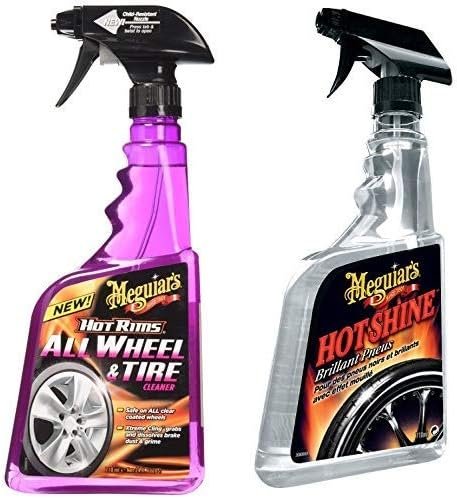
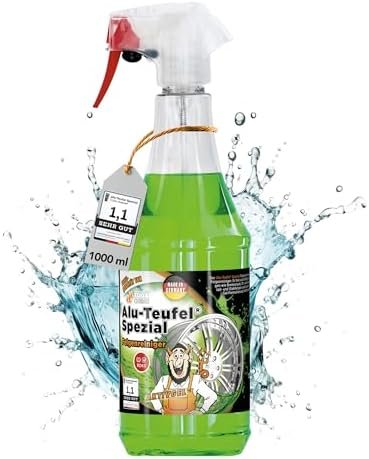
How Wheel Cleaners Break Down Brake Dust Safely
Wheels collect the harshest contamination on your car. Brake dust bonds aggressively, road grime bakes on, and general shampoo won’t shift it.
From our experience, most wheel damage comes from poor cleaner choice or scrubbing too hard—not from the dirt itself.
What Wheel Cleaners Are (and Aren’t)
Wheel cleaners break down brake dust and road grime without excessive scrubbing. They’re formulated to work on wheel finishes specifically, which means they’re stronger than regular shampoo but targeted in how they clean.
They won’t fix corroded or damaged wheels. If the finish is already compromised, a cleaner just reveals what’s underneath.
Wheel Cleaner Types (Where It Matters)
-
Acid-Free Wheel Cleaners
- Acid-free cleaners rely on surfactants and alkaline chemistry to loosen contamination rather than dissolving it aggressively. They’re safer for most wheel finishes and ideal for routine maintenance.
- We’ve found these work best for weekly or fortnightly cleans. They’re effective enough for light to moderate brake dust and won’t degrade delicate finishes over time.
- The trade-off is speed. On heavily soiled wheels, they need longer dwell time or a second application.
-
Acidic Wheel Cleaners
- Acidic cleaners are stronger and faster. They dissolve brake dust and bonded contamination more effectively, especially on heavily soiled wheels.
- The downside is risk. Acidic formulas can etch certain finishes, damage powder coating, and harm surrounding trim if not rinsed properly. We only recommend these for occasional deep cleans, not regular use.
- A lot of users mention that acidic cleaners work brilliantly on neglected wheels but cause problems when overused. The general consensus is they’re a tool for specific situations, not everyday maintenance.
How to Choose the Right Wheel Cleaner
- For regular maintenance
Use an acid-free cleaner. It’s gentle, effective, and won’t cause long-term damage to finishes.
- For heavily soiled wheels
An acidic cleaner speeds things up, but use sparingly and rinse thoroughly. Don’t let it become your regular option.
- For delicate or custom finishes
Stick to pH-neutral or finish-safe cleaners. Check the product label to confirm compatibility with powder coating, chrome, or polished aluminium.
- For beginners
Start with an acid-free option. It’s more forgiving if you misjudge dwell time or forget to rinse immediately.
Common Wheel Cleaning Mistakes to Avoid
- Using acid cleaners unnecessarily
Acidic cleaners are effective but harsh. We regularly see people default to them for light cleaning when a gentler option would work fine.
- Scrubbing with harsh brushes
Stiff bristles scratch wheel finishes. Let the cleaner do the work, then agitate gently with a soft-bristled brush.
- Letting product dry on wheels
Dried cleaner leaves streaks and can etch finishes, especially on hot wheels. Work in the shade and rinse within a few minutes.
- Ignoring finish type
Not all wheels are the same. Powder-coated, polished, chrome, and diamond-cut finishes react differently to cleaners. Check compatibility first.
What to Do After Cleaning Wheels
- Rinse thoroughly to remove all residue
Leftover cleaner can etch the finish or dry into streaks. Make sure nothing is left behind.
- Dry wheels to avoid water spots
Hard water leaves mineral deposits. A quick wipe with a microfibre towel prevents this.
- Consider protection
Wheel sealants or ceramic coatings make future cleaning easier. Brake dust and grime don’t bond as strongly to protected surfaces.
FAQs
Can wheel cleaner damage wheels?
Yes, wheel cleaner can damage wheels if you use the wrong type or leave it on too long. Acidic cleaners are particularly risky, they can etch finishes, damage powder coating, and harm chrome or polished aluminium if not rinsed quickly. Even acid-free cleaners can cause problems if they dry on the surface, especially on hot wheels in direct sunlight. From our experience, most wheel damage comes from people using aggressive cleaners when they don’t need to. If your wheels are only lightly dirty, a pH-neutral or acid-free cleaner is more than enough. Save the strong stuff for heavily neglected wheels and use it sparingly. Always check the product label for compatibility with your wheel finish before applying anything.
Should I use a brush or sponge on my wheels?
Use a soft-bristled brush rather than a sponge. Brushes reach into spokes, barrels, and tight areas that sponges can’t access properly. The key is making sure the bristles are soft enough not to scratch the finish, stiff bristles act like sandpaper on delicate surfaces. We’ve found that sponges work fine for the flat face of the wheel, but they don’t agitate dirt effectively in detailed areas. You’ll end up pressing harder to compensate, which increases the risk of marring. A proper wheel brush lets the cleaner do the work whilst you provide gentle agitation. Keep separate brushes for wheels and paintwork to avoid cross-contaminating with abrasive brake dust.
What is the best wheel cleaner to get brake dust off?
For regular brake dust, a quality acid-free wheel cleaner works well without the risks. It breaks down contamination using surfactants and alkaline chemistry rather than aggressive acids. If the brake dust is heavily baked on or the wheels haven’t been cleaned in months, an acidic cleaner shifts it faster, but you need to be careful with dwell time and rinsing. The general consensus is that no cleaner works as a true spray-on, rinse-off solution. You still need to agitate with a brush to loosen the brake dust properly. From our experience, people who clean wheels regularly find acid-free cleaners perfectly effective. It’s only when wheels are neglected that stronger options become necessary.
Why does wheel cleaner turn purple?
Purple wheel cleaners contain iron removers that react chemically with ferrous contamination, mainly brake dust. When the active ingredient contacts iron particles, it changes colour, usually from clear or yellow to purple or red. This visual indicator shows the product is working and dissolving bonded metal particles. We’ve found that the colour change is useful but not essential. Plenty of effective wheel cleaners don’t turn purple and still break down brake dust perfectly well. The colour is more of a marketing feature than a performance necessity. What matters is giving the cleaner enough dwell time to work and using a brush to agitate stubborn areas.
How do I prevent brake dust buildup on my wheels?
The most effective way is to apply a wheel sealant or ceramic coating after cleaning. Protected surfaces make it harder for brake dust to bond, which means future cleaning is quicker and requires less scrubbing. The contamination sits on top of the protection rather than etching into the wheel finish. Cleaning wheels more frequently also helps. If you wash them every week or two, brake dust doesn’t have time to bake on and bond aggressively. From our experience, regular maintenance with an acid-free cleaner is far easier than deep cleaning neglected wheels every few months. Some people also switch to low-dust brake pads, but that’s a more involved solution.
Can you use WD-40 to clean car wheels?
You can, but it's not ideal. WD-40 cuts through grime and can loosen brake dust, but it leaves an oily residue that attracts more dirt quickly. It's also not formulated for wheel finishes, so there's a risk of damaging delicate coatings or leaving streaks. We'd recommend using a proper wheel cleaner instead. They're designed to break down brake dust without leaving residue and they're safer on various finishes. If you're in a pinch and WD-40 is all you have, spray it on, agitate with a brush, and rinse thoroughly. Just don't make it your regular cleaning method.
Will a magic eraser remove brake dust?
Magic erasers can remove light brake dust, but they're abrasive. They work by physically wearing away contamination along with a tiny layer of the surface beneath. On painted or coated wheels, this means you're gradually dulling the finish with each use. From our experience, magic erasers are fine for stubborn spots on durable finishes like bare aluminium, but not for regular cleaning. A proper wheel cleaner and soft brush is safer and more effective. We regularly see people damage powder coating or clear-coated finishes by scrubbing too hard with abrasive materials that seem gentle but aren't.
How to clean wheels without scrubbing?
You can't fully clean wheels without any scrubbing, but you can minimise it. Use a strong wheel cleaner with a longer dwell time, which allows the chemicals to do more of the work. Spray the product on, let it sit for five to ten minutes, then rinse. For any remaining dirt, a light brush is still needed. The closest thing to scrub-free cleaning is maintaining protected wheels. If you've applied a sealant or ceramic coating, brake dust doesn't bond as strongly and rinses off more easily. Regular cleaning also helps, if you wash wheels weekly, contamination hasn't had time to bake on and become stubborn.