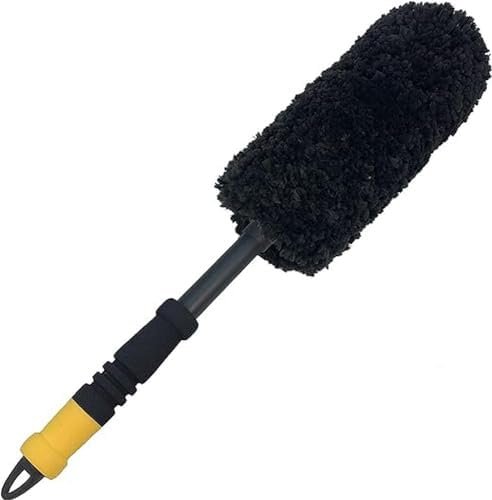
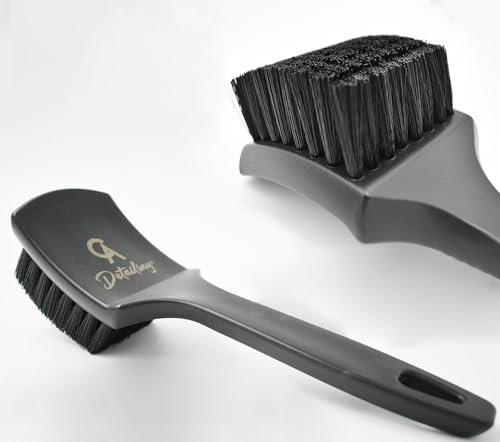
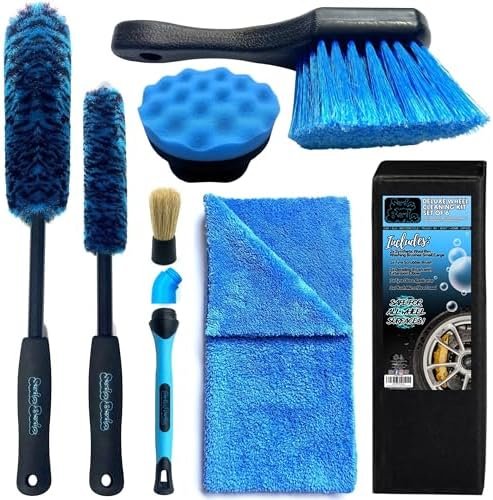
Wheel Brushes and Cleaning Tools
Top Picks Worth Considering
Click through to check today's price and availability from trusted retailers.
- All brands
- Adifare
- Armor All
- Autoglym
- CA Detailing
- Car Gods
- Generic
- Goodyear
- Griot's Garage
- iuiiaii
- lesasas
- Meguiar's
- SOFT99
- Sudz Budz
- Uraqt
- Viking
- Witpoce
- Xtremeauto
- YeewayVeh
- Zale Yardley
- Rating: High to Low
- Rating: Low to High
- Title: A → Z
- Title: Z → A
FAQs
What is the best wheel cleaning brush?
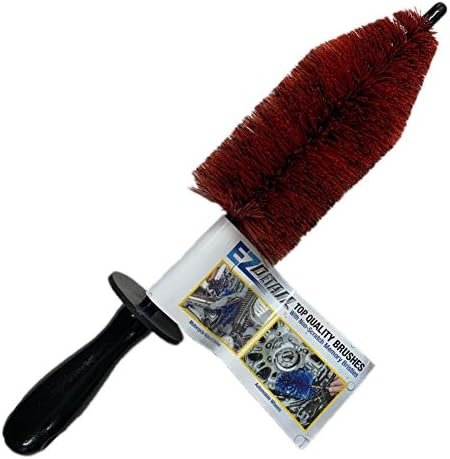
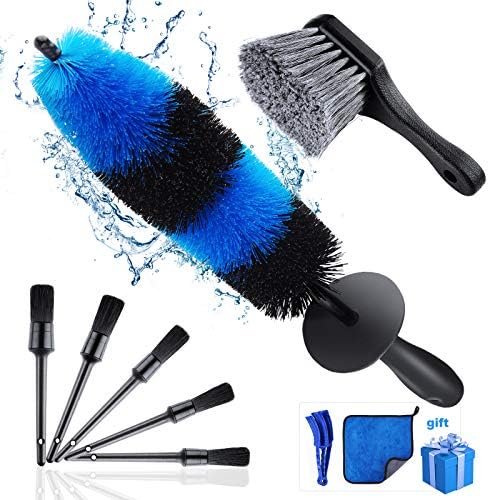
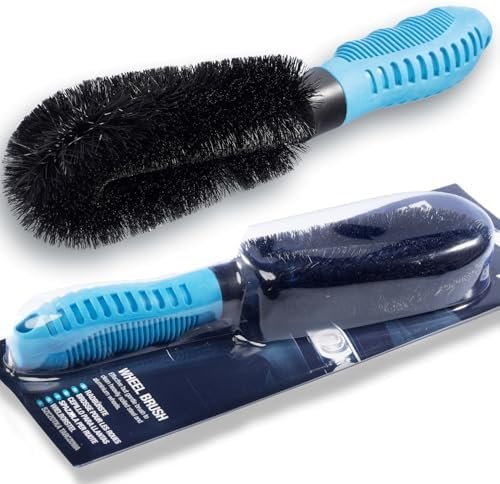
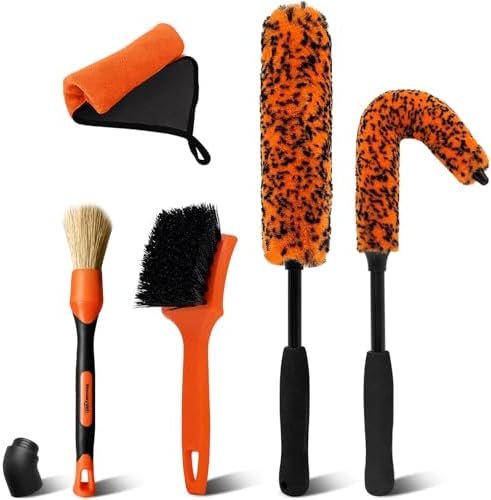
The best wheel cleaning brush depends on what part of the wheel you’re cleaning. For barrels, you need a long-handled brush with soft, flexible bristles that can reach deep without scratching. For the face, a softer, shorter brush works better on visible surfaces and detailed areas. We’ve found that microfibre brushes stay softer longer than synthetic wool and release contamination more easily when rinsed. From our experience, buying two separate brushes, one for barrels and one for faces, gives better results than trying to use a single brush for everything. The barrel brush is too aggressive for delicate surfaces, and the face brush doesn’t reach awkward areas properly. Quality matters more than price here. A cheap brush with stiff bristles or exposed metal ends will scratch wheels regardless of how careful you are.
Do wheel brushes scratch wheels?
Yes, wheel brushes can scratch wheels if they’re too stiff, have exposed metal cores, or are used incorrectly. Stiff bristles act like sandpaper on painted or coated finishes. Brushes with wire cores that lose their protective caps are particularly risky, the twisted metal scratches instantly. The key is using the right brush for each surface. Soft-bristled brushes designed for wheel faces won’t scratch when used gently. From our experience, most scratching happens when people scrub aggressively instead of letting the cleaner do the work, or when they use a barrel brush on visible surfaces. A lot of users mention that switching to microfibre brushes eliminated scratching problems they had with older synthetic wool versions.
What is the best brush to clean brake dust off wheels?
A soft barrel brush is the best tool for removing brake dust from hard-to-reach areas like the inner barrel and behind spokes. The long handle lets you reach deep without forcing your hand into tight gaps, and soft bristles agitate contamination without scratching the finish. For the visible face, a softer detail brush works better. We regularly see people trying to shift brake dust with one stiff brush, which just grinds particles into the surface. Brake dust is abrasive, so you need the cleaner to break it down chemically first, then use a soft brush to lift it away. The general consensus is that softer bristles combined with proper dwell time work better than aggressive scrubbing with a harsh brush.
Should I use a brush or sponge on my wheels?
Use a brush. Sponges work fine on flat surfaces but can’t reach into spokes, barrels, or detailed areas properly. Brushes provide better agitation and access to tight spaces where brake dust accumulates worst. The key is making sure the bristles are soft enough not to scratch. From our experience, people who use sponges end up pressing harder to compensate for poor access, which increases the risk of marring. A proper brush lets you apply gentle pressure whilst still cleaning effectively. We’d only recommend sponges for the flat face of very simple wheel designs. For anything with spokes or intricate details, brushes are essential.
Are detailing brushes worth it?
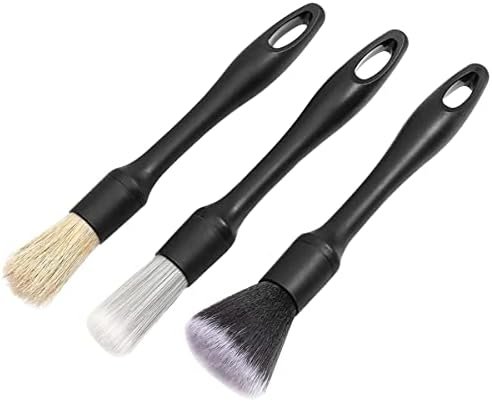
Yes, detailing brushes are worth it if you want to clean tight areas properly without scratching. They’re designed to reach lug nuts, valve stems, small gaps between spokes, and other awkward spots that larger brushes miss. The soft bristles won’t damage finishes when used correctly. That said, they’re not essential for basic cleaning. If you’re just maintaining wheels regularly and don’t have intricate designs, a face brush and barrel brush cover most situations. From our experience, detailing brushes become valuable when you have multi-spoke wheels or want truly thorough results. A common complaint we see is people buying cheap sets where the bristles fall out after a few uses, so quality matters.
What is the best thing to clean wheels with?
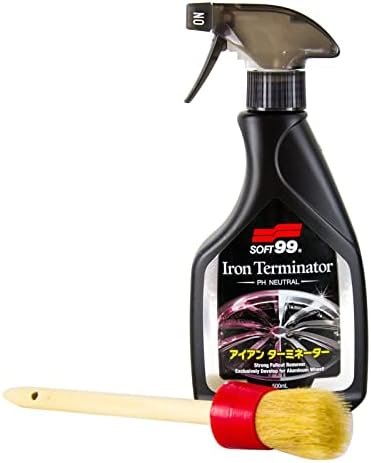
The best combination is a pH-balanced wheel cleaner and soft brushes designed for different areas. Use a barrel brush for inner surfaces, a face brush for visible areas, and a detail brush for tight spots. The cleaner breaks down brake dust chemically, the brushes provide gentle agitation to lift it away. We've found that no single product or tool does everything. People who try to use just cleaner without brushes don't get contamination out of detailed areas. People who scrub without proper cleaner end up grinding dirt into the finish. The general consensus is that investing in quality tools and a finish-safe cleaner gives better results than expensive products used with poor technique.
Can you reuse detailing brushes?
Yes, you can reuse detailing brushes if you rinse them thoroughly after each use and let them dry properly. The key is getting all the brake dust and cleaner residue out, contaminated brushes transfer grit to the next wheel and cause scratching. From our experience, brushes last longer if you store them separately from other wash tools and replace them when the bristles start to flatten or split. Microfibre brushes tend to be more reusable than synthetic wool because they release contamination more easily when rinsed. A lot of users mention that cheap brushes become too crunchy and stiff after a few uses, whilst quality ones stay soft for years.
What brushes do car detailers use?
Professional detailers typically use a combination of barrel brushes, face brushes, and detail brushes, all with soft bristles. Microfibre versions are popular because they stay soft longer and don't scratch delicate finishes. Detailers also keep wheel tools completely separate from paint tools to avoid cross-contamination. The specific brands vary, but the principle is the same. Soft bristles, proper length for reaching barrels, and dedicated tools for different wheel areas. From our experience, professionals don't rely on one expensive brush to do everything. They use the right tool for each job and replace brushes as soon as they show signs of wear.
Related Insights and Articles



Explore More Categories
Discover more of our curated buying guides to continue your research.


