Buckets & Mitts for Safer Car Washing

50 products ready to shop 50 products Last checked Checked:

Top Picks Worth Considering

Click through to check today's price and availability from trusted retailers.

Why Buckets & Mitts Matter

Buckets and mitts control contamination during the wash process. They’re not cleaning chemicals, but they determine how safely you move grit off the paint.

Particles trapped in mitts cause scratches. Every time you reload a dirty mitt with fresh shampoo, you’re putting contamination back onto the surface. Buckets help separate clean water from grit, which reduces the risk of marring.

From our experience, wash tools cause more damage than shampoos. A harsh sponge or single-bucket method will create fine scratches faster than almost any product issue.

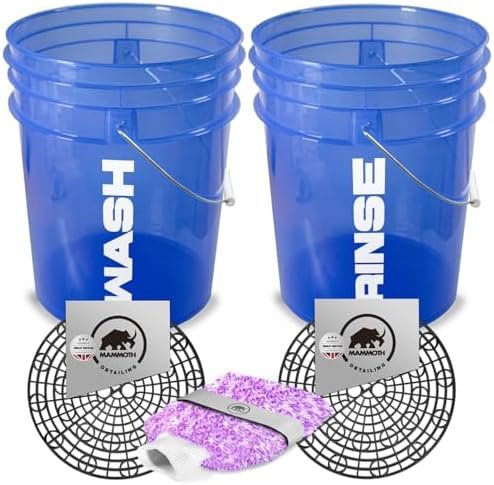
The two-bucket method works. One bucket holds soapy water, the other holds clean rinse water. After each panel, you rinse the mitt in clean water before reloading with shampoo. It’s simple, but it makes a real difference to how much contamination you’re dragging around.


What Buckets & Mitts Are (and Aren’t)

They’re safety tools, not cleaning products. The mitt picks up dirt, and the buckets keep that dirt from going back onto the paint.

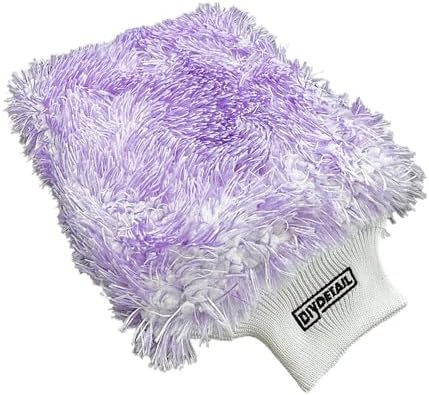
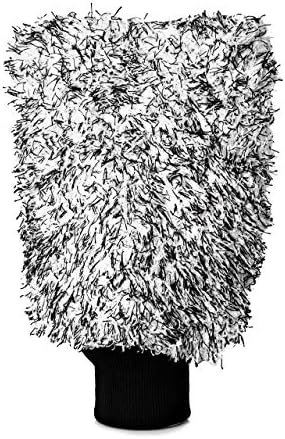
Mitts vary in how well they release dirt when rinsed. Microfibre tends to shed contamination better than traditional sponges, which trap grit in their surface. We regularly see people switch to microfibre mitts and notice fewer fine scratches immediately.

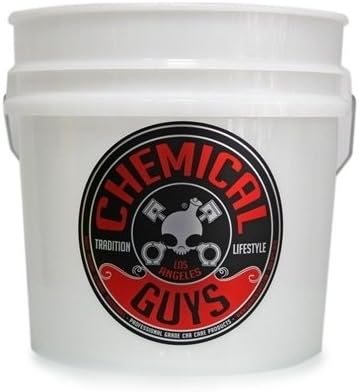
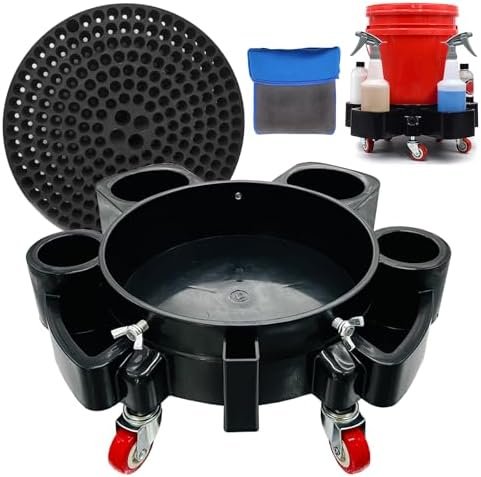
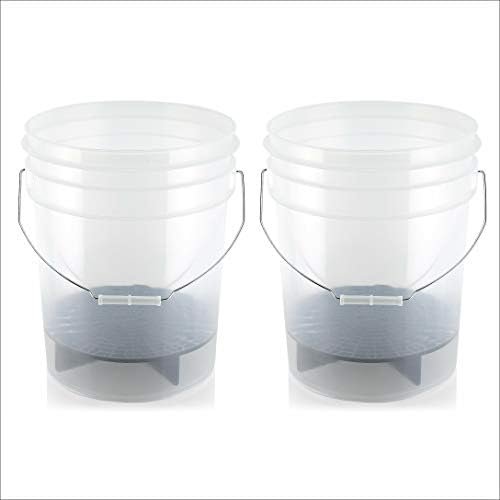
Grit guards sit at the bottom of buckets and trap dirt below the surface. When you rinse your mitt, particles fall through the guard and stay out of the clean water above.


Types & Variations (Only Where It Matters)

  • Wash Mitts

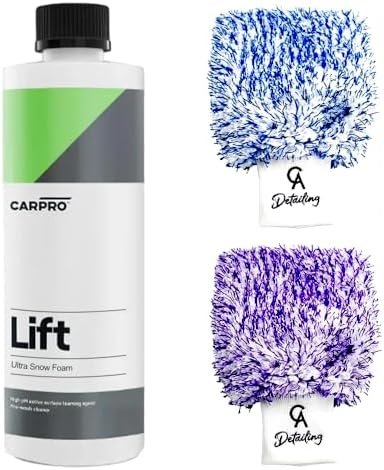
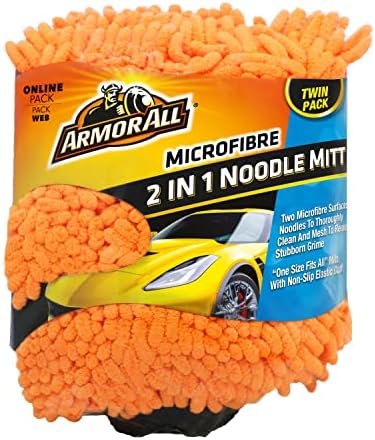
    • Microfibre mitts are soft, absorbent, and release dirt more easily than older sponge designs. They hold plenty of soapy water, which helps lubrication during the wash.
    • Wool mitts are another option. They’re gentle on paint and work well, but they’re usually more expensive and need more care when washing and drying.
    • What matters most is dirt release. A mitt that holds onto grit will scratch paint no matter how soft it feels.
  • Buckets & Grit Guards

    • Grit guards reduce recontamination by keeping dirt at the bottom of the bucket. They’re inexpensive and make a noticeable difference to wash safety.
    • Two-bucket setups improve things further. One bucket stays cleaner for longer, which means you’re always rinsing your mitt in relatively fresh water.
    • The general consensus is that grit guards are worth using even if you’re only running one bucket, but two buckets with guards is the safer option.

How to Choose the Right Setup

  • For beginners
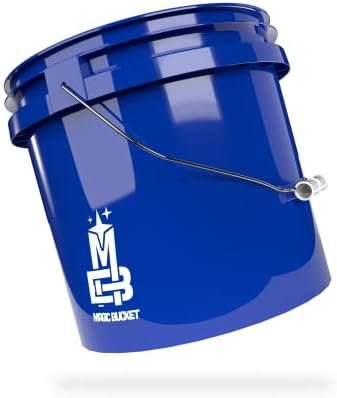
    Start with one bucket, a grit guard, and a quality microfibre mitt. This covers the basics without overcomplicating the process.
  • For safer washing
    Use two buckets with grit guards and dedicated mitts for different areas. One mitt for bodywork, another for wheels or lower panels.

If you’re unsure, one bucket with a grit guard and a good mitt will handle most situations. You can always add a second bucket later if you want extra safety.


Common Mistakes

  • Using sponges
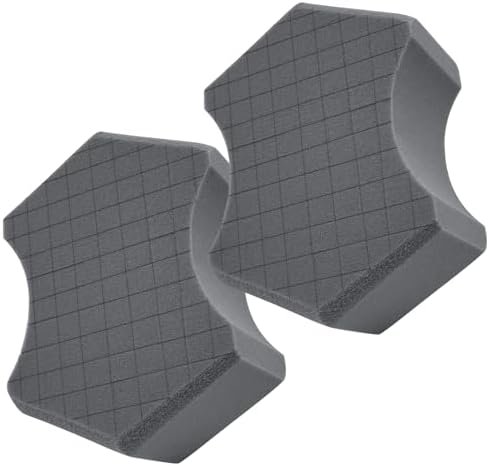
    Traditional sponges trap grit on their surface, which acts like sandpaper on paint. Microfibre mitts release dirt far more easily.
  • Not rinsing mitts properly
    A quick dunk isn’t enough. Agitate the mitt against the grit guard to release trapped particles before reloading with shampoo.
  • Using one mitt everywhere
    Wheels and lower panels pick up more brake dust and road grime. Using the same mitt on clean bodywork transfers that contamination.

What to Do After Washing

  • Rinse mitts thoroughly
    Make sure all shampoo and dirt are removed. Trapped particles will scratch paint next time you use the mitt.
  • Let them dry properly
    Damp mitts left in a bucket go musty and degrade faster. Hang them up or lay them flat to dry completely.

Good wash tools reduce damage more than stronger chemicals. The safest wash is one where you’re not putting dirt back onto the paint.

FAQs

The two-bucket method uses one bucket with soapy water and shampoo, and one bucket with clean rinse water. You wash a panel with the soapy mitt, then rinse it thoroughly in the clean bucket before reloading with more shampoo. The clean bucket usually has a grit guard at the bottom to trap dirt below the water line. The process keeps contamination out of your wash water, which is the main cause of scratching during washing. We wash panel by panel, rinse the mitt after each one, and reload with fresh shampoo. It takes a bit longer than using one bucket, but the safety improvement is significant. Most people who switch to two buckets notice fewer fine scratches almost immediately.

A mitt is better, specifically a microfibre mitt. Mitts release dirt more effectively when rinsed, which reduces the risk of scratching. They also hold more soapy water, which provides better lubrication during washing. Traditional sponges trap grit in their surface and don’t shed contamination as easily, which makes them far more likely to cause marring. From our experience, the difference is immediately noticeable. People who switch from sponges to microfibre mitts report fewer fine scratches and find the washing process easier because the mitt glides over the surface more smoothly. The only advantage sponges have is cost, but that’s not worth the damage they cause to paint over time.

The best mitt depends on your priorities, but microfibre mitts offer the best balance of safety, absorbency, and ease of maintenance. Look for a mitt with a thick pile that holds plenty of soapy water and releases dirt easily when rinsed. Some people prefer wool mitts because they’re gentle and durable, but they cost more and require more care. What we’ve found is that the mitt’s quality matters more than the specific material. A cheap microfibre mitt that sheds fibres or doesn’t release dirt properly will cause more problems than a well-made wool or synthetic option. Focus on reputable brands and replace your mitt when it starts to feel rough or degraded. How you use and maintain the mitt is just as important as which one you buy.

Yes, if it’s dirty, poorly maintained, or used incorrectly. The main risk is trapped grit in the fibres acting like sandpaper when you wash. This is why rinsing the mitt properly between panels is so important. From our experience, most scratching from mitts happens because people don’t rinse them thoroughly or they reuse dirty mitts. Even the softest mitt will cause damage if it’s contaminated. After washing each panel, rinse the mitt in clean water and agitate it against a grit guard to release trapped dirt. Never drop the mitt on the ground, if it picks up stones or grit, you’ll scratch the paint the moment you put it back on the car. Proper technique and maintenance are what keep mitts safe to use.

You can use a wash mitt for months or even years if you wash it properly after each use and maintain it well. Rinse the mitt thoroughly during washing, then machine wash it with microfibre-safe detergent after you’re done. Never use fabric softener because it clogs the fibres and reduces the mitt’s ability to hold water and release dirt. Replace the mitt when it starts to feel rough, loses absorbency, or shows visible wear like fraying or stiffness. Some mitts degrade faster than others depending on quality and how often they’re used. We tend to have multiple mitts in rotation, one for bodywork, one for wheels, and spares so we can always use a clean one. This extends their lifespan and ensures we’re always washing with a mitt that’s in good condition.

The safest technique is the two-bucket method with a microfibre mitt. Rinse the car first to remove loose dirt, then work panel by panel from top to bottom using straight-line motions rather than circles. After each panel, rinse the mitt in the clean bucket, agitate it against the grit guard to release dirt, then reload with soapy water from the wash bucket. Use light pressure and let the soapy water do the work. Never press hard or scrub, this increases friction and causes scratching. The lower panels and wheels are dirtiest, so we use a separate mitt for these areas to avoid transferring heavy contamination to the cleaner upper bodywork. Rinse thoroughly after washing and dry properly to prevent water spots. It takes a bit longer than rushing through with one bucket, but the results are worth it.

Explore More Categories

Discover more of our curated buying guides to continue your research.

Why Trust Total Car Clean?

Your independent guide to the best car detailing products in the UK.

Expertly Curated Choices

We research and review hundreds of car cleaning products from trusted UK retailers and highlight the best-rated options across every category and price range.

Up-to-Date Product Listings & Reviews

Our product listings are regularly updated with the latest prices, availability, and customer reviews from Amazon UK to ensure you get accurate information.

Independent & Transparent

Total Car Clean is 100% reader-supported. We may earn a small commission from affiliate links, but we remain unbiased to help you find the best products.