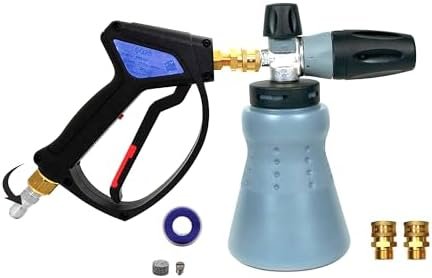
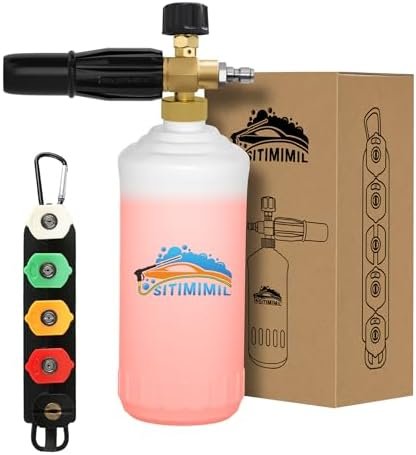
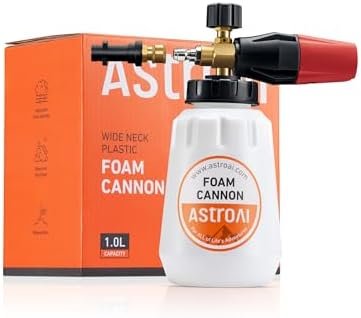
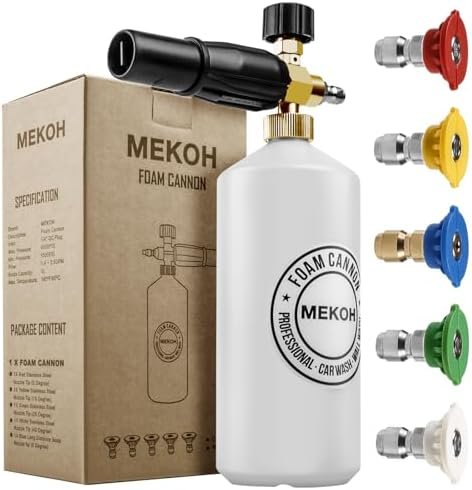
How Foam Cannons and Sprayers Improve Pre-Wash Coverage
Pre-wash stages reduce the amount of grit sitting on the paint before you touch it with a mitt, which lowers the risk of dragging contamination across the surface. Foam Cannons and Sprayers help by spreading pre-wash product more evenly and giving it more time to work than a basic trigger bottle usually can.
That matters because better coverage usually means better dwell time on vertical panels, badges and awkward lower sections where traffic film tends to cling. Pressure washer foam cannons still give the heaviest, most dramatic application, but manual pump and electric foam sprayers have become very useful alternatives for buyers who want proper pre-wash coverage without building an entire pressure-washer setup.
It is also worth separating cleaning performance from foam theatre. Thick foam can make coverage easier to see, but the real work still comes from the chemistry, the dilution and the time you give the product before rinsing. Good foam helps the process; it does not replace it.
What Foam Cannons Are (and Aren’t)
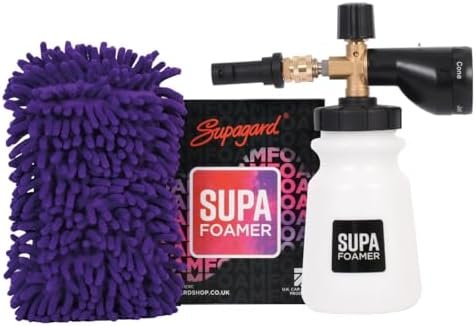
On this page, foam cannons and sprayers both sit in the same category because they are trying to do the same job: apply snow foam or pre-wash product more effectively than a simple spray bottle. The main difference is how they create that foam. Foam cannons rely on pressure washer output, while sprayers build foam through manual pumping, battery power or lower-pressure hose-fed setups.
None of them clean the car by themselves. They help loosen dirt, road film and light contamination before the contact wash, but you still need to rinse the product away and wash the car properly afterwards. Leaving loosened grime on the surface defeats the point of the pre-wash stage.
They also do not fix poor process. If the dilution is wrong, the product is unsuitable, or the tool is a poor match for your setup, adding more foam will not rescue the result. These tools improve application and dwell time; they are not shortcuts past proper washing technique.
Foam Cannon Types (Where It Matters)
-
Pressure Washer Foam Cannons
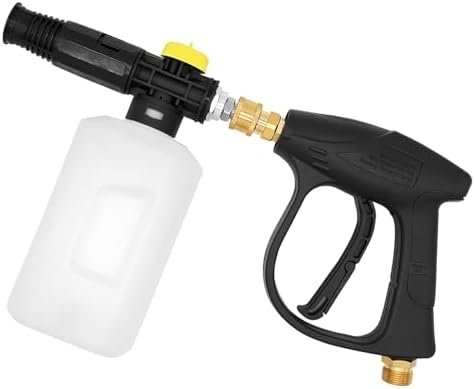
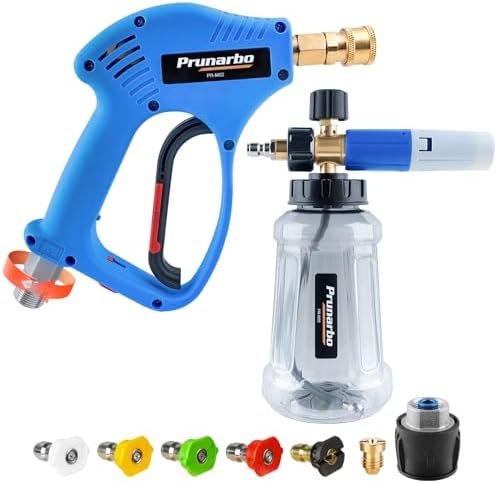
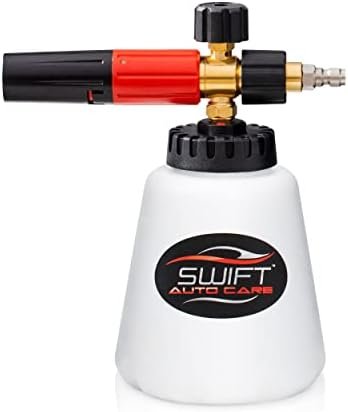
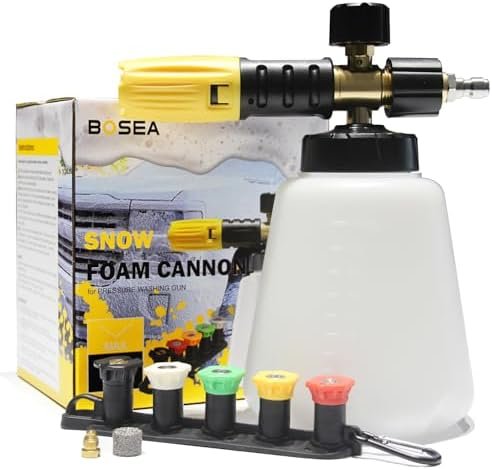
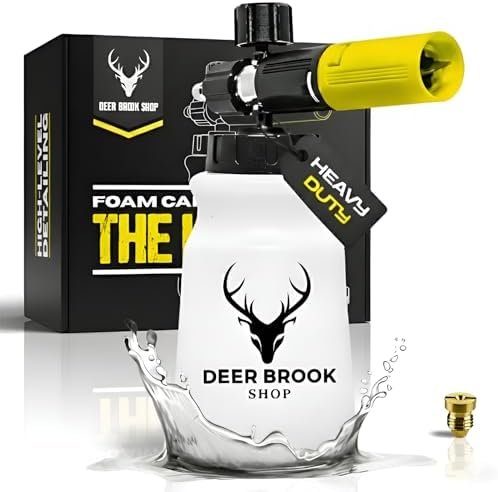
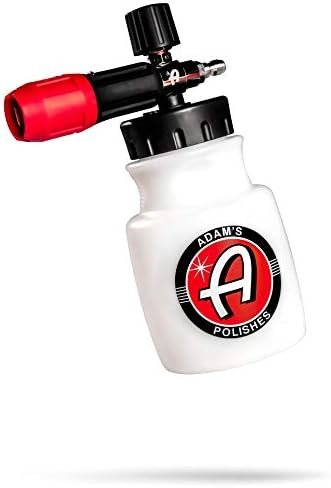
- These attach to a pressure washer and mix water, air and product under pressure to produce the thick, clinging foam most people associate with snow-foaming.
- They are usually the best choice for heavy pre-wash work, winter grime and buyers who already own a decent pressure washer.
- Where they fall short is setup dependence. If the washer is underpowered or poorly matched to the cannon, foam quality drops quickly, and they are not much use to buyers who do not want a pressure-washer-based wash routine.
-
Manual Pump Foam Sprayers
- Manual pump sprayers build pressure by hand and push product through a foaming head, making them a practical option for pre-wash users who want more coverage than a trigger bottle without relying on mains power or a pressure washer.
- They fit best for smaller cars, regular maintenance washes and buyers who value portability and simplicity.
- The trade-off is consistency and effort. You usually get less foam volume and shorter working pressure than with a cannon, so they are more about controlled application than maximum blanket coverage.
-
Electric Foam Sprayers
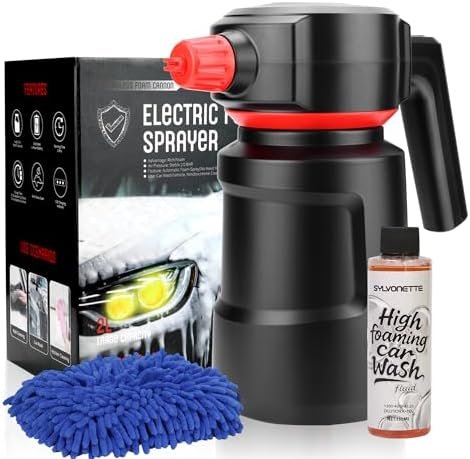
- Electric foam sprayers use a battery-powered pump or motor to create easier, more repeatable foam delivery than manual pumping, which makes them appealing for buyers who want convenience without stepping up to a full pressure washer setup.
- They fit best for people who want faster application, less physical effort and a more modern middle ground between manual sprayers and pressure washer cannons.
- They still have limits. Battery life, charge level and output strength all affect performance, and even the better ones usually do not match the raw foam output and reach of a strong pressure washer cannon.
-
Hose-End Foam Guns
- Hose-end foam guns attach to a standard garden hose and offer a cheaper way into foam application if you do not own a pressure washer.
- They can work well enough for lighter maintenance use, but they usually produce thinner foam with less dwell time than the main sprayer and cannon options above.
How to Choose the Right Foam Cannon
- For pressure washer users
If you already have a decent pressure washer, a properly matched foam cannon is still the strongest all-round option for coverage, reach and dwell time.
- For buyers without a pressure washer
Manual pump and electric foam sprayers make far more sense than forcing a cannon into the conversation. They give you a genuine pre-wash upgrade without needing a bigger wash setup first.
- For faster and easier coverage
Electric foam sprayers are worth a look if you want less effort than a manual pump unit but do not want to commit to a pressure washer every time you wash the car.
- For lighter maintenance washes
A manual pump sprayer, electric sprayer or hose-end unit is often enough if the car is washed regularly and you mainly want better product spread and safer pre-rinse prep.
- For heavier contamination or winter grime
This is where a good pressure washer foam cannon usually earns its place. Higher output and stronger cling make more of a difference when the car is genuinely dirty.
If you are building a wash setup from scratch, do not assume everyone has to start with a pressure washer cannon. The right choice depends on how often you wash, how dirty the car gets and how much equipment you actually want to use each time.
Common Foam Cannon Mistakes to Avoid
- Chasing thick foam over effective dilution
Dense foam looks impressive, but the real cleaning comes from the product chemistry and the ratio you use. Better-looking foam is not automatically better-performing foam.
- Buying the wrong tool for your setup
Pressure washer cannons are excellent when matched properly, but they are not the smartest choice for every buyer. If you do not have the setup to support one, a good sprayer can be the more sensible option.
- Blaming the tool when the power source is weak
Underpowered pressure washers, poor hose pressure and undercharged electric sprayers all reduce output. Sometimes the issue is not the attachment itself, but the setup driving it.
- Skipping the rinse and wash follow-up
Foam loosens contamination; it does not finish the job. You still need to rinse thoroughly and move into the proper contact wash afterwards.
- Not cleaning bottles, filters and nozzles after use
Residual product builds up surprisingly quickly and affects performance, spray quality and reliability. A quick rinse after each session helps these tools stay consistent for longer.
What to Do After Foaming
- Allow sensible dwell time
Give the product enough time to work, but do not let it dry on the surface. The correct dwell time depends on the product, the weather and the panel temperature.
- Rinse thoroughly
Whether you used a cannon or a sprayer, rinse off all loosened contamination before moving on. Pay extra attention to seams, trims and badges where product can linger.
- Move to the contact wash
Pre-wash prepares the surface; it does not complete the clean. Once the foam has done its job and been rinsed away, follow up with a proper wash method.
Foam tools reduce risk by improving how pre-wash product is applied, not by replacing the rest of the wash process. Pick the right tool for your setup, use the right dilution, let it dwell sensibly and then rinse and wash properly.
FAQs
Is it worth getting a foam cannon?
If you wash regularly and want to reduce the risk of scratching during the contact wash, yes. Foam cannons improve pre-wash coverage and dwell time, which loosens more dirt before you touch the paint with a mitt. That means less grit dragging across the surface and fewer swirl marks over time. From our experience, the difference is most noticeable on heavily soiled cars or during winter when road grime builds up quickly between washes. If you’re only washing occasionally or the car stays relatively clean, a spray bottle with pre-wash product works almost as well. Foam cannons don’t clean by themselves, they just apply product more effectively. We regularly see people buy foam cannons expecting a magic solution and then realise they still need to do a proper contact wash afterwards. The cannon makes the process safer, not shorter.
Do foam cannons really clean your car?
No, they don’t clean the car by themselves. Foam cannons apply pre-wash product evenly and hold it on the surface longer, which loosens dirt and contamination. But you still need to rinse the foam off and follow up with a proper contact wash using shampoo and mitts. Foam prepares the surface, it doesn’t finish the job. From our experience, people who skip the contact wash after foaming end up with streaky, partially cleaned paintwork. The benefit is risk reduction, not cleaning power. By loosening dirt before you touch the paint, foam cannons reduce the amount of abrasive contamination that gets dragged around during the wash stage. That makes the whole process safer, especially on soft paint or cars with existing swirl marks. Think of foam as step one in a two-step process, not a replacement for washing properly.
Do you wet your car before foaming?
You can, but it’s not essential. Some people rinse first to remove loose dirt and dust, others apply foam directly to a dry car. We’ve found both approaches work, the key is rinsing thoroughly after the foam has dwelled. Wetting first can help on extremely dusty cars where applying foam directly might drag particles around, but for most situations it doesn’t make a noticeable difference. What matters more is making sure the foam has time to work and that you rinse it off properly before starting the contact wash. Don’t let the foam dry on the paint, especially in direct sunlight or on hot panels. If it starts looking patchy or crusty, rinse immediately. The general consensus is that technique and product dilution matter far more than whether the car’s wet or dry before foaming.
How long should you leave snow foam on a car?
Three to five minutes for most products and conditions. This gives the foam time to cling and break down surface contamination without drying on the paint. For heavily soiled cars, you can push towards seven to ten minutes, but watch the foam closely. If it starts drying or looking thin and patchy, rinse it off immediately. From our experience, letting foam dry causes streaking and makes rinsing harder, which defeats the purpose of using it in the first place. Work in the shade or on a cool day if possible. Direct sunlight and warm panels make foam dry faster, which reduces dwell time and effectiveness. If you’re forced to work in the sun, apply foam in sections rather than covering the whole car at once. That way you can rinse each section before it dries. The general consensus is that slightly too short is better than slightly too long, once foam dries it’s not doing anything useful.
Do you dilute car wash in foam cannon?
Yes, most snow foam and pre-wash products need dilution before use. The ratio varies by product, but somewhere between 1:10 and 1:20, product to water, is typical. Check the bottle for specific guidance. Some people dilute in the foam cannon bottle itself, others pre-mix in a separate container. From our experience, getting the dilution right matters more than foam thickness, weak solution doesn’t clean effectively, strong solution wastes product and can leave residue. Adjust based on results, not appearance. Thick, impressive foam doesn’t guarantee better cleaning. What matters is the concentration of active cleaning agents and sufficient dwell time. We regularly see people chase foam thickness and end up using far more product than necessary. Start with the manufacturer’s recommendation, test it, and adjust from there based on how well it loosens dirt.
What is the difference between a foam gun and a foam cannon?
Foam cannons attach to pressure washers and use pressurised water to create thick, clinging foam. They produce higher-volume foam that sticks to vertical panels longer, giving better dwell time. Foam guns attach to garden hoses and rely on water pressure alone, which produces thinner foam that runs off faster. From our experience, foam cannons are more effective for pre-washing, but foam guns work adequately for regular maintenance if you don't have a pressure washer. The cost and setup differences are significant. Foam cannons need a pressure washer, which is an additional investment if you don't already own one. Foam guns are cheaper and simpler but less effective on heavily soiled cars. If you're building a wash setup from scratch, get the pressure washer first and add the foam cannon later. The washer is more useful overall, the cannon just makes pre-washing more efficient.
Do you scrub a car after foam cannon?
You still need to do a proper contact wash with shampoo and a mitt. Foam loosens dirt, but it doesn't remove it. After rinsing the foam off, wash the car using the two-bucket method with proper car shampoo. This is where the actual cleaning happens, the foam just makes this stage safer by reducing the amount of abrasive contamination on the surface. From our experience, people who skip the contact wash after foaming wonder why the car's not properly clean. Don't use aggressive scrubbing even after foaming. The foam has loosened the grit, which means you need less pressure during the wash stage, not more. Use a soft wash mitt, rinse it frequently, and let the shampoo and gentle agitation do the work. The whole point of foam is to reduce the need for aggressive scrubbing, not to enable it. We regularly see people foam properly and then ruin the benefit by scrubbing too hard during the wash.